How Often a Portuguese Water Dog Should Be Bathed
One of the biggest questions new Portuguese Water Dog owners grapple with is how often to get their furry, web-footed companion into the tub. It's not as simple as a once-a-month rule, and if you've ever tried to air-dry a PWD after an unexpected muddy romp, you know the struggle is real! This comprehensive guide will help you navigate the unique grooming needs of the Portuguese Water Dog, establishing a realistic and effective bathing schedule that keeps their coat healthy, clean, and free of mats, all while saving your sanity.
Understanding Your Portuguese Water Dog's Unique Coat and Skin Needs
Let's be honest, the Portuguese Water Dog's coat is magnificent, but it's also a full-time job. Unlike many breeds, they have a single coat, meaning no undercoat to shed in great clumps. This is fantastic for allergy sufferers and means less dog hair tumbleweeding around your house. However, it also means their coat is prone to matting if not properly cared for. Understanding the structure and purpose of this unique coat is the first step in determining an appropriate bathing routine.
The Double-Edged Sword of the PWD Coat
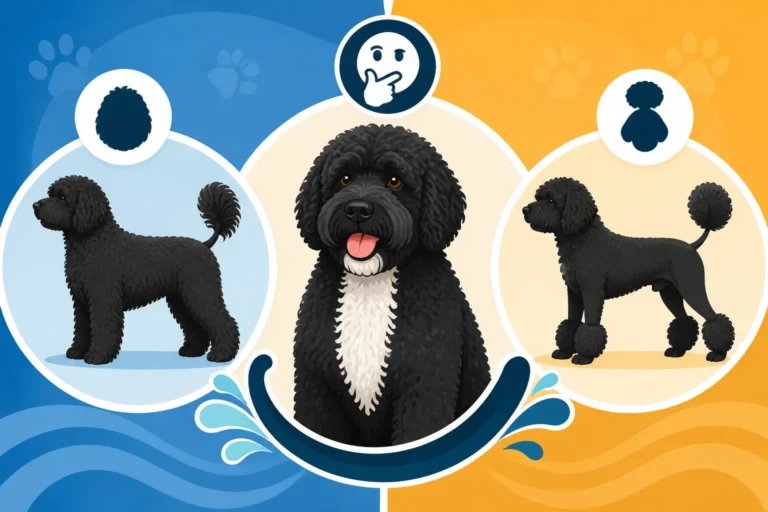
The Portuguese Water Dog's coat comes in two varieties: curly and wavy. Both are dense, water-resistant, and designed to protect the dog in the cold, harsh Atlantic waters they once worked in. This remarkable coat provides insulation and buoyancy, and it’s what makes them such incredible swimmers. The texture is coarse, not soft and fluffy, which helps it repel water rather than absorb it like a sponge.
But here's the catch: that dense, water-resistant quality also makes it a magnet for debris. Twigs, leaves, burrs, dirt – you name it, it gets trapped. And once trapped, especially if the coat is damp, it quickly begins to felt and mat. Mats aren't just an aesthetic issue; they can pull on the skin, cause pain, hide skin infections, and even restrict movement. This means bathing, or at least thorough rinsing and drying, becomes essential for hygiene and comfort, not just for looks. If you've ever spent an hour trying to detangle a single mat from behind an ear, you know the frustration! It truly is a case of Curly or Wavy: the Two Portuguese Water Dog Coats having their unique quirks.
Factors That Dictate Bathing Frequency
There's no single "right" answer for how often to bathe a Portuguese Water Dog. It truly depends on a variety of factors unique to your dog and your lifestyle.
- Activity Level and Environment: Does your PWD spend its days mostly indoors, or is it an adventurous explorer who loves to dive into every muddy puddle and murky pond? A dog that regularly swims in lakes, rolls in dirt at the dog park, or hikes through brush will naturally need more frequent bathing and rinsing than a couch potato. A quick dip in the ocean might just need a good rinse with fresh water, while a full-on mud bath will definitely call for shampoo.
- Coat Length and Style: A PWD kept in a shorter retriever clip will be less prone to matting and easier to clean than one sporting a longer, shaggier look. The famously stylish The Lion Clip Costs a Portuguese Water Dog Owner Daily Brushing requires meticulous care to prevent tangles in the longer areas. The shorter you keep the coat, the more forgiving it will be when it comes to quick rinses versus full baths.
- Skin Health and Allergies: Some PWDs, like any dog, can have sensitive skin or allergies that might necessitate special shampoos and a particular bathing frequency. Too frequent bathing with harsh shampoos can strip natural oils, leading to dry, itchy skin. Conversely, infrequent bathing might exacerbate skin issues if environmental allergens or yeast are building up on the coat. Your vet can offer guidance here.
- Overall Hygiene and Odor: Let’s face it, some dogs just get smellier faster. Regular swimming in ponds can lead to that distinct "wet dog" smell, even after they've dried. If your PWD frequently smells less than fresh, it’s a clear sign you need to adjust your bathing routine. Many owners wonder Whether a Portuguese Water Dog Smells When Wet and the answer is, sometimes, yes!
Establishing a Realistic Bathing Schedule
Given the variables, finding that sweet spot for bathing your PWD might feel like a puzzle. But trust me, once you establish a rhythm, it becomes much easier. The key is to be flexible and responsive to your dog's individual needs.
The "Average" Guideline vs. Real Life
Generally speaking, many Portuguese Water Dog owners find that a full bath every 4 to 6 weeks works well for their dogs. This allows enough time for the skin's natural oils to replenish while still keeping the coat clean and preventing excessive matting. However, this is just a starting point.
Think of this guideline as a baseline for a PWD with a moderate activity level and a well-maintained coat (meaning regular brushing between baths). If your dog is a competitive dock diver or a field-trial enthusiast, that 4-6 week window might shrink dramatically. On the other hand, if your PWD is mostly an indoor companion who enjoys gentle walks, you might stretch that interval a bit, especially if you're diligent with daily brushing and spot cleaning. The worst thing you can do is just leave it, because Mats Hurt a Portuguese Water Dog more than you might realize.
Adjusting for Activity Levels and Environment
This is where "real life" truly dictates the bathing schedule.
- The Avid Swimmer: If your PWD is in the water daily, whether it's the ocean, a lake, or a pool, a full shampoo bath might only be needed monthly, but a thorough rinse with clean, fresh water after every swim is non-negotiable. Chlorine and saltwater can dry out the coat and skin, and lake water can harbor bacteria or algae. You need to rinse their entire body, paying special attention to their ears. And critically, they need to be completely dried afterward to prevent skin issues and matting. We'll talk more about drying, but trust me, it’s important. Drying a Portuguese Water Dog After Every Swim is a crucial part of their routine.
- The Mud Lover/Dirt Digger: For dogs who can't resist a good roll in the dirt or digging up treasures in the garden, you'll find yourself needing to bathe more often. A good quality dog shampoo will be your best friend. Don't be afraid to give a full bath every 2-3 weeks if necessary, especially during muddy seasons. Just make sure you're using a gentle, moisturizing shampoo and conditioner to protect their skin.
- The Urban Explorer: If your PWD mainly walks on city pavements and visits controlled dog parks, they might not get as grimy as their country cousins. Here, the 4-6 week guideline might hold true, with diligent paw cleaning and brushing in between.
- Show Dogs: For those involved in conformation, the bathing schedule might be dictated by show dates. Often, these dogs are bathed a week or so before a show to allow the coat to "settle" and regain its natural texture, followed by meticulous grooming.
Seasonal Considerations
The seasons can also play a significant role in how often your Portuguese Water Dog needs a bath.
- Spring & Summer: These warmer months often mean more outdoor activities, more swimming, and more opportunities to get dirty. Pollen can also build up on their coats, irritating dogs with seasonal allergies. You might find yourself bathing more frequently or at least doing more thorough rinses during this time. Remember, warm weather also means more bugs, so check their coat regularly for ticks, especially after walks in tall grass or wooded areas.
- Fall & Winter: While swimming might decrease, fall brings leaf piles, muddy trails, and potentially snow, which can mat into their coat. Winter walks can leave their paws covered in salt and ice melt, necessitating paw rinses. While full baths might be less frequent due to colder temperatures and less outdoor adventuring, thorough brushing is still paramount, and you'll want to protect their coats from dryness caused by indoor heating. You might even find yourself reaching for a good leave-in conditioner to combat static electricity!
| Activity Level / Lifestyle | Suggested Full Bath Frequency | Inter-Bath Care |
|---|---|---|
| Indoor Companion, Light Walks | Every 6-8 weeks | Daily brushing, spot cleaning, paw wipes. |
| Moderate Activity, Park Visits | Every 4-6 weeks | 2-3 times weekly brushing, post-park rinses for paws/belly. |
| Frequent Swimmer, Hiker | Every 2-4 weeks | Daily thorough rinsing (especially after water), daily brushing, force drying. |
| Show Dog | As needed for coat prep | Meticulous daily brushing, specific product regimen. |
| Allergy-Prone | As per vet's recommendation | Special shampoos, careful drying, dietary considerations (e.g., Ollie for skin health). |
The Art and Science of Bathing Your Portuguese Water Dog
Bathing a Portuguese Water Dog isn't just about getting them wet and sudsy. It's a process that, when done correctly, ensures their comfort and maintains their coat health. When done poorly, it can lead to frustration, matting, and even skin issues.
Gathering Your Grooming Arsenal
Before your PWD even sniffs the water, gather everything you'll need. Nothing is worse than having a soaking wet, wriggly dog and realizing you forgot the conditioner!
- Shampoo and Conditioner: Invest in high-quality dog-specific shampoos and conditioners. Avoid human products, as they can disrupt a dog's skin pH. For PWDs, look for moisturizing formulas, hypoallergenic options if needed, or even deshedding shampoos designed to help release dead hair (even though PWDs don't "shed" like other breeds, their hair does eventually release). Brands like Earthbath or TropiClean are often readily available at pet supply stores like Chewy, or you can find a huge variety on Amazon. For specific needs, your vet might recommend a medicated shampoo. Knowing Which Shampoo Suits a Portuguese Water Dog's Coat is really key.
- Brushes and Combs: A slicker brush, a pin brush, and a sturdy metal comb are essential. You'll use these before and after the bath.
- Towels: Lots of them! Microfiber towels are excellent for initial drying.
- Force Dryer: This is a non-negotiable item for PWD owners. A human hairdryer doesn't have the power to penetrate their dense coat and can burn their skin. A force dryer, like those found on Amazon, blows cool or warm air at a high velocity, effectively separating the hair and pushing out water. This is crucial for preventing mats and ensuring the dog is completely dry, down to the skin. Trust me, it's worth the investment. What a Force Dryer Does for a Portuguese Water Dog cannot be overstated.
- Cotton Balls or Ear Cleaner: To protect their ears during the bath and clean them afterward.
- Treats: To make the experience more positive!
- Non-slip Mat: For the tub or shower to prevent slips and falls.
- Grooming Arm/Table (Optional but Recommended): For better control and comfort during drying and brushing, especially for puppies or smaller PWDs.
The Step-by-Step Bathing Process
- Brush, Brush, Brush (BEFORE the bath!): This is perhaps the most critical step. Never bathe a matted dog. Water tightens mats, making them impossible to remove without shaving. Thoroughly brush your PWD, working out any tangles and mats before they get wet. If you find a stubborn mat, use a dematting tool or carefully cut it out with blunt-nosed scissors. Take your time here – it saves so much grief later. How Long Brushing a Portuguese Water Dog Takes is time well spent pre-bath.
- Wet Thoroughly: Use lukewarm water to thoroughly saturate their entire coat, from nose to tail, right down to the skin. This can take longer than you think with such a dense, water-repellent coat.
- Shampoo and Lather: Apply shampoo, starting from the neck and working your way down. Gently massage it into the coat, ensuring it penetrates to the skin. Work up a good lather, but avoid scrubbing vigorously, which can create tangles. Protect their eyes and ears (you can place cotton balls loosely in their ears to prevent water from entering, but remember to remove them!).
- Rinse Completely: This is another crucial step. Any shampoo residue left in the coat can irritate the skin and attract dirt, leading to faster matting. Rinse, rinse, and rinse again until the water runs clear and you can feel no slipperiness in the coat.
- Condition: Apply a good quality conditioner, again working it through the entire coat. Let it sit for a few minutes as per the product instructions to allow it to moisturize and detangle. This is where you might find products from Chewy particularly helpful, as they carry a wide range of conditioning treatments specifically for dense, curly coats. Whether Conditioner Is Needed on a Portuguese Water Dog is a definite yes for many PWD owners to combat dryness and tangles.
- Rinse Conditioner: Again, rinse thoroughly until all conditioner is removed.
- Squeeze and Towel Dry: Gently squeeze excess water from the coat. Then, use your super-absorbent towels to blot and pat, removing as much surface water as possible. Do not rub vigorously, as this can create tangles and mats.
The Critical Importance of Drying
Drying is where many PWD owners either succeed or create a matting nightmare. Because their coat is so dense and holds water, air drying is simply not an option for a full bath.
- Force Drying is King: After towel drying, immediately move to the force dryer. Start on a low setting to get your dog used to the sound and sensation, gradually increasing the power. Work in sections, holding the dryer close to the skin and pushing the water out of the coat. As you dry, use your pin brush to gently brush the hair, ensuring it separates and dries straight, not clumped. Pay meticulous attention to areas prone to matting: behind the ears, armpits, tail, and groin. You need to ensure they are bone dry down to the skin. Any dampness left deep in the coat can lead to skin infections (hot spots) and serious matting. How Long a Portuguese Water Dog Takes to Dry can be a few hours if you're thorough, but it's time well spent.
- Ear Care: While drying, don't forget their ears. The Portuguese Water Dog's ear canals are prone to trapping moisture, which can lead to nasty ear infections. Use an ear cleaning solution and cotton balls to gently clean the ear canal after the bath, and ensure the hair around and inside the ear opening is dry. Many owners find that regularly checking Whether a Portuguese Water Dog's Ears Should Be Dried Inside and keeping them clean is vital for preventing problems. Products like Zymox or Epi-Otic ear cleansers are widely available on Amazon and can be incredibly helpful.
- Final Brush: Once completely dry, give your PWD one last thorough brushing with a metal comb to ensure there are no missed tangles and their coat is fluffy and pristine.
Beyond the Bath: Maintaining Coat Health and Hygiene
Bathing is just one part of the equation. What you do between baths is equally, if not more, important for maintaining your Portuguese Water Dog's beautiful and healthy coat.
Brushing as Your First Line of Defense
Regular brushing is the absolute cornerstone of PWD coat care. For many owners, this means daily brushing, especially if your dog has a longer coat or is highly active. For those with shorter clips, every other day might suffice, but consistency is key.
- Routine is Everything: Establish a routine. A quick 10-15 minute brush session daily can prevent hours of painstaking mat removal. Use a slicker brush to get through the coat, followed by a metal comb to check for tangles that the slicker brush might have missed, especially in those common trouble spots like behind the ears, under the chin, and in the armpits.
- The "Line Brushing" Technique: This technique is a game-changer for PWD coats. Starting at the bottom of a leg, part the hair horizontally, hold the upper hair up, and brush a small section of hair from the skin outwards. Work your way up the leg, then move to the next section of the body, always brushing in small sections from the skin out. This ensures you're getting through the entire coat and not just skimming the surface. How Often a Portuguese Water Dog Needs Brushing is something you'll quickly learn to gauge based on your dog's coat and lifestyle.
Addressing Odors and Minor Grime
Sometimes a full bath isn't necessary, but your PWD still needs a refresh.
- Spot Cleaning: For minor grime, like muddy paws or a dirty belly, spot cleaning can be a lifesaver. Use a damp cloth, a waterless shampoo, or a canine-specific grooming wipe to clean the affected area. Then, dry it thoroughly.
- Rinses after Swimming: As mentioned, if your PWD loves to swim in lakes or the ocean, a thorough rinse with clean tap water after every swim is crucial. This removes chlorine, salt, and any organic matter that could dry out the coat or cause skin irritation. Again, follow up with a force dryer to ensure complete dryness.
- Deodorizing Sprays: If your PWD is simply smelling a bit "doggy" but isn't truly dirty, a canine deodorizing spray can help. These are great for a quick refresh between full baths. Again, Chewy offers a variety of these, making it easy to find one that suits your preferences.
Recognizing When More Frequent Baths Are Necessary
While too frequent bathing can strip natural oils, there are times when an increased bathing schedule is beneficial or even critical.
- Skin Conditions: If your vet diagnoses a skin condition, they might prescribe a medicated shampoo and recommend a specific bathing frequency (e.g., twice a week for several weeks). Always follow your vet's instructions for these situations.
- Allergies: Dogs with environmental allergies may benefit from more frequent baths during peak allergy seasons to wash away allergens from their coat. Again, consult your vet for the best approach, which might include specific shampoos or dietary changes. Even switching to high-quality food like Ollie can sometimes improve skin and coat health, reducing the need for excessive bathing due to irritation.
- Unavoidable Grime: Let's be real, sometimes your PWD finds something truly disgusting to roll in. In these cases, don't hesitate. Get them in the tub and clean them up! It's better to give an extra bath than to live with the smell or risk skin issues.
Proper bathing and grooming are an integral part of responsible Portuguese Water Dog ownership. It’s a commitment, but one that ensures your loyal companion remains comfortable, healthy, and happy, ready for all their aquatic adventures.
Disclaimer
This article is for general informational purposes only and does not constitute professional advice. Laws, prices and regulations vary by location and change over time. Consult a qualified professional for guidance on your specific situation.