Whether a Portuguese Water Dog’s Harness Rubs When Wet
It's a common concern for us Portuguese Water Dog owners: our energetic, water-loving companions spend so much time wet, and we worry about their gear causing discomfort. That gnawing question, "Will my Portuguese Water Dog's harness rub when wet?" is a valid one, and it’s something every owner of an active, water-inclined breed needs to address. This guide is here to help you understand why this happens, how to choose the right harness, and most importantly, how to prevent painful chafing and keep your PWD happy and healthy, whether they're retrieving from the lake or just splashing in a puddle.
The Unique Combination: Portuguese Water Dogs, Water, and Harnesses
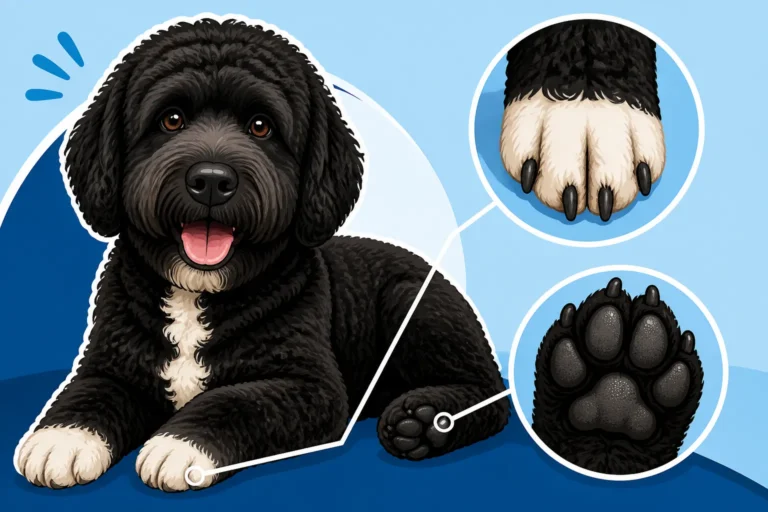
Your Portuguese Water Dog was bred to work on boats, fetching gear, herding fish, and swimming tirelessly in the ocean. This heritage means they are absolutely built for water, complete with webbed feet and a dense, single coat that protects them in cold conditions. But this very combination, while perfect for their original job, presents a unique challenge when it comes to modern dog equipment like harnesses.
Why Wetness Amplifies Rubbing Risks
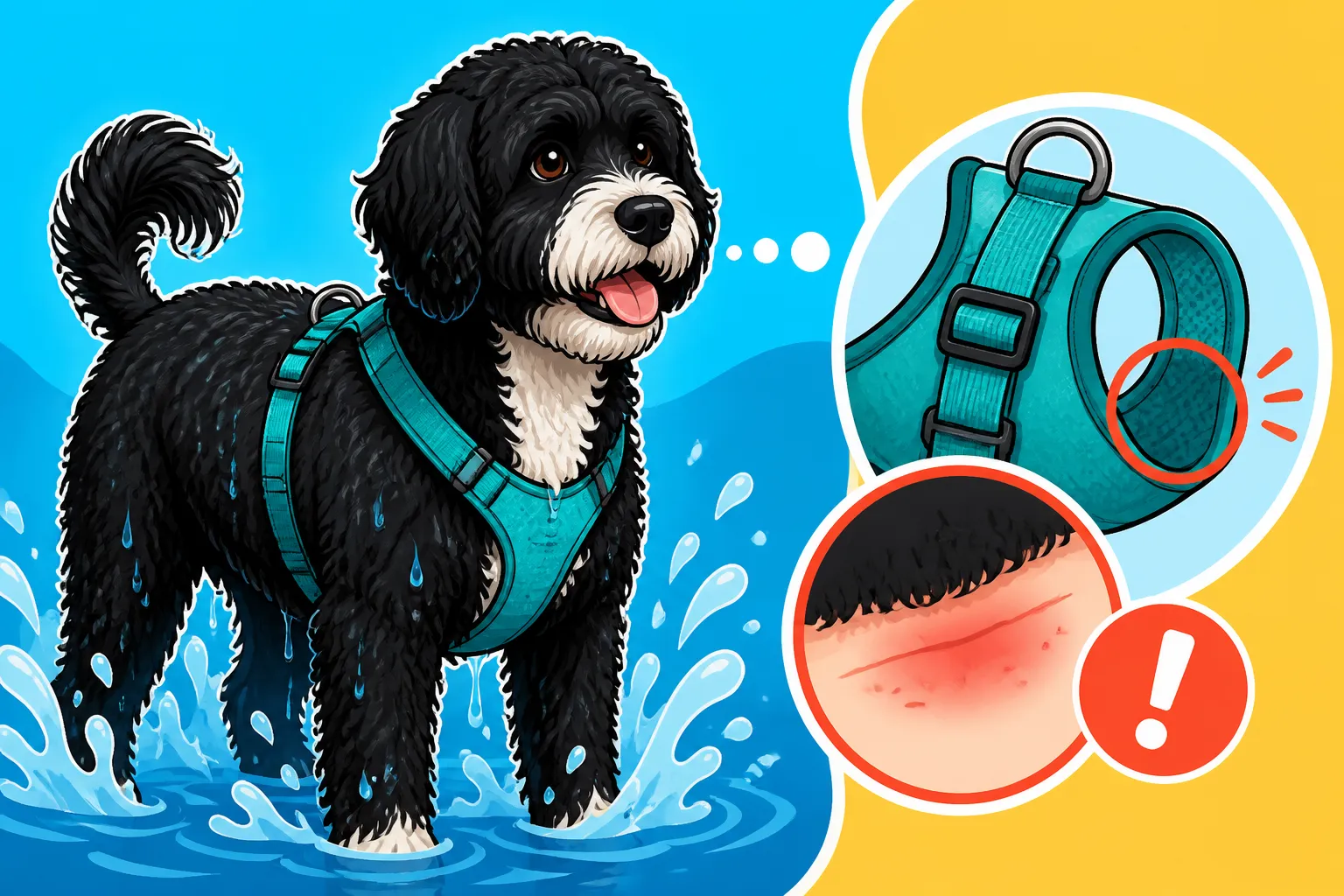
Think about what happens to your own skin when it's wet for an extended period – it softens, becomes more pliable, and is far more susceptible to friction. The same principle applies to your PWD's skin, but with an added layer: their incredible coat. While it’s designed to repel water and protect, constant saturation, especially combined with the pressure and movement of a harness, can trap moisture against the skin. This creates a breeding ground for irritation, hot spots, and painful chafing. The coat itself, particularly if it's curly, can also become matted or compressed under a harness when wet, leading to concentrated pressure points and reduced air circulation. It’s not just about the wetness itself, but how that wetness interacts with their specific coat type and their vigorous activity levels. A dog that loves to swim, like a PWD, will be in and out of the water, and if the harness isn't drying quickly or is rubbing with every movement, problems can arise surprisingly fast. How often a Portuguese Water Dog should swim is a lot, so this is a constant consideration.
The Portuguese Water Dog's Active Lifestyle and Harness Needs
Portuguese Water Dogs are not content with just a leisurely stroll around the block; they thrive on activity and mental stimulation. Their instinct to swim and retrieve is incredibly strong. This means their harnesses aren't just for walks; they're often used during hikes that might involve stream crossings, trips to the beach, or even dedicated water sports like dock diving or water trials. What a Portuguese Water Dog was bred to do on a boat illustrates their need for a durable, comfortable harness. A harness that performs well on dry land might become a liability when soaked. It can absorb water, become heavier, sag, or even lose its shape, leading to shifting and increased friction. Furthermore, their powerful build and chest require a harness that distributes pressure effectively without impeding their natural movement, especially when they're pulling hard after a floating toy or swimming against a current.
Selecting the Right Harness for Your Water-Loving PWD
Choosing the perfect harness isn't just about aesthetics or even basic fit. For a Portuguese Water Dog, it's about material, design, and how it handles repeated exposure to water. Making an informed choice here can save you a lot of heartache and vet bills down the line.
Harness Materials: What Works and What Doesn't
The material of your dog's harness is paramount when water is involved. Some materials are simply better equipped to handle repeated soaking, while others are a recipe for trouble.
- Neoprene and Quick-Dry Mesh: These are often the gold standard for water-friendly harnesses. Neoprene, the same material used in wetsuits, is soft, non-abrasive, and doesn't absorb much water, meaning it dries relatively quickly. Quick-dry mesh allows for excellent airflow, which is crucial for preventing moisture buildup against the skin. These materials are also less likely to chafe even when wet because of their smooth texture. You can find many options made with these materials on platforms like Chewy or Amazon, often specifically marketed for active or water dogs.
- Nylon Webbing: This is a common material for harnesses and can be acceptable if designed well. Look for smooth, flat nylon that is tightly woven and doesn't have rough edges. Wider straps are generally better as they distribute pressure more evenly. While nylon itself dries, the key is the design of the harness and how quickly it drains and ventilates. If nylon webbing becomes saturated and stays pressed against the skin without air, it can still cause rubbing, especially if combined with sand or debris.
- Padded or Fleece-Lined Harnesses: While fantastic for comfort on dry land, harnesses with thick padding or fleece linings can be problematic in wet conditions. They absorb and hold water for extended periods, creating a damp environment that encourages skin irritation and bacterial growth. They also take a long time to dry thoroughly, which can be an issue if your dog is swimming frequently. Save these for cooler, dry weather activities.
Harness Design: Finding the Right Fit and Structure
Beyond material, the actual design and fit of the harness are critical. A well-designed harness will minimize pressure points and allow for freedom of movement, both in and out of the water.
- Y-Front or H-Style Harnesses: These designs are generally preferred for active dogs because they distribute pressure across the chest and shoulders, avoiding the throat and neck. This is especially important for a dog that might pull while swimming or retrieving. A good Y-front harness ensures that the straps sit away from the sensitive armpit area, which is a common spot for chafing when wet. Ensure there's ample space behind the front legs to prevent rubbing there.
- Minimalist Designs: Sometimes, less is more. For dogs spending a lot of time in the water, a simple, well-fitting harness with minimal straps and hardware can be beneficial. Fewer straps mean fewer points of potential friction and faster drying. However, it's a balance; "minimalist" shouldn't mean "flimsy" or "poorly constructed." The harness still needs to be secure and durable enough for your PWD's strength and activity level.
- Adjustability: Your Portuguese Water Dog's dimensions might change slightly depending on whether their coat is clipped short or has grown out, or even with weight fluctuations. A highly adjustable harness allows you to fine-tune the fit, ensuring it's snug enough not to shift when wet but not so tight that it digs in. Always double-check the fit when your dog is wet, as materials can sometimes stretch or become looser.
Here's a quick comparison of popular harness materials for wet conditions:
| Material Type | Pros for Wet Conditions | Cons for Wet Conditions | Ideal Use Case |
|---|---|---|---|
| Neoprene | Water-resistant, quick-drying, soft, non-abrasive | Can be heavier, less breathable than mesh if very thick | Frequent swimming, vigorous water sports |
| Quick-Dry Mesh | Excellent airflow, lightweight, fast-drying, soft | May not be as durable as neoprene for heavy pulling | Regular swimming, hot weather, less abrasive activity |
| Nylon Webbing | Durable, widely available, varies in thickness | Can chafe if rough, absorbs some water, slower drying | Moderate water exposure, well-ventilated designs |
| Padded/Fleece | Comfortable for dry use | Absorbs and holds water, very slow drying, promotes irritation | Not recommended for frequent wet use |
Preventing and Managing Harness Rubs
Even with the best harness, vigilance and good care routines are essential to prevent rubbing and keep your Portuguese Water Dog comfortable. It's a proactive approach that saves a lot of discomfort.
Proper Fit is Non-Negotiable
This sounds obvious, but a harness that fits perfectly on a dry dog might not fit the same way once wet. The weight of the absorbed water can cause it to sag, or if it's too tight, wet materials can really dig into the skin. When trying on a harness, ensure you can comfortably slide two fingers under all straps. Pay particular attention to the areas behind the front legs and across the chest. These are prime spots for chafing. A harness that’s too loose will shift and rub, while one that’s too tight will create pressure points. Test the fit both before and after a swim. If you notice any slackening or tightening, adjust it immediately. Remember, your PWD's coat provides some cushioning, but it also means that a poorly fitting harness can pull or compress the coat uncomfortably. Whether a Portuguese Water Dog's harness rubs when wet often comes down to this crucial detail.
Diligent Drying Routines and Post-Swim Care
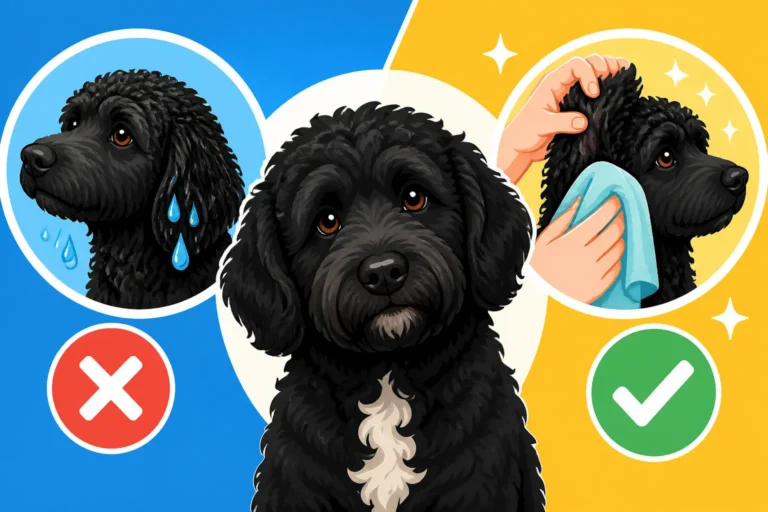
This is perhaps the single most important preventative measure. You cannot let your PWD air dry in a wet harness. The dampness trapped under the straps will almost guarantee skin issues.
- Remove Immediately: As soon as your PWD is out of the water and done with their activity, remove the harness. Don't wait until you get home if you're out and about.
- Thoroughly Dry Dog AND Harness: Use a force dryer (a godsend for PWD owners!) or absorbent towels to thoroughly dry your dog's coat, paying extra attention to where the harness sat. The goal is to get their skin and coat completely dry. Simultaneously, dry the harness completely. Hang it in a well-ventilated area, or even use a towel to blot it dry. Allowing the harness to air dry in a humid environment can lead to mildew and an unpleasant smell, in addition to being unavailable for the next adventure. This attention to detail is similar to how you’d prevent Why a Portuguese Water Dog's ear canal traps water from causing ear infections.
- Rinse After Salt or Chlorine Water: If your PWD has been swimming in the ocean or a chlorinated pool, rinse both your dog and their harness with fresh water before drying. Salt and chlorine can be irritating to the skin and damaging to harness materials over time.
Coat Care and Skin Protection
A healthy coat and skin are naturally more resilient to irritation.
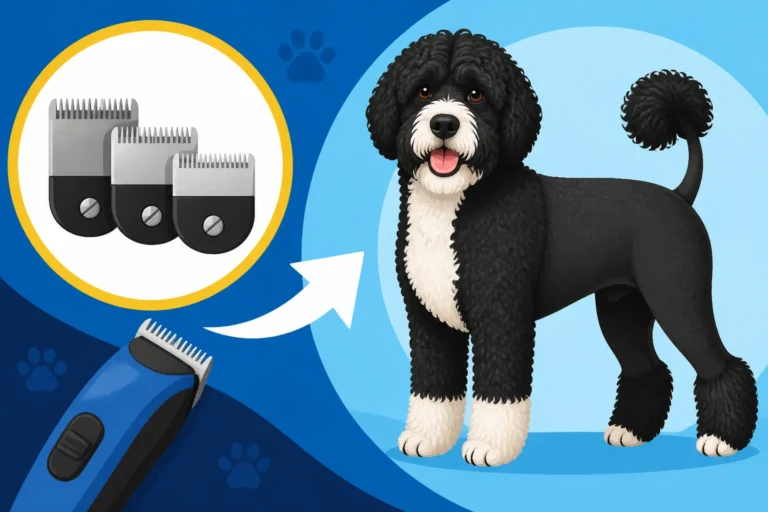
- Regular Grooming: Keeping your Portuguese Water Dog’s coat free of mats is crucial. Mats can trap moisture and debris, and a harness rubbing over a matted area is an express ticket to a skin infection. Regular brushing and professional grooming, perhaps every 4-6 weeks for a retriever clip, ensures the coat is in top condition. The Retriever Clip is the coat most Portuguese Water Dogs wear and it's easier to manage for active dogs.
- Protective Balms: For dogs highly prone to chafing, consider applying a thin layer of a pet-safe, non-toxic barrier balm or paw wax to the skin underneath where the harness straps sit, especially in the armpit area. This creates an extra layer of protection against friction and moisture. Be sure the balm is non-comedogenic (won't block pores).
- Rotation is Key: If your PWD is consistently active in water, owning a couple of harnesses and rotating them allows each one to fully dry between uses. This also gives your dog's skin a break from constant contact in the same spots.
Addressing and Treating Harness-Related Skin Irritation
Despite our best efforts, sometimes irritation still happens. Recognizing the signs early and knowing how to respond can prevent a minor issue from becoming a significant problem.
Identifying Signs of Rubbing and Irritation
Your Portuguese Water Dog can be stoic, so you need to be observant. After removing the harness, carefully examine their skin and coat, especially in the armpit areas, across the chest, and along the sides where the straps rested.
Look for:
- Redness or Inflammation: Any pinkness or angry red patches on the skin.
- Hair Loss or Thinning: Rubbing can cause the coat to thin or fall out in specific areas.
- Soreness to Touch: If your dog flinches, pulls away, or shows discomfort when you gently touch an area, it's a sign of pain.
- Dampness or Odor: Persistent dampness or an unusual, yeasty smell indicates a potential skin infection.
- Licking or Chewing: Your dog may repeatedly lick, chew, or scratch at the irritated area.
- "Hot Spots" (Acute Moist Dermatitis): These are rapidly developing, painful, oozing skin lesions that can appear overnight. They are often triggered by irritation that the dog then excessively licks and chews, exacerbating the problem.
If you spot any of these signs, particularly redness, hair loss, or a developing hot spot, it's time to take action.
Immediate Steps for Minor Irritation
For very minor redness without broken skin, you can try some gentle home care:
- Clean Gently: Wash the affected area with a mild, dog-safe antiseptic shampoo or an antimicrobial wipe. Pat dry thoroughly.
- Keep it Dry and Aerated: Do not put the harness back on. Allow the area to air out. Keep your dog from licking the area too much – an Elizabethan collar or a soft cone might be necessary for a short period.
- Topical Treatments: For superficial irritation, you might use a veterinarian-approved soothing balm or spray, often containing aloe vera or colloidal oatmeal, to help calm the skin. Products found at stores like Chewy or Amazon can be useful here, but always check with your vet first to ensure it's appropriate for your dog and won't cause further irritation.
When to Seek Veterinary Care
Any signs of broken skin, oozing, significant pain, or a rapidly spreading hot spot warrant an immediate trip to the vet. Skin infections can escalate quickly, especially in a dog prone to being wet.
Your veterinarian might:
- Prescribe Medication: This could include oral antibiotics or anti-inflammatories, medicated shampoos, or stronger topical creams to clear up infection and reduce inflammation.
- Clip the Area: Shaving the hair around a hot spot or irritated area allows air to circulate, helps the skin dry, and makes it easier to apply topical treatments. What a Portuguese Water Dog's yearly bloodwork should cover can also include checks for underlying issues that might make skin more sensitive.
- Recommend a Different Harness: They might advise on specific materials or designs that are known to be less irritating.
Preventing harness rub on your Portuguese Water Dog takes a bit of extra effort, but it's a vital part of responsible ownership for these incredible water dogs. By choosing the right gear, maintaining a strict drying routine, and being observant of your dog's skin, you can ensure they remain happy, healthy, and ready for their next aquatic adventure. Their love for the water is undeniable, and with the right care, their harness doesn't have to be a source of discomfort.
Disclaimer
This article is for general informational purposes only and does not constitute professional advice. Laws, prices and regulations vary by location and change over time. Consult a qualified professional for guidance on your specific situation.