Whether a Portuguese Water Dog Dived for Lost Gear
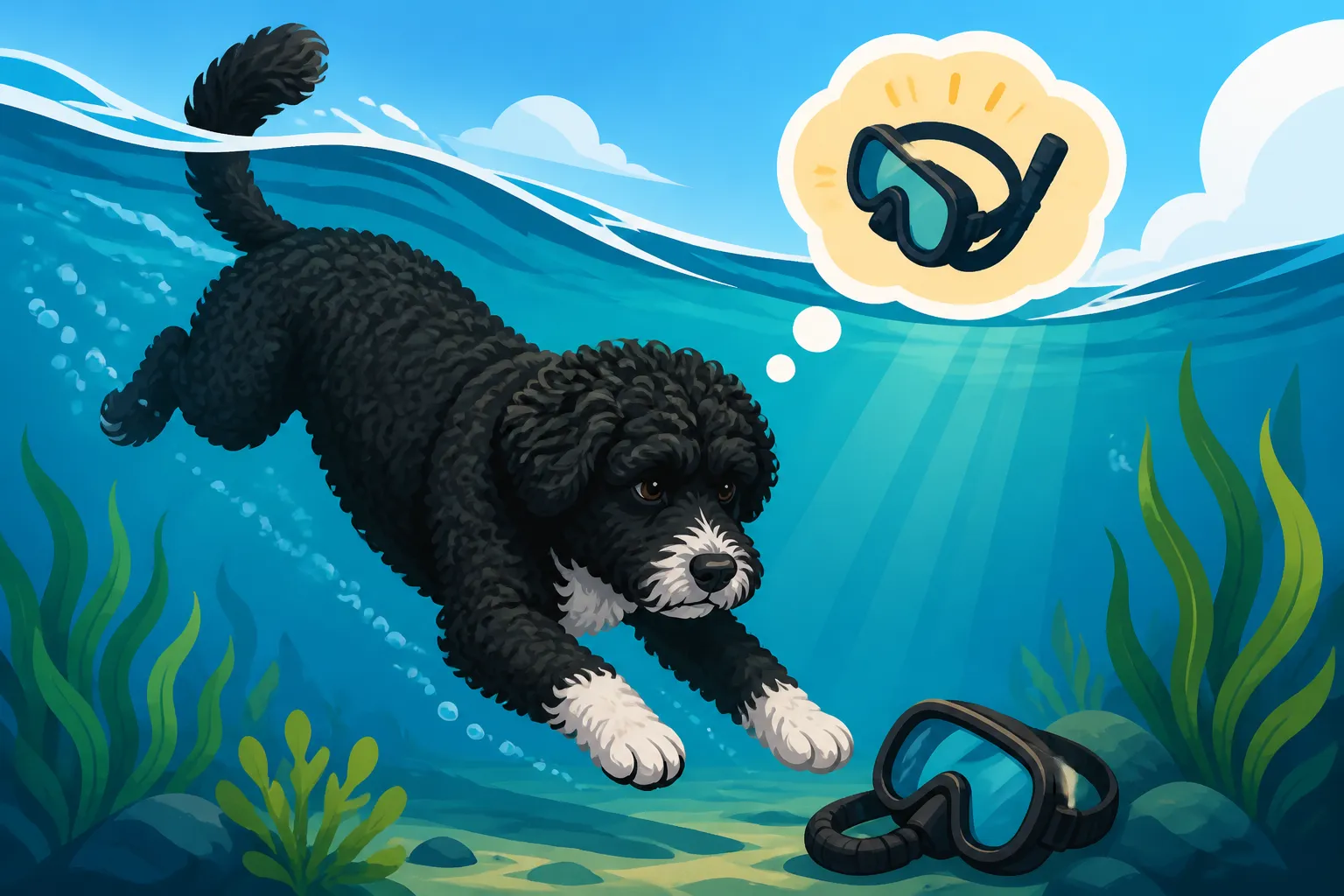
It’s a romantic image, isn't it? A Portuguese Water Dog, sleek and powerful, diving deep into the ocean's depths to salvage a lost fishing net or a valuable piece of tackle from the seabed. This picture often sparks curiosity among new and prospective owners, eager to understand the full extent of their incredible heritage. While these dogs are unequivocally masters of the water, their historical role, while vital, might not involve the dramatic deep-sea treasure hunts we sometimes envision. This guide will clarify the historical context of the Portuguese Water Dog's work and delve into whether "diving for lost gear" was truly part of their daily life on the rough seas of Portugal.
The Portuguese Water Dog's True Maritime Role
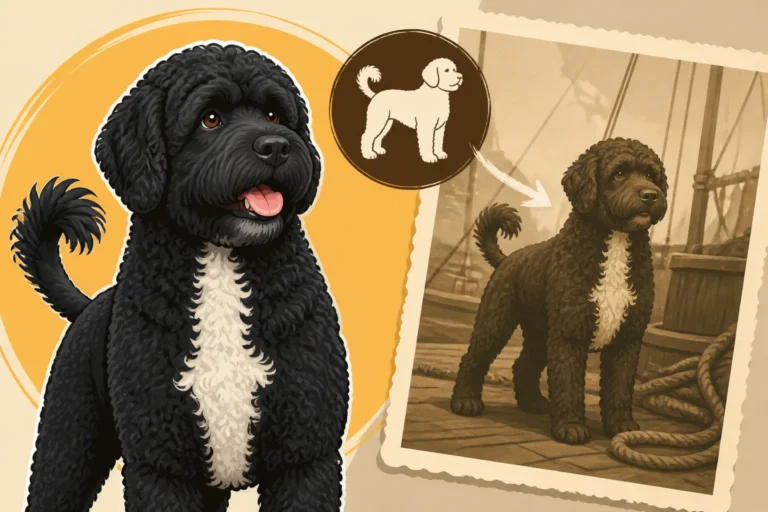
The Portuguese Water Dog, or Cão de Água Português, was indeed a working dog, an invaluable member of the fishing crews along the coasts of Portugal. Their intelligence, strength, and remarkable swimming ability made them indispensable companions to fishermen for centuries. However, their primary tasks were highly practical and focused on aiding the crew in more immediate ways, rather than undertaking deep, protracted dives for recovery.
Not Just a Pretty Face: The Demands of the Fishing Fleet
Life on a fishing boat was tough, dangerous, and required every member, canine included, to pull their weight. The Portuguese Water Dog wasn't a mascot; they were essential crew. Imagine the constant movement of a small vessel on open water, the chill of the Atlantic, and the urgency of hauling in nets filled with a day's catch. In this environment, a dog needed to be agile, resilient, and utterly dedicated to its human companions. Their roles were critical for operational efficiency and safety, often performed at or near the surface, where quick action was key. They were expected to be alert, responsive, and capable of enduring long hours in challenging conditions. The types of "gear" most frequently "lost" or needing management were typically closer to the surface or within the immediate reach of the boat, making quick retrievals more feasible and necessary.
Herding Fish and Carrying Messages: Core Tasks
While the image of a diving dog is captivating, the historical records and breeder accounts point to more common, yet equally impressive, duties. One of their most famous roles was as a "fish herder." These intelligent dogs would plunge into the water and use their presence and movements to drive fish into nets, a testament to their swimming prowess and herding instincts. This wasn't about diving deep but about strategic movement and control at the water's surface. Think of them as living, breathing extensions of the fishing net itself, ensuring the catch didn't escape. Additionally, these dogs were crucial for communication between boats. In a time before reliable radio technology, a Portuguese Water Dog could swim from one fishing vessel to another, carrying messages or even small parcels. This task required stamina, excellent navigation skills, and a strong bond with their handlers. You can learn more about how they performed these incredible feats in articles like How a Portuguese Water Dog Drove Fish Into a Net and Whether a Portuguese Water Dog Carried Messages Between Boats. These were practical, surface-level jobs that truly utilized their aquatic abilities and intelligence.
Understanding "Lost Gear" from a Historical Perspective
When we talk about "lost gear" in the context of a working Portuguese Water Dog, it's important to differentiate between the occasional dropped item and substantial sunken equipment. The reality of a working boat means anything from a loose rope to a dropped gaff could be considered "lost," but the depth and weight of such items significantly dictated whether a dog could realistically retrieve them.
What Constituted "Lost Gear" on a Fishing Boat?
On a busy fishing boat, things invariably go overboard. A dropped fish, a piece of rope, a wooden buoy, a gaff, or even a hat could fall into the water. These items, usually lightweight and floating or suspended just below the surface, were prime candidates for a quick retrieval by a Portuguese Water Dog. Their keen eyes and powerful swimming strokes allowed them to swiftly locate and bring these items back to the boat. This wasn't about deep-sea salvage; it was about preventing minor losses and maintaining efficiency. Losing something like a heavy anchor or a fully laden net, however, was a different story entirely. Such items would sink rapidly, often to depths far beyond a dog's capabilities, requiring specialized human effort or equipment to recover. The dogs were there for the immediate, recoverable losses that threatened to disrupt the day's work, not for deep-water recovery operations.
The Limits of Canine Diving Capability
While Portuguese Water Dogs are phenomenal swimmers, and yes, they can dive, their diving capabilities are naturally limited. Most dogs, including the PWD, are not built for deep, sustained dives that would be required to recover heavy gear from significant ocean depths. They might make short, shallow dives, perhaps a few feet under the surface, to grab a toy or an accessible object. However, holding their breath for extended periods, enduring pressure changes, and maneuvering heavy objects in deep water are tasks beyond their physical design. Their lungs are not adapted for deep dives like those of marine mammals such as seals or dolphins. They are designed for efficient movement on and just below the water's surface, perfect for the quick, opportunistic retrievals of floating or semi-submerged items that were a daily occurrence on fishing boats. So, while they might perform a shallow dive for a dropped fish, the idea of them retrieving a several-hundred-pound net from the seafloor is purely a myth. For truly "lost" and deeply sunken gear, a human diver or specialized recovery equipment would have been necessary.
Physical Adaptations for Water Work, Not Deep Diving
The Portuguese Water Dog's unique physical characteristics are a marvel of natural selection and selective breeding, all tailored for a life of working in and around water. However, these adaptations speak more to surface swimming, agility, and endurance in cold water, rather than deep-sea exploration.
Webbed Feet and Rudder Tail: Built for Surface Agility
Take a look at a Portuguese Water Dog's paws, and you'll immediately notice their distinctive webbing between the toes. This isn't just a cute quirk; it's a powerful adaptation, essentially turning their paws into efficient paddles. This webbing dramatically increases their propulsion through water, allowing them to swim with incredible speed and agility on the surface. They can change direction quickly, retrieve objects with ease, and navigate choppy waters with confidence. This feature is paramount for herding fish, quickly reaching a dropped item, or swimming between boats. For more on this remarkable feature, check out Why a Portuguese Water Dog Has Webbed Feet.
Similarly, their strong, thick tail acts like a powerful rudder, enabling them to steer and balance effectively in the water. This is crucial for precise movements required when working with nets or maneuvering around boats. Their tail is often described as a "propeller" or "rudder," reflecting its active role in their aquatic maneuvers. A deep dive, requiring stability at depth, would benefit less from this surface-focused propulsion system. You can explore this more deeply in Why a Portuguese Water Dog's Tail Works as a Rudder. Their bodies are built for performance on the water's surface, making them supreme water dogs in their original context.
The Insulating Coat and Endurance for Cold Water
The Portuguese Water Dog's unique single coat, whether curly or wavy, is another testament to their aquatic heritage. This dense, non-shedding, waterproof coat acts like a natural wetsuit, providing excellent insulation against the frigid Atlantic waters. This was absolutely essential for dogs spending hours, sometimes entire shifts, in and out of the cold ocean. The coat's ability to shed water efficiently also prevented them from becoming waterlogged, which would hinder their agility and endurance.
While this coat is superb for temperature regulation in cold water, it doesn't aid in deep diving. In fact, its buoyancy might even make deep dives more challenging. The focus of their coat's design is clearly on prolonged exposure to cold water and quick drying once on land or boat, allowing them to maintain their body temperature and continue working. This incredible insulation meant they could tolerate conditions that would quickly incapacitate other breeds. Understanding How Long a Portuguese Water Dog Can Stay in Cold Water gives you a deeper appreciation for this crucial adaptation, which allowed them to perform their jobs without succumbing to hypothermia, but again, doesn't suggest deep-diving capabilities. Their entire physical makeup points to a dog designed for surface work and resilience in aquatic environments.
Modern Activities Echoing Ancestral Instincts
Even though the traditional fishing boat jobs are largely a thing of the past, the Portuguese Water Dog's innate drive for water work and retrieval remains incredibly strong. Modern dog sports and training exercises are fantastic ways to tap into these ancient instincts, offering mental and physical stimulation that directly reflects their historical duties.
Water Trials and Dock Diving: Controlled Retrieval
Today, Portuguese Water Dog enthusiasts can engage their dogs in structured activities that beautifully mimic their ancestors' work. Water trials, often sanctioned by breed clubs, involve a series of exercises designed to test a dog's natural aquatic abilities, retrieve instincts, and obedience in a water environment. These might include retrieving buoys, swimming out to a boat, or even acting out scenarios like retrieving a "lost" item from the surface. These are carefully controlled events, often taking place in lakes or calmer bodies of water, and while they involve retrieval, the items are typically floating or easily accessible, echoing the actual types of "lost gear" their ancestors might have recovered. To get a sense of what's involved, you might read about What a Water Trial Asks of a Portuguese Water Dog.
Dock diving is another incredibly popular sport where PWDs excel. Here, dogs leap from a dock into a pool of water, often retrieving a toy thrown by their handler. This sport showcases their explosive power, agility, and love for the water. While it's a fun and competitive sport, it's also a controlled environment, and the retrieves are always of floating objects. Both these activities channel the Portuguese Water Dog's heritage, proving that while they may not be diving for sunken treasure, their retrieving instincts are very much alive. Discover more about this exciting sport in What Dock Diving Asks of a Portuguese Water Dog.
Training for Object Retrieval: Simulating "Lost Gear"
For the average Portuguese Water Dog owner, training for object retrieval is a wonderful way to bond with their dog and provide stimulating exercise. This involves teaching them to retrieve various items, from floating toys to tennis balls, both on land and in water. This is where the concept of "lost gear" truly comes into play for modern PWDs. Throwing a favorite water toy into a lake or pool and having your dog retrieve it is a direct simulation of their historical work. It engages their powerful prey drive and their natural inclination to bring things back to their human.
When training for retrieval, consistency and positive reinforcement are key. Many owners find success with buoyant toys and dummy retrieving tools that are easy for the dog to see and grip in the water. High-quality, durable toys can be found at pet supply retailers like Chewy, which offers a wide selection perfect for water-loving breeds. Training sessions can be structured to gradually increase difficulty, perhaps throwing items further out or introducing new textures. This not only satisfies their breed-specific drives but also builds confidence and strengthens their connection with you. The drive to retrieve is deeply ingrained, and they truly love having a job to do. Learning Whether a Portuguese Water Dog Still Retrieves confirms that this instinct is very much intact and ready to be nurtured through play and training. For an active dog, these training sessions are not just fun; they're essential for their well-being.
| Historical Task | Description | Modern Adaptation | Key Similarity | Depth of Retrieval (Historical) |
|---|---|---|---|---|
| Herding Fish | Driving fish into nets from the surface. | Herding trials, even just playful "herding" in a pond. | Using body movement to direct objects/animals. | Surface |
| Carrying Messages | Swimming between boats with small notes or items. | Retrieving specific items on command from a distance. | Purposeful retrieval over distance. | Surface |
| Retrieving Lost Gear | Recovering floating or easily accessible items dropped overboard. | Dock diving for toys, water trials with specific retrieves. | Bringing objects back to handler from water. | Surface to very shallow |
| Guarding the Boat/Catch | Protecting the vessel and haul while the crew was ashore or busy. | Watchdog tendencies, general alertness, protecting family. | Instinct to protect and be vigilant. | N/A |
The Legacy of the Portuguese Water Dog's Work Ethic
The question of whether a Portuguese Water Dog dived for lost gear boils down to understanding the practicalities of their historical role. While dramatic, deep-sea diving for heavy, sunken equipment wasn't their job, they were undoubtedly masterful at retrieving lighter items from the surface or just beneath it. Their entire anatomy and temperament are geared towards efficient, enduring work in the water.
This historical context profoundly influences the breed today. Modern Portuguese Water Dogs retain that intense drive to work, retrieve, and engage with water. Without a job, they can become bored and destructive. This is why it's so important for owners to provide ample opportunities for physical and mental stimulation, especially involving water. Whether it's formal water trials, dock diving, or simply playing fetch at the lake with a durable, floating toy from Chewy, channeling these instincts is crucial for a happy, well-adjusted PWD. Understanding their heritage allows us to appreciate their capabilities and give them the fulfilling lives they were bred for. Their dedication, intelligence, and love for water continue to make them extraordinary companions, even if their "lost gear" now mostly consists of squeaky balls and rubber dummies rather than fishing tackle. To help your PWD thrive, consider their need for active engagement, which is truly a reflection of their incredible history.
Disclaimer
This article is for general informational purposes only and does not constitute professional advice. Laws, prices and regulations vary by location and change over time. Consult a qualified professional for guidance on your specific situation.