Whether a Portuguese Water Dog Mix Lives Longer
Many dog lovers dream of spending as many years as possible with their beloved canine companions, and it's a completely natural hope. When you're considering a Portuguese Water Dog, or any breed for that matter, the idea that a mix might somehow magically grant them a longer, healthier life is a very appealing one. This guide will dive deep into whether a Portuguese Water Dog mix actually lives longer, exploring the science, the common misconceptions, and the real-world factors that genuinely contribute to a dog's longevity.
The Appeal of a Mixed Breed for Longevity
It's a common belief that mixed-breed dogs are inherently healthier and live longer than their purebred counterparts. This idea often stems from observing purebreds with well-known genetic predispositions, leading people to think that "mixing" dilutes these issues. While there's a kernel of truth in the underlying scientific principle, it's far from a guarantee.
Understanding Hybrid Vigor
The scientific concept often attributed to the perceived health benefits of mixed breeds is called hybrid vigor, or heterosis. In simple terms, hybrid vigor suggests that when two genetically distinct individuals breed, their offspring may display improved health, fertility, and growth compared to either parent. This happens because mixing genes from two different lines can reduce the likelihood of inheriting two copies of a harmful recessive gene. If a purebred line has a specific genetic disease, breeding within that line increases the chances of offspring inheriting two copies of the faulty gene, thus expressing the disease.
For example, if a particular genetic disorder is carried by 10% of purebred Portuguese Water Dogs, and a breeder consistently breeds within a small pool of carriers, the chances of producing affected puppies are higher. However, if you breed a Portuguese Water Dog with a different breed that doesn't carry that specific gene, the offspring would only inherit one copy at most, making them a carrier but typically not affected by the disease. This broadening of the gene pool is the theoretical basis for why a mixed breed might be healthier in some respects.
The Purebred Portuguese Water Dog Lifespan
Before we talk about mixes, let's anchor ourselves in reality with the purebred Portuguese Water Dog. These magnificent, energetic dogs are generally considered a healthy breed, but like all purebreds, they do have certain predispositions. On average, you can expect a purebred Portuguese Water Dog to live between How Long a Portuguese Water Dog Lives on Average to The Twelve to Fifteen Years a Portuguese Water Dog Gets. This is a respectable lifespan for a medium-to-large breed.
However, PWDs are known to be susceptible to a few specific inherited health conditions. We're talking about serious issues like Juvenile Dilated Cardiomyopathy Kills a Portuguese Water Dog Puppy Fast, a heartbreaking condition that can take puppies suddenly. There's also GM1 Gangliosidosis and the Portuguese Water Dog Puppy That Never Reaches Six Months, a neurological storage disease. Eye conditions, specifically Two Kinds of Retinal Atrophy in a Portuguese Water Dog, can lead to blindness. And let's not forget endocrine disorders such as Addisons Disease Is Common in Portuguese Water Dogs, which requires lifelong management. Like many active, larger breeds, they can also be prone to Hips and Joints in a Portuguese Water Dog issues such as hip and elbow dysplasia. These are the kinds of conditions that a responsible breeder screens for, trying to breed them out of the lines.
Factors Influencing Longevity in Mixed Breeds
While the concept of hybrid vigor sounds promising on paper, applying it directly to a mixed-breed dog's lifespan isn't always straightforward. Many factors come into play, and simply being a "mix" doesn't automatically equate to a longer life.
The Genetics of Both Parent Breeds
This is where the idea of hybrid vigor gets a bit more complex. A mixed-breed dog isn't a blank slate; it inherits a combination of genes from both parents. If one parent is a Portuguese Water Dog and the other is, say, a Labrador Retriever, your mixed puppy will inherit genetic predispositions from both PWD lines and Labrador lines. If both parent breeds are prone to hip dysplasia, for example, a mix might still be just as likely, if not more, to develop it. The "vigor" only truly works if the parent breeds have genuinely diverse genetic strengths that complement each other, rather than accumulating common weaknesses.
The type of mix matters immensely. A Portuguese Water Dog mixed with a breed that itself has a shorter average lifespan or a host of severe health problems might not see any longevity boost. For instance, a PWD mixed with a breed known for high rates of cancer might inherit that predisposition, regardless of the PWD's generally good health. This is why understanding the health history of both parent breeds, and ensuring both parents have undergone comprehensive health testing, is just as crucial for a mixed-breed puppy as it is for a purebred. A reputable breeder, whether for purebreds or deliberate mixes, should be transparent about these screenings. For any PWD, purebred or mix, knowing What a Portuguese Water Dog Breeder Should Have Tested is vital.
The Role of Environment and Care
Beyond genetics, the day-to-day care and environment a dog experiences are profoundly influential on their lifespan. A dog with excellent genetics but poor nutrition, inadequate exercise, or infrequent veterinary care is unlikely to reach its full potential lifespan. Conversely, a dog with some genetic predispositions can often live a long, full life with diligent care and early intervention.
- Nutrition: A balanced, high-quality diet appropriate for their age, activity level, and size is fundamental. Overfeeding can lead to obesity, which exacerbates joint problems, increases the risk of diabetes, and generally shortens a dog's life.
- Exercise: Portuguese Water Dogs are naturally high-energy dogs that need a lot of physical and mental stimulation. Whether purebred or mixed, an under-exercised PWD can develop behavioral issues and physical problems. Regular, appropriate exercise helps maintain a healthy weight, strengthens muscles and joints, and keeps their minds sharp.
- Veterinary Care: Routine check-ups, vaccinations, parasite control, and prompt attention to any health concerns are non-negotiable. Regular screenings, especially as dogs age, can catch issues early when they are more treatable. This is where having pet insurance, like a plan from Healthy Paws, can be an absolute lifesaver. It allows owners to make decisions based on what's best for their dog's health, rather than being constrained by cost, covering unexpected illnesses and accidents that can dramatically impact a dog's quality and length of life. A policy from Healthy Paws can help ensure your mixed-breed companion gets the best care throughout their life. Read more about What Insurance Covers on a Portuguese Water Dog.
- Mental Stimulation: PWDs are intelligent and need to use their brains. Puzzle toys, training, and engaging activities keep them mentally healthy, reducing stress and boredom that can manifest in destructive behaviors or even impact their physical well-being.
Ultimately, a dog's lifespan is a complex interplay of genetic inheritance and environmental factors. You could have a mixed-breed dog with theoretically superior hybrid vigor, but if it lives a sedentary life on an unhealthy diet, its longevity will likely be compromised.
The Challenges of Predicting Mixed Breed Lifespan
One of the biggest hurdles in definitively stating whether a Portuguese Water Dog mix lives longer is the sheer unpredictability. With purebreds, we have decades of breed-specific health data, pedigrees, and health registries that allow us to track genetic predispositions and average lifespans quite accurately. We know, for example, that a purebred PWD has an average lifespan of 12-15 years.
With a mixed breed, especially if it's an accidental mix or a designer mix without rigorous breeding standards, this data simply doesn't exist. There's no comprehensive registry tracking the health and longevity of "Portuguese Water Dog/Labrador mixes" or "Portuguese Water Dog/Poodle mixes" across a large population. You're left with anecdotal evidence and generalized assumptions about hybrid vigor, which may or may not apply to your specific dog.
The genetic lottery in a mixed breed means your dog could inherit the best traits from both parents, or a random combination that includes predispositions from both. Without knowing the full health history and genetic makeup of both parent dogs, it's a roll of the dice. This lack of predictability makes it difficult to give a definitive "yes" or "no" to the question of whether a PWD mix will live longer.
Specific Health Considerations for Portuguese Water Dog Mixes
When bringing a Portuguese Water Dog mix into your home, you're embracing a delightful blend of characteristics, but also a blend of potential health considerations. It’s important to be proactive and informed, rather than just hoping for the best.
Inherited Conditions from the PWD Side
Even if your dog is a mix, it still carries half of its genetic material from its Portuguese Water Dog parent. This means that a PWD mix can still be a carrier for, or even be affected by, the genetic diseases prevalent in the purebred PWD population. If the PWD parent was a carrier for conditions like GM1, JDCM, or PRA, there's a 50% chance each of its offspring will inherit that carrier status. If the other parent in the mix also happened to be a carrier for the same gene (less likely but not impossible), or if the PWD parent was affected by a dominant condition or an autosomal recessive condition where the other parent was also a carrier, then the mix could indeed develop the disease.
Consider these key PWD health concerns:
- Juvenile Dilated Cardiomyopathy (JDCM): This is a devastating heart condition that causes sudden death in puppies, usually before six months of age. While there's a DNA test for JDCM, a mix could still be affected if the PWD parent was a carrier and the other parent either carried the same gene (if it existed in that breed) or if the PWD parent was affected and passed it on. Knowing Whether an Echocardiogram Finds JDCM Early in a purebred PWD highlights the severity and elusive nature of this condition even in screened lines.
- GM1 Gangliosidosis: A severe neurological disorder that can cause progressive loss of coordination and other symptoms, leading to death by six months. Again, DNA testing in the PWD parent is crucial to ensure they aren't carriers.
- Progressive Retinal Atrophy (PRA): PWDs are susceptible to two forms of PRA, prcd-PRA and EOPRA (Early Onset PRA), both of which lead to blindness. A mix could inherit the genes for these, potentially going blind later in life.
- Addison's Disease: As mentioned, this is an adrenal gland disorder that can be life-threatening if not managed. While not typically identified by a DNA test, it's a known PWD predisposition. A mixed-breed dog inheriting PWD genetics could still be at risk.
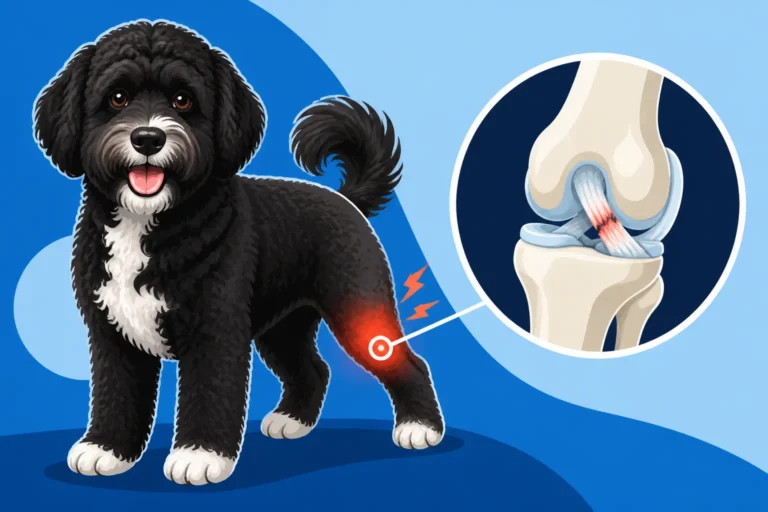
- Hip and Elbow Dysplasia: These joint conditions are common in many larger dog breeds, including PWDs. If the PWD parent has poor hip or elbow scores, or if the other parent breed is also prone to dysplasia, the mix has an elevated risk.
This is precisely why, even with a mixed breed, you want to ask about the health clearances of the PWD parent, and ideally, the other parent as well. Don't assume that "mix" automatically means a clean bill of health. A responsible source for a PWD mix puppy will have done their due diligence. If you don't know the parents' health status, then having pet insurance from a provider like Healthy Paws can be exceptionally valuable. It can help cushion the financial blow if your dog develops one of these unforeseen hereditary conditions, ensuring you can afford the necessary treatments and medications. Healthy Paws provides peace of mind for unexpected veterinary bills, which can add up quickly, especially for chronic conditions.
Considerations from the Other Parent Breed
Now, let's consider the other side of the genetic coin. If your Portuguese Water Dog is mixed with a Poodle to create a "Portidoodle" or a "Portiepoo," for example, then your dog will also inherit genetic predispositions from the Poodle. Poodles, while generally healthy, have their own list of potential issues, including Addison's disease (which PWDs also have a predisposition for!), sebaceous adenitis, and hip dysplasia.
If the PWD is mixed with a different breed entirely, like a Golden Retriever, then the mix could inherit risks for conditions common in Goldens, such as various cancers, hip and elbow dysplasia, and certain heart conditions. The sheer variety of potential health challenges introduced by the "other" parent breed adds another layer of complexity.
Therefore, when evaluating a Portuguese Water Dog mix, it’s not enough to simply assume that hybrid vigor will magically protect them. You need to consider the full genetic picture from both sides. Without that information, it's impossible to make an educated guess about their potential for a longer, healthier life based solely on their mixed-breed status. Focusing on Whether the Portuguese Water Dog Is a Healthy Breed overall is a good starting point, but always factor in the other half of the equation.
Conclusion: Is a Mix Always Longer-Lived?
The desire for a dog that lives a long, healthy life is universal, and the idea that a Portuguese Water Dog mix might automatically grant that extra longevity is a powerful draw. However, the reality is more nuanced than a simple "yes" or "no."
While the scientific principle of hybrid vigor (heterosis) suggests that mixing genetically diverse individuals can lead to improved health and vigor by reducing the incidence of recessive genetic diseases, it's not a magical shield. A Portuguese Water Dog mix is not guaranteed to live longer or be healthier than a well-bred purebred PWD.
The factors that truly determine a dog's lifespan are a combination of responsible breeding practices (including comprehensive health testing of both parents, even in a mix), excellent daily care, proper nutrition, ample exercise, and consistent veterinary attention. A mixed-breed dog from unknown parentage, with no health clearances, could be just as susceptible to inherited conditions as a poorly bred purebred, or even more so if it inherits predispositions from both sides.
Instead of focusing solely on the "mix" label as a longevity strategy, it's far more effective to focus on finding a puppy from parents with proven health clearances, regardless of whether they are purebred or a carefully planned mix. Beyond genetics, investing in a high-quality diet, regular physical and mental exercise (crucial for an active breed like the PWD or its mixes), and consistent preventive veterinary care will have the most significant impact on your dog's health and lifespan. And don't forget the added security of pet insurance from a trusted provider like Healthy Paws, which can help ensure your furry friend receives the best possible medical attention throughout their years. Ultimately, love, care, and responsible ownership are the real keys to a long and happy life for any dog.
Comparative Lifespan and Health Predictability
To help you visualize the differences and complexities discussed, here's a table comparing purebred Portuguese Water Dogs with mixes:
| Feature | Purebred Portuguese Water Dog (Well-Bred) | Portuguese Water Dog Mix (e.g., "Portidoodle") |
|---|---|---|
| Average Lifespan | 12-15 years, fairly predictable | Highly variable, can be longer, shorter, or same as purebred PWD, depending on other parent breed and genetic luck |
| Genetic Health Risks | Well-documented; specific known predispositions (JDCM, GM1, PRA, Addison's, Hip/Elbow Dysplasia) | Inherits risks from PWD side AND other parent breed; hybrid vigor may reduce risk for some conditions, but not all |
| Predictability of Health | High, with proper health testing of parents and good breeder practices | Low, without known health clearances for both parents; "hybrid vigor" is not a guarantee |
| Health Testing | Extensive DNA testing (JDCM, GM1, PRA), OFA/PennHIP for hips/elbows, yearly eye exams, Addison's screening often recommended | Crucial for both parent breeds, but often overlooked in accidental or less reputable mixes |
| Breeder Accountability | Generally high among reputable breeders who follow breed club guidelines | Varies widely; finding a reputable breeder for a mixed breed can be harder, as standards may not exist |
| Impact of Environment/Care | Significant; good care can extend life, poor care can shorten it | Highly significant; good care is paramount to maximize potential lifespan |
Disclaimer
This article is intended for informational purposes only and does not constitute veterinary advice. Always consult with a qualified veterinarian for any health concerns or before making any decisions about your dog's care.