Autoimmune Disease in a Portuguese Water Dog
It's incredibly distressing when your lively Portuguese Water Dog, who usually bounces with energy, starts showing subtle, unsettling changes. Maybe it's a sudden bout of lethargy, an unexplained limp that comes and goes, or persistent digestive upset that just won't clear up. These vague symptoms can be incredibly frustrating and frankly, terrifying, leaving you wondering what on earth is happening to your beloved companion. This comprehensive guide is here to demystify autoimmune diseases in Portuguese Water Dogs, helping you understand what they are, recognize their signs, and navigate the path to diagnosis and management.
Understanding Autoimmune Disease in Portuguese Water Dogs
When we talk about autoimmune disease, it sounds complex, but at its heart, it's a profound miscommunication within your dog's own body. For us PWD owners, understanding this concept is the first step in advocating for our dogs.
What Autoimmunity Means for Your Dog
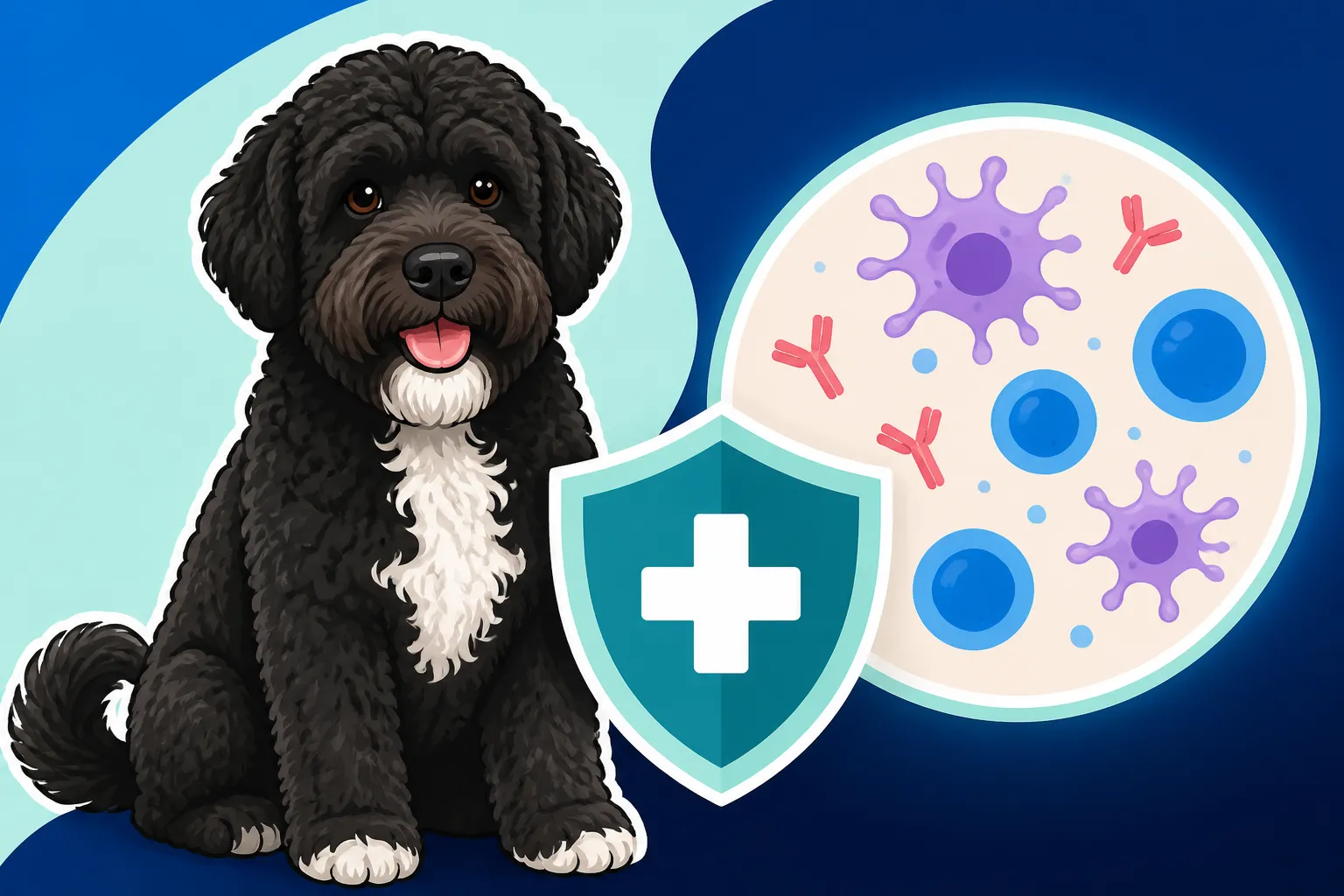
Imagine your dog's immune system as its personal security force, a highly sophisticated network of cells and proteins constantly on patrol, diligently scanning for threats like bacteria, viruses, and other invaders. Its job is to identify "self" from "non-self" and mount a defense against anything foreign or harmful. It's an incredible, life-saving mechanism that keeps them healthy and resilient against the myriad of pathogens they encounter daily, whether from a sniff in the park or a splash in the lake.
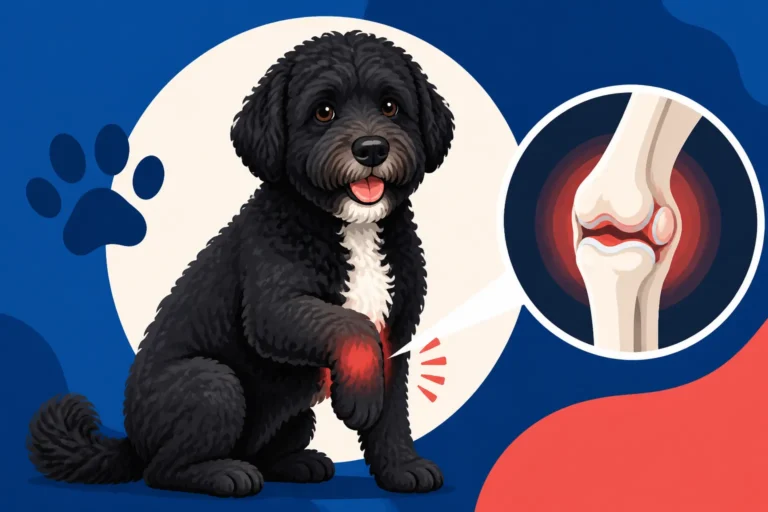
However, in an autoimmune disease, this vigilant security system goes haywire. For reasons that aren't always clear, the immune system mistakenly identifies some of your dog's own healthy cells, tissues, or organs as foreign invaders. Instead of protecting these vital parts of the body, it launches an attack. Think of it like friendly fire in a complex system – the defense mechanism, designed to protect, inadvertently turns on its own host. This attack can lead to inflammation, damage, and impaired function in the affected tissues, manifesting as a variety of symptoms depending on which part of the body is targeted. It's crucial to understand that this isn't an infection that your dog caught; it's an internal malfunction of the immune response itself.
Why PWDs are Prone to Autoimmune Issues
The unfortunate truth is that some breeds, including our beloved Portuguese Water Dogs, appear to have a higher genetic predisposition to developing certain autoimmune conditions. It’s not a simple one-gene switch, but rather often a complex interplay of multiple genes, sometimes combined with environmental triggers, that sets the stage for these diseases to emerge. While dedicated breeders meticulously screen for known genetic conditions like JDCM or GM1, autoimmune diseases often don't have a single, easily identifiable "carrier" gene test, making them much harder to predict and breed out of a line.
This genetic susceptibility might stem from the breed's history, where, like many purebreds, the gene pool became relatively restricted at various points in time. How Narrow the Portuguese Water Dog Gene Pool Is is a topic that explores how this can influence the prevalence of certain conditions. When a breed's genetic diversity is limited, genes that confer a predisposition to autoimmune disorders can become more concentrated within the population. Environmental factors can also play a role, acting as potential "triggers" that can ignite the autoimmune process in a genetically susceptible dog. These triggers might include stress, certain infections, medications, or even some vaccines, though the exact links are still an area of ongoing research. It’s a frustrating reality for PWD owners and breeders alike, as it means vigilance and early recognition are paramount.
Common Autoimmune Conditions Seen in Portuguese Water Dogs
While any dog can potentially develop an autoimmune disease, Portuguese Water Dogs do seem to be more commonly affected by a few specific conditions. Knowing what to look for can make all the difference.
Addison's Disease: The Great Pretender
One of the most frequently discussed autoimmune conditions in the Portuguese Water Dog community is Addison's Disease, also known as hypoadrenocorticism. This condition is often called "the great pretender" because its symptoms are notoriously vague and can mimic many other illnesses, making it a real headache for owners and vets to diagnose. In Addison's Disease, your dog's immune system mistakenly attacks and destroys the adrenal glands, which are small but mighty glands located near the kidneys. These glands are responsible for producing vital hormones, particularly cortisol (a stress hormone) and aldosterone (which regulates electrolytes like sodium and potassium).
When these glands are damaged, they can't produce enough of these hormones. The symptoms that follow are often intermittent and non-specific: your dog might be lethargic one day and fine the next, experience bouts of vomiting or diarrhea, have a reduced appetite, shiver or shake, or simply seem "off." It can be incredibly frustrating to try and pinpoint what's wrong when the signs fluctuate so much. You might think it's just a sensitive stomach, or maybe they ate something they shouldn't have. This is why Addisons Disease Is Common in Portuguese Water Dogs is such an important topic to understand. The real danger comes with an Addisonian crisis, a severe, life-threatening episode that can involve sudden collapse, extreme weakness, and severe shock due to critical electrolyte imbalances. What Addisons Disease Does to a Portuguese Water Dog is something every PWD owner should be aware of. Diagnosis typically involves specific blood tests, notably the ACTH stimulation test. Thankfully, once diagnosed, Addison's is highly manageable with lifelong medication, often a combination of daily oral steroids and monthly injections to replace the hormones the body can no longer produce. Which Medication a Portuguese Water Dog With Addisons Takes outlines the treatment process. If you're already looking into pet insurance, a provider like Healthy Paws can be a lifesaver for conditions requiring lifelong care, helping to cushion the continuous costs of medication and monitoring that Addison's requires.
Autoimmune Hemolytic Anemia (AIHA) and Immune-Mediated Thrombocytopenia (IMT)
These two conditions are serious and often require urgent veterinary attention, as they directly impact the blood components essential for life.
Autoimmune Hemolytic Anemia (AIHA) occurs when the immune system mistakenly targets and destroys the body's own red blood cells. Red blood cells are crucial for carrying oxygen throughout the body, and their destruction leads to anemia. The signs can develop rapidly and include extreme lethargy, pale gums (instead of a healthy pink), weakness, increased heart rate, and sometimes dark, tea-colored urine due to the breakdown products of red blood cells. It's a condition where every minute counts, as severe anemia can quickly become life-threatening.
Immune-Mediated Thrombocytopenia (IMT), on the other hand, involves the immune system attacking and destroying platelets. Platelets are tiny blood cells essential for clotting, stopping bleeding, and repairing blood vessel walls. When platelet counts drop critically low, dogs can experience spontaneous bleeding. You might notice bruising on their skin, tiny pinpoint red spots called petechiae (especially on their gums or belly), nosebleeds, blood in their urine or stool, or even internal bleeding. Both AIHA and IMT can be incredibly frightening to witness because the symptoms often appear suddenly and are very dramatic. Sometimes, a dog can even develop both conditions concurrently, a severe syndrome known as Evan's Syndrome. While often treatable with aggressive immunosuppressive therapy, these conditions underscore the unpredictable and serious nature of autoimmune diseases.
Pemphigus Foliaceus and Other Skin Conditions
The skin, being the largest organ, can also be a target for autoimmune attacks. Pemphigus Foliaceus is one of the more common autoimmune skin diseases seen in dogs, and Portuguese Water Dogs are among the breeds identified with a higher incidence. In this condition, the immune system targets specific proteins that help hold skin cells together in the outer layer of the epidermis. When these proteins are attacked, the cells separate, leading to the formation of pustules, crusts, scales, and hair loss.
These lesions most commonly appear on the face, around the eyes and ears, on the nose, paw pads, and groin, but they can spread over the entire body. The affected areas can be incredibly itchy and painful for your PWD, causing them significant discomfort and impacting their quality of life. The crusts can be thick and extensive, and secondary bacterial infections are a common complication, adding to the dog's misery. Diagnosing pemphigus often involves skin biopsies that are sent to a specialized veterinary pathologist for examination. While treatment typically involves long-term immunosuppressive medications, managing the condition also includes careful topical care and addressing any secondary infections. Other less common autoimmune skin conditions can also affect PWDs, each with its own specific presentation and challenges, but all stemming from that same misguided immune response.
Inflammatory Bowel Disease (IBD)
Inflammatory Bowel Disease (IBD) is another frustrating and often chronic autoimmune-related condition that can affect Portuguese Water Dogs. It's characterized by chronic inflammation of the gastrointestinal (GI) tract, which can involve the stomach, small intestine, or large intestine. Unlike a one-off bout of an upset stomach, IBD is persistent and recurring. The immune system, for reasons not fully understood, mounts an inflammatory response against the dog's own gut lining, leading to a host of digestive issues.
Common symptoms include chronic vomiting, persistent diarrhea (which can be watery, soft, or contain mucus or blood), loss of appetite, and unexplained weight loss. Owners often describe the endless cycle of trying different diets, supplements, and medications with only temporary relief, which can be incredibly disheartening. Diagnosing IBD is often a process of exclusion, meaning your vet will rule out other causes of GI upset, such as parasites, bacterial infections, food allergies, and pancreatic issues. The definitive diagnosis usually requires biopsies of the intestinal lining, often obtained via endoscopy, to assess the type and severity of inflammation. Management typically involves a multi-modal approach, including specialized diets (often novel protein or hydrolyzed protein diets), anti-inflammatory medications (like corticosteroids or cyclosporine), and sometimes antibiotics to manage secondary bacterial overgrowth. It's a condition that requires patience, close collaboration with your veterinarian, and a deep understanding of your dog's individual triggers and responses.
Recognizing the Subtle Signs and Seeking Early Help
The trickiest part about autoimmune diseases is often their onset. They rarely arrive with a fanfare, but rather with a whisper of symptoms that can easily be dismissed.
The Elusive Nature of Autoimmune Symptoms
This is perhaps the most challenging aspect of identifying autoimmune disease in your Portuguese Water Dog: the symptoms are often non-specific, elusive, and frustratingly inconsistent. It's not like a broken leg, where the problem is immediately obvious. Instead, your PWD might have a day where they seem a bit "off" – a little quieter, perhaps not as eager for their morning swim, or taking a pass on their usual playful antics. Then, the next day, they might seem completely normal, leaving you to wonder if you imagined it. This waxing and waning pattern is incredibly common with many autoimmune conditions, particularly in their early stages.
General signs to watch out for include persistent or recurrent lethargy, a noticeable decrease in appetite, intermittent lameness or stiffness that can't be attributed to an injury, changes in skin or coat quality (like unexplained hair loss or recurring skin irritations), and any uncharacteristic weight loss or gain. You might also observe changes in their thirst or urination habits. Because Portuguese Water Dogs are generally stoic and eager to please, How a Portuguese Water Dog Hides Pain is a real concern. They often try to push through discomfort, making it even harder for us to spot early warning signs. This is why your intuition as an owner is so vital. You live with your dog every day; you know their normal energy levels, their quirks, and their typical demeanor better than anyone else. If you have that nagging feeling that something just isn't right, even if you can't quite put your finger on it, trust that instinct. Keeping a detailed journal of any unusual symptoms, noting the date, time, duration, and severity, can be incredibly helpful for your veterinarian.
When to Consult Your Vet
Given the elusive nature of these symptoms, knowing when to pick up the phone and call your vet is paramount. The general rule of thumb is this: if you notice any persistent, recurring, or worsening change in your Portuguese Water Dog's health or behavior that you can't explain, it's time for a professional opinion. Don't wait until things become dire. Early intervention can often lead to better outcomes and prevent the disease from progressing to a more severe stage.
Certainly, if your PWD exhibits sudden and severe symptoms, such as collapse, extreme paleness of the gums, profuse bleeding, difficulty breathing, or inability to stand, these are absolute emergencies, and you should seek immediate veterinary care. For less acute but persistent issues – that on-again, off-again lameness, recurrent vomiting, or skin issues that just won't resolve – don't shrug them off. Schedule an appointment, and be prepared to be your dog's advocate. Bring your symptom journal with you; it provides invaluable objective data that can help your vet piece together the puzzle. Don't be afraid to ask questions, discuss your concerns thoroughly, and explore possibilities. Having a robust pet insurance plan, such as those offered by Healthy Paws, can alleviate the financial stress of diagnostic tests and specialist consultations, allowing you to pursue the necessary answers without added worry.
Diagnosis, Treatment, and Living with Autoimmune Disease
Receiving a diagnosis of an autoimmune disease can be overwhelming, but with proper care and management, many Portuguese Water Dogs can still live full, happy lives.
The Diagnostic Journey
The path to diagnosing an autoimmune disease in your Portuguese Water Dog can sometimes be a lengthy and frustrating one, precisely because of those vague, fluctuating symptoms we discussed earlier. It's rarely a single test that gives all the answers. Your veterinarian will typically start with a thorough physical examination, assessing your dog's overall condition, listening to their heart and lungs, and palpating their abdomen. This will usually be followed by foundational bloodwork, including a complete blood count (CBC) to check red and white blood cell levels and platelet counts, and a chemistry panel to evaluate organ function and electrolyte balance. What a Portuguese Water Dog's Yearly Bloodwork Should Cover often includes many of these basic tests.
From there, the diagnostic journey becomes more targeted based on the suspected condition. For Addison's Disease, the definitive test is an ACTH stimulation test, which measures the adrenal glands' response to a synthetic hormone. For conditions like AIHA or IMT, specialized blood tests such as a Coombs test (for AIHA) or a manual platelet count verification might be necessary. Skin biopsies are crucial for diagnosing conditions like Pemphigus Foliaceus, and intestinal biopsies (often via endoscopy) are usually required for a definitive IBD diagnosis. Sometimes, your primary veterinarian might recommend a referral to a veterinary internal medicine specialist or a dermatologist, whose advanced expertise and diagnostic tools can be invaluable. This journey requires patience and persistence, but each step helps to narrow down the possibilities and get closer to an accurate diagnosis.
Management and Long-Term Care
Once an autoimmune disease is diagnosed, the focus shifts to management and long-term care. While most autoimmune diseases cannot be cured, they can often be effectively controlled, allowing your Portuguese Water Dog to maintain a good quality of life. The cornerstone of treatment for many autoimmune conditions is immunosuppressive medication, designed to dampen the overactive immune response. Corticosteroids like prednisone are frequently used due to their potent anti-inflammatory and immunosuppressive effects. Other medications, such as cyclosporine or azathioprine, might be used, often in combination with steroids or as steroid-sparing agents to minimize side effects.
These medications require careful monitoring, as they can have side effects, and dosages often need to be adjusted over time. Regular follow-up appointments and bloodwork will be crucial to track your dog's response to treatment, monitor for potential side effects, and ensure the disease remains in remission. For specific conditions, supportive care is also vital: special diets for IBD, pain management for arthritic changes caused by inflammation, or specific topical treatments for skin conditions. Living with an autoimmune disease means it's a marathon, not a sprint. You'll work closely with your vet to find the right balance of medication and supportive care. Even with lifelong medication, many dogs with autoimmune diseases lead full lives, and a good pet insurance like Healthy Paws can help manage the continuous treatment costs, which can become substantial over years. This kind of ongoing care can impact Caring for an Aging Portuguese Water Dog, as chronic conditions often become more complex with age.
Proactive Steps and Support for PWD Owners
Living with a Portuguese Water Dog diagnosed with an autoimmune disease requires ongoing commitment and proactive management, but you're not alone in this journey. One of the most important proactive steps is maintaining open and consistent communication with your veterinary team. Don't hesitate to share any concerns or observations, no matter how small they seem. Regular follow-up appointments and diligent adherence to medication schedules and prescribed diagnostics, like routine bloodwork, are critical for keeping the disease in check and catching any potential flares early.
For breeders, understanding the genetic components of these diseases is an ongoing challenge. While a DNA test for Addison's Disease, for example, doesn't exist in the same way that tests for specific single-gene disorders like JDCM or GM1 do (Whether a DNA Test for Portuguese Water Dog Addisons Exists details this challenge), responsible breeders carefully track health in their lines and make informed decisions. As an owner, supporting your dog with a consistent, low-stress routine can also be beneficial, as stress can sometimes trigger or exacerbate autoimmune flare-ups. This might involve a stable home environment, regular but not overly strenuous exercise, and a predictable schedule. Your PWD still needs its physical and mental stimulation, but careful management becomes key. This dedication contributes to the overall picture of Whether the Portuguese Water Dog Is a Healthy Breed. The added demands of managing a chronic condition will certainly factor into How Many Hours a Week a Portuguese Water Dog Really Takes, but the bond makes it all worthwhile. For those thinking ahead, exploring options like Healthy Paws for pet insurance before any signs appear is a smart move, as most policies have waiting periods and generally do not cover pre-existing conditions. Understanding how What Changes in a Portuguese Water Dog After Nine can also help prepare you for potential age-related shifts in managing their autoimmune health.
| Autoimmune Condition | Primary Organs/Systems Affected | Key Symptoms | Diagnostic Clues |
|---|---|---|---|
| Addison's Disease | Adrenal Glands | Lethargy, vomiting, diarrhea, weakness, lack of appetite | Electrolyte imbalance, ACTH stimulation test |
| AIHA (Autoimmune Hemolytic Anemia) | Red Blood Cells | Pale gums, extreme lethargy, dark urine, rapid breathing | Anemia, positive Coombs test |
| IMT (Immune-Mediated Thrombocytopenia) | Platelets | Bruising, pinpoint red spots (petechiae), nosebleeds, internal bleeding | Critically low platelet count |
| Pemphigus Foliaceus | Skin | Crusting lesions, pustules, hair loss, itching, discomfort | Skin biopsies showing specific cellular changes |
| Inflammatory Bowel Disease (IBD) | Gastrointestinal Tract | Chronic vomiting/diarrhea, weight loss, abdominal pain | Exclusion diagnosis, intestinal biopsies |
Disclaimer
This article is for general informational purposes only and does not constitute professional advice. Laws, prices and regulations vary by location and change over time. Consult a qualified professional for guidance on your specific situation.