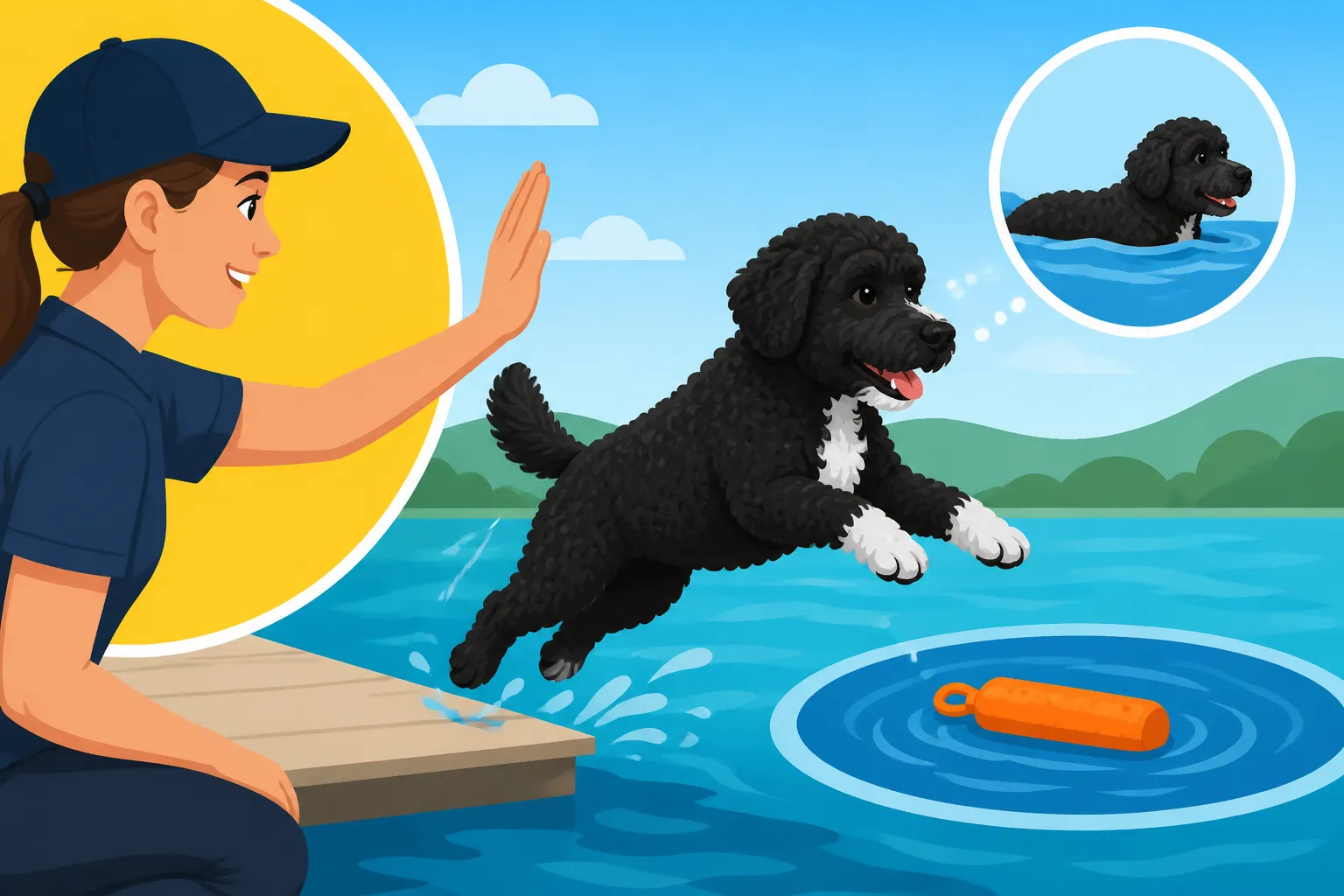
Teaching a Portuguese Water Dog to Swim on Cue
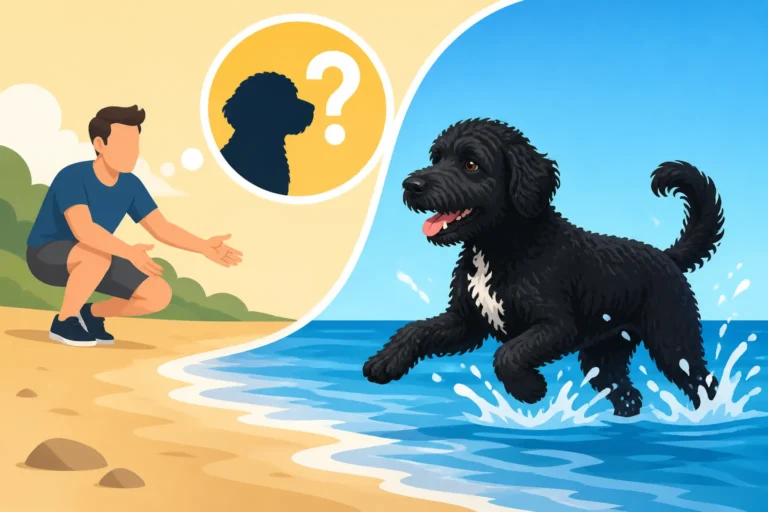
You know, it's one thing to have a Portuguese Water Dog that loves water – most of them do, it's in their very DNA! But it's an entirely different beast to have a Portuguese Water Dog that will swim on cue. Many owners find themselves in a delightful, yet slightly chaotic, dance at the water's edge, wishing their enthusiastic pup understood what "go get it" or "swim to me" really meant. This guide is all about transforming that raw, joyful energy into a responsive, safe, and truly impressive skill, turning your water dog into a water partner.
Understanding Your Portuguese Water Dog's Natural Affinity for Water
It’s easy to assume that because the Portuguese Water Dog was literally bred to work in water, every single one of them will instinctively dive in and swim perfectly from day one. While it’s true that most PWDs have a deep-seated love for the water, and their unique physiology – from their webbed feet to their rudder-like tail – makes them incredibly adept swimmers, the reality is a little more nuanced. Their natural inclination is a fantastic starting point, but it doesn't automatically translate to obedience or responsiveness in every watery situation.
The Breed's Instinctive Connection to Water
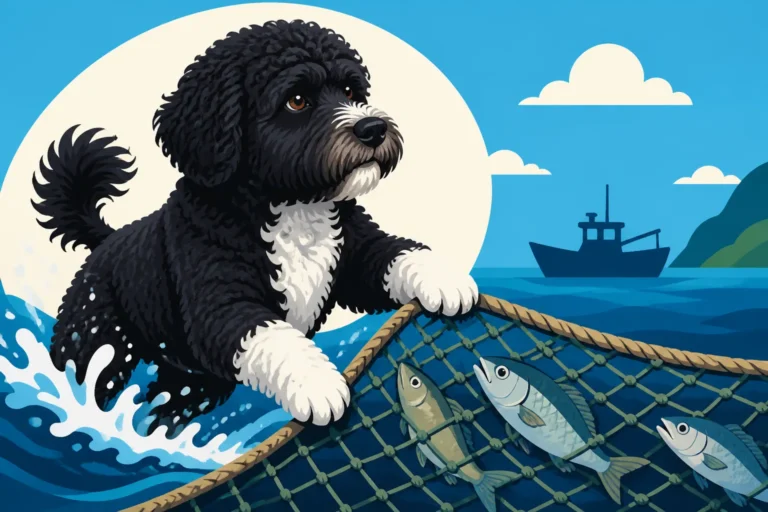
Imagine their ancestors, tirelessly working alongside fishermen along the coasts of Portugal, herding fish into nets, retrieving lost gear, and carrying messages between boats. Water wasn't just a playground; it was their office. This history has ingrained a profound connection to water in the breed. When you see a young PWD's eyes light up at the sight of a lake or ocean, or the way they'll wade into a puddle, you're witnessing generations of this working heritage bubbling to the surface. Their dense, non-shedding coat provides insulation, and those incredible webbed feet act like powerful paddles, making them efficient and tireless in the water. For more on their innate ability, check out How Naturally a Portuguese Water Dog Swims.
However, "instinctive" doesn't mean "trained." A PWD might bound into the water after a thrown stick, but that's driven by prey drive and excitement, not necessarily a conscious response to a command. Our goal is to harness that natural drive and channel it into a reliable, consistent behavior that you can initiate with a specific cue, making their incredible abilities even more useful and safer.
Assessing Your Dog's Initial Comfort Level
Before you even think about cues, take a moment to really observe your dog. Every PWD is an individual. While many are eager, some might be hesitant, especially if they haven from limited exposure as puppies or had a negative experience. Does your dog tentatively dip a paw, or do they splash in with abandon? Do they seem confident in shallow water, but wary of deeper areas? Do they enjoy playing with water from a hose, or do they try to "catch" it?
Understanding their starting point is crucial. If your PWD is naturally a water baby, you’ll be building on existing enthusiasm. If they're more cautious, your first steps will focus on building positive associations and confidence, rather than pushing them. Never force a dog into water; it can create a lasting negative association. Instead, entice them with toys, treats, or by wading in yourself. Watch for signs of stress, like a tucked tail, flattened ears, or attempts to escape. A relaxed, happy dog will have a loose body, wagging tail, and keen interest.
Building a Solid Foundation: Before the Water Work Begins
Think of it like building a house: you wouldn't start putting up walls without a strong foundation, right? The same goes for training your Portuguese Water Dog to swim on cue. While their love for water is a huge advantage, truly reliable water work depends on a bedrock of land-based obedience and clear communication. These foundational skills ensure that when you introduce water, your dog understands the game before the environment adds complexity.
Essential Obedience Commands on Land
Before you ask your PWD to perform specific actions in the water, they need to have a rock-solid grasp of basic obedience on dry land. Commands like "come," "stay," "sit," and "down" are not just for the park; they are critical safety cues around water. Imagine your dog enthusiastically chasing a ball into a rapidly flowing river – a strong "come" could be a literal lifesaver. A reliable "stay" is invaluable for waiting patiently on the bank while you prepare or ensure the area is safe.
Practice these commands diligently in various environments with increasing distractions. Use high-value treats and enthusiastic praise to reinforce their responses. A truly effective "come" means your dog will drop whatever they're doing and sprint to your side, no matter what. This builds a strong bond and establishes you as the reliable leader, which is vital when you introduce the exciting, often distracting, element of water. Consider joining an obedience class or using online resources like BAXTER & Bella, which emphasize positive reinforcement and building a strong working relationship.
Introducing the Concept of a "Water Toy" or "Water Retrieve"
Portuguese Water Dogs are natural retrievers, a trait that was incredibly useful to their fishing companions. This instinct can be leveraged beautifully for water training. Start by introducing a specific toy that will only be used for water work. This creates a powerful association: "When this toy comes out, something exciting involving water is about to happen!" Choose a toy that floats well, is highly visible, and is easy for your dog to mouth and carry – think bright orange or yellow rubber dummies, or a sturdy floating bumper. Avoid sticks or anything that could splinter. Many excellent options can be found on Amazon.
Play retrieve games with this special toy on land first. Make it the most exciting toy they own. Throw it short distances, praise lavishly when they bring it back, and engage in a quick game of tug or a treat reward. The goal is to build extreme enthusiasm for this particular item. When they see this toy, their brain should instantly think: "Game ON! And it's probably wet!" This pre-conditioning makes the transition to water much smoother, as they'll be focused on their beloved toy rather than the new environment itself.
Establishing a Release Cue
A release cue, like "okay," "free," or "go get it," is just as important as the command itself. It tells your dog when it's appropriate to break from a "stay" or to initiate an action. For water work, this cue becomes crucial for managing their excitement and preventing impulsive leaps. You want your PWD to wait patiently at the water's edge until you give the signal. This is especially important for safety, allowing you to check for hazards or other swimmers before they plunge in.
Practice the release cue on land by having your dog "stay" or "sit," then giving the release cue before they get their reward or are allowed to play. Start in low-distraction environments and gradually increase the challenge. The goal is for your dog to understand that waiting for your signal leads to the reward (the toy, the swim, the praise). This teaches impulse control, which is absolutely invaluable when your dog is vibrating with anticipation at the edge of their favorite swimming hole. This control not only keeps them safe but also sets the stage for more complex water commands down the line.
First Steps into the Water: Making it Positive and Playful
Once your Portuguese Water Dog has a solid foundation of land-based obedience and a burning desire for their special water toy, it's time for the moment you've both been waiting for: getting into the water! Remember, the goal here is to create overwhelmingly positive experiences. You want your dog to associate water entry with fun, rewards, and your happy encouragement. This stage is all about building confidence and solidifying that joyful connection, not pushing for perfect technique.
Choosing the Right Location and Environment
The success of your initial water introductions hinges heavily on the environment. Don't start at a crowded beach with crashing waves or a fast-moving river. Instead, look for calm, shallow water where your dog can easily stand and feel secure. A gently sloping sandy beach on a lake or a quiet, shallow end of a dog-friendly pool are ideal. The water should be clean and free of strong currents, sharp objects, or excessive weeds. You want them to focus on the fun, not on navigating obstacles or feeling overwhelmed.
Consider the temperature of the water and the weather. A warm, sunny day is much more inviting than a chilly, overcast one. Make sure the area is quiet, so your dog isn't distracted by other dogs, people, or loud noises. Having a designated "water spot" for early training can help minimize novelty and allow your dog to feel comfortable in a familiar setting. For more thoughts on appropriate locations, consider reading When a Portuguese Water Dog Should Swim in the Ocean and How a Portuguese Water Dog Can Swim in a Lake.
Using Positive Reinforcement and High-Value Rewards
Positive reinforcement is the absolute cornerstone of successful water training. Every step, no matter how small, should be celebrated. Did your dog put a paw in? "Good boy! Yes!" with a treat. Did they wade deeper? Jackpot! Did they take a stroke? Even more praise! Your excitement and happiness are contagious, and your dog will feed off that energy. Use their absolute favorite, high-value treats – something they rarely get, like boiled chicken, cheese, or hot dogs.
Pair these treats with enthusiastic verbal praise ("Good swim!" "Yes, get it!") and physical affection, if your dog enjoys it. The special water toy you introduced on land should also be a major reward. When they enter the water, immediately toss the toy a short distance, encouraging them to retrieve it. The combination of the beloved toy, tasty treats, and your joyful affirmation makes the water an incredibly appealing place to be. Remember, the goal is to make every interaction with water a highlight of their day.
The Role of a Life Jacket for Safety and Confidence
For initial water introductions, and indeed for any significant water activity, a well-fitting doggy life jacket is an absolute must. While Portuguese Water Dogs are natural swimmers, a life jacket offers several crucial benefits. Firstly, it provides buoyancy, making swimming effortless and reducing fatigue, especially for a novice or a less confident dog. This allows them to focus on moving their legs and getting used to the sensation without the added struggle of staying afloat. It boosts their confidence immensely.
Secondly, a life jacket offers a sturdy handle on the back, which is invaluable for your safety and theirs. It allows you to guide them gently, help them out of the water, or even lift them if they get into trouble. When you're first teaching a puppy to enter the water, or if you have a hesitant adult, being able to provide a little physical support with the handle can make all the difference. Look for jackets with good flotation, secure straps, and a bright color for visibility. Companies like Ruffwear make excellent, durable options. For more details on this essential gear, refer to When a Portuguese Water Dog Needs a Life Jacket. Even for experienced swimmers, a life jacket is a wise choice for long sessions or in unpredictable conditions.
| Stage of Training | Ideal Water Environment | Key Reinforcement | Safety Gear Essential |
|---|---|---|---|
| Initial Introduction | Calm, shallow, gently sloping entry (e.g., lake shore, quiet pool) | High-value treats, enthusiastic praise, favorite floating toy | Well-fitting life jacket |
| Learning the Cue | Shallow to medium depth, controlled environment with minimal distractions | Toy retrieves, verbal praise, occasional treats | Life jacket |
| Practicing Consistency | Various depths, different types of water (lake, pond, ocean with calm waves) | Successful retrieves, long play sessions, verbal encouragement | Life jacket, long line (for recall practice) |
| Advanced Work | Deeper water, potentially with currents or waves, dock areas | High-level play, specific event rewards (e.g., winning a retrieve) | High-performance life jacket, quick-release collar |
Introducing the "Swim" Cue: From Play to Purpose
You've built a solid foundation on land and made initial water experiences overwhelmingly positive. Now, it's time to connect the action of swimming with a specific command. This is where your PWD transitions from simply enjoying the water to understanding that you have a request for them when you say "swim." This process uses familiar training techniques, adapted for the aquatic environment.
Luring and Shaping the Behavior
Luring and shaping are powerful tools for teaching new behaviors, even in water. Start in an area where your dog is comfortable, with water that's shallow enough for them to wade, but deep enough to encourage a few strokes.
- Luring: With your dog wading, hold their favorite floating water toy just out of reach, encouraging them to move forward. As they take a step or two, toss the toy a very short distance. When they move to retrieve it, they might naturally take a few swim strokes. As soon as their paws leave the bottom and they start paddling, mark that behavior with an excited "Yes!" or a clicker, and give them the toy to retrieve. This initial lure helps them discover the motion of swimming.
- Shaping: If luring isn't immediately effective, you can shape the behavior. Reward any movement towards deeper water, then reward a splash, then a paddle, and finally full swimming. Break it down into tiny steps. For example, if your dog is hesitant to leave the shallow edge, reward them for just taking one step forward into slightly deeper water. Repeat this until they're comfortable moving further. The key is to reward approximations of the desired behavior, gradually raising your criteria. Remember, you want to teach, not test, at this stage.
Adding the Verbal Cue and Hand Signal
Once your PWD is consistently taking a few swimming strokes to retrieve the toy, it's time to introduce the verbal cue and a hand signal. Consistency is paramount here.
- Say the Cue First: Just before your dog initiates the swimming motion (e.g., as they push off to retrieve the toy, or as they take their first paddle), say your chosen cue clearly and enthusiastically: "Swim!"
- Pair with Action: As they start to swim, follow immediately with the hand signal (e.g., a sweeping motion with your arm, or pointing towards where you want them to swim).
- Reward: As soon as they complete a successful swim (even a few strokes), offer lavish praise, their retrieved toy, and maybe a treat.
Repeat this sequence many, many times. The goal is for your dog to associate the sound "Swim!" and your hand signal with the action of propelling themselves through the water. Eventually, the cue alone should trigger the behavior. Don't be afraid to keep it fun and playful. This isn't a chore; it's a game they're learning to play with you. Over time, you'll be able to tell your Portuguese Water Dog to Teach a Portuguese Water Dog to Swim on Cue just by saying the words.
Gradually Increasing Distance and Distractions
With the cue established in a controlled environment, it's time to build reliability by increasing the challenge.
- Increase Distance: Start by tossing the toy just a few feet away. Gradually, over many sessions, increase the distance you throw the toy, requiring more sustained swimming. Always ensure your dog is successful and enthusiastic. Don't push them to exhaustion or frustration.
- Introduce Mild Distractions: Once your dog is swimming reliably on cue for distance, begin introducing minor distractions. This could be another person standing quietly nearby, or a gentle ripple on the water. Slowly build up to more challenging scenarios, like other dogs playing nearby (but not interfering with your training) or different types of floating objects. The key is to make these introductions gradual so your dog can maintain focus.
- Vary the Starting Point: Don't always start from the same spot on the bank. Practice the "Swim!" cue from different entry points, perhaps from a low dock or a boat ramp, always ensuring safety first. This helps generalize the cue so your dog understands "swim" means swim, regardless of the precise location. For more specific tasks, you might think about how a Portuguese Water Dog Can Learn to Dive for Objects as an advanced step.
Remember to keep training sessions short, positive, and always end on a high note. If your dog seems to be struggling, go back a step to an easier level where they can succeed, then slowly build back up. This positive approach reinforces their confidence and eagerness to work with you in the water.
Refinining the Cue and Ensuring Consistency
Once your Portuguese Water Dog understands the basic "swim" cue, the next critical step is refining it and ensuring that their response is consistent, no matter the situation. This means practice, patience, and proactively addressing any hiccups that arise. Our goal is to make "swim" as reliable in the water as "sit" is on land.
Practicing in Various Water Environments
To truly solidify the "swim" cue, you need to generalize it across a variety of settings. A dog that swims perfectly in a quiet pond might be completely flustered by the crashing waves of the ocean or the murky depths of a river.
- Lakes and Ponds: These are often the easiest places to start and build consistency due to their generally calm waters. Practice retrieving toys, having your dog swim to you, and even swimming alongside you.
- Rivers (with caution): Rivers introduce currents, which can be a significant challenge. Start in very calm sections where the current is minimal, or in a wide, slow-moving river. Always work upstream initially, so your dog isn't fighting against a strong pull, and be hyper-aware of safety. Never ask your dog to retrieve something that is floating rapidly downstream.
- Oceans (calm days): The ocean brings waves, tides, and new scents. Begin on very calm days with gentle lapping waves, gradually exposing your dog to slightly choppier conditions as their confidence grows. Always be mindful of currents and never let your dog swim out too far where they could be pulled by the tide.
- Pools: While a pool might seem artificial, it offers a consistent, controlled environment. It's great for practicing specific commands, entries, and exits, and it's fantastic for fitness. Just remember to rinse your dog thoroughly after swimming in chlorinated water.
The more diverse environments you practice in, the more robust your dog's understanding of the "swim" cue will become. Each new location is a chance to reinforce their learning and build their confidence.
Troubleshooting Common Challenges
Even with the best intentions, you might encounter some common challenges. Being prepared to address them calmly and positively will save you a lot of frustration.
- Reluctance or Hesitation: If your PWD suddenly seems hesitant, don't force them. Go back to basics: revisit the positive experiences in shallow water, use their favorite toy, and bring out those high-value treats. Sometimes, a change of location or a new, more exciting toy can reignite their enthusiasm. If they completely refuse, consider What to Do About a Portuguese Water Dog That Refuses Water.
- Distraction: Water environments are full of exciting smells, sights, and sounds. If your dog is easily distracted, reduce the distractions. Go to a quieter spot, or use a longer leash (like a waterproof long line available on Amazon) for safety and to gently guide their focus back to you. Increase the value of your rewards. If other dogs are the distraction, train when no other dogs are around, then slowly introduce one calm, well-behaved canine friend as a training partner.
- Over-Excitement/Impulsivity: Some PWDs can become so thrilled by the water that they forget their manners. This is where your land-based "stay" and release cue come into play. Practice waiting at the edge, even if it's just for a few seconds, before giving the "swim" cue. If they jump in without permission, immediately bring them back to the starting point, have them "sit" or "stay" again, and repeat the process until they wait for your release. This teaches them that calm, patient waiting gets them what they want.
Maintaining Enthusiasm and Engagement
Consistency doesn't mean boring repetition. Portuguese Water Dogs are intelligent and can get bored with the same old routine. Keep training sessions fun, varied, and relatively short.
- Vary Toys and Activities: While you have a special water toy, rotate through a few different floating items. Introduce new games like swimming to a specific marker buoy, or retrieving multiple items.
- Incorporate Play: Always mix in free play time where your dog can just enjoy the water without commands. Let them splash, explore, and simply be a dog. This reinforces their love for the water itself, separate from the "work."
- End on a High Note: Always finish a training session with a successful retrieve or a strong, enthusiastic swim, followed by lots of praise. This ensures your dog leaves the water feeling good about their efforts and eager for the next session.
- Your Enthusiasm Matters: Your mood is infectious. If you're excited and positive, your dog will be too. If you're frustrated, they'll pick up on that. Keep your tone light, your praise flowing, and your attitude upbeat. Remember that for your PWD, working with you in the water is one of the greatest joys. Also, remember to take care of those ears after a good swim. Why a Swimming Dog Gets Ear Infections is a good resource to review for preventative measures.
Advanced Water Work: From Swimming to Specific Tasks
Once your Portuguese Water Dog reliably responds to the "swim" cue in various environments, you've laid a fantastic groundwork. But for a breed so inherently connected to water, why stop there? This is where you can truly tap into their natural talents and transform basic swimming into more complex, task-oriented water work, whether for fun, fitness, or competitive sports.
Introducing Retrieves from the Water
The retrieve is the bread and butter of the Portuguese Water Dog's historical job. Moving beyond just "swimming," you can teach them to specifically retrieve objects from the water, which is a key component of water trials and dock diving.
- Start Simple: Begin by tossing the water toy a short distance, just like you did when teaching the "swim" cue. As they retrieve it, praise them lavishly when they bring it back directly to you.
- Increase Distance and Challenge: Gradually increase the distance of the throw. Introduce different types of floating retrieve articles – perhaps a soft bumper, then a harder plastic dummy. Ensure the objects are safe and easy for them to grip in their mouth.
- Multiple Retrieves: Once they are proficient with single retrieves, throw two or three objects in succession, encouraging them to bring each one back. This teaches them to focus on each task independently.
- Directed Retrieves: Begin to incorporate directional cues. For example, point to a specific floating object and say "get that one!" This will take time and practice, starting with very clear distinctions between objects.
- Underwater Dives: Some PWDs love to dive! You can teach them to retrieve objects from just below the surface by using a toy that slowly sinks. Start in very shallow, clear water so they can see it easily, then gradually increase depth as they get the hang of it. For more on this, check out How a Portuguese Water Dog Can Learn to Dive for Objects.
Preparing for Dock Diving or Water Trials
For many PWD owners, the pinnacle of water work is participating in structured sports like dock diving or water trials. These activities showcase the breed's incredible athleticism and intelligence.
- Dock Diving: This sport involves dogs running down a dock and leaping into a pool or body of water, typically for distance (long jump) or height (vertical jump), or even speed.
- Introduction to the Dock: Get your dog comfortable with walking on and off a dock without the pressure of jumping. Use treats and praise.
- Flat Surface Practice: Practice throwing their favorite toy from a low height, encouraging them to run and jump from a solid surface (even a picnic table in your backyard can simulate this initially) into a body of water.
- Gentle Entry: Start by having them jump from a very low dock or platform into the water, focusing on a clean entry and a retrieve.
- Gradual Height and Distance: Slowly increase the height of the jump and the distance of the throw. Always keep it positive and fun. This sport requires immense drive and confidence. For a more detailed look at what's involved, explore What Dock Diving Asks of a Portuguese Water Dog.
- Water Trials: These trials are designed to test the PWD's traditional working abilities, simulating the tasks they performed for fishermen. They involve specific exercises like retrieving objects from shore or boat, swimming with a tow, or working a net.
- Prerequisites: Your dog needs to have exceptional obedience, a strong retrieve, and be utterly comfortable in the water, including with boats and other equipment.
- Specific Skill Training: Each element of a water trial (e.g., retrieving from a boat, carrying a message) needs to be broken down into small, trainable steps. Many clubs offer training workshops specifically for these trials. For context, you might be interested in What a Portuguese Water Dog Was Bred to Do on a Boat. These classes are invaluable. If you're interested, researching What Water Work Classes Cost a Portuguese Water Dog Owner would be a good next step.
Safety Considerations for Advanced Water Activities
As you delve into more advanced water work, safety must always be your number one priority.
- Always Supervise: Never, ever leave your PWD unattended near water, especially during training or advanced activities.
- Life Jackets are Mandatory: For dock diving, water trials, or any activity that involves deep water, strong currents, or long durations, a life jacket is non-negotiable. It protects them from fatigue and provides a way for you to assist them.
- Check Water Conditions: Be acutely aware of currents, tides, water temperature, and underwater hazards. Never put your dog in a situation that is too dangerous or physically demanding for them.
- Know Your Dog's Limits: Just like humans, dogs can get tired. Watch for signs of fatigue: slower retrieves, less enthusiastic swimming, or heavy panting. Always end before they're exhausted.
- Hydration: Even in water, dogs can get dehydrated, especially if they're swallowing a lot of lake or ocean water. Always have fresh drinking water available.
- Ear Care: Portuguese Water Dogs are prone to ear infections due to their floppy ears and love for water. After every swim, thoroughly clean and dry their ears.
- Veterinary Check-ups: Ensure your dog is in excellent physical condition for demanding water sports. Regular vet check-ups are crucial.
- First Aid: Have a canine first aid kit handy, especially when away from home.
By taking these precautions, you can ensure that your PWD enjoys their advanced water work safely and happily, continuing to thrive in the environment they were born for.
Troubleshooting and Common Pitfalls
Even with the best preparation and positive reinforcement, training a Portuguese Water Dog to swim on cue isn't always smooth sailing. There will be days when things don't go as planned, and that's perfectly normal. Understanding common pitfalls and how to address them can save you a lot of frustration and help keep your training on track.
Fear of Water or Reluctance
While a profound love for water is characteristic of the Portuguese Water Dog, not every individual is an instant water baby. Some might show genuine fear or strong reluctance, which can be disheartening for an owner expecting an innate swimmer.
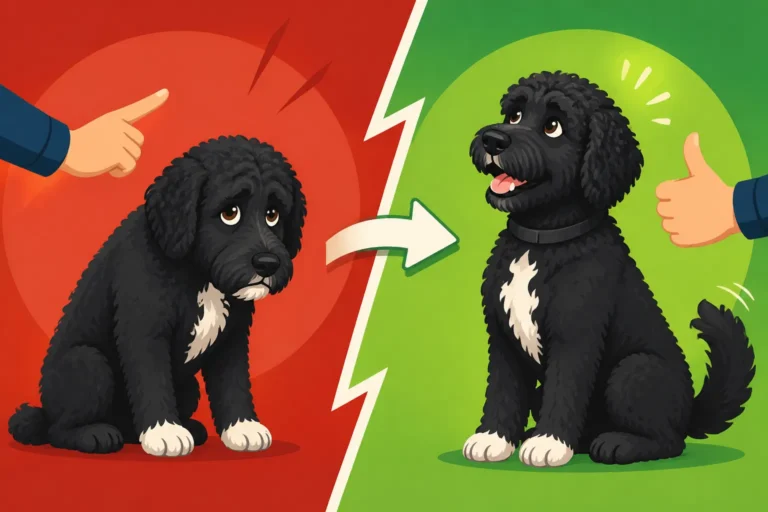
- Never Force It: This is the golden rule. Forcing a fearful dog into water can create a lifelong phobia, undoing any positive associations you've tried to build.
- Start Extremely Small: Begin with simply being near the water. Reward calm behavior. Then progress to letting them dip a paw, then wading ankle-deep. Each tiny step is a victory.
- Make it a Game, Not a Chore: Instead of directly engaging with the water, make the area around the water a fun place. Play fetch on the bank, scatter treats near the edge, or have a relaxed picnic.
- Use a Confident Canine Role Model: If you have another dog who loves water, their enthusiasm can sometimes be contagious. Let them play in the water while your fearful PWD observes from a safe distance. Do not let the confident dog pressure the fearful one.
- Life Jacket as a Confidence Booster: For some hesitant dogs, the buoyancy of a life jacket makes them feel more secure. It allows them to experiment with paddling without the fear of sinking.
- Positive Association with You in the Water: Wading into the water yourself and inviting them to join you can be very effective. Your presence, reassurance, and calmness can provide the security they need. Lure them with a treat or toy just within their comfort zone. If you have a true water-avoider, What to Do About a Portuguese Water Dog That Refuses Water offers further insights.
Over-Excitement and Lack of Control
On the flip side, some PWDs are too excited. They see water and their brains just short-circuit, leading to impulsive dashes, ignoring cues, and general chaos. This isn't fear, but a lack of impulse control in a highly stimulating environment.
- Reinforce Land-Based Obedience Heavily: Your "stay," "wait," and "come" commands need to be bulletproof on land before you bring them to the water's edge. Practice them with increasing distractions.
- Manage the Environment: Start training in less stimulating water environments. A quiet, empty pool is often better than a bustling beach with other dogs and people.
- Leash Control: A long line (a very long lead, often 15-30 feet, made of waterproof material) is invaluable. It allows you to maintain control without physically holding them back. Practice waiting at the edge with the long line, giving the "swim" cue, and then releasing them. If they bolt, you can gently guide them back to reinforce the "wait."
- Structured Play: Instead of just letting them go wild, introduce structure. "Sit," "wait," then "swim" for a specific retrieve. This helps them understand that water fun happens on your terms.
- High-Value Rewards: Make your reward the most exciting thing. When they respond correctly to a cue despite their excitement, reward them with their favorite toy or treat, making it clear that listening to you leads to the ultimate fun.
Health and Safety Concerns
Beyond behavior, there are crucial health and safety considerations when training any dog, but especially a water-loving breed like the PWD. Neglecting these can turn a fun activity into a veterinary emergency.
- Ear Infections: Due to their floppy ears and constant moisture, PWDs are highly susceptible to ear infections. After every swim, thoroughly clean and dry their ears. Use an ear-cleaning solution designed for dogs, and make sure the ear canal is dry. This preventative care is non-negotiable. You can also explore Why a Portuguese Water Dog's Ear Canal Traps Water for more detailed information.
- Hypothermia/Overheating: PWDs have a dense coat that insulates them well, but they are not immune to extreme temperatures. In very cold water, they can get hypothermia if they stay in too long. In hot weather, especially with intense exercise, they can overheat on land or in warm, stagnant water. Monitor their energy levels and physical signs (shivering, blue gums for hypothermia; excessive panting, lethargy for overheating).
- Water Intoxication: While rare, it's possible for dogs to ingest too much water, especially if they're constantly retrieving and swallowing water during play. This can lead to a dangerous electrolyte imbalance. Ensure they take breaks, offer fresh water, and discourage excessive water swallowing.
- Injury: Slippery banks, submerged objects, or overexertion can lead to injuries. Always inspect the area, ensure safe entry/exit points, and don't push your dog beyond their physical limits.
- Parasites and Contaminants: Lakes, ponds, and rivers can harbor bacteria (like Leptospirosis or Giardia), algae, and parasites. Be aware of local water quality advisories. Rinse your dog after swimming in natural bodies of water. Regular deworming and appropriate vaccinations are also important.
By being mindful of these potential issues and proactively addressing them, you can ensure that your Portuguese Water Dog remains a happy, healthy, and enthusiastic swimmer for years to come.
Disclaimer
This article is for general informational purposes only and does not constitute professional advice. Laws, prices and regulations vary by location and change over time. Consult a qualified professional for guidance on your specific situation.