What a Portuguese Water Dog Was Bred to Do on a Boat
Have you ever looked at your Portuguese Water Dog, curled up on the sofa or splashing joyfully in the local pond, and wondered what their ancestors were really doing out on the high seas? It’s easy to see their love for water today, but it barely scratches the surface of the incredible, demanding, and utterly vital jobs they performed for the Portuguese fishing fleet centuries ago. This wasn't just about a casual swim; these dogs were essential crew members, their very existence intertwined with the livelihoods of the fishermen. This guide will take you back in time to understand the profound working history that shaped the Portuguese Water Dog we know and love today, and how that heritage still influences their unique needs and behaviors.
The Historical Maritime Partner: More Than Just a Pet
Imagine a time before radar, before GPS, before high-tech nets and motors. Fishing was a grueling, dangerous profession, relying heavily on human skill, resilience, and the invaluable assistance of a four-legged, web-footed companion. The Portuguese Water Dog wasn't just along for the ride; they were an integral part of the crew, a partner whose intelligence and capabilities were as respected as any human deckhand. Their role was critical to the success and even the survival of the fishing operations along the coast of Portugal, from the rugged shores of the Algarve up to the northern regions.
Life Aboard the Fishing Vessels
Life on a fishing boat was anything but luxurious. Days were long, often starting before dawn and ending long after sunset, dictated by the tides and the presence of fish. The boats themselves were modest, offering little in the way of comfort or space. Fishermen lived and worked in close quarters, enduring harsh weather, the constant rocking of the ocean, and the ever-present smell of salt and fish. In this demanding environment, the Portuguese Water Dog was not merely a pet but a fellow worker, sharing the cramped deck, the sparse meals, and the constant vigilance required at sea.
These dogs were incredibly adaptable. They would nap on deck, seemingly oblivious to the chaos of hauling nets, only to spring into action at a command or even an unspoken signal from their handler. They learned to navigate the slippery, pitching deck with ease, their sturdy build and webbed feet providing superior traction. Their presence was a constant, steadying force, a furry, loyal extension of the crew. They were silent observers, always ready, always alert, making themselves indispensable in ways that modern technology could never replicate.
The Fisherman's Right Hand
The bond between a Portuguese fisherman and his Cão de Água – "dog of water" – was forged in the crucible of shared hardship and mutual reliance. This wasn't a master-and-servant dynamic; it was a deep partnership built on trust and understanding. The dogs possessed an uncanny ability to anticipate their human partners' needs, often reacting to situations before a command was even issued. Their keen senses, particularly their sight and hearing, were vital in spotting distant markers, lost gear, or even changes in the water that signaled a shift in fish movement.
Their intelligence was legendary. These dogs weren't just following orders; they were problem-solvers. If a rope snagged or an object drifted just out of reach, a PWD would often figure out the most efficient way to retrieve it, sometimes improvising on the spot. This level of cognitive ability, combined with their unwavering loyalty and boundless energy, made them the perfect "right hand" for fishermen who faced unpredictable challenges daily. They were companions who understood the stakes, and they worked with a dedication that was truly remarkable.
Essential Seafaring Tasks: A Dog of All Trades
The Portuguese Water Dog's resume was extensive, covering a range of tasks that were physically demanding and required keen intelligence. From retrieving precious gear to actively participating in the fishing process itself, their contributions were varied and vital. Without these dogs, the efficiency and safety of the fishing crews would have been significantly compromised.
Retrieving Lost Gear and Broken Nets
One of the most immediate and impactful roles of the Portuguese Water Dog was the retrieval of anything that fell overboard. Imagine the despair of a fisherman watching an expensive net, a critical rope, or a valuable tool sink beneath the waves. This wasn't just an inconvenience; it could mean a significant financial loss or even an end to the day's work. The PWD was the ultimate salvage expert, plunging into the often-cold Atlantic waters without hesitation to recover these lost items.
Their powerful swimming ability and natural retrieving instinct made them masters of this task. They would dive beneath the surface, using their excellent underwater vision, or simply feeling for objects with their sensitive muzzles. Once they had a firm grip, they'd swim back to the boat, often with surprising speed, delivering the item directly into the waiting hands of a fisherman. Their thick, single coat provided crucial insulation against the cold water, allowing them to remain effective even after multiple dips. This task alone saved countless hours and considerable expense. Whether a Portuguese Water Dog Dived for Lost Gear
Driving Fish into Nets
Perhaps the most unique and fascinating aspect of the Portuguese Water Dog's historical role was their participation in the actual herding of fish. This wasn't a passive activity; it was an active contribution to increasing the catch. When fishermen cast their nets, the PWDs would spring into action, strategically swimming in a wide arc around the net, often slapping the water with their tails or barking, to create a commotion. This disturbance would effectively "drive" fish into the waiting nets, maximizing the yield.
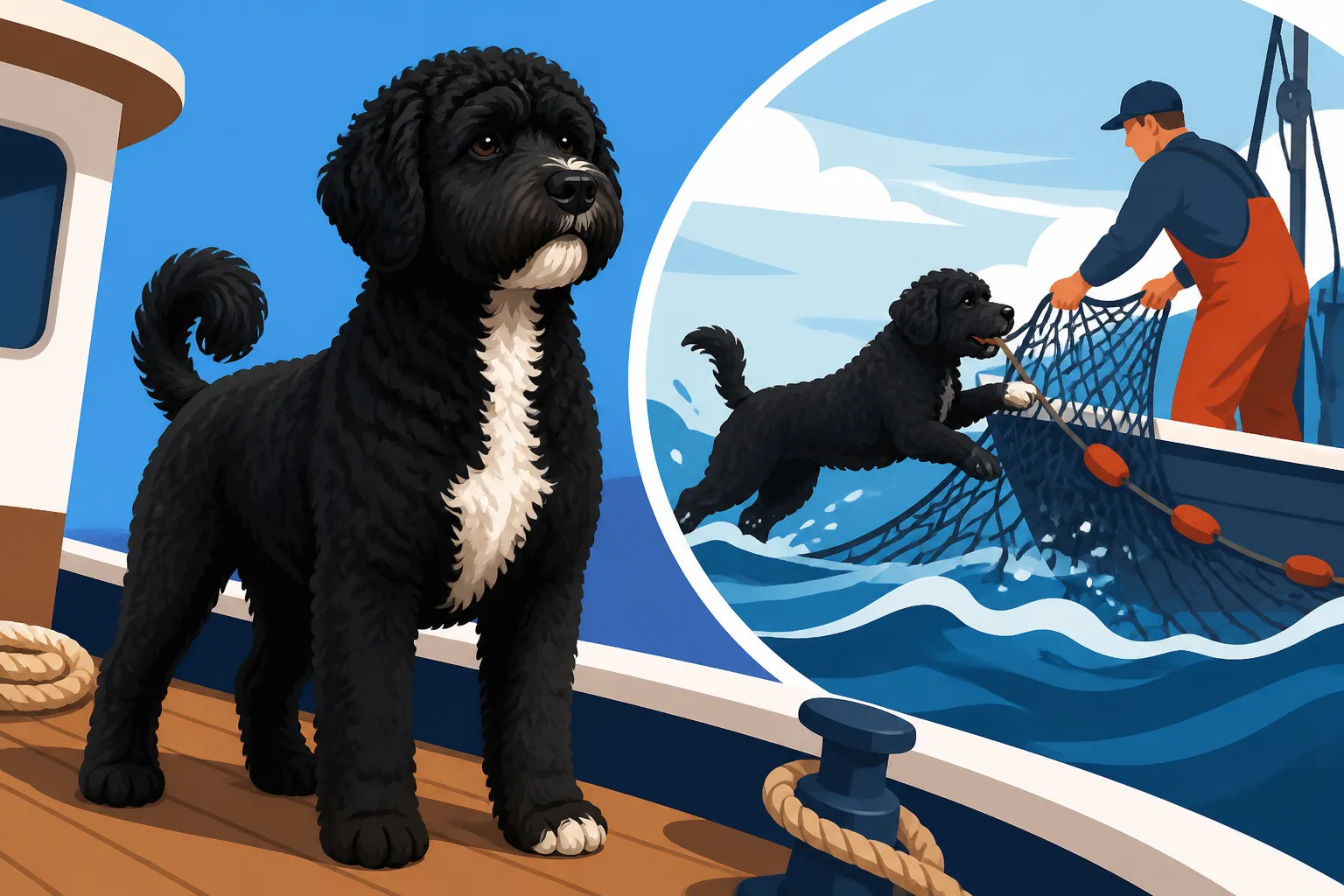
This sophisticated herding technique required immense intelligence and close cooperation with the fishermen. The dogs had to understand the direction of the net, the movement of the fish, and the cues from their handlers to execute the maneuver perfectly. It wasn't about blindly chasing fish; it was a calculated, coordinated effort. They were essentially living, breathing, and barking extensions of the fishing gear itself. How a Portuguese Water Dog Drove Fish Into a Net The dogs learned to work together, sometimes two or three PWDs coordinating their efforts to herd a larger school of fish, demonstrating incredible teamwork and problem-solving skills.
Carrying Messages and Line Between Boats
In an era before reliable two-way radio communication, connecting with other boats or shore was a logistical challenge. Here again, the Portuguese Water Dog proved their worth as aquatic messengers. They would carry messages tucked into a watertight container attached to their collar, swimming from one vessel to another, or even to a designated point on shore. This was vital for coordinating fishing efforts, sharing information about good fishing grounds, or even delivering urgent news.
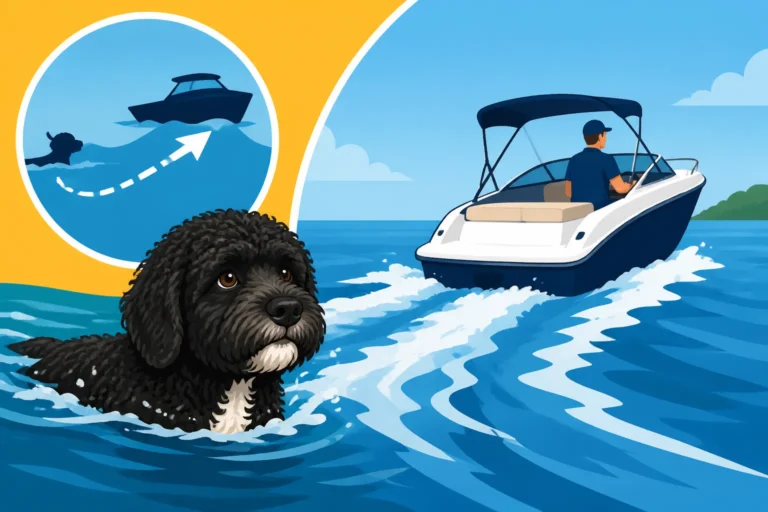
Beyond messages, they were also instrumental in carrying lines. Imagine two boats needing to transfer a rope for towing or mooring. Instead of a dangerous and difficult maneuver by humans, a PWD could swiftly swim the line between the vessels, saving time and preventing accidents. This required not only strong swimming ability but also a calm temperament and the intelligence to understand the task at hand, even in rough seas. Whether a Portuguese Water Dog Carried Messages Between Boats It speaks volumes about the trust placed in these animals that they were entrusted with such critical communication tasks.
Physical and Mental Adaptations for the Sea
The Portuguese Water Dog isn't just a casual swimmer; they are a breed meticulously crafted by centuries of natural selection and human purpose to excel in a maritime environment. Every aspect of their physical structure and mental makeup points to their rich history as working dogs of the sea.
The Uniquely Suited Coat
One of the most distinctive features of the Portuguese Water Dog is their incredible single coat, which comes in two primary types: curly and wavy. This isn't just for looks; it's a marvel of natural engineering perfectly adapted for their aquatic lifestyle. Unlike many breeds with a double coat, the PWD's coat is designed to be highly water-resistant, acting like a natural wetsuit. The dense, non-shedding (or very low-shedding) hair traps a layer of warm water against the skin, providing crucial insulation even in the frigid North Atlantic waters.
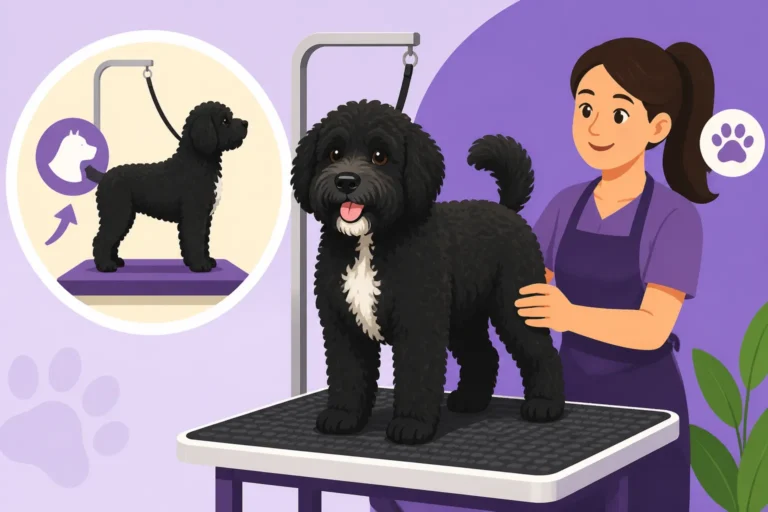
This coat, while requiring diligent grooming from modern owners, was absolutely essential for a working dog spending hours in and out of the ocean. It prevented hypothermia, allowed for relatively quicker drying once on board compared to a heavy, absorbent double coat, and offered protection from the elements. However, this same amazing coat also means that if not properly cared for today, it can mat easily, especially after swimming. Why a Portuguese Water Dog's Coat Holds Water It's a testament to their working heritage that such a utilitarian feature became a defining characteristic of the breed.
Webbed Feet and Powerful Build
Take a look at a Portuguese Water Dog's paws, and you'll immediately notice something special: prominent webbing between their toes. This isn't a mere aesthetic quirk; it's a highly functional adaptation, turning their feet into powerful paddles that propel them through the water with remarkable efficiency. Imagine swimming with flippers – that's the advantage their webbed feet give them, allowing them to outmaneuver and out-swim many other breeds, even in strong currents. Why a Portuguese Water Dog Has Webbed Feet
Beyond their feet, their entire physique is built for strength and endurance in the water. They possess a deep, broad chest that provides ample lung capacity, allowing them to hold their breath and swim for extended periods. Their muscular hindquarters deliver powerful propulsion, while their thick, strong tail acts as a natural rudder, giving them exceptional agility and steering control underwater and on the surface. Why a Portuguese Water Dog's Tail Works as a Rudder This combination of specialized features made them truly formidable in their aquatic endeavors.
An Intelligent and Independent Mind
The intelligence of the Portuguese Water Dog is renowned, but it's not the kind of intelligence that simply seeks to please. These dogs were bred to think for themselves, to make quick decisions in dynamic, often dangerous, maritime situations. A fisherman couldn't always be there to issue a command; the dog often had to assess a situation and act decisively on its own initiative. This bred a spirit of independence and problem-solving that is still very much present in the breed today.
This independent streak means they are incredibly clever and capable, but it also means they can be wonderfully (or frustratingly!) stubborn. They aren't automatons; they have their own ideas, and sometimes those ideas are different from yours. This isn't disobedience in a malicious sense, but rather the legacy of a dog bred to improvise and adapt. This high intelligence and self-reliance make them engaging partners, but also demand an owner who appreciates and can channel that mental prowess. Consistent, positive reinforcement training is key to working with this intelligent, independent spirit. Training a Portuguese Water Dog That Was Bred to Think for Itself
The Decline of the Working Water Dog and Its Legacy
As the world modernized, the traditional roles of working dogs like the Portuguese Water Dog began to fade. Technology, while making life easier for humans, gradually replaced the essential jobs that these dogs had performed for centuries. This shift led to a near-extinction for the breed, but also paved the way for its resurgence as a beloved companion animal.
The Rise of Technology and the Loss of a Job
The 20th century brought sweeping changes to the fishing industry. The advent of powerful motors replaced oars and sails, making the need for a dog to tow lines or swim between boats less critical. Advanced navigation tools and eventually radios superseded the PWD's role as a messenger. New materials and designs for fishing nets meant fewer breakages and less loss of expensive gear, reducing the demand for skilled retrievers. The traditional methods that had relied so heavily on the Portuguese Water Dog began to disappear, one by one.
This technological advancement, while a boon for fishermen, signaled the gradual end of an era for the working Cão de Água. Their specialized skills, once indispensable, became redundant. As the fishing fleet modernized, fewer dogs were needed, and the population dwindled. It's a bittersweet reality: progress saved human labor but sidelined an entire breed whose purpose was inextricably linked to that labor. How Engines Ended the Portuguese Water Dog's Job
From Working Dog to Companion Animal
By the early 20th century, the Portuguese Water Dog was on the brink of extinction. Their numbers had plummeted dramatically, and they were a rarity even in their homeland. It was only through the dedication of a few passionate individuals, most notably Dr. Vasco Bensaude, that the breed was saved from disappearing entirely. These enthusiasts recognized the unique qualities of the PWD – their intelligence, their athleticism, and their loving nature – and began efforts to preserve and promote them, not as working dogs, but as companions.
This transition was a monumental shift. The dogs that once spent their lives at sea were now being introduced to homes as pets. This required breeders to focus on temperament and adaptability for domestic life, while still preserving their inherent health and physical characteristics. It was a slow and painstaking process, but thanks to these early efforts, the breed found a new lease on life, transforming from a highly specialized worker to a cherished family member. The Portuguese Water Dog Was Almost Gone by the 1930s
Connecting the Past to the Present: Modern PWDs
Even though most Portuguese Water Dogs today live far from fishing boats, their working heritage profoundly impacts their needs and behaviors. That deep-seated drive to work, to problem-solve, and to be an active participant in their human's life is still very much alive. An unfulfilled Portuguese Water Dog is often a bored or destructive one, simply because their innate intelligence and energy are not being adequately channeled.
Modern PWDs thrive when given a "job" – whether it's agility, obedience, rally, therapy work, or, most fittingly, water sports. They need significant mental and physical stimulation to be happy and well-adjusted members of the family. Understanding this historical context helps owners appreciate why their PWD might try to "herd" them, mouth objects, or obsessively retrieve a ball from the water. It’s not misbehavior; it's their heritage shining through. A Portuguese Water Dog Was Bred to Work a Boat, Not a Yard
Modern Outlets for an Ancient Instinct
For today's Portuguese Water Dog, fulfilling those ancient instincts means finding modern equivalents to their historical jobs. Thankfully, there are many avenues for these intelligent and athletic dogs to thrive, allowing them to put their natural talents to good use and live rich, engaged lives.
Water Sports: Dock Diving and Water Trials
Nothing brings a Portuguese Water Dog to life quite like water. For owners looking to truly tap into their dog's historical purpose, competitive water sports offer an exhilarating outlet. Dock diving, where dogs run and leap off a dock into a pool to retrieve a toy, is a fantastic way to engage their retrieving drive and powerful swimming abilities. It's a burst of pure, unadulterated joy for many PWDs.
Even more aligned with their historical tasks are formal water trials. These events test a dog's natural retrieving, swimming, and working abilities in a variety of scenarios, mimicking some of their ancestors' duties. They might be asked to retrieve objects from the water, deliver "messages" (dummies) to a designated point, or swim a pattern. These trials aren't just competitions; they are a celebration of the breed's heritage, allowing PWDs to shine in an environment where their unique skills are perfectly suited. Dock Diving and Water Trials With a Portuguese Water Dog They fulfill the deep-seated desire to work with their human in and around the water.
Training and Enrichment for the Modern PWD
Beyond formal sports, simply providing consistent training and a variety of enrichment activities is crucial for a modern Portuguese Water Dog. Their intelligent minds crave engagement, and their physical bodies need regular, vigorous exercise. Daily walks are good, but they are rarely enough. Think about activities that combine physical exertion with mental challenges.
Interactive puzzle toys, which you can find a huge variety of on Amazon, can keep their clever brains busy for extended periods. Scent work, where they use their noses to find hidden treats or objects, is another excellent mental workout. Obedience classes, even beyond the basic puppy level, keep them sharp and reinforce the human-dog bond. Many online platforms, like BAXTER & Bella, offer comprehensive puppy and adult dog training courses that can help channel that PWD intelligence into positive behaviors, giving owners the tools to engage their dogs consistently. Remember, a tired PWD is often a well-behaved PWD, and mental fatigue is just as important as physical. What a Portuguese Water Dog Needs Every Day
The Importance of Mental and Physical Stimulation
It's impossible to overstate the importance of adequate mental and physical stimulation for a Portuguese Water Dog. Owners who underestimate this aspect often find themselves with a dog exhibiting undesirable behaviors, not out of malice, but out of boredom and frustration. A PWD without enough to do might resort to chewing furniture, digging holes in the yard, or barking excessively. These are simply their ways of trying to "find a job" when one isn't provided.
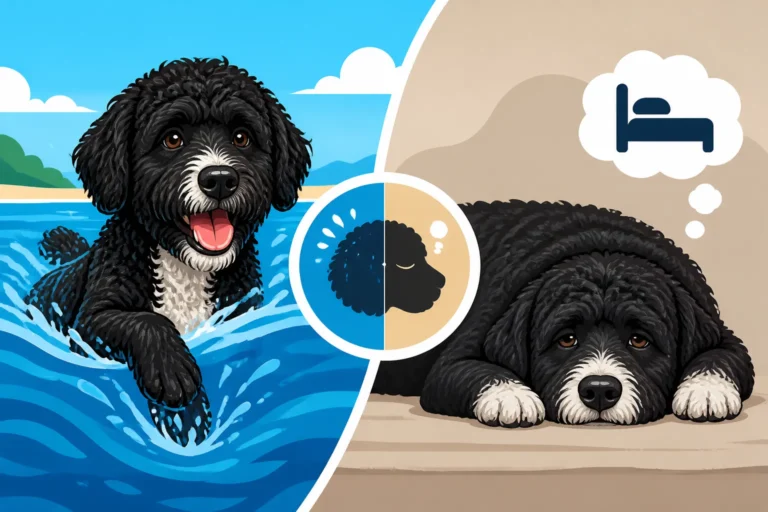
To truly thrive, a Portuguese Water Dog needs a varied routine that includes vigorous exercise, opportunities to swim, and consistent mental challenges. This doesn't mean you need to buy a boat, but it does mean thinking creatively about how to engage their intelligence and athleticism. Regular play sessions, training drills, new hiking trails, and even simply learning new tricks can all contribute to a well-rounded and happy PWD. Fulfilling their working heritage isn't just about preventing problems; it's about allowing them to live up to their incredible potential and be the magnificent dogs they were bred to be. The Portuguese Water Dog That Has Not Had Enough Exercise
| Historical Role on a Boat | Modern Equivalent/Outlet |
|---|---|
| Retrieving lost nets/gear | Fetch games, dock diving, water retrieve trials |
| Driving fish into nets | Herding activities (if available), advanced obedience, rally, agility (channeling focus) |
| Carrying messages/lines | Scent work, advanced retrieve training, "go-fetch" specific items in the home |
| Lookout/Companion | Alert watchdog, active family participant, therapy dog work |
| Endurance Swimming | Long swims, paddle boarding, canine aquatics, dock diving |
| Independent Problem-Solving | Puzzle toys, complex training sequences, agility courses, canine parkour |
Disclaimer
This article is for general informational purposes only and does not constitute professional advice. Laws, prices and regulations vary by location and change over time. Consult a qualified professional for guidance on your specific situation.