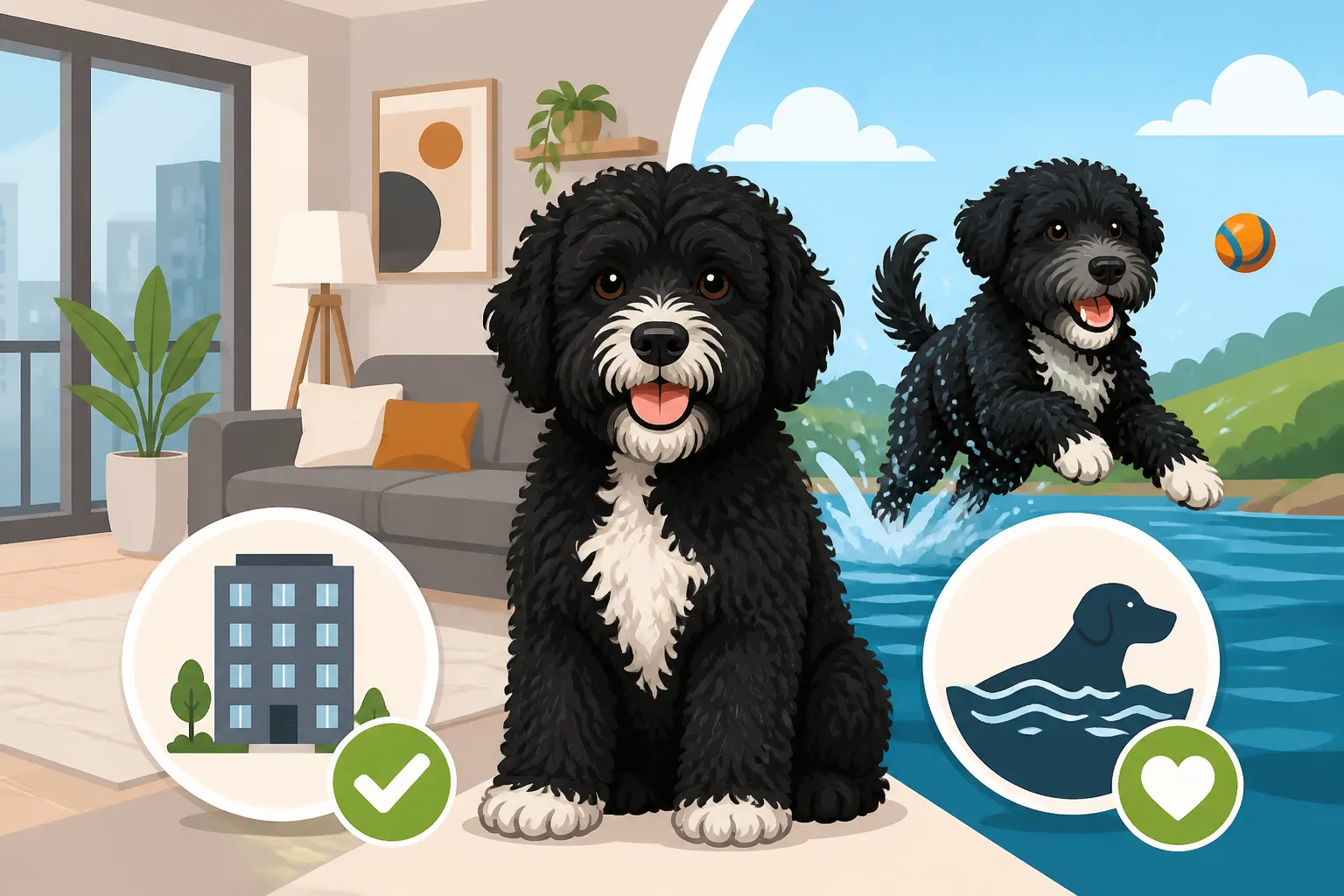
Whether a Portuguese Water Dog Suits an Apartment
One of the biggest questions I hear from potential Portuguese Water Dog owners, especially those living in urban areas, is whether these vibrant, active dogs can truly thrive in an apartment setting. It’s a valid concern, born from a desire to provide the best life for a canine companion, and the straightforward answer isn't always a simple yes or no. This guide will dive deep into the unique needs of a Portuguese Water Dog, explore the challenges and solutions of apartment living, and help you determine if your lifestyle can truly meet the demands of this exceptional breed in a smaller space.
Understanding the Portuguese Water Dog's Core Needs
Before we even think about apartment walls, we need to understand the fundamental nature of the Portuguese Water Dog. These aren't your average couch potatoes; they are a breed steeped in history, bred for a very specific, demanding job alongside fishermen. Their needs go far beyond just a roof over their head and a bowl of kibble.
High Energy Demands and Athleticism
Let's be blunt: Portuguese Water Dogs are athletes. They were bred to work long, hard days on fishing boats, retrieving gear, herding fish, and swimming tirelessly in the Atlantic. This inherent drive for activity doesn't magically disappear when they become beloved family pets. They come with a deep-seated need for intense, regular exercise. We're not talking about a quick stroll around the block; we're talking about vigorous activity that engages both their body and their incredible stamina.
Without sufficient outlets for this energy, a Portuguese Water Dog can become a whirlwind of destructive boredom. Imagine a coiled spring, constantly seeking release. If that release isn't channeled through appropriate exercise, it will find its own way out – often through chewing furniture, incessant barking, or developing nervous habits. They thrive on having a job, a purpose, and that usually translates into significant physical exertion daily. This isn't just a recommendation; it's a critical requirement for their well-being. Think about a minimum of an hour or two of purposeful exercise every single day, and often more. A game of fetch, a long run, or a vigorous swim are far more beneficial than multiple short walks. Many owners find that even with a yard, their PWD needs to get out for runs, hikes, or dedicated swimming sessions. For more details on what they truly need, check out How Much Exercise a Portuguese Water Dog Needs.
Mental Stimulation is Absolutely Key
Beyond their physical prowess, Portuguese Water Dogs are incredibly intelligent. They are problem-solvers, independent thinkers, and they love to learn. Their ancestors weren't just swimming; they were actively participating in the fishing process, making decisions and responding to complex cues. This intelligence means they need significant mental stimulation to keep their minds engaged and prevent boredom from setting in. A bored PWD is often a naughty PWD.
If their minds aren't challenged, they can become masters of mischief. Puzzle toys can offer a temporary diversion, but they are no substitute for engaging training sessions, scent work, or other "jobs" that make them think. Think about teaching complex tricks, practicing advanced obedience, or even engaging in dog sports like agility or rally. These activities tap into their problem-solving abilities and satisfy their drive to work. A couple of 15-minute training sessions scattered throughout the day can be as tiring for them as a long walk, sometimes even more so because they're using their brains. Simply being smart isn't enough; that intelligence needs a healthy outlet. This is a breed that truly flourishes when given a purpose, which is why we often say Why a Portuguese Water Dog Needs a Job.
Coat Care and Grooming Considerations
While not directly tied to apartment space, the Portuguese Water Dog's unique coat heavily influences daily life, regardless of where you live. They have a single coat, either curly or wavy, and while it's often touted as "hypoallergenic" and non-shedding, it's certainly not maintenance-free. In fact, it's quite the opposite. This coat is designed to protect them in cold water, but it also traps moisture and can mat easily.
Regular grooming is non-negotiable. This means daily or every-other-day brushing, and professional clipping every 6-8 weeks, depending on the desired length and style. Now, imagine bringing a soaking wet Portuguese Water Dog into an apartment after a swim or a rainy walk. Their coat holds water like a sponge. You'll need dedicated drying space, an arsenal of towels, and likely a high-velocity force dryer to get them thoroughly dry and prevent skin issues or mats. This isn't just about preventing a soggy apartment; it's about their health. Matting can be painful and lead to skin infections, and a constantly damp coat can exacerbate these problems. Many owners find that setting up a specific "drying station" in their home is essential, which might mean a dedicated spot in a bathroom or utility area. So, while they don't shed tumbleweeds of hair, they do require a significant grooming commitment that impacts your living space and routine. For more on this, you might be interested in How Often a Portuguese Water Dog Needs a Groomer.
Addressing Common Apartment Living Challenges for PWDs
Living in an apartment with a Portuguese Water Dog introduces specific hurdles that need proactive planning and commitment. It’s not impossible, but it demands more from the owner than if they had a sprawling property.
Maximizing Exercise in Limited Green Space
The most obvious challenge of apartment living is the lack of a private yard. For a breed like the Portuguese Water Dog, this means every single bathroom break and exercise session requires a trip outside. While a small patch of grass is fine for quick potty breaks, it's utterly insufficient for their exercise needs. You, as the owner, become their primary source of physical activity.
This translates into dedicated time blocks for vigorous exercise every day, rain or shine. Think long, brisk walks, substantial runs, or engaging in urban dog sports. Many apartment dwellers with active breeds become regulars at local dog parks, dog beaches, or even enroll their dogs in doggy daycare with significant outdoor play opportunities. Structured activities like running alongside a bicycle (once they are fully mature and vetted by a vet) or long-line retrieving games in a large, safe, open field are essential. Even indoor play with appropriate toys in a spacious apartment can help, but it will never replace the mental and physical benefits of outdoor exploration and movement. The key is consistency and variety. A bored dog will find ways to entertain itself, and those ways are rarely conducive to apartment living. An under-exercised PWD in a small space can quickly become stressed, destructive, and even anxious. This is why understanding What an Under Exercised Portuguese Water Dog Does is so crucial.
Managing Noise and Barking Concerns
Portuguese Water Dogs can be quite vocal. They are intelligent and alert, often quick to announce newcomers, strange noises, or anything they perceive as out of the ordinary. In an apartment building, where neighbors are just a wall away, excessive barking can quickly become a major issue. This isn't just a minor annoyance; it can lead to complaints from neighbors and significant stress for both you and your dog.
Early and consistent training is paramount. Teaching a "quiet" command, managing environmental triggers (e.g., closing blinds if they bark at passersby), and ensuring they are adequately exercised and mentally stimulated can go a long way. A tired dog is generally a quiet dog. If they are bored or anxious, barking can become a self-soothing or attention-seeking behavior. Crate training can provide a safe, quiet den for them when you're away, helping to reduce anxiety-induced barking. Sound machines or calming music can also help mask external noises that might trigger their alerts. Ultimately, apartment living requires an owner to be particularly diligent about addressing barking from day one, instilling good habits, and ensuring the dog's needs are met to prevent this behavior. If you’re concerned about this aspect, you might want to look into How Much a Portuguese Water Dog Barks.
The Reality of a Wet Dog Indoors
As a "Water Dog," this breed naturally loves water. This is a wonderful trait for outdoor adventures, but it presents a distinct challenge in an apartment. After a swim, a rainy walk, or even just playing with the hose, your PWD will be thoroughly soaked. Their coat, as mentioned, is incredibly absorbent. Bringing a dripping, happy Portuguese Water Dog into a small living space means wet floors, wet furniture, and that distinct "wet dog smell."
You'll need a comprehensive plan for drying your dog after every water exposure. This often involves a multi-step process: towel-drying immediately, followed by a dedicated drying area (like a bathroom) where you can use a high-velocity force dryer. This isn't just about cleanliness; it's about health. Leaving a Portuguese Water Dog damp can lead to skin irritation, hot spots, and matting. Therefore, owning a good quality force dryer is almost a necessity, not a luxury. You might find great options for these on sites like Amazon. Investing in washable dog beds and covers for furniture can also help mitigate the mess. This daily ritual requires time and patience, and it's something apartment dwellers need to factor into their routine. Don't underestimate the time it takes for Drying a Portuguese Water Dog After Every Swim.
Making Apartment Life Work for a Portuguese Water Dog
While challenging, many Portuguese Water Dogs live happy, fulfilling lives in apartments. The key is not the size of your dwelling, but the size of your commitment and the quality of the life you provide. It’s all about intentional living and careful planning.
Crafting a Consistent Daily Routine
A predictable daily routine is the cornerstone of success for a Portuguese Water Dog in an apartment. These intelligent dogs thrive on structure and knowing what to expect. A haphazard schedule can lead to anxiety and misbehavior, especially in a confined space.
Your routine should be built around their core needs: exercise, mental stimulation, potty breaks, feeding, and rest. For example, an ideal morning might involve an early, vigorous walk or run for at least 45-60 minutes, followed by breakfast and a short training session before you start your workday. Mid-day, if you're not home, a dog walker or a trip to doggy daycare can provide another significant burst of activity and social interaction. In the evening, another long walk, a trip to a dog park, or a dedicated swimming session is vital, followed by dinner, more training, and quiet time. Consistency helps your PWD understand when they need to settle and when it's time for action. This structure helps manage their energy and prevents them from getting "stir-crazy" indoors. For more general guidance on their daily needs, look at What a Portuguese Water Dog Needs Every Day.
Here’s a sample daily routine for an apartment-dwelling PWD:
| Time | Activity | Purpose | Notes |
|---|---|---|---|
| 6:30 AM | Wake up, quick potty break | Relief | Leashed walk to nearest potty spot. |
| 6:45 AM | Intense exercise (run, brisk walk, fetch) | Physical exertion, mental engagement | 45-60 min. Focus on burning energy. |
| 7:45 AM | Breakfast, short training session | Fuel, mental work, reinforce commands | 15-20 min. Puzzle feeder can add challenge. |
| 8:30 AM | Final potty break, settle for departure | Relief, routine | Provide a durable chew toy or puzzle. |
| 8:45 AM | Owner leaves for work | Alone time | Crate or secure area if prone to mischief. |
| 12:00 PM | Dog Walker / Daycare pick-up (if applicable) | Exercise, potty, socialization | 60 min walk/play or full daycare session. |
| 4:30 PM | Owner returns, potty break | Relief, greeting | Short, calm interaction. |
| 5:00 PM | Second intense exercise session (swim, park) | Physical exertion, mental engagement, fun | 60-90 min. Could be a long walk, dog park, or a swim. |
| 6:30 PM | Dinner, grooming check | Fuel, bonding, mat prevention | Check for mats, brush if needed, clean ears. |
| 7:00 PM | Interactive playtime, training, puzzle toys | Mental stimulation, bonding | Indoor games, sniff walks, trick training. |
| 9:00 PM | Calm wind-down, final potty break | Relaxation, relief | Quiet cuddle time, chew toy. |
| 10:00 PM | Bedtime | Rest | Ensure comfortable, secure sleeping spot. |
The Importance of Training and Socialization
Training and socialization are critical for any dog, but they become even more crucial for a Portuguese Water Dog living in an apartment. A well-trained and properly socialized PWD is a joy to live with, adapting more readily to different environments and people. An untrained one can be a handful, regardless of space.
Early puppy classes are a fantastic start, not just for obedience but for exposing your puppy to new sights, sounds, people, and other dogs in a controlled environment. Continued training throughout their life helps reinforce good manners and keeps their intelligent minds sharp. Consider an online training program like BAXTER & Bella, which offers comprehensive resources that can be incredibly helpful for apartment dwellers, guiding you through everything from puppy basics to advanced skills without requiring you to leave home for every lesson. Strong recall and loose-leash walking are non-negotiable skills for city dogs, ensuring safety during walks and at off-leash parks. Socialization teaches them to be comfortable and calm in various situations they'll encounter in an urban setting – elevators, busy streets, other dogs, and strangers. Without it, even the most well-meaning PWD can become fearful or reactive, leading to stress for everyone involved. For a breed bred to think for itself, as discussed in Training a Portuguese Water Dog That Was Bred to Think for Itself, consistent and positive training is key to a happy co-existence.
Creating an Enriched Indoor Environment
Since your Portuguese Water Dog will spend a significant amount of time indoors, especially when you're away, it's essential to create an environment that is both safe and mentally stimulating. This means more than just a dog bed and a water bowl.
Invest in a variety of high-quality, durable toys that cater to their chewing instincts and intelligence. Puzzle toys, snuffle mats, and sturdy chew toys can keep them occupied and mentally challenged. Rotate these toys regularly to keep them novel and engaging. Lick mats, filled with peanut butter or plain yogurt and frozen, can provide a calming, long-lasting activity. You can find an excellent selection of these kinds of enrichment items on Amazon. A comfortable, secure crate can serve as their den, a safe space where they can retreat and relax without being disturbed, especially when you're not home. For an active, intelligent breed, simply lounging around all day isn't enough; they need opportunities to engage their minds even when you're not actively playing with them. Consider indoor games like hide-and-seek with treats or toys, or practicing basic obedience commands throughout the day in short bursts. This indoor enrichment helps prevent boredom-induced destructive behaviors and makes their indoor time more enjoyable.
Actively Seeking Outdoor Opportunities
Living in an apartment means you don't have a private backyard for your PWD to burn off steam. Therefore, actively seeking and utilizing outdoor opportunities becomes a daily mission. This isn't just about walks; it's about finding stimulating environments.
Regular visits to dog parks, especially those with water features if possible, can be a godsend. Safe, enclosed areas allow your PWD to run, play, and socialize with other dogs. Exploring dog-friendly hiking trails or greenways offers mental stimulation through new scents and varied terrain. If you're fortunate enough to live near a dog beach or a lake where dogs are permitted, swimming is hands down one of the best forms of exercise for a Portuguese Water Dog. It's low-impact, physically demanding, and inherently aligns with their breed instincts. If natural water isn't accessible, some cities even have dog-friendly pools or hydrotherapy centers. Even long walks in different neighborhoods can provide novel smells and sights, enriching their daily experience. The key is to be creative and commit to getting them out, ensuring they get sufficient physical and mental exercise every single day. Some owners even enroll their PWDs in organized dog sports like agility, obedience, or dock diving, which offer fantastic outlets for their energy and intelligence. If you're wondering about how much a daily walk might mean to them, considering Whether a Walk Alone Satisfies a Portuguese Water Dog might provide further perspective.
Considering Alternatives and Realism
Ultimately, determining whether a Portuguese Water Dog suits an apartment comes down to a realistic assessment of your lifestyle, resources, and commitment. It’s not just about what you can do, but what you are willing to do consistently for 12-15 years.
The Reality of a Mismatched Lifestyle
Let's be honest: a Portuguese Water Dog whose needs aren't met in an apartment setting will likely develop behavioral issues that can make both your lives miserable. This isn't a judgment, just a reality. An under-exercised, under-stimulated PWD in a small space can manifest stress in numerous ways: destructive chewing, excessive barking (a common apartment complaint!), hyperactivity, anxiety, and even aggression. They might start to pull constantly on the leash because they're so desperate to go somewhere. They could develop separation anxiety because they're simply not getting enough engagement when you are home, making your departures incredibly stressful for them and potentially damaging for your apartment.
It's heartbreaking to see a dog that isn't thriving, and it can put an immense strain on the owner. Many PWDs end up in rescue situations not because they are "bad" dogs, but because their previous owners underestimated the profound commitment required to meet their needs, especially in a confined environment. They truly are "more dog than they look," as the saying goes. If you find yourself consistently unable to provide the extensive daily exercise and mental stimulation, it's worth considering if this is truly the right breed for your living situation.
Seeking Professional Help and Support
If you're committed to making apartment life work for your Portuguese Water Dog, but you're struggling to meet their needs or manage certain behaviors, don't hesitate to seek professional help. Dog trainers, behaviorists, and experienced dog walkers can be invaluable resources.
A certified professional dog trainer can help you develop a tailored exercise and enrichment plan for your apartment-dwelling PWD. They can teach you effective training techniques, address specific behavioral challenges like barking or destructive chewing, and help you understand your dog's body language and needs. If your work schedule makes it impossible to provide enough mid-day exercise, a reputable dog walker can be a lifesaver. Look for walkers who offer vigorous, structured walks or small group play sessions rather than just a quick potty break. Doggy daycare facilities, particularly those with ample outdoor space and structured play, can also provide a crucial outlet for their energy and socialization. Remember that professional help is an investment in your dog's well-being and your peace of mind. It’s often much cheaper than repairing damage from a bored or anxious dog. Consider what Whether a Dog Walker Is Enough for a Portuguese Water Dog might mean for your specific routine.
Is an Apartment PWD for Everyone?
So, back to the big question: can a Portuguese Water Dog suit an apartment? Yes, they absolutely can, if their owner is fully committed to providing a life rich in exercise, mental stimulation, consistent training, and proper grooming. It's not about the square footage of your home; it's about the square footage of your commitment and time.
If you are an active individual or family who loves spending time outdoors, enjoys training, and is prepared to dedicate several hours every single day to your dog's physical and mental needs, then an apartment-dwelling Portuguese Water Dog could thrive. You need to be someone who actively seeks out dog-friendly parks, trails, and water access, rain or shine. You need to be prepared for the substantial grooming demands, including diligently drying them after every wet adventure. If, however, your lifestyle is more sedentary, or if you expect a dog to entertain itself in a small space, or if you're not prepared for the significant time investment, then a Portuguese Water Dog is likely not the right fit for apartment living, or perhaps even for you at all. It's a fantastic breed, full of joy and intelligence, but their needs are profound, and an apartment only magnifies the necessity of meeting them proactively.
Disclaimer
This article is for general informational purposes only and does not constitute professional advice. Laws, prices and regulations vary by location and change over time. Consult a qualified professional for guidance on your specific situation.