Whether a Portuguese Water Dog Drinks Pool Water
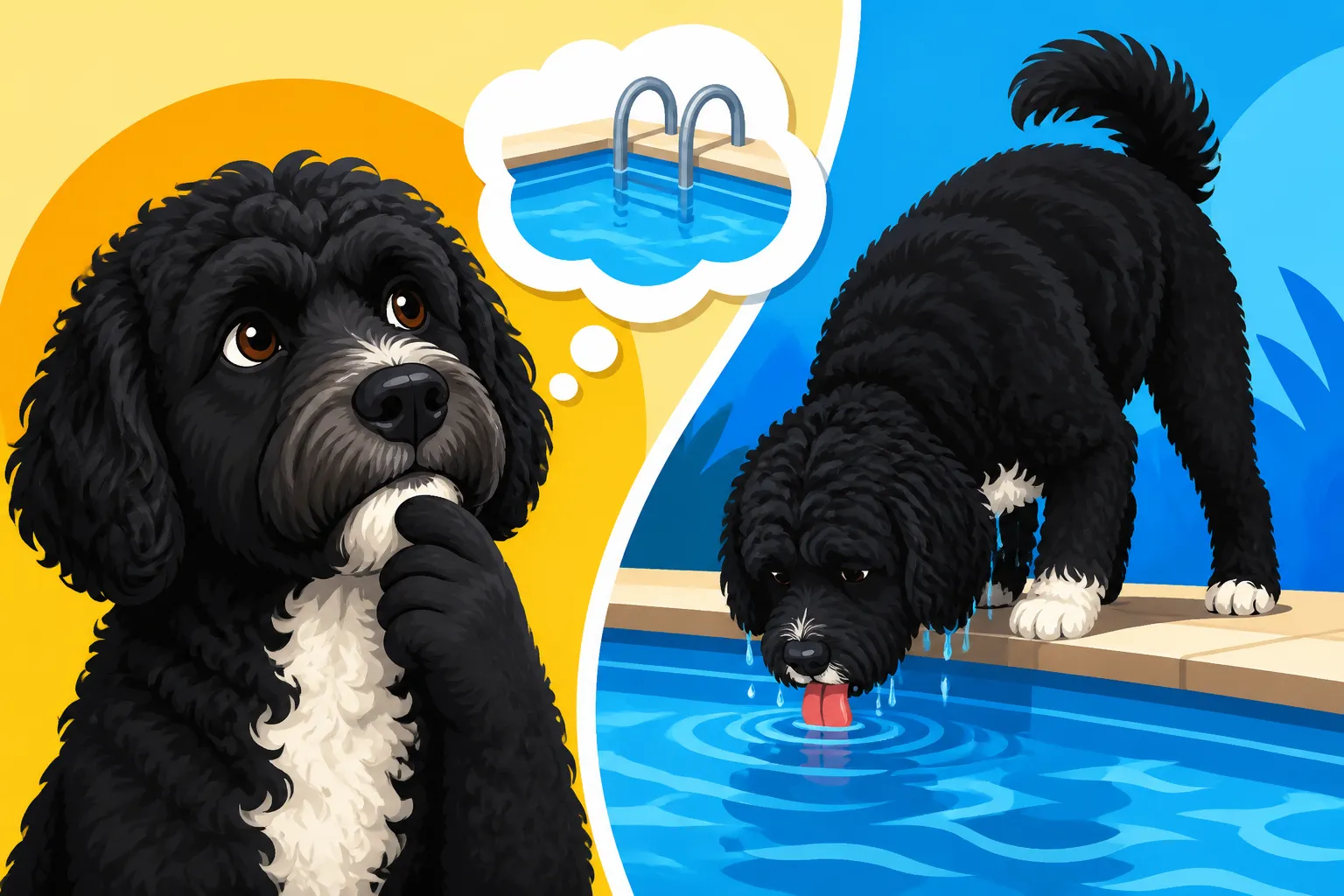
It’s a scenario many Portuguese Water Dog owners know all too well: you’re enjoying a beautiful day by the pool, perhaps watching your athletic companion joyfully splash and retrieve, only to notice them taking long, deliberate gulps of that shimmering, chlorinated water. The worry immediately sets in – is this harmful? How much is too much? This guide is dedicated to exploring the realities of Portuguese Water Dogs and pool water, detailing the risks, offering practical strategies to protect your pup, and giving you peace of mind.
Why Your Portuguese Water Dog Can't Resist a Sip
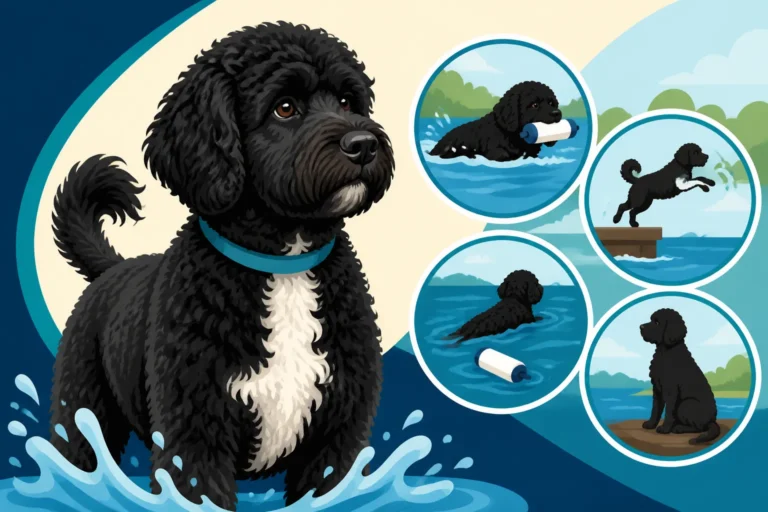
Portuguese Water Dogs are, quite literally, bred for the water. It’s in their name, their history, and their very being. For centuries, they worked alongside fishermen on the coasts of Portugal, retrieving lost gear, herding fish into nets, and even carrying messages between boats. This deep-seated instinct for aquatic environments means that for many PWDs, a body of water, especially one as inviting as a swimming pool, is an irresistible magnet.
The Instinctive Connection to Water
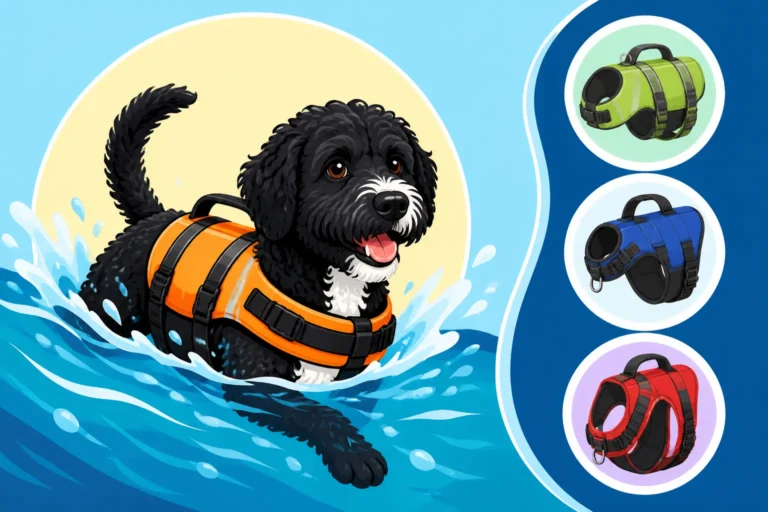
Think about it: from the moment a Portuguese Water Dog puppy is old enough to explore, water often becomes their favorite element. They have those wonderful webbed feet, a powerful rudder-like tail, and a dense, single coat that protects them in cold waters. It's not just a preference; it's a fundamental part of their genetic makeup. When they see a pool, their primal instincts kick in, inviting them to jump in, splash around, and yes, sometimes drink from it. It's a natural extension of their curiosity and their strong desire to interact with their environment, especially if that environment involves water. You can learn more about How Naturally a Portuguese Water Dog Swims in another one of our articles.
For them, the pool isn't just a place for exercise; it's a source of immense joy and stimulation. They’ll chase toys, swim laps, and dive with gusto. In the midst of all that excitement and exertion, it's easy for them to get thirsty. Unlike a dog running on dry land, where a water bowl is often close by and easily accessible, a dog playing in a pool might simply drink the nearest available liquid – the pool water itself. It's a quick, convenient way to quench a thirst that’s been stimulated by their energetic play.
Simple Thirst and the Thrill of the Moment
Beyond pure instinct, simple thirst is a major driver. A Portuguese Water Dog playing hard in the sun, even if it’s in the water, is going to get thirsty. The cool, refreshing look of pool water can be incredibly appealing, especially when they’re in the thick of a retrieving game or enjoying a good splash. They might not be differentiating between the clean, fresh water you provide in their bowl and the water they are currently immersed in. To them, it's all just water, and it's right there.
Sometimes, it’s also just part of the game. My own PWD, Finn, loves to mouth and play with the water itself. He'll bob for toys, splash with his mouth open, and in that process, he inevitably takes in some water. It's less about a deliberate drink and more about the sheer exuberance of play. This "accidental" ingestion is still a concern because even small amounts add up, and the cumulative effect of chlorine and other chemicals can begin to irritate their system. It's crucial to understand How Much Water a Portuguese Water Dog Drinks a Day when considering their overall hydration and potential exposure.
The Not-So-Refreshing Truth: Dangers of Pool Water for PWDs
While a casual sip here and there might not cause immediate alarm, regularly drinking pool water, especially in significant quantities, can pose several health risks to your Portuguese Water Dog. It's not just about the chlorine; there's a cocktail of chemicals and potential issues at play.
Chlorine and Chemical Irritation
The most obvious concern with pool water is the presence of chlorine and other sanitizing chemicals. These are essential for keeping the pool clean and free of bacteria, but they are not designed for internal consumption. Ingesting chlorinated water can irritate your dog's mouth, throat, and stomach lining. You might notice your PWD develop an upset stomach, exhibiting symptoms like vomiting or diarrhea after a swim session. In some cases, the chemicals can cause a burning sensation or discomfort, leading to a reluctance to eat or drink normally later.
Beyond immediate gastrointestinal upset, sustained exposure can have other subtle effects. Think about how your own skin and hair feel after a chlorinated swim; dogs experience similar, if not more pronounced, issues. Their skin can become dry and itchy, potentially leading to or exacerbating conditions like Whether a Portuguese Water Dog Gets Skin Allergies. Their beautiful, dense coat, which is designed to protect them, can also become dry and brittle over time if not rinsed thoroughly after every swim. It's a double whammy: internal irritation from drinking and external irritation from prolonged contact.
pH Imbalance and Other Contaminants
Pool water is also carefully pH balanced. When your dog drinks a significant amount of this water, it can temporarily alter the pH balance in their stomach, leading to digestive upset. Moreover, while chlorine is meant to kill bacteria, it doesn't eliminate everything. A busy pool can still harbor pathogens, especially if dogs have been swimming in it. Things like giardia, cryptosporidium, and other microscopic nasties can find their way into pool water, even well-maintained ones, and cause serious illness if ingested.
Consider the other substances that end up in a pool: suntan lotion, insect repellent, dirt, leaves, and even urine from other swimmers (human or canine). These might seem minor, but collectively they can contribute to a chemical load that is unhealthy for your dog. For those with saltwater pools, while it avoids chlorine, it introduces high levels of sodium. Ingesting too much saltwater can lead to hypernatremia (salt poisoning), which is a very serious condition. Symptoms range from vomiting and diarrhea to lethargy, seizures, and even coma. This risk is similar to Whether a Portuguese Water Dog Should Swim in the Ocean if they drink too much saltwater.
The Risk of Water Intoxication
While it might seem counterintuitive to worry about "too much water" for a dog that loves swimming, water intoxication is a real and dangerous threat. This condition, also known as hyponatremia, occurs when a dog ingests an excessive amount of water too quickly, diluting their electrolyte levels, particularly sodium, to a dangerously low point. This can cause cells, including brain cells, to swell. Portuguese Water Dogs, with their endless enthusiasm for water games like diving for toys, are particularly susceptible because they can gulp down large volumes of water without realizing it.
Signs of water intoxication can escalate rapidly. Initially, you might notice bloating, lethargy, vomiting, and loss of coordination. As it progresses, it can lead to staggering, dilated pupils, glazed eyes, excessive salivation, difficulty breathing, seizures, and collapse. It's a life-threatening emergency that requires immediate veterinary attention. This is why understanding Whether Water Intoxication Is a Risk for a Portuguese Water Dog is crucial, especially for breeds so devoted to water activities. It's not just about the chemicals in the pool; it's also about the sheer volume of liquid they might consume.
Strategies to Keep Your PWD Hydrated Safely (and Out of the Pool)
Preventing your Portuguese Water Dog from drinking pool water doesn't mean you have to ban them from swimming. It's all about proactive management, providing irresistible alternatives, and consistent training.
Always Offer Fresh Water Alternatives
This is perhaps the simplest and most effective strategy. Always have multiple bowls of fresh, clean water readily available around the pool area and in any resting spots. Make the fresh water more appealing than the pool water. You could even add a few ice cubes to their bowl to keep it extra cool and enticing, especially on hot days. I like to keep a large ceramic bowl filled with cold water right at the edge of the patio where Finn often flops down after a particularly energetic fetch session in the pool.
The key is consistency. Your PWD should never feel the need to drink from the pool because a better option isn't immediately at hand. Consider using a heavy, tip-proof bowl that can't be easily knocked over during enthusiastic play. Some owners even invest in a pet water fountain, which the continuous flow of fresh water can make even more attractive than still water in a bowl. Brands like PetSafe or Pioneer Pet offer various designs that can be found on Amazon, providing options that might appeal more to some dogs.
Structured Breaks and Training Cues
Another effective approach involves managing their time in the water and combining it with training. Don't let your PWD swim for hours on end without breaks. Schedule regular "dry time" intervals – every 15-20 minutes, call them out of the pool. During these breaks, offer them fresh water from their designated bowl. This helps them associate coming out of the pool with getting their thirst quenched properly. It also allows you to check for any signs of fatigue or overexertion.
You can also incorporate a "leave it" command or teach them to only drink from their bowl. Use high-value treats to reward them heavily when they choose their water bowl over the pool. Consistency is key here. If you catch them trying to drink from the pool, gently redirect them to their bowl. Resources like BAXTER & Bella's online training programs often emphasize these positive reinforcement techniques for teaching appropriate behaviors around various stimuli, which can be adapted for pool etiquette. Teaching a strong "wait" or Teaching a Portuguese Water Dog to Wait on the Bank command before they can even enter the water can also be a game-changer.
Physical Barriers and Supervision
Sometimes, training and fresh water aren't quite enough, especially with a particularly water-obsessed PWD or a new puppy. Physical barriers can be invaluable. If your dog isn't actively swimming, consider keeping them in a securely fenced area away from the pool, or use a leash under strict supervision. A pool cover when the pool isn't in use is also a non-negotiable safety measure, not just for drinking prevention but for preventing accidental falls.
For some dogs, the temptation is just too great, and they might try to sneak sips even with fresh water nearby. This is where vigilant supervision comes in. You might need to be a little bit of a "pool lifeguard" for your PWD, constantly monitoring their behavior in and around the water. If you notice them getting ready to drink, a quick verbal cue or a gentle redirection can interrupt the behavior. Remember, a quick rinse after every swim is also important for their coat and skin health, and you can read more about What to Do With a Portuguese Water Dog After a Swim for detailed guidance.
When to Worry: Signs Your PWD Drank Too Much Pool Water
Even with the best intentions and preventative measures, sometimes your PWD might sneak a few too many sips. Knowing what to look for can help you act quickly if there's a problem.
Mild Symptoms and Home Care
If your Portuguese Water Dog has only had a small amount of pool water, you might notice some mild, transient symptoms. These often include a slightly upset stomach, perhaps a soft stool or a single episode of vomiting. They might seem a little more thirsty than usual, or they might even have slightly red or irritated eyes from the splashing. In most cases of mild ingestion, these symptoms will resolve on their own within a few hours.
For mild symptoms, the best course of action is to simply monitor them closely. Ensure they have plenty of fresh water available to help flush their system. Encourage them to rest in a quiet, cool spot. Avoid feeding them immediately, but if they seem hungry a few hours later, offer a small, bland meal like boiled chicken and rice. If the vomiting or diarrhea is persistent or if any other symptoms arise, it's time to consider a call to your vet. Don't hesitate to seek advice if you're feeling uncertain or worried.
Severe Symptoms and When to Call the Vet
Severe symptoms indicate a more serious problem and warrant immediate veterinary attention. These signs can include:
- Persistent Vomiting and/or Diarrhea: More than a few episodes, or if it continues for several hours.
- Lethargy and Weakness: Your normally energetic PWD seems unusually tired, weak, or unresponsive.
- Bloating or Abdominal Discomfort: Their belly might look distended or they might vocalize pain when touched.
- Neurological Signs: This is particularly concerning and can point to water intoxication. Look for staggering, disorientation, loss of coordination, dilated pupils, glazed eyes, excessive drooling, muscle tremors, or seizures.
- Collapse or Loss of Consciousness: An immediate emergency.
| Symptom Severity | Mild | Moderate | Severe (Emergency) |
|---|---|---|---|
| Gastrointestinal | Soft stool, single vomit, increased thirst | Multiple vomits/diarrhea, abdominal tenderness | Persistent vomiting/diarrhea, severe bloating |
| Behavioral | Slightly subdued, normal appetite | Noticeable lethargy, reduced appetite | Extreme weakness, unresponsiveness, disorientation |
| Neurological | None | Mild tremors (rare) | Staggering, seizures, collapse, coma |
| Other | Mild eye irritation | Dry mouth, increased urination | Rapid breathing, pale gums, cold extremities |
If you observe any of these severe signs, do not wait. Get your Portuguese Water Dog to an emergency veterinary clinic right away. These symptoms can be indicative of water intoxication or severe chemical poisoning, both of which are critical conditions that require professional medical intervention. Time is of the essence in these situations, and early treatment can significantly improve your dog's prognosis. Be ready to provide your vet with as much information as possible, including how long your dog was in the pool, how much water you think they might have consumed, and any specific pool chemicals you use.
Long-Term Considerations for Pool-Loving PWDs
Owning a Portuguese Water Dog often means a life shared with water, and if that includes a pool, it’s a lifestyle you can absolutely embrace with a few long-term considerations. Their health and happiness are intertwined with their ability to swim, but always with safety in mind.
Regular Health Checks and Awareness
Maintaining regular veterinary check-ups is always important, but even more so for a dog that frequently interacts with pool water. Discuss your PWD's swimming habits with your vet. They might recommend specific tests or offer advice tailored to your dog's individual health profile. For example, if your dog is constantly in the water, your vet might suggest keeping an eye on their kidney function or other internal organ health over time, especially if they are frequently ingesting pool water.
Beyond internal health, pay close attention to their external well-being. Regular ear checks are essential, as their floppy ears can trap moisture, making them prone to infections. Learn Why a Portuguese Water Dog's Ears Need Checking Every Week and make it a consistent routine after every swim. Similarly, inspect their skin for any signs of dryness, redness, or irritation that could be linked to chemical exposure. Early detection of any issues, whether internal or external, allows for quicker and more effective treatment.
Maintaining Optimal Pool Chemistry
While you can't eliminate chemicals from a chlorinated pool, you can ensure the chemistry is perfectly balanced. Over-chlorinating or having an incorrect pH can make the water much more irritating and harmful if ingested. Regular testing of your pool water is crucial, not just for your family's health but for your PWD's as well. Follow manufacturer guidelines for chemical levels strictly. If you use alternative sanitizers like bromine or ozone, research their specific effects on dogs and consult your vet for advice.
Some pool owners opt for less harsh sanitation systems, such as mineral systems or even natural swimming ponds, if suitable for their property and local regulations. While these might reduce chemical exposure, they don't necessarily eliminate all risks, as bacterial loads can still be a concern. Whatever system you choose, diligent maintenance and awareness of what's in the water are paramount. Remember, the cleaner and more balanced the water, the less harmful it will be should your enthusiastic PWD decide to take a drink.
The Importance of Post-Swim Care
After every swim, regardless of how short, a thorough rinse with clean, fresh water is non-negotiable for your Portuguese Water Dog. This helps remove chlorine, salt, or other chemicals from their coat and skin, preventing dryness, irritation, and matting. Use a gentle dog shampoo and conditioner periodically, not just after every swim, but often enough to maintain their coat's health. You can find many suitable shampoos and conditioners on Amazon. Pay special attention to rinsing their eyes with a gentle saline solution if they seem irritated.
Perhaps just as important as rinsing is ensuring your PWD is thoroughly dried, especially in and around their ears and paw pads. Their dense coat, while great for insulation in the water, can hold moisture against the skin, creating a breeding ground for yeast and bacterial infections. A powerful force dryer, like those used by professional groomers, can be a great investment for quick and efficient drying. If you're letting them air dry, make sure it's in a warm, well-ventilated area, and monitor for any signs of skin irritation or dampness. Taking these steps proactively ensures that their love for swimming doesn't lead to preventable health issues down the road.
Disclaimer
This article is for general informational purposes only and does not constitute professional advice. Laws, prices and regulations vary by location and change over time. Consult a qualified professional for guidance on your specific situation.