How Short a Portuguese Water Dog Can Be Clipped
It’s a common dilemma for Portuguese Water Dog owners, isn't it? We love their gorgeous, water-ready coats, but sometimes the sheer volume of hair, or the battle with mats, makes us wonder just how short we can really go. Many of us worry about stripping away their natural protection or making them look "un-PWD-like," but the truth is, balancing health, comfort, and aesthetics when it comes to clipping your Portuguese Water Dog requires understanding their unique coat and lifestyle. This guide will help you navigate the world of PWD grooming lengths, ensuring your beloved companion stays healthy and happy, no matter the season or activity.
Understanding the Portuguese Water Dog Coat's Purpose
Before we even pick up the clippers, it's vital to remember what your Portuguese Water Dog's coat is designed to do. These aren't just pretty curls or waves; they're a highly functional, specialized piece of canine equipment, perfected over centuries to work in harsh marine environments.
The Natural Insulation and Protection
Your Portuguese Water Dog's coat is a single coat, meaning it lacks the soft, dense undercoat found in many cold-weather breeds. This single layer, whether curly or wavy, is incredibly dense and water-repellent. It acts like a wetsuit, providing critical insulation in frigid ocean waters while also protecting their skin from sun exposure and abrasions. Think about a fisherman working off the coast of Portugal; his dog needed to withstand salty spray, cold dives, and long hours under the sun. That coat was their armor.
When you shave a PWD too short, you're removing that natural wetsuit. The skin underneath is suddenly exposed to elements it wasn't meant to face directly. This can lead to issues like sunburn, especially on lighter-skinned dogs, or make them susceptible to chilling in cold water or air. It's a delicate balance between managing the coat and maintaining its protective qualities. For more on this unique characteristic, check out Why a Portuguese Water Dog has a single coat.
Why the Coat Doesn't Function Like Other Breeds'
Unlike many breeds that "blow coat" or shed profusely, a Portuguese Water Dog's hair grows continuously. This is why they're often considered a good choice for people with allergies, as they don't shed dander-laden hair all over your home in the same way. However, this non-shedding trait comes with a significant responsibility: regular grooming is non-negotiable. Without it, those beautiful curls or waves will quickly mat into a solid, painful felt against their skin.
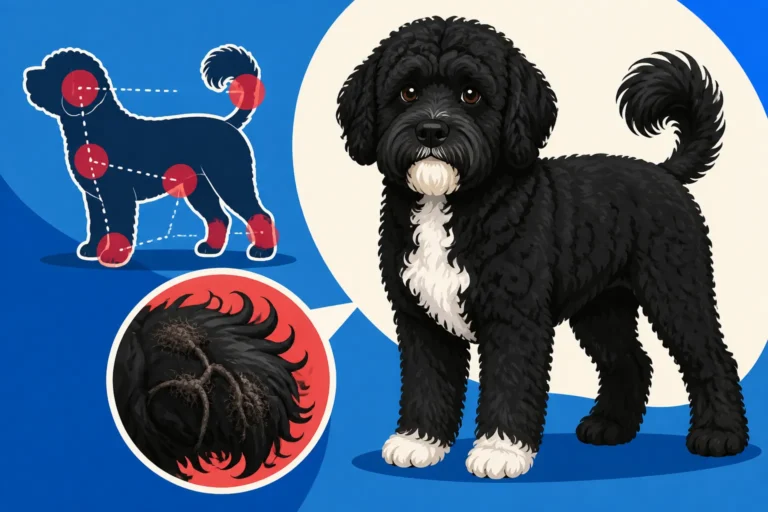
A matted coat isn't just unsightly; it pulls on the skin, causing discomfort and potentially leading to skin infections, hot spots, and even impeding movement. These mats also trap moisture, creating a breeding ground for bacteria and fungi. Because their coat grows constantly, it requires consistent trimming to maintain a manageable length, prevent matting, and keep it healthy. This continuous growth is also why it's so important to understand Whether a Portuguese Water Dog Sheds so you can manage grooming expectations.
The Practicalities of Clipping: What's Too Short?
The question of "how short is too short?" often stems from a good place: wanting to keep our dogs comfortable and healthy. But there's a fine line between a practical, tidy clip and one that might inadvertently cause more problems.
The Risks of a "Naked" Clip
Taking your Portuguese Water Dog down to a very short or "naked" clip (think a #10 blade, which leaves very little hair) might seem like an easy solution for matting or hot weather, but it carries significant risks. The most immediate concern is sunburn. Their skin, particularly on the back, ears, and belly, is highly susceptible to sun damage when exposed without the protective layer of hair. Just like humans, dogs can get sunburn, which is painful and can increase the risk of skin cancer over time.
Beyond sunburn, a super-short clip removes the natural insulation that protects them from both heat and cold. In hot weather, a short coat might seem logical, but a layer of hair actually helps trap air, creating a barrier that prevents direct sunlight from heating the skin. It also aids in cooling. In colder temperatures, removing this insulation can make them shiver and struggle to regulate their body temperature, especially after a swim. Furthermore, this extreme shortness can make their skin more vulnerable to nicks and irritation during the grooming process itself.
Finding the Balance for Comfort and Health
The ideal coat length for your Portuguese Water Dog is a balance between protection, ease of maintenance, and their individual lifestyle. A good rule of thumb is to avoid going shorter than about 1/4 inch (approximately a #7F or #5F blade on most clippers), especially on the body, unless there's a specific medical reason. This length usually leaves enough hair to offer some protection from the elements, while still being short enough to be manageable and reduce matting.
Consider your dog's activities. Is your PWD a dedicated water dog, spending hours in the lake or ocean? A slightly longer coat will offer more protection against the cold and sun. Do they spend most of their time indoors, with occasional walks? A shorter, easier-care clip might be perfect. You'll want to assess their skin condition regularly, regardless of clip length, to ensure there are no irritations, especially if you experiment with different lengths. This thoughtful approach ensures that your PWD remains comfortable and healthy, whether they're frolicking in the park or diving into the water.
Different Clip Styles and Their Lengths
Portuguese Water Dogs can wear a variety of clips, each with its own benefits and typical lengths. Understanding these can help you decide what's best for your dog.
The Retriever Clip: A Functional Favorite
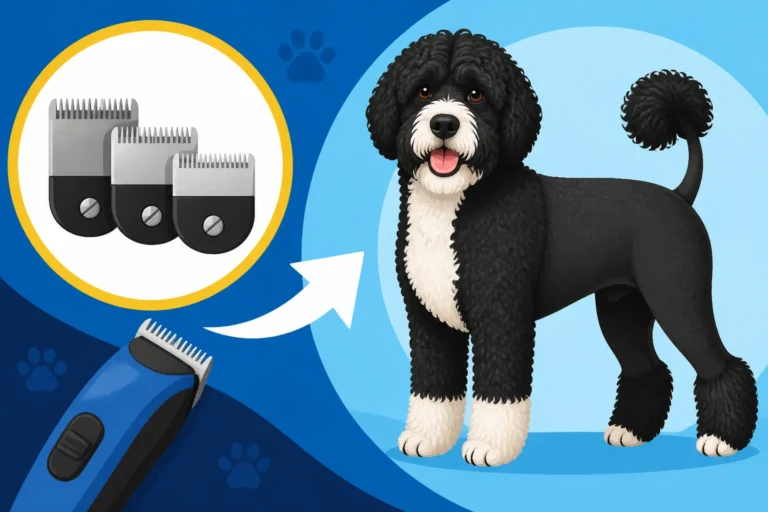
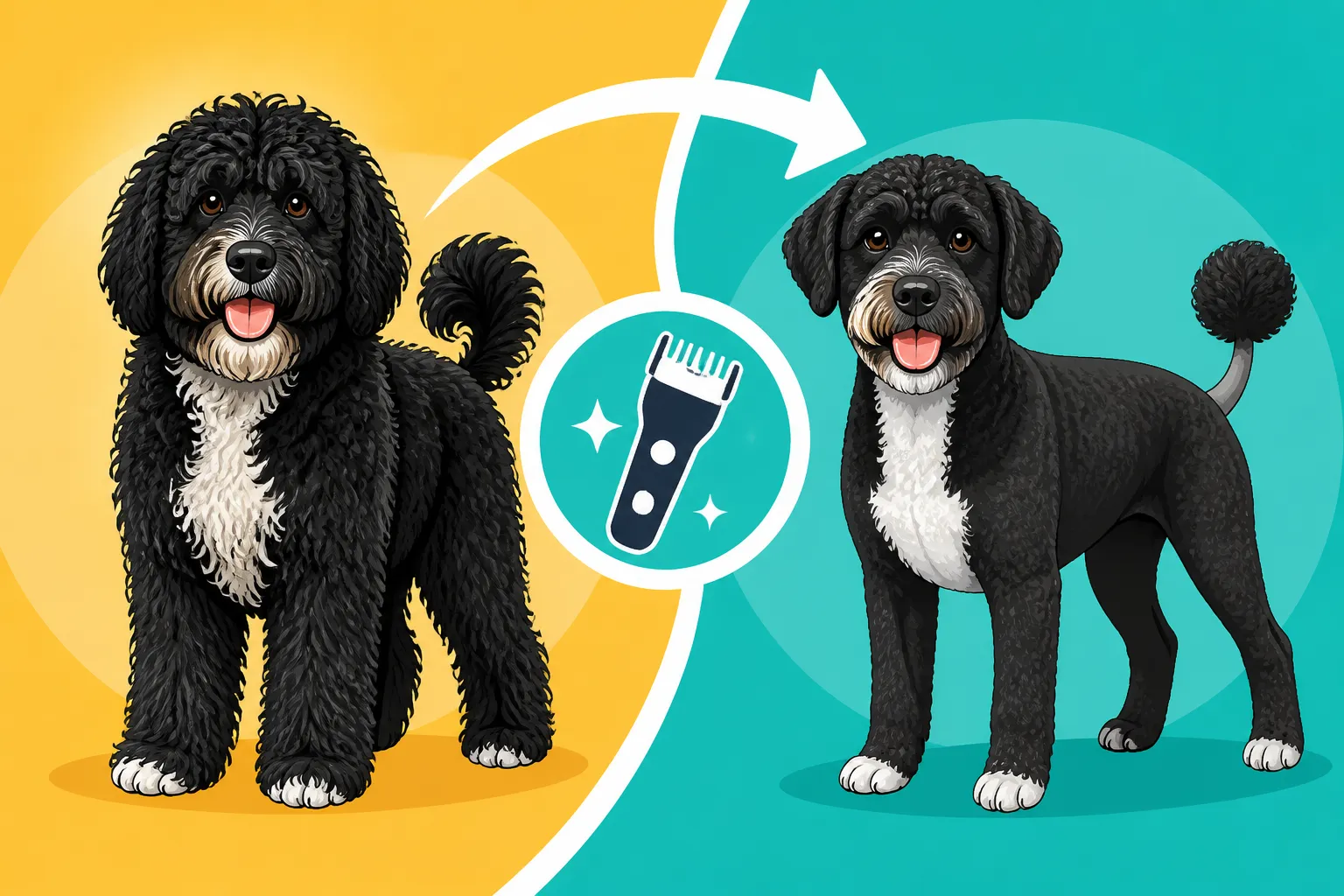
The Retriever Clip is by far the most popular and practical choice for pet Portuguese Water Dogs. It’s designed for function, keeping the coat at a manageable length while still offering protection. Typically, a Retriever Clip leaves the hair on the body between 1/2 inch and 1 inch long. The head is usually left a bit longer, giving them that characteristic intelligent and endearing look, and the tail is often left with a plume at the end. The legs are generally kept in proportion to the body, neither shaved nor left overly long.
This clip is fantastic for active dogs. It reduces the likelihood of mats, especially after swimming, as there's less hair to tangle. It's also easier to dry and keeps them comfortable without stripping away their natural defenses. Regular brushing is still essential, but the frequency can be slightly less demanding than with a very long coat. It strikes a perfect balance between looking neat and being functional for a dog bred to work. You can learn more about this popular choice in The Retriever Clip Is the Coat Most Portuguese Water Dogs Wear.
The Lion Clip: Tradition Meets Practicality
The Lion Clip is the traditional show clip for the Portuguese Water Dog, and it's certainly a head-turner. This clip involves shaving the hindquarters, muzzle, and a portion of the tail down very short, while leaving the rest of the coat (forequarters, head, and a plume on the tail) long. Historically, this clip was functional; the shaved hindquarters helped with swimming efficiency by reducing drag, while the longer coat on the front provided warmth to the vital organs in cold water.
While visually striking, the Lion Clip demands significant maintenance for the long sections and leaves a large portion of the dog's body very exposed. For a pet dog, it often requires more frequent professional grooming to maintain the distinct lines and prevent matting in the longer areas. If you're considering this clip for your PWD, be prepared for the extra commitment, and remember to protect those shaved areas from sunburn. It's a testament to the breed's heritage, as explored in Why the Portuguese Water Dog Lion Clip Exists.
Practical Pet Clips: Going Shorter with Care
Beyond the standard Retriever and Lion clips, many pet owners opt for even shorter, more uniform "pet clips" for ease of care. These clips typically involve using a #7F, #5F, or even a #4F blade over the entire body, leaving the coat between 1/4 inch and 3/8 inch long. The goal here is ultimate manageability, especially for dogs prone to severe matting, or owners with limited time for extensive grooming.
While these shorter clips can be a lifesaver in terms of daily maintenance, it's crucial to remember the risks of taking the coat too short. A #7F blade will leave a short, velvety coat that offers some protection, but a #10 blade (which is usually reserved for sanitary areas or severely matted dogs needing a complete shave-down) leaves the skin almost bare. If you opt for a very short pet clip, ensure your dog is protected from sun exposure with dog-specific sunscreen or by limiting their time in direct sunlight. Always discuss these options with your groomer to ensure the chosen length is appropriate for your dog's coat type, skin health, and lifestyle.
Here’s a quick overview of common clip lengths and their considerations:
| Blade Size (approx.) | Hair Length (approx.) | Common Use | Pros | Cons |
|---|---|---|---|---|
| #10 | 1/16 inch | Sanitary areas, full shave | Easiest for severe matting, medical needs | Very prone to sunburn, poor insulation |
| #7F | 1/8 inch | Short pet clip | Great for reducing mats, quicker drying | Still needs sun protection, less insulation |
| #5F | 1/4 inch | Moderate pet clip, Lion clip | Manageable, good balance of protection | Can still sunburn if fair-skinned, less warmth |
| #4F | 3/8 inch | Slightly longer pet clip | More protection, still easy to maintain | May mat quicker than #5F/7F, longer drying |
| 1/2" to 1" Comb | 1/2 inch to 1 inch | Retriever clip (most common) | Optimal protection, traditional look, less matting | Requires more frequent brushing than shorter clips |
Grooming Tools and Techniques for Safe Clipping
Clipping a Portuguese Water Dog, especially if you're aiming for a specific length or dealing with a dense coat, isn't quite as simple as just running clippers over them. The right tools and technique are paramount to ensure their comfort and a good result.
Choosing the Right Clippers and Blades
For a Portuguese Water Dog's dense, often curly or wavy coat, you need heavy-duty clippers. Standard pet store clippers designed for light trimming just won't cut it (literally!). You'll want a professional-grade clipper that's powerful enough to glide through their thick hair without snagging or overheating. Brands like Andis or Wahl Professional are often recommended by groomers for their durability and power. You can often find a good selection of these and compatible blades on sites like Chewy or Amazon.
Beyond the clipper itself, selecting the correct blades is crucial for achieving your desired length safely. Blades are numbered, and the higher the number, the shorter the cut. An "F" after the number (e.g., #7F, #5F) means it's a "finish" blade, which leaves a smooth, even cut. For longer lengths, you'll often use a skip-tooth blade (e.g., #4 Skip) or, more commonly for pet clips, a metal comb attachment over a shorter blade (like a #30 or #40) to leave the coat much longer. Always have several blades on hand, as they can get hot and dull quickly. Proper cooling spray and cleaning between uses will extend their life and keep your dog comfortable.
The Importance of a Professional or Proper Home Technique
While some owners bravely take on the task of home grooming, it’s a skill that requires practice and patience. If you're new to it, investing in a few sessions with a professional groomer to learn the ropes can be invaluable. They can teach you how to handle the clippers safely, stretch the skin to prevent nicks, and properly prep the coat (bathing, drying, and brushing thoroughly before clipping is essential!). An improperly groomed coat can lead to skin irritation, cuts, or an uneven, unsightly finish.
A common mistake for home groomers is trying to clip a dirty or matted coat. This can damage your blades, overheat your clippers, and, most importantly, be incredibly painful and dangerous for your dog. Always start with a clean, fully brushed-out, and thoroughly dry dog. If you’re considering taking on this task, or simply want to understand the time commitment involved, you might find our guide on How Long Home Grooming a Portuguese Water Dog Takes Weekly quite helpful. Remember, if you’re unsure, a professional groomer is always the safest bet.
After the Clip: Protecting Your PWD
Once your Portuguese Water Dog has had their fresh new clip, your job isn't quite done. Depending on how short you went, there are still important considerations to keep them safe and comfortable.
Sun Protection and Skin Care
If you've opted for a shorter clip, especially during warmer months or if your dog spends a lot of time outdoors, sun protection becomes critical. Exposed skin, particularly on the back, top of the head, and around the ears, can quickly sunburn. Just like human sunburn, this is painful for your dog and increases their risk of skin issues later on. Look for dog-specific sunscreens that are non-toxic if licked, and apply them to any areas where the skin is exposed.
Beyond sunscreen, keeping an eye on their skin health is important. A shorter coat means you can more easily spot any redness, irritation, dry patches, or suspicious lumps that might have been hidden by a longer coat. Regular checks, especially after a swim in chlorinated or saltwater, can help catch issues early. A good quality, moisturizing shampoo and conditioner designed for dogs can also help maintain skin health, which you can often find readily available from retailers like Chewy.
Staying Warm in Cooler Weather
Conversely, if you've given your Portuguese Water Dog a very short clip as the weather starts to cool, their natural insulation will be significantly reduced. While they are a hardy breed, a short coat can make them more susceptible to the cold. For walks in brisk weather, or if they spend time outdoors in cooler temperatures, consider a dog coat or sweater. This is particularly true for older dogs or those with health conditions that might make them more sensitive to temperature changes.
It's about being observant. If your PWD is shivering, seems reluctant to go outside, or is curling up unusually tightly, they might be telling you they're cold. A simple dog jacket can make a world of difference, allowing them to still enjoy their outdoor activities comfortably. Understanding when they might need this extra layer is key to their well-being, and our article on When a Portuguese Water Dog Needs a Coat in Winter provides more insights.
Seasonal Considerations and Lifestyle Factors
The "best" clip length for your Portuguese Water Dog isn't static; it often changes with the seasons and depends heavily on their daily life and activities. What works perfectly in summer might leave them shivering in winter.
Adjusting Clips for Summer Fun
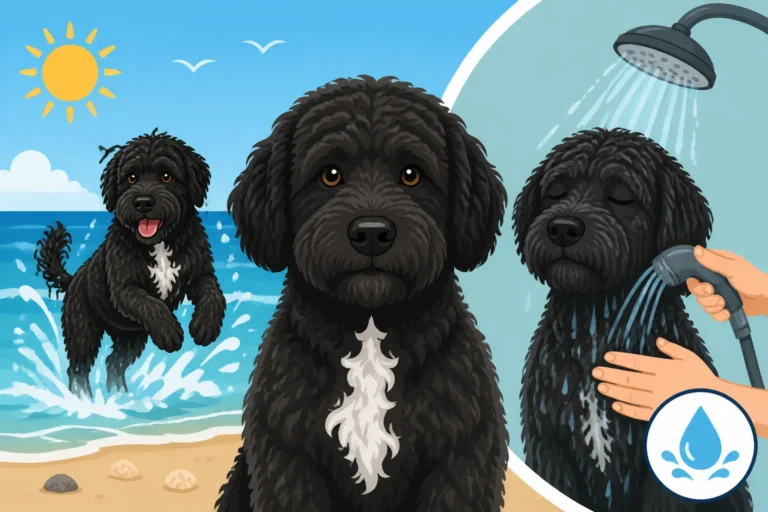
Summer is prime time for most Portuguese Water Dogs, especially those who love to swim and play in the water. A shorter, more manageable clip can be incredibly beneficial. It reduces the risk of matting that can occur with frequent swimming, helps them dry faster, and can make it easier for owners to check for ticks or other outdoor nuisances. Many owners opt for a Retriever-style clip, or a slightly shorter pet clip, during the warmer months. This length offers a good balance: short enough for easy care, but long enough to still provide some sun protection.
However, even with a shorter summer clip, vigilance against overheating is still paramount. While their coat helps, it's not a foolproof shield. Always provide plenty of fresh water, access to shade, and avoid strenuous exercise during the hottest parts of the day. And, as mentioned, if you go very short, remember that Whether a Clipped Portuguese Water Dog Sunburns is a real concern, so sunscreen is your friend.
Winter Warmth and Coat Management
When the mercury drops, your Portuguese Water Dog's coat becomes their primary defense against the cold. Many owners choose to let their PWD's coat grow a bit longer during the winter months to provide maximum insulation. A coat length of 1 inch or more can help trap warm air close to their body, especially if they are still enjoying winter swims or spending time outdoors in cold conditions. This longer coat will require more diligent brushing to prevent mats, as thick, wet hair is a prime candidate for tangles.
If your PWD is still an avid swimmer in colder water, a longer coat is especially beneficial. However, ensure that you thoroughly dry them after any aquatic adventures to prevent chilling. Even with their insulating coat, prolonged dampness in freezing temperatures can be dangerous. Understanding What Temperature Water Is Too Cold for a Portuguese Water Dog is important for their safety. For dogs that primarily stay indoors and only go out for short walks, a consistent, medium-length clip might be fine year-round, but always be prepared with a dog coat if they seem cold.
Remember, the goal is always to prioritize your PWD's health and comfort. Regular checks of their skin, observations of their behavior in different temperatures, and communication with your groomer will help you decide on the perfect clip length for every season and stage of their active life.
Disclaimer
This article is for general informational purposes only and does not constitute professional advice. Laws, prices and regulations vary by location and change over time. Consult a qualified professional for guidance on your specific situation.