Whether an Aging Portuguese Water Dog Needs a Warmer Bed
As our beloved Portuguese Water Dogs age, it's natural for us to start noticing little changes in their routines and comfort levels. One common concern that pops up, especially during cooler months or even in a drafty room, is whether our older, faithful companions need a warmer spot to rest their weary bones. It’s not just about spoiling them; it’s about understanding their changing physiology and providing the best possible support for their golden years, ensuring they remain cozy and free from unnecessary discomfort. This guide will dive deep into why an aging Portuguese Water Dog might benefit from a warmer bed and what options are out there to keep them snug.
Understanding Your Senior Portuguese Water Dog's Changing Needs
It’s heartbreaking to watch our once-energetic PWDs slow down, but it’s a natural part of life. Just like us, as dogs age, their bodies undergo a lot of shifts that can make them more susceptible to cold and discomfort. What once was a perfectly fine sleeping spot might now be too chilly, leading to stiffness and even exacerbating existing health issues. Recognizing these changes is the first step toward providing the optimal comfort your senior companion deserves.
The Impact of Aging on Body Temperature Regulation
Think about how you feel a bit chillier as you get older, even when others are comfortable. The same goes for our Portuguese Water Dogs. Their metabolism, which generates internal heat, tends to slow down with age. This isn't a sudden drop but a gradual process, meaning their bodies simply aren't as efficient at keeping themselves warm as they once were. What might have been a comfortable ambient temperature for them in their younger years could now feel quite cool, leaving them seeking out sunbeams or huddling under blankets more often.
Beyond a slower metabolism, older dogs can also experience changes in their circulatory system, leading to poorer blood flow, especially to their extremities. This means paws, ears, and tails can get colder faster, and it takes more effort for their body to warm them back up. You might notice your aging PWD shivering slightly more often, or even seeking out warm air vents, which is a clear sign their internal thermostat isn't quite as robust as it used to be. Providing a dedicated warm space helps their body conserve energy rather than expending it trying to stay warm.
Lastly, general muscle mass tends to decrease with age, even in active breeds like the Portuguese Water Dog. Muscle acts as an insulator and a heat generator. As this mass diminishes, particularly over bony areas, they lose a natural layer of warmth and cushioning. This makes them more vulnerable to cold seeping in from a floor or a thin bed. A warmer bed isn't just about surface heat; it's about insulating them from the cold and giving their bodies a fighting chance to maintain a comfortable core temperature. For more insights on their golden years, check out Caring for an Aging Portuguese Water Dog.
Common Aches and Pains That Benefit from Warmth
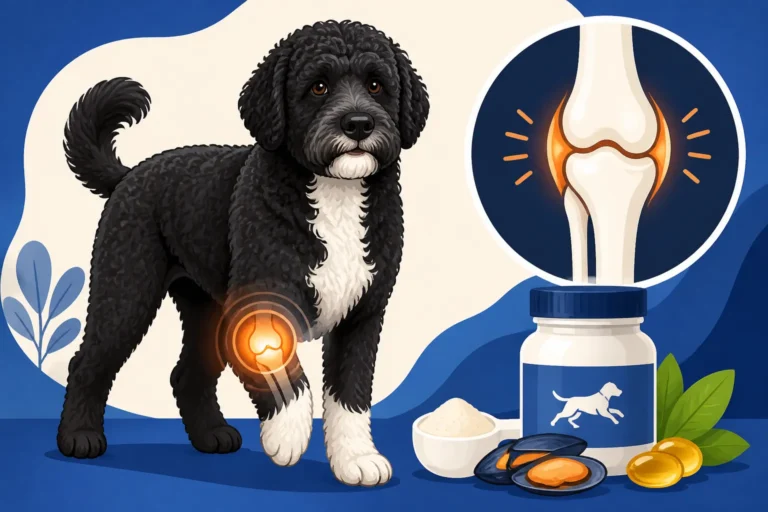
This is often the big one for senior dogs. Arthritis, hip dysplasia, elbow dysplasia – these joint conditions become more prevalent as our PWDs age. The Age a Portuguese Water Dog Gets Arthritis can vary, but once it sets in, cold weather or even cool surfaces can make the stiffness and pain significantly worse. Imagine your own stiff joints on a chilly morning; it's a similar experience for them. Warmth can act as a natural analgesic, helping to relax muscles around affected joints and increase blood flow, which in turn can reduce inflammation and provide much-needed relief.
Beyond arthritis, older dogs can suffer from general body aches, nerve pain, or even conditions like spinal issues. A warm, supportive bed can make a world of difference in managing these chronic pains. It's not a cure, of course, but it's a vital part of making their daily life more comfortable. You might observe your senior PWD struggling to get up after lying down, or becoming a bit more vocal when stretching; these are often signs that pain is present. A heated or well-insulated bed can help ease these transitions and allow for more restful sleep, which is crucial for healing and overall well-being.
Furthermore, warmth can improve circulation, which is beneficial for dogs recovering from injuries or surgery, or those with other chronic conditions that affect mobility. When muscles are warm and relaxed, they are less prone to cramping and stiffness. This means your aging PWD might be more inclined to move around, even if just for a short walk or a gentle swim, which helps maintain muscle tone and joint flexibility. It’s all interconnected: warmth leads to comfort, comfort leads to better mobility, and better mobility leads to a higher quality of life.
How Coat Changes Affect Comfort
The glorious, dense coat of a Portuguese Water Dog is a wonder, designed to protect them from the elements and cold water. However, even this fantastic coat can change with age. You might notice What Changes in an Aging Portuguese Water Dog's Coat; it might thin in certain areas, become coarser, or even change texture, potentially making them less insulated than they were in their prime. This subtle change, combined with the metabolic slowdown, can leave them feeling much colder, particularly when lying on hard or cool surfaces.
A thinner or less dense coat simply doesn't trap body heat as effectively as it once did. While a PWD's coat is generally non-shedding, the individual hairs can become weaker or less numerous. If you groom your senior PWD regularly, you might notice these changes over time. This means that a bed that was perfectly adequate for their dense, insulating younger coat might now offer insufficient warmth, especially if they are spending more time resting.
Even if their coat remains thick, an aging PWD might simply feel the cold more acutely due to underlying health issues or decreased activity. Their body isn't generating as much internal heat, and a great coat can only do so much to compensate. So, while their magnificent curls or waves are still there, they might not provide the same level of comfort against the cold as they once did. This is where an external source of warmth, like a specially designed bed, becomes incredibly valuable.
Types of Warmer Beds and What to Look For
So, you’ve decided your senior Portuguese Water Dog could benefit from a warmer bed. Great! Now, navigating the myriad of options can feel a bit overwhelming. The good news is that there are many fantastic products out there designed with older dogs in mind, offering different levels of warmth and support. The key is to consider your dog's specific needs, your home environment, and your budget.
Orthopedic Beds with Insulating Properties
First and foremost, for an aging Portuguese Water Dog, an orthopedic bed is almost always a non-negotiable. These beds are designed with high-density foam, often memory foam, that contours to your dog's body, providing superior support for aching joints and muscles. This isn't just about comfort; it helps evenly distribute their weight, reducing pressure points that can lead to soreness and stiffness. Many brands, including those found on Chewy or Amazon, offer excellent orthopedic options.
Beyond just the foam, look for orthopedic beds that also boast insulating properties. Some are designed with multiple layers, where the base layer might be a dense foam to keep cold from the floor from penetrating, and the top layers are softer and retain body heat. Thick bolsters around the edge can also provide a sense of security and a warm place for them to lean or rest their head, adding to the overall coziness factor. Think of it as a warm hug for their entire body.
When selecting an orthopedic bed, consider its thickness and density. A thicker bed with high-quality foam will provide better support and insulation, and will also hold up longer to repeated use. For a large breed like a Portuguese Water Dog, you want a bed that won't flatten out quickly, leaving them lying on a hard floor within a few months. Investing in a good quality orthopedic bed upfront can save you money and, more importantly, save your dog a lot of discomfort in the long run.
| Bed Type | Key Benefit | Ideal For | Considerations |
|---|---|---|---|
| Orthopedic (Insulated) | Superior joint support, good cold barrier | Dogs with arthritis/joint pain, general senior comfort | No active heat, relies on body heat, can be bulky |
| Self-Warming | Reflects body heat, no electricity | Mildly chilly environments, dogs who prefer subtle warmth, outdoor use | Not actively heated, effectiveness varies with ambient temperature |
| Heated (Electric) | Consistent, adjustable warmth, therapeutic | Severe joint pain, very cold homes, dogs who are always cold | Requires electricity, safety features (auto-shutoff, chew-resistant cord) are crucial |
| Elevated/Cot Beds | Keeps dog off cold floor, promotes airflow | Warmer climates, dogs needing airflow, can be combined with other beds | Not inherently warm, provides insulation by elevation only, may not be soft enough |
Self-Warming and Heated Bed Options
For that extra touch of warmth, self-warming beds are a fantastic non-electric option. These beds typically feature a special thermal layer, often made from reflective material, that traps and reflects your dog's own body heat back to them. It's like a built-in blanket without the bulk, and because there's no electricity involved, they're safe for continuous use and can be placed anywhere without worrying about power outlets or cords. They're a great choice for dogs who need a little extra warmth but aren't necessarily in a freezing environment.
Then there are heated dog beds, which take warmth to the next level with active electric heating elements. These beds are often thermostatically controlled, meaning they maintain a consistent, gentle warmth, usually just above body temperature, which is incredibly therapeutic for stiff joints and muscles. Some models even offer adjustable temperature settings. When considering a heated bed, always prioritize safety: look for models with chew-resistant cords, automatic shut-off features, and reputable certifications. They're an excellent investment for PWDs with significant arthritis or those who live in particularly cold climates.
It’s important to distinguish between indoor and outdoor heated beds if your Portuguese Water Dog spends time outside in colder weather. Outdoor heated beds are built to withstand the elements and provide safe, consistent warmth even in harsh conditions, using durable, waterproof materials. For indoor use, a softer, more plush heated bed is often preferred. Reputable pet supply stores, including large retailers like Chewy and Amazon, carry a wide range of both self-warming and heated beds, making it easy to find one that suits your PWD's specific needs and your home setup.
Materials and Design for Maximum Coziness
Beyond the heating mechanism, the materials and design of a bed play a huge role in its coziness and effectiveness. For an aging Portuguese Water Dog, you want soft, plush fabrics that feel inviting and can help trap warmth. Fleece, faux fur, or micro-suede are all excellent choices. These materials are gentle on sensitive skin and offer a comforting texture that encourages rest. Avoid thin, rough, or easily worn fabrics that won't provide adequate cushioning or insulation.
Consider the overall design of the bed. Many senior dogs appreciate beds with bolstered sides, which provide a feeling of security and a place to rest their head, almost like a pillow. These bolsters also help to block drafts and keep warmth contained within the sleeping area. A "nesting" style bed can be particularly appealing, as it allows your PWD to curl up and feel protected. However, make sure the bolsters aren't so high that an arthritic dog struggles to step into or out of the bed.
Finally, think about practicality. For a Portuguese Water Dog, especially one that might still enjoy a splash, you’ll want a bed with a removable, machine-washable cover. Accidents happen, and easy cleaning is a blessing. Look for durable zippers and stitching that can withstand frequent washing. A good quality bed is an investment in your dog’s comfort and health, so choosing one that is both cozy and easy to maintain will benefit both of you in the long run.
Beyond the Bed: Creating an All-Around Warm Environment
While a warm, orthopedic bed is a cornerstone of comfort for an aging Portuguese Water Dog, it's just one piece of the puzzle. Creating an overall warm and supportive environment is crucial, extending beyond their sleeping spot to their daily routine and even what they wear. Every little bit helps to combat the chill and ensure your senior companion feels loved and comfortable throughout their golden years.
Strategic Placement of Beds
The location of your aging PWD's bed is just as important as the bed itself. Even the warmest bed won't be enough if it's placed in a constantly drafty area. Scout out the warmest, coziest spots in your home. Think about areas away from exterior doors, leaky windows, or high-traffic hallways where cold air might frequently rush by. A corner in a living room, a quiet spot in your bedroom, or even near a gentle heat source (but not too close to cause overheating!) are ideal.
Avoid placing their bed directly on cold tile or concrete floors, especially without a thick rug or insulation underneath, as cold can radiate up through even the thickest bed. If your PWD has a favorite spot that happens to be a bit cool, consider adding an extra mat or blanket beneath their bed for an additional layer of insulation. Observe where your dog naturally gravitates for warmth; they'll often tell you what spots they prefer. If they're constantly seeking sunbeams or curling up tightly, it's a sign they're feeling the cold.
Remember that light can also affect warmth. A spot that gets direct sunlight for part of the day can be a wonderfully warm napping spot, but ensure there's also a cooler option for them to move to if they get too warm. Just like we move around to find our comfort zone, your PWD should have options. Making sure their primary bed is in a consistently warm, quiet, and draft-free zone will maximize its benefit.
The Role of Clothing and Blankets
Don't underestimate the power of a good, soft blanket! Even with their amazing coats, an aging Portuguese Water Dog can benefit from an extra layer of warmth, especially if they have Whether an Aging Portuguese Water Dog Loses Muscle mass or a thinning coat. A fleece blanket draped over their bed or offered for them to burrow into can provide immediate, comforting warmth. Many senior dogs love to nest, and a soft blanket allows them to create their own cozy den.
For very cold homes or for PWDs who are particularly susceptible to the chill, a dog sweater or coat can be a game-changer. While their natural coat provides insulation, an added layer for sleeping or for short outdoor excursions can make a big difference. Look for sweaters made from soft, breathable materials that don't restrict movement or cause irritation. Make sure it fits properly – snug enough to retain heat but not tight or constricting. Brands often sold on Chewy, like Kurgo or Hurtta, offer quality options.
Of course, the classic image of a Portuguese Water Dog is often in the water. If your senior PWD still enjoys a swim – and many do, as Whether an Aging Portuguese Water Dog Still Wants to Swim can be a great low-impact exercise – ensure they are thoroughly dried afterward. A wet coat, even a PWD's, will make them feel colder much faster. Having absorbent towels readily available and a good force dryer can help prevent chills and potential skin issues from prolonged dampness.
Diet and Exercise for Internal Warmth
While not directly related to a warm bed, a proper diet and appropriate exercise play a critical role in an aging Portuguese Water Dog's ability to stay warm and comfortable from the inside out. A balanced, high-quality diet provides the necessary calories and nutrients for their metabolism to function efficiently, generating internal body heat. As dogs age, their dietary needs can change; some might need fewer calories if they're less active, while others might need easily digestible, nutrient-dense food to maintain weight and energy. For information on senior nutrition, see Whether an Aging Portuguese Water Dog Needs Softer Food.
Regular, gentle exercise, appropriate for their age and physical condition, helps maintain muscle mass and promotes healthy circulation. Stronger muscles not only aid in warmth but also support aching joints. Even short, slow walks, gentle games of fetch, or a supervised swim can keep their blood flowing and their bodies more resilient to cold. It’s a delicate balance: too much exercise can exacerbate joint pain, but too little can lead to muscle atrophy and a weaker ability to stay warm. Consult your vet to tailor an exercise plan that’s perfect for your senior PWD.
Finally, ensure your Portuguese Water Dog has constant access to fresh water. Hydration is vital for all bodily functions, including metabolism and circulation. While food and exercise contribute to internal warmth, a warm, comfortable bed and environment provide the external support that helps their body conserve and utilize that warmth effectively. It's about a holistic approach to their well-being, acknowledging that every aspect of their care contributes to their overall comfort in their later years.
Disclaimer
This article is for general informational purposes only and does not constitute professional advice. Laws, prices and regulations vary by location and change over time. Consult a qualified professional for guidance on your specific situation.