What a Portuguese Water Dog Weighs and How to Keep It There
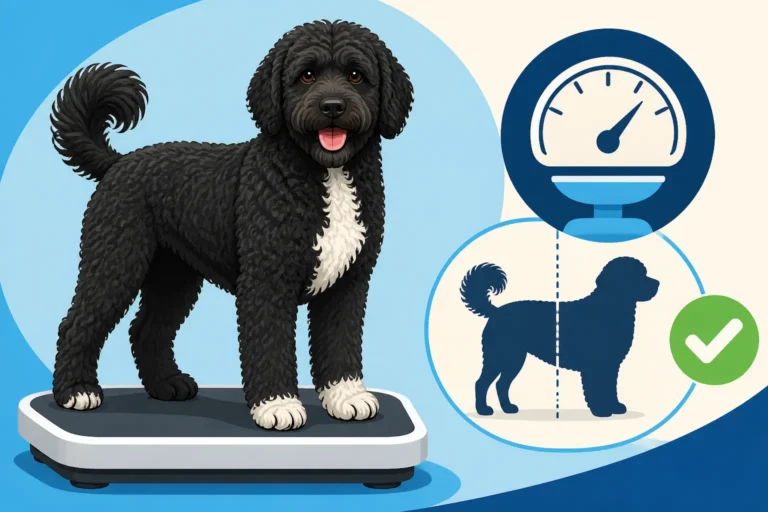
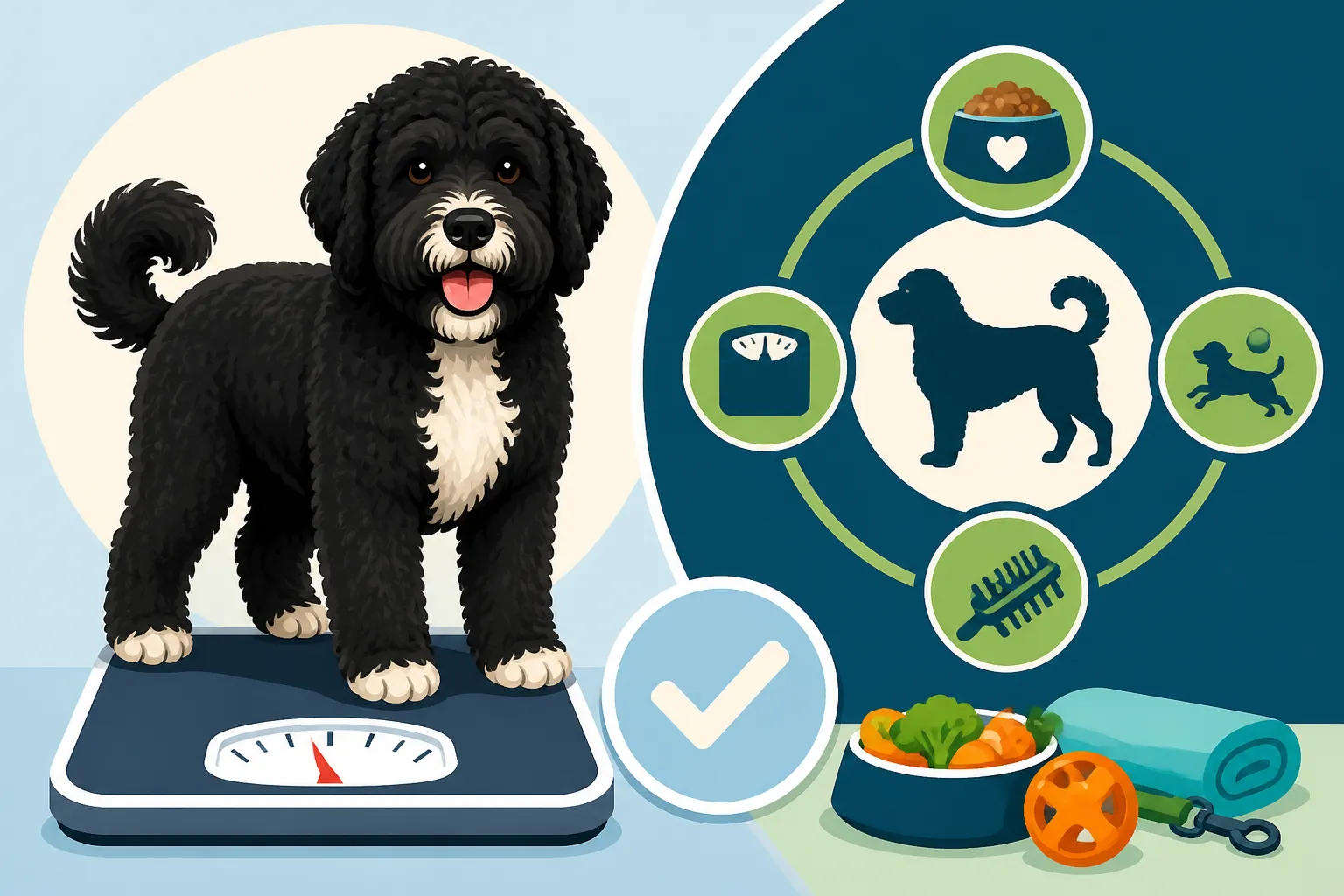
It's a common dilemma for Portuguese Water Dog owners, isn't it? You look at that dense, often curly coat, and you wonder: is my dog at a healthy weight, or is all that beautiful fluff hiding a little too much (or too little) going on underneath? Maintaining a proper weight is absolutely crucial for the long-term health and vitality of your energetic companion. This comprehensive guide will walk you through everything you need to know about understanding your Portuguese Water Dog's ideal weight, how to accurately assess their body condition, and practical strategies to keep them in peak physical shape throughout their lives.
Understanding the Portuguese Water Dog Standard Weight
When you first bring home a Portuguese Water Dog, whether as a bouncy puppy or an adult, one of the primary health indicators you'll be told to watch is their weight. But what exactly is the "right" weight for this breed? It’s not just about a number on the scale; it's about a range that supports their athletic build and historical purpose. These dogs were bred for demanding work on fishing boats, requiring strength, agility, and endurance, all of which are compromised if they are carrying too much, or too little, weight.
Breed Standard Guidelines for Weight
The breed standard for the Portuguese Water Dog provides clear guidelines for what a healthy, mature adult should weigh. These aren't arbitrary numbers; they reflect the ideal physique for a dog designed to work in and around water. For males, the typical weight range is generally between 42 to 60 pounds (19-27 kg). Females, being slightly smaller, usually fall within the range of 35 to 50 pounds (16-23 kg). Keep in mind these are averages, and individual dogs can vary slightly while still being perfectly healthy.
It's tempting to fixate on these numbers, but it’s more useful to view them as a general reference point. What’s truly important is how your dog looks and feels within that range. A dog at the lower end of the scale might be perfectly fit and muscled, while another at the upper end could be equally athletic. The key is balance and condition, not just the absolute figure. Always consider your dog’s build and activity level in conjunction with these guidelines.
These guidelines are also important for breeders. Responsible breeders strive to produce dogs that fit the standard, not just in appearance but in physical health and structure. When you inquire about a puppy, a good breeder will discuss the projected adult weight and size, often having a strong understanding of the typical adult size based on the parents and previous litters. You want a dog that can move effortlessly, jump, swim, and perform all the vigorous activities this breed loves, and that starts with a good foundation of appropriate size and weight.
Distinguishing Male and Female Weight Differences
Just like with humans, there's a noticeable size and weight difference between male and female Portuguese Water Dogs. Males tend to be larger, with heavier bone structure and more muscle mass. They naturally carry more weight and stand a bit taller. Females, while still robust and powerful, are typically more refined in build, often appearing a bit more elegant and agile. This is a natural, healthy dimorphism within the breed.
It's crucial not to try and make your female PWD fit into a male's weight range, or vice versa. Each dog should be assessed individually based on their sex and individual build. A 40-pound female might be perfectly healthy and athletic, while a 40-pound male could be dangerously underweight. Conversely, a 55-pound female might be significantly overweight, whereas a 55-pound male could be lean and muscular. What an Adult Portuguese Water Dog Should Weigh will give you more context on these ranges.
Understanding these differences is also important when considering feeding. A larger male might naturally require more calories to maintain his ideal weight than a smaller female, especially if both are equally active. Tailoring their diet and exercise to their specific needs, rather than a generic "Portuguese Water Dog" standard, is a critical step in effective weight management. Your vet can provide guidance on these individual caloric needs.
The Importance of a Healthy Weight Range
Maintaining your Portuguese Water Dog within a healthy weight range is one of the most impactful things you can do for their long-term health and happiness. It's not just about aesthetics; it's about functionality and longevity. A dog at a healthy weight experiences less strain on their joints, has better cardiovascular health, and is generally more agile and energetic. This means they can enjoy their favorite activities, like swimming and retrieving, for longer throughout their lives.
Conversely, allowing your PWD to become either overweight or underweight can have serious consequences. Obesity can lead to a host of problems, including arthritis, diabetes, heart disease, and a reduced How Long a Portuguese Water Dog Lives on Average. Being underweight can also signal underlying health issues or inadequate nutrition, leading to weakness, poor immune function, and a lack of energy. Neither extreme is conducive to the vibrant, active life these dogs are meant to lead.
Think of it as setting your dog up for success. By diligently managing their weight, you're investing in a future where they can run, swim, and play without unnecessary physical burdens. It allows them to fully embody their breed's heritage as an athletic, capable working dog. This proactive approach to their physical condition is a cornerstone of responsible Portuguese Water Dog ownership.
Factors Influencing a Portuguese Water Dog's Weight
Weight management in Portuguese Water Dogs isn't a one-size-fits-all equation. There are several interconnected factors that play a significant role in determining your dog's ideal weight and how easy or challenging it might be to maintain it. Understanding these influences can help you develop a more targeted and effective approach to keeping your PWD healthy.
Genetics and Lineage Contributions
Just like humans, Portuguese Water Dogs inherit certain predispositions from their parents. Genetics can influence everything from their adult size and bone structure to their metabolism and appetite. Some lines might naturally be larger-boned and heavier, while others produce more compact, lighter-framed dogs. These inherent genetic traits set a baseline for your dog's potential weight.
It's also worth noting that some genetic conditions can indirectly affect weight. For example, a dog predisposed to thyroid issues might have a slower metabolism, making weight gain easier. While DNA tests exist for many breed-specific conditions, not all metabolic quirks are easily identifiable. This is why looking at the size and condition of a puppy's parents and grandparents can give you a valuable clue about what to expect for your own dog's adult build.
This isn't to say genetics are destiny. Even a dog with a genetic predisposition for a heavier build can be kept lean and fit with proper diet and exercise. However, being aware of your dog's lineage can help you anticipate potential challenges and adjust your care routine accordingly. It simply means you might have to be a little more diligent with some dogs than others, even within the same breed.
The Role of Diet Quality and Quantity
The food you put into your Portuguese Water Dog's bowl is arguably the most significant factor influencing their weight. It’s not just about how much they eat, but what they eat. High-quality dog food, whether it's kibble, wet food, or a carefully balanced raw diet, provides the necessary nutrients without excessive fillers or empty calories. Look for foods with real meat as the primary ingredient and avoid those with long lists of obscure chemicals or excessive grains if your dog doesn't thrive on them. Brands like Chewy and Ollie often carry a wide range of high-quality foods that cater to different dietary needs and preferences, so it's worth exploring their options.
The quantity of food is equally vital. It's easy to overfeed a dog, especially when they give you those adorable, pleading eyes. The feeding guidelines on dog food bags are a good starting point, but they are just that – a guide. Your dog's individual metabolism, age, activity level, and spay/neuter status will all dictate their actual caloric needs. A working Portuguese Water Dog that's actively participating in water trials or dock diving will naturally require more calories than a companion dog who enjoys daily walks and yard play. You can refer to How Much an Adult Portuguese Water Dog Eats for a general idea, but always adjust based on your dog's actual condition.
It’s a balancing act: too little food can lead to an underweight dog lacking energy, while too much can quickly pack on the pounds. Regularly measuring your dog’s food portions and avoiding free-feeding are critical habits to establish. If you're unsure, consult your veterinarian for a personalized feeding plan based on your dog's specific needs and lifestyle.
Activity Level and Energy Expenditure
Portuguese Water Dogs are not couch potatoes. They are a high-energy, athletic breed bred for demanding physical work. Their historical job required them to jump into cold water, retrieve objects, herd fish, and even carry messages between boats. This means they have a high metabolism and require a significant amount of exercise to stay physically and mentally healthy, and to burn off the calories they consume. What a Portuguese Water Dog Was Bred to Work a Boat, Not a Yard really highlights their need for activity.
An under-exercised PWD is a prime candidate for weight gain, as well as behavioral issues. Daily walks, even long ones, often aren't enough to satisfy their need for physical exertion. They thrive on activities that engage both their bodies and minds, such as swimming, fetching, agility, or other dog sports. Regularly engaging in vigorous exercise helps maintain muscle mass, keeps their cardiovascular system healthy, and burns calories, all of which contribute to a healthy weight.
If your PWD isn't getting enough activity, you'll likely see the scale creep up, and perhaps a noticeable decline in their overall energy and zest for life, despite their breed's reputation for exuberance. Finding creative ways to keep them active, especially if you live in an area without easy access to swimming, is key. This might mean longer, more challenging hikes, consistent games of fetch in a secure area, or enrolling in dog sports classes. The more you cater to their natural athletic instincts, the easier it will be to manage their weight.
Recognizing Ideal Body Condition in Your Portuguese Water Dog
With a coat as dense and often curly as a Portuguese Water Dog's, it can be incredibly challenging to tell by sight alone if they are at a healthy weight. You can't just glance at them and expect to see ribs or a tucked waist like you might on a short-coated breed. This is why learning to assess their body condition through touch and understanding key visual cues, even through the fluff, is absolutely essential.
The Rib Test: How to Feel Under the Coat
The "rib test" is perhaps the most crucial method for assessing your Portuguese Water Dog's body condition. You need to get your hands on them and feel what's underneath that wonderful coat. Start by gently running your palms along their sides, just behind their shoulders. You should be able to easily feel their ribs beneath a thin layer of skin and muscle, without having to press hard. Each rib should be distinguishable, like the knuckles on your hand.
If you can easily see the ribs, your dog might be too thin. If you have to press firmly to feel them, or if you can't feel them at all, your dog is likely carrying too much weight. The goal is to feel them, but not see them. This takes a bit of practice, especially with a curly or wavy coat that can obscure contours. Don't be shy; really get your fingers in there and feel. This method is far more reliable than just looking at your dog. For more tips, check out How to Feel a Portuguese Water Dog's Ribs Under the Coat.
This physical assessment should be part of your regular grooming routine. As you brush them, take a moment to run your hands over their body. It's a quick, intimate check that helps you stay attuned to any subtle changes in their physique. Early detection of weight gain or loss allows for quicker intervention, preventing minor fluctuations from becoming more significant health issues.
Assessing the Waistline and Abdominal Tuck
Even with a full coat, you can usually still discern some aspects of your PWD's waistline and abdominal tuck. From above, when looking down at your dog, you should ideally see a discernible "waist" where the body narrows slightly behind the rib cage and before the hips. It shouldn't be a dramatic hourglass figure, but there should be a gentle taper. If your dog looks like a straight line from their chest to their tail, or even bulges out, they are likely overweight.
From the side, an ideal body condition will show an "abdominal tuck." This means that their belly should tuck up slightly from their chest towards their hind legs, rather than hanging low or appearing straight across their underside. It's not as pronounced as in some sighthounds, but a healthy athletic dog will have some degree of tuck. If the underside appears saggy or parallel to the ground, that's another indicator of excess weight.
Remember that the coat can be deceiving. A very fluffy PWD might appear more barrel-chested or straight-bodied even when lean. This is why combining the visual assessment with the hands-on rib test is so crucial. If you're unsure, ask your vet or an experienced Portuguese Water Dog breeder to demonstrate how to properly assess body condition. Their trained eye and hands can help you calibrate your own assessment.
Visual Cues of a Healthy Portuguese Water Dog
While feeling is key, there are also some visual cues that can hint at a healthy (or unhealthy) weight, even through that amazing coat. A healthy Portuguese Water Dog will typically have a well-muscled appearance, especially in their powerful hindquarters and shoulders. Their movements should be fluid, agile, and energetic, without any signs of stiffness or labored breathing during normal activity. Their eyes should be bright and alert, and their coat should have a healthy sheen.
If your dog is overweight, beyond the issues with ribs and waistline, you might notice other subtle signs. They may be less enthusiastic about exercise, tire more easily, or seem less playful. Their gait might appear heavier, and they might pant more after minimal exertion. Signs a Portuguese Water Dog Is Overweight goes into more detail on these indicators. On the flip side, an underweight dog might appear bony, lethargic, or have a dull coat. Their muscle definition might be visibly lacking, especially over their hips and shoulders.
It's about observing your dog holistically. Are they eager to play? Do they move with ease? Is their energy level consistent with their breed? While the weight on the scale provides a number, these visual and behavioral cues, combined with the hands-on assessment, paint a complete picture of their body condition. Regularly observing these aspects will empower you to make informed decisions about their care.
Common Weight Challenges for Portuguese Water Dogs
Even with the best intentions, Portuguese Water Dog owners can face various weight challenges. Whether it's a battle against the bulge or trying to put healthy weight on a lanky adolescent, these issues require understanding and a proactive approach. Recognizing these common pitfalls can help you navigate your PWD's journey to a healthy weight.
The Risks of Overweight and Obesity
Unfortunately, just like in humans, obesity in dogs is a growing concern, and Portuguese Water Dogs are not immune. An overweight PWD carries a much higher risk of numerous health problems. This isn't just about looking less athletic; it significantly impacts their quality of life and lifespan. Imagine trying to swim and retrieve with extra pounds weighing you down – it's much harder for them.
The most immediate risk is increased strain on their joints, potentially exacerbating or causing conditions like hip and elbow dysplasia, which are already health concerns for many larger, active breeds. Excess weight also puts a greater burden on their heart and lungs, increasing the risk of heart disease and respiratory problems. Other potential issues include diabetes, certain types of cancer, and a reduced tolerance to heat. It can also complicate anesthesia for routine procedures, making surgery riskier.
Overfeeding and insufficient exercise are the primary culprits. It's so easy to give in to those puppy-dog eyes for an extra treat or a larger meal portion. Portion control, saying no to excessive human food scraps, and ensuring they get their full complement of exercise are vital for prevention. Remember, a fit PWD is a happy PWD, and saving them from the struggles of obesity is one of the kindest things you can do.
Identifying an Underweight Portuguese Water Dog
While obesity gets a lot of attention, being underweight can also be a significant concern for Portuguese Water Dogs. Sometimes, an underweight dog is simply not getting enough calories for their activity level, especially during growth spurts or periods of intense training. Other times, it can be a red flag for an underlying health issue that requires veterinary attention.
Visually, an underweight PWD might have ribs, hip bones, and vertebrae that are very prominent and easily visible, even through their coat. Their abdominal tuck will be excessively deep, and they might lack muscle mass, making them appear "scrawny" or frail. Behaviorally, they might seem lethargic, have a dull coat, or show signs of a compromised immune system. For a young dog, failure to thrive or gain weight at an appropriate rate is particularly concerning.
If you suspect your PWD is underweight, the first step is always a vet visit. It's crucial to rule out any medical causes such as parasites, digestive issues, metabolic disorders, or dental problems that make eating painful. Once medical issues are excluded, your vet can help you devise a plan to safely increase their caloric intake with appropriate, nutrient-dense food. Sometimes, simply adjusting the type or amount of food and ensuring they are truly absorbing nutrients is all that's needed.
Growth Considerations for Puppies and Adolescents
Portuguese Water Dog puppies grow quickly, and managing their weight during this crucial period is vital for their future joint health. Rapid growth, particularly rapid weight gain, can put undue stress on developing bones and joints, increasing the risk of orthopedic problems later in life, such as hip and elbow dysplasia. The goal is steady, controlled growth, not a chubby puppy.
This means feeding a high-quality large-breed puppy food, which is formulated with a balanced calcium-to-phosphorus ratio and appropriate calorie levels to support slower, more even growth. Avoid supplementing with extra vitamins or minerals unless directed by your vet, as this can disrupt the delicate balance. Monitor their weight weekly or bi-weekly, ensuring they are progressing without becoming overtly fat. Weighing a Portuguese Water Dog Puppy Every Week is a good practice.
Adolescence can also be a tricky time. As puppies transition into young adults, they often go through lanky, awkward phases where they might look a bit skinny or uncoordinated. This is normal. However, their energy demands are still high, especially if they are involved in training or sports. Continue to monitor their body condition closely, adjusting food as needed to support their activity without encouraging excess fat. Patience and consistent monitoring are key throughout their growth journey.
Developing a Healthy Diet Plan for Your Portuguese Water Dog
Crafting the perfect diet plan for your Portuguese Water Dog is more than just scooping kibble into a bowl. It’s about understanding their unique nutritional needs as an active, intelligent breed, and selecting foods that fuel their adventures while maintaining a healthy weight. A well-considered diet is the foundation of their overall well-being.
Choosing the Right Food Type and Quality
The dog food market can be overwhelming, but for a Portuguese Water Dog, quality is paramount. Look for foods that list a high-quality animal protein (like chicken, beef, or fish) as the first ingredient. Avoid foods with excessive fillers, artificial colors, flavors, or preservatives. While some dogs tolerate grains well, others may thrive on grain-free options. The best food for your PWD is one they digest well, provides sustained energy, and helps them maintain a healthy coat and body condition.
There are many formats to consider:
- Dry Kibble: Convenient and cost-effective. Many premium brands offer formulas tailored for active large breeds.
- Wet/Canned Food: Often more palatable, but typically more expensive and higher in moisture, meaning less caloric density per serving. Can be great as a topper or for hydration.
- Fresh/Lightly Cooked Diets: Companies like Ollie deliver fresh, human-grade food directly to your door. These can be excellent for palatability and nutrient absorption, but are often at a higher price point.
- Raw/BARF Diets: Requires significant research and careful balancing to ensure complete nutrition. Should only be undertaken with professional veterinary or canine nutritionist guidance.
Regardless of the format, always read ingredient labels carefully. A good rule of thumb is that if you can't pronounce or recognize most of the ingredients, it might not be the best choice. Ultimately, the "right" food is the one that keeps your individual Portuguese Water Dog healthy, energetic, and at their ideal weight. Don't be afraid to consult your veterinarian for specific brand recommendations or to discuss dietary transitions.
Establishing Appropriate Feeding Schedules
Consistency is key when it comes to feeding schedules. Most adult Portuguese Water Dogs do best with two meals a day, typically once in the morning and once in the evening. This helps regulate their metabolism, prevents them from getting overly hungry (which can lead to gulping food and potential bloat, though less common in PWDs), and provides a steady supply of energy throughout the day. Puppies will require more frequent meals, typically three to four times a day, gradually reducing as they mature.
Measuring each meal is non-negotiable for weight management. Don't just eyeball it. Use a standard measuring cup for kibble or weigh out fresh food portions precisely. The guidelines on the food packaging are a starting point, but you'll need to adjust based on your dog's activity level, metabolism, and body condition. If your dog is a working dog or highly active, they might need slightly more; if they're less active, they'll need less. Whether a Working Portuguese Water Dog Needs More Food is a pertinent question here.
Avoid free-feeding, where food is left out all day. This makes it impossible to track how much your dog is actually eating and often leads to overconsumption and weight gain. Meal times can also be valuable training opportunities and help establish a routine, which can be reassuring for your dog. If you have multiple dogs, feed them separately to ensure each dog gets their correct portion without competition.
Navigating Treats and Supplements Responsibly
Treats are an important part of training and bonding, but they are also a sneaky source of extra calories. It's easy for a handful of small treats throughout the day to add up to a significant portion of your dog's daily caloric intake. When choosing treats, look for low-calorie options or use small pieces of healthy human foods like carrots, green beans, or plain cooked chicken. Freeze-dried meat treats, available on platforms like Amazon, are also a good option as they are high in protein and often low in additives.
When training, break treats into tiny, pea-sized pieces. Your dog doesn't know the difference between a whole biscuit and a small crumb; they just care about the reward. Factor treats into their overall daily caloric intake. If you're giving more treats, reduce the amount of their regular meal proportionately. It's a simple adjustment that can make a big difference in preventing weight creep.
Supplements, like joint support or fish oil, can be beneficial for Portuguese Water Dogs, especially as they age or if they're highly active. When a Portuguese Water Dog Needs Joint Supplements provides more detail. However, supplements should never be seen as a substitute for a balanced diet, and always discuss them with your veterinarian before adding them to your dog's routine. Some supplements can add calories, and it's essential to ensure they are appropriate and won't interact negatively with any other medications or conditions your dog might have.
Exercise and Activity for Weight Management
For a Portuguese Water Dog, exercise isn't just a recommendation; it's a fundamental requirement for both their physical and mental health, and critically, for maintaining a healthy weight. These dogs were bred for rigorous work, and their bodies and minds need an outlet for that energy. Skimping on exercise is a sure-fire way to see the scale tip in the wrong direction and potentially lead to behavioral issues.
Meeting Their High Energy Demands
Portuguese Water Dogs are an incredibly high-energy breed. A simple walk around the block twice a day isn't going to cut it for most of them. They need vigorous, sustained activity that allows them to burn off calories, build strong muscles, and satisfy their innate drive to move and work. Think of them as canine athletes who need a proper training regimen, not just casual strolls.
Their activity needs often translate to at least 60-90 minutes of dedicated, high-intensity exercise daily, sometimes more, broken into multiple sessions. This could involve long, brisk walks, significant off-leash running in a safe, fenced area, or active play sessions. Bored, under-exercised PWDs can become destructive, anxious, or develop other undesirable behaviors, in addition to gaining weight. Providing them with adequate physical outlets is an investment in their overall well-being. How Many Miles a Portuguese Water Dog Needs on a Dry Day is a useful guide.
Varying their exercise routine is also beneficial. Just like humans, dogs can get bored with the same old routine. Introduce new routes, different types of terrain, or new games to keep them engaged. This mental stimulation, combined with physical exertion, taps into their intelligent and driven nature, making exercise more effective for both weight management and behavioral health.
Incorporating Water Work for Joint Health
Given their name and history, it's no surprise that Portuguese Water Dogs absolutely adore water. Incorporating water work into their exercise routine is not only a fantastic way to meet their energy demands but also provides an incredibly joint-friendly workout. Swimming is a low-impact activity that builds muscle, strengthens cardiovascular health, and burns calories without putting stress on their hips, elbows, or other joints.
This is particularly beneficial for puppies during their crucial growth phases when high-impact activities should be limited, and for older dogs who might be starting to experience age-related joint stiffness. Why Swimming Protects a Portuguese Water Dog's Joints is a topic worth exploring. Regular swimming can help maintain muscle mass, which supports joints, and keep them agile without the wear and tear of pounding pavement. From retrieving toys in a lake to dock diving, there are many ways to engage your PWD in their favorite element.
If you don't have natural bodies of water nearby, consider dog-specific swimming pools or even setting up a sturdy wading pool in your yard if your dog is keen. Just remember to always supervise water activities, ensure safe entry and exit points, and rinse their coat thoroughly after swims, especially in chlorinated or salty water, to prevent skin and coat issues. And don't forget to check those ears for moisture!
Balancing Exercise with Growth and Age
The amount and intensity of exercise your Portuguese Water Dog needs will naturally change throughout their life, and it's important to adjust accordingly to maintain a healthy weight.
- Puppies: While active, puppies require careful exercise management. Over-exercising a puppy, especially with high-impact activities like excessive jumping or long-distance running on hard surfaces, can damage their still-developing growth plates. Short, frequent play sessions, gentle swims, and exploring in the yard are far better than forced long runs. The focus should be on building a good foundation without stressing their growing bodies. When a Portuguese Water Dog's Growth Plates Close offers more insight.
- Adolescents: As they mature, their stamina increases, and they can handle more vigorous activities. This is often when you can introduce more structured training, longer hikes, and intense water sports. However, still be mindful of their bone development and gradually increase intensity.
- Adults: This is typically their peak physical period. They can handle most dog sports, long runs, and extensive water work. Maintaining a consistent, challenging exercise routine is crucial for keeping them fit and preventing weight gain.
- Seniors: As your PWD ages, their metabolism may slow down, and joint issues or other age-related conditions might start to appear. While they still need exercise, the intensity and duration should be modified. Shorter, more frequent walks, gentle swims, and mental stimulation become paramount. It's about maintaining mobility and muscle mass without causing discomfort. Caring for an Aging Portuguese Water Dog offers more tips. Regularly assessing their comfort level and consulting your vet on appropriate activity levels is key.
Monitoring Your Portuguese Water Dog's Weight and Health
Even with the best diet and exercise plan, consistent monitoring is essential to ensure your Portuguese Water Dog stays within a healthy weight range. Weight can fluctuate due to many factors, and early detection of changes allows for prompt adjustments to their care routine, preventing minor issues from becoming major concerns.
Regular Weigh-Ins and Tracking Progress
Just as you might step on a scale regularly, it's a good practice to weigh your Portuguese Water Dog periodically. For adult dogs, a monthly or bi-monthly weigh-in can be sufficient. For puppies, weekly weighing is often recommended to ensure healthy growth. You can use a dedicated pet scale at home, or often your veterinary clinic, or even some pet supply stores, will have scales you can use for free.
Keep a simple record of their weight. A notebook or a smartphone app can help you track their progress over time. This data is invaluable. If you notice a sudden increase or decrease, or a slow but steady trend outside of their ideal range, it's a clear signal that something needs attention. Perhaps their food portion needs a slight adjustment, or maybe their activity level has changed.
This tracking also helps you identify patterns. For example, some dogs might naturally gain a little weight during winter months when outdoor activity is reduced, which you can then proactively address. It removes the guesswork and provides objective data that helps you and your veterinarian make informed decisions about their health and diet. Remember, How a Portuguese Water Dog's Coat Hides Weight Loss can make visual assessment tough, so the scale is your friend.
The Importance of Routine Veterinary Check-ups
Beyond your at-home monitoring, routine veterinary check-ups are absolutely non-negotiable for weight management and overall health. Your veterinarian is a professional who can provide an objective assessment of your dog's body condition, weigh them on calibrated scales, and discuss any concerns you might have. They can also feel for muscle mass, check joint health, and generally assess their physical well-being.
During these check-ups, your vet will likely discuss your dog's diet, exercise routine, and lifestyle. Be honest about how much you're feeding, how many treats they get, and their activity levels. This information helps your vet tailor advice specifically for your dog. They can help you calculate appropriate caloric intake, recommend specific food types, or suggest exercise modifications.
These visits are also crucial for catching any underlying medical conditions that might be affecting your dog's weight. Conditions like thyroid imbalances, diabetes, or even certain internal parasites can manifest as weight changes, and early diagnosis is key to effective treatment. Don't underestimate the value of your vet's expertise in keeping your PWD healthy and at their ideal weight.
Keeping an Eye on Other Health Indicators
Weight is just one piece of the puzzle. While monitoring their weight, also pay attention to other health indicators that can indirectly reflect their overall condition and potentially flag issues before they become severe.
- Coat Condition: A healthy Portuguese Water Dog should have a vibrant, well-maintained coat. A dull, dry, greasy, or excessive shedding coat can sometimes indicate nutritional deficiencies or underlying health problems. Regular grooming, as discussed in How Long Brushing a Portuguese Water Dog Takes, helps you stay in tune with their coat's health.
- Energy Levels: Is your dog as enthusiastic about walks and play as usual? A sudden drop in energy or lethargy can be a sign of illness, pain, or insufficient nutrition.
- Appetite and Thirst: Any significant changes in appetite (either eating much more or much less) or excessive thirst warrant a vet visit.
- Stool Quality: Consistent, well-formed stools are a good indicator of digestive health. Loose stools, diarrhea, or constipation can point to dietary issues or illness.
- Behavioral Changes: Unexplained aggression, anxiety, or reluctance to perform certain activities could be pain-related or stress-related, which can sometimes be linked to discomfort from excess weight or an underlying condition.
By observing these multiple indicators in conjunction with their weight, you gain a holistic view of your Portuguese Water Dog's health. This comprehensive approach empowers you to be an advocate for their well-being and ensures they can continue to thrive as your beloved companion.
Addressing Weight Issues: When to Seek Professional Help
Recognizing that your Portuguese Water Dog has a weight problem, whether they are overweight or underweight, is the first critical step. The next is knowing when to move beyond home adjustments and seek the invaluable guidance of your veterinarian. Attempting to fix significant weight issues on your own can sometimes do more harm than good, especially if there's an underlying medical cause.
Consulting Your Veterinarian for a Weight Loss Plan
If you've noticed your Portuguese Water Dog is creeping up in weight, even after trying some basic adjustments to their food portions and exercise, it's definitely time to bring in the pros. Your veterinarian can help you develop a safe and effective weight loss plan tailored specifically to your dog. They will consider your dog's current weight, ideal weight, age, activity level, and any existing health conditions.
A professional weight loss plan typically involves a more precise calculation of daily caloric needs. Your vet might recommend a prescription diet food, which is often lower in calories but higher in fiber to help your dog feel full, or they might help you adjust portions of their current food more precisely. They can also advise on appropriate treat options and how to safely increase exercise without overdoing it, especially if your dog is significantly overweight. Getting Weight Off a Portuguese Water Dog is a real journey, and having a guide makes all the difference.
Crucially, your vet will also perform a thorough physical examination and possibly blood tests to rule out any medical conditions that could be contributing to weight gain, such as hypothyroidism. Without ruling out these underlying issues, even the most diligent diet and exercise program might not yield results. Don't feel guilty about seeking help; it's a responsible and loving step to ensure your PWD's health.
Managing Underweight Concerns with Vet Guidance
While less common for a breed as active as the Portuguese Water Dog, if your dog is underweight, it's even more imperative to seek veterinary advice promptly. Being underweight can be a sign of a more serious underlying health problem that needs immediate attention. Never try to force-feed an underweight dog or simply increase their food significantly without professional guidance.
Your vet will conduct a comprehensive diagnostic workup to pinpoint the cause of the weight loss. This could include checking for parasites, dental disease, gastrointestinal issues, kidney disease, cancer, or other metabolic disorders. Once a diagnosis is made, a targeted treatment plan can be implemented. If no medical cause is found, your vet can help you create a controlled, safe weight gain plan.
This plan will focus on increasing calorie intake with highly digestible, nutrient-dense foods. They might recommend specific high-calorie supplements or a particular feeding schedule. Monitoring will be critical to ensure the weight gain is healthy muscle and fat, not just a rapid, unhealthy accumulation. Getting an underweight dog back to a healthy condition is a delicate process that benefits immensely from professional oversight.
Considering Underlying Medical Conditions
It's vital to remember that weight changes, whether gain or loss, are often symptoms rather than isolated problems. Several medical conditions can directly or indirectly impact a Portuguese Water Dog's weight.
Here's a table summarizing some common conditions:
| Condition | Potential Weight Impact | Other Signs to Watch For |
|---|---|---|
| Hypothyroidism | Weight Gain | Lethargy, dull coat, skin issues, cold intolerance |
| Diabetes Mellitus | Weight Loss (initially) | Increased thirst and urination, increased appetite, lethargy |
| Addison's Disease | Weight Loss, poor appetite | Vomiting, diarrhea, lethargy, muscle weakness, shaking, collapse. (Often called "The Great Pretender" due to vague symptoms). What Addisons Disease Does to a Portuguese Water Dog is crucial reading. |
| Gastrointestinal Issues | Weight Loss | Vomiting, diarrhea, poor appetite, abdominal pain, flatulence |
| Dental Disease | Weight Loss | Reluctance to eat, bad breath, pawing at mouth, visible tartar |
| Parasites (e.g., worms) | Weight Loss | Dull coat, pot-bellied appearance (puppies), diarrhea, visible worms |
| Cancer | Weight Loss (often) | Lumps, bumps, lethargy, limping, changes in appetite/behavior |
| Kidney Disease | Weight Loss, muscle wasting | Increased thirst and urination, vomiting, lethargy, poor appetite |
| Heart Disease | Weight Loss (advanced), fluid retention | Coughing, lethargy, exercise intolerance, difficulty breathing |
This table is not exhaustive, but it illustrates why a vet check is so crucial. Never ignore unexplained weight changes in your Portuguese Water Dog. It's always better to be proactive and get a professional diagnosis. Your veterinarian is your best partner in ensuring your cherished companion lives a long, healthy, and happy life at their ideal weight.
Disclaimer
This article is for general informational purposes only and does not constitute professional advice. Laws, prices and regulations vary by location and change over time. Consult a qualified professional for guidance on your specific situation.