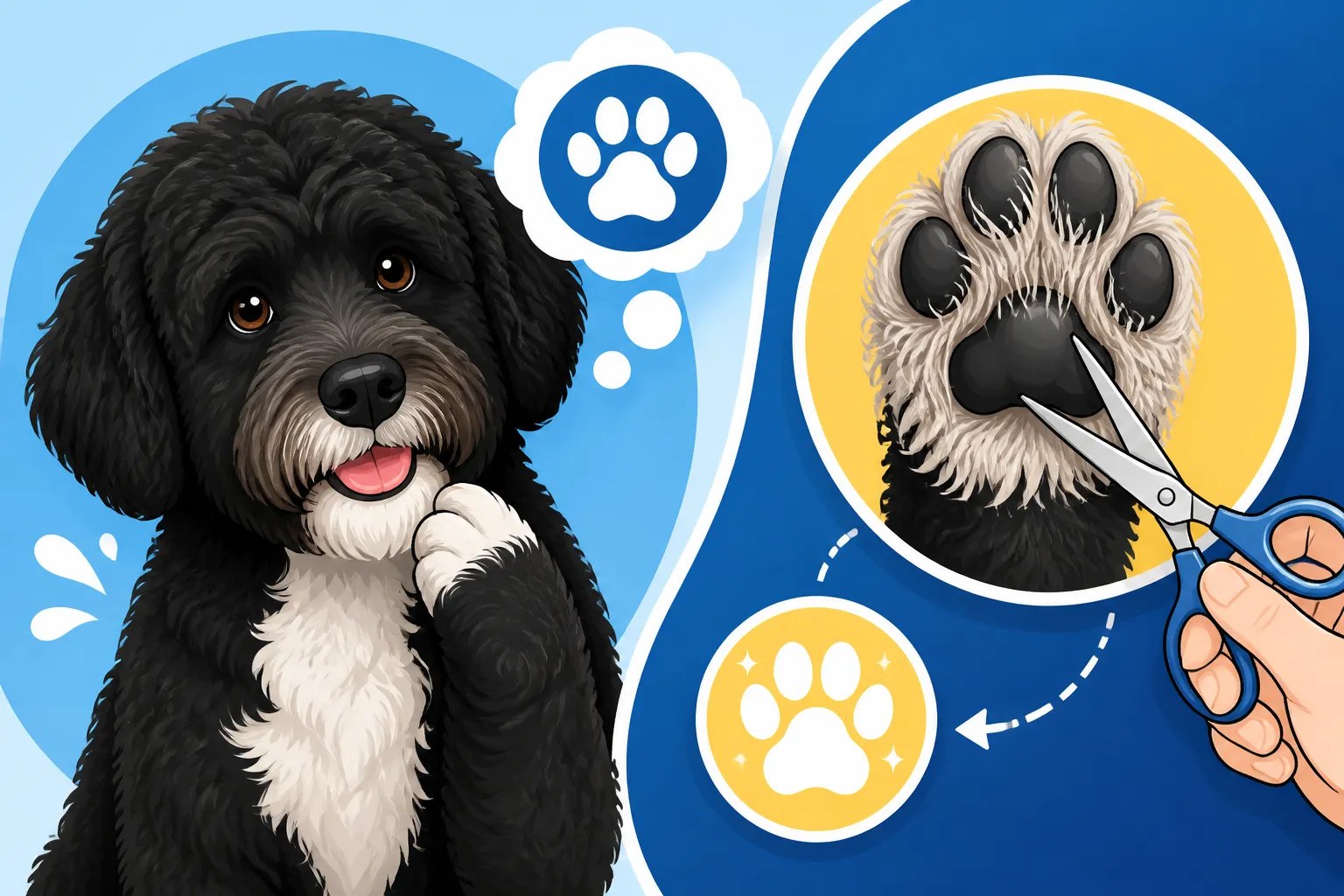
Whether a Portuguese Water Dog’s Foot Hair Needs Trimming
Those amazing webbed feet on your Portuguese Water Dog are truly a marvel of nature, perfectly designed for swimming and retrieving. But those wonderful paws, with their dense, often curly or wavy coat, come with their own unique set of grooming challenges, especially when it comes to the hair that sprouts between their pads. It's a common question among PWD owners: does that foot hair really need trimming, and if so, why is it so important for their health and comfort? This comprehensive guide is here to unravel the mystery, validate the frustrations of wriggly paws, and make foot care a manageable and even enjoyable part of your routine with your beloved companion.
Why Foot Hair Trimming is Essential for Your Portuguese Water Dog
It might seem like a small detail, but the hair that grows between your Portuguese Water Dog's paw pads isn't just a cosmetic concern; it's deeply tied to their safety, hygiene, and overall comfort. Ignoring it can lead to a host of problems that can impact their active lifestyle. Think of it like walking with pebbles perpetually stuck in your shoes – uncomfortable at best, painful and injurious at worst.
Traction and Safety on Various Surfaces
Long, untrimmed hair between your PWD's paw pads acts like tiny slippery rugs, significantly reducing their natural grip. Their paw pads are designed to make direct contact with surfaces, providing the necessary friction for balance, traction, and agile movement. When a thick mat of hair covers these pads, it's like their natural treads are worn smooth. This loss of traction is a huge problem for an active breed like the Portuguese Water Dog, who loves to run, jump, and swim.
Imagine your PWD enthusiastically zooming across a slick kitchen floor, a polished hardwood surface, or even a damp patch of pavement after a light rain. With overgrown foot hair, they're far more prone to slipping, sliding, and potentially injuring themselves. This isn't just about minor tumbles; serious slips can lead to painful muscle strains, sprains, or even more severe joint injuries, especially as they age. A dog that is constantly slipping can also develop a fear of certain surfaces, limiting their enjoyment and willingness to move freely in their own home or yard. Maintaining short hair ensures those crucial pads can do their job, keeping your PWD steady on their feet whether they're fetching a ball in the park or navigating the stairs at home. For more on their physical traits, you might find Nails, Feet and Webbing on a Portuguese Water Dog helpful.
Hygiene and Preventing Infections
The dense, water-repellent coat of a Portuguese Water Dog is fantastic for their aquatic activities, but the hair between their paw pads can become a magnet for all sorts of debris. Think about every walk, every swim, every romp in the yard – mud, burrs, tiny stones, twigs, grass seeds, and even parasites can get trapped in that hair. If left untrimmed, this accumulation turns into a breeding ground for bacteria and yeast, creating a warm, moist environment perfect for infections.
Consider a hot summer day after your PWD has had a glorious swim. Even if you diligently dry their main coat, that dense foot hair can retain moisture for a surprisingly long time. This dampness, combined with trapped dirt and debris, can quickly lead to painful interdigital cysts, fungal infections, or bacterial skin irritations between the pads. You might notice your dog licking or chewing at their paws excessively, a tell-tale sign of discomfort. Regular trimming allows for better air circulation, makes cleaning much easier, and significantly reduces the risk of these unpleasant and often recurrent problems. It’s about more than just looking tidy; it’s about preventing actual health issues that can cause significant pain and require veterinary intervention.
Comfort and Performance in Activity
A Portuguese Water Dog is an athlete, pure and simple. They thrive on activity, whether it's dock diving, agility, or just a spirited game of fetch in the yard. Overgrown foot hair directly impacts their comfort and performance. When the hair gets long, it can mat between the pads, forming uncomfortable clumps that pull on the skin with every step. These mats can be incredibly painful, like having a constant knot pulling at your toes.
Think about how that would feel during an intense play session or a training exercise. The discomfort can distract them, alter their gait, and even lead to lameness. Furthermore, these mats reduce the natural cushioning and flexibility of the paw, affecting their ability to absorb impact effectively during running and jumping. This is particularly crucial for a breed known for its powerful leaps and sudden stops. Keeping their paw hair short ensures that their feet are free to move naturally, allowing them to fully engage in all their favorite activities without hindrance or pain. This attention to detail can make all the difference in their overall enjoyment of life and their athletic prowess.
Recognizing When It's Time for a Trim
Knowing why to trim is one thing, but knowing when to trim can sometimes feel like a guessing game. Your Portuguese Water Dog will often give you subtle (and not-so-subtle) cues that their paw hair is becoming a problem. Learning to read these signs can help you stay on top of their grooming needs and prevent issues before they become serious.
Visual Cues and Hair Length
The most straightforward way to tell if your PWD's foot hair needs trimming is simply to look. Get down to their level and examine their paws closely. When the hair between their pads starts to splay out, extend past the pads, or even begin to curl over their nails, it's definitely time for a trim. You shouldn't see a "fluffy slipper" effect; ideally, the hair should be flush with the pads or slightly shorter.
Another visual indicator is if the hair appears matted or clumped. This is especially common after swims or muddy adventures, where dirt and moisture can easily cause the fine hair to bind together. If you notice any debris, like bits of leaves, grass seeds, or small pebbles, consistently getting caught and staying within the paw hair, that's a clear sign the hair is too long and acting as a trap. Compare it to the neatly trimmed paws you might see on show dogs or even just dogs with well-maintained feet; the contrast will be quite obvious. Regularly inspecting your dog's paws, perhaps after every outdoor excursion or during your weekly grooming session, will help you identify when the hair has grown too long and requires attention. You might be surprised how quickly it can grow, especially in a young, active dog.
Behavioral Indicators of Discomfort
Your PWD might not be able to tell you in words that their feet hurt, but their behavior will often speak volumes. One of the most common signs of overgrown or matted paw hair is excessive licking, chewing, or biting at their feet. This isn't just a casual grooming session; it's often a frantic, obsessive attempt to relieve irritation, remove trapped debris, or soothe an incipient infection. If you notice your dog constantly tending to their paws, especially after activity, it’s a strong indicator that something is amiss with their foot hair.
Another behavioral cue is a change in gait or reluctance to move. A dog with uncomfortable feet might walk with a subtle limp, take shorter steps, or avoid putting full weight on a particular paw. They might also become hesitant to jump, run, or climb stairs, activities they would normally embrace with gusto. In some cases, they might even start "bunny hopping" or shifting their weight unevenly. If your previously energetic PWD seems a bit slower, less enthusiastic about walks, or visibly uncomfortable, check their paws first. Sometimes, the solution is as simple as a good trim. This also ties into how their joint health is paramount, as discussed in Hips and Joints in a Portuguese Water Dog.
Seasonal Considerations and Water Exposure
The changing seasons and your Portuguese Water Dog's love for water play a significant role in how often their foot hair needs attention. During wetter seasons, like spring with its muddy trails or summer with frequent swims, the foot hair can become saturated more often. This constant dampness makes the hair more prone to matting and can lead to skin irritation or infections if not managed. Therefore, during these periods, you might find yourself trimming their paw hair more frequently than in drier months.
Conversely, in winter, while moisture from swims might decrease, snow and ice can present new challenges. Snow can ball up between long paw hairs, forming painful, frozen clumps that can cause chafing and frostbite. De-icing salts and other chemicals on sidewalks can also get trapped in long hair, leading to irritation. So, even if your PWD isn't swimming, winter can necessitate regular foot trims. The general rule of thumb is that if your PWD is frequently exposed to water, mud, snow, or debris, you'll need to be extra vigilant about their foot hair. A consistently active PWD, regardless of season, will likely require more frequent trims than a more sedentary one.
The Right Tools for the Job
Tackling your Portuguese Water Dog's foot hair requires the right equipment to ensure both efficiency and safety. Skimping on tools can make the process frustrating for you and uncomfortable or even dangerous for your dog. Investing in good quality tools designed for canine grooming is always a wise decision.
Clippers vs. Scissors: Choosing Your Weapon
When it comes to trimming foot hair, you generally have two main options: electric clippers or blunt-nosed grooming scissors. Each has its pros and cons, and the best choice often depends on your comfort level, your dog's temperament, and the type of hair you're dealing with.
Electric clippers, particularly small, quiet ones designed for detailing, are often the preferred choice for many owners. They offer a more uniform cut, can be faster, and significantly reduce the risk of accidental nicks if used correctly. For a Portuguese Water Dog's dense, often curly coat, a good quality clipper with a fine blade (like a #10 or #15) can glide through the hair more easily than scissors, especially if the hair is thick or starting to mat. Brands available on platforms like Chewy or Amazon offer a wide selection of dog-specific clippers, from corded professional models to cordless, quiet battery-operated options which are fantastic for sensitive dogs. The hum of the clipper can be less startling than the snip of scissors for some dogs, and the consistent blade action means less chance of uneven cuts or missed spots.
On the other hand, blunt-nosed grooming scissors are excellent for small touch-ups, for getting into very tight spaces, or for dogs who are extremely sensitive to the clipper's vibration. The blunt tips are a crucial safety feature, minimizing the risk of accidentally poking your dog's delicate paw pads or webbing. However, scissors require a very steady hand and careful technique to ensure an even cut and to avoid cutting too deep. They can also take longer, especially if the hair is thick, and there's a higher risk of cutting the quick of the nail or the skin between the pads if your dog moves suddenly. Many groomers use a combination of both: clippers for the bulk of the trimming and scissors for fine-tuning around the edges or between the toes. Ultimately, try both methods if you're comfortable, and see what works best for you and your PWD.
| Tool Type | Pros | Cons | Best For | Safety Tip |
|---|---|---|---|---|
| Electric Clippers | Fast, even cut; reduces nicks (if steady); good for dense hair. | Noise/vibration can scare some dogs; initial cost; need blade maintenance. | Bulk removal; consistently short trim; experienced users. | Always use a clean, sharp blade; stretch paw pads flat to avoid uneven cuts; keep blades cool. |
| Blunt-Nosed Scissors | Quiet; precise for small areas; good for touch-ups; easier for novices. | Slower; higher risk of uneven cuts; more chance of nicks if dog moves. | Minor touch-ups; nervous dogs; getting into tight spots. | Always use blunt-nosed; point blades away from pads/skin; cut small amounts at a time; never cut parallel to pad. |
Grooming Table and Restraint for Stability
Attempting to trim your Portuguese Water Dog's foot hair on the floor while they wriggle, sniff, and try to escape can be a recipe for disaster. A dedicated grooming table, even a small, portable one, can make an enormous difference in safety and ease. A good grooming table elevates your dog to a comfortable working height, saving your back and giving you better visibility of their paws. Crucially, most grooming tables come with a grooming arm and loop, allowing you to gently secure your dog in a standing position. This prevents them from walking away or suddenly dropping to the floor during the trim.
The key here isn't to restrain them forcefully, but to stabilize them. The loop provides a gentle reminder to stay put, allowing you to use both hands safely for the trimming. For dogs that are new to this, start with very short sessions, lots of praise, and treats. The goal is to make the table a positive experience, not a place of fear. If you don't have a grooming table, a sturdy, non-slip surface like a kitchen counter (with a non-skid mat) can work, but always ensure your dog is secure and you have good lighting. Teaching your PWD to stand calmly for short periods is a skill that will pay dividends in all grooming tasks, from nail trims to full body clips.
Foot Care Essentials Beyond Trimming
Trimming your Portuguese Water Dog's foot hair is just one piece of the paw care puzzle. You'll also need other essentials to keep their feet in prime condition. Nail clippers (either guillotine or scissor-style) or a Dremel tool are absolute must-haves, as long nails can cause just as many problems as overgrown hair. You can learn more about this in How Often a Portuguese Water Dog's Nails Need Trimming. Always have styptic powder or a styptic pencil on hand, just in case you accidentally cut the quick – it happens to the best of us, and immediate action is key.
A good paw balm or moisturizer can be invaluable, especially if your PWD's pads tend to dry out, crack, or become rough from all their adventures. These balms, often found on Amazon or Chewy, can soothe and protect their pads. Don't forget an antiseptic wipe or spray for cleaning paws after muddy walks or swims, and to treat any minor cuts or scrapes you might discover during grooming. Finally, high-quality, absorbent towels are essential for drying paws thoroughly, particularly after swimming, to prevent moisture-related skin issues between the pads. Having all these tools readily available makes for a smooth, efficient, and thorough paw care routine, ensuring your PWD's feet are always ready for action.
Step-by-Step Guide to Trimming Foot Hair
Trimming your Portuguese Water Dog's paw hair can feel intimidating at first, but with a systematic approach and a little patience, it becomes a routine task that benefits both you and your dog. Remember, calm energy from you helps your dog stay calm too.
Preparing for the Trim Session
Before you even pick up the clippers or scissors, set the stage for success. First, choose a quiet time when your PWD is relaxed, perhaps after a good walk or play session when they're a bit tired. Avoid times when they're full of energy or easily distracted. Gather all your tools – clippers or scissors, a comb, styptic powder, treats, and plenty of praise. Ensure you have good lighting so you can clearly see the paw pads and the hair you're working with.
It's also a good idea to thoroughly brush and comb your dog's overall coat, especially around their legs, before focusing on their feet. This helps remove any tangles or mats that might interfere with your work. For the paws specifically, use a fine-toothed comb to gently brush the hair between the pads downwards and outwards. This helps to separate the strands and reveal the actual length, making it easier to see what needs to be trimmed. If your dog is particularly muddy or dirty, a quick paw wash and thorough drying beforehand can make the trimming process much cleaner and more effective. Remember, the cleaner and drier the hair, the easier it is to cut without snagging.
The Trimming Process: A Detailed Walkthrough
Now for the actual trimming. If using clippers, make sure they're charged and have a clean, sharp blade. For scissors, ensure they are clean and sharp. Start by gently but firmly holding one paw, stretching out the toes slightly to separate the pads. This flattens the skin and makes the hair more accessible. With your other hand, carefully use the clippers or scissors.
- Using Clippers: Hold the clipper flat against the paw pad. Slowly and carefully move the clipper blade between the pads, always going with the grain of the hair. Work from the back of the paw towards the toes, making short, controlled strokes. Be extremely cautious around the webbing between the toes; this skin is very delicate and easy to nick. Gently spread the toes apart and use the very edge of the clipper blade to remove hair from these areas. The goal is to trim the hair flush with the paw pads, so it doesn't extend beyond them. Don't press hard; let the clipper do the work. Remember to check the blade temperature frequently; if it gets too hot, give it a break or switch to a cool replacement blade.
- Using Scissors: If using scissors, always point the blunt tips away from the paw pad. Never cut parallel to the pad, as this increases the risk of cutting the skin. Instead, cut perpendicular to the pad, taking small snips. Gently comb the hair out, and then carefully trim only the hair that protrudes past the pads. For hair between the toes, again, spread the toes and make tiny snips, being extra vigilant about the delicate webbing. Always aim for many small cuts rather than one large, potentially dangerous one.
Throughout the process, periodically stop, offer a treat, and praise your PWD. Keep sessions short, especially when starting out. You don't have to do all four paws at once if your dog gets antsy. It's better to do a little bit each day than to make it a stressful ordeal. Once you're done trimming, run your fingers through the paw hair to ensure there are no missed spots or sharp edges, and that no hair is still sticking out beyond the pads. The ultimate aim is to create a neat, functional paw that allows the pads to make full contact with the ground.
Post-Trimming Care and Maintenance
Once the trimming is complete, the care isn't over. First, inspect all four paws meticulously. Look for any nicks, redness, or signs of irritation. If you find any small nicks, apply styptic powder immediately to stop the bleeding. Even if you don't see any cuts, a quick wipe with an antiseptic solution can help prevent any minor skin issues from developing.
Next, give your Portuguese Water Dog's nails a good check. If you've been focused on the hair, you might have overlooked nail length. Often, foot hair trims go hand-in-hand with nail trims. For guidance on that, check out How Long a Portuguese Water Dog's Nails Grow. Afterwards, offer a high-value treat and lots of enthusiastic praise. This reinforces a positive association with paw handling and grooming. Finally, consider applying a good quality paw balm to moisturize their pads, especially if they're a bit dry or if you've done a lot of trimming. This helps keep their pads supple and resilient.
Regular maintenance is key. Depending on your PWD's activity level and individual hair growth, you might need to trim their foot hair every 2-4 weeks. Establish a routine – perhaps every other Sunday, or after every few swims. Consistent, short sessions are much easier on both of you than trying to tackle severely overgrown, matted paws in one go.
Potential Challenges and How to Overcome Them
Grooming a Portuguese Water Dog can have its moments, and paw care is no exception. It's perfectly normal to encounter some hurdles, especially when dealing with such an active and intelligent breed. The key is patience, consistency, and a proactive approach.
Dealing with Anxious or Wriggly Dogs
It's completely understandable if your Portuguese Water Dog isn't thrilled about having their paws handled, let alone having buzzing clippers or sharp scissors near them. Many dogs, especially puppies, can be wriggly or anxious during grooming. The first step is to never force the issue. If your dog is genuinely distressed, stop and try again later. Forcing them can create a negative association that's very difficult to break.
Start with desensitization and counter-conditioning. Begin by simply touching their paws gently, offering a treat and praise. Gradually increase the intensity – hold the paw for a few seconds, then between the toes, then activate the clippers (away from them initially) while giving treats. The goal is to teach them that paw handling and the sounds/sensations of grooming predict good things (treats!). Keep sessions extremely short, perhaps just a minute or two, ending on a positive note before they get anxious. If they're particularly wiggly, a non-slip mat on your lap or on the grooming table can help them feel more secure. For older or very anxious dogs, working with a professional groomer or even consulting with your veterinarian about gentle sedatives for initial sessions might be an option. Remember, consistency and positive reinforcement are your best tools in overcoming this challenge.
Tackling Mats and Tangled Hair
Mats between the paw pads are a common frustration for Portuguese Water Dog owners, especially with their dense, water-loving coats. Once a mat forms, it's not just uncomfortable; it can be incredibly painful to remove and can hide underlying skin irritation. Prevention is always better than cure: regular brushing, especially focusing on the feet, and frequent trims will minimize matting. However, if you do encounter a mat, resist the urge to pull or yank at it, as this will only cause pain and distress.
For light tangles, try to gently work them out with a fine-toothed metal comb or a de-matting tool. Apply a little detangling spray or cornstarch to the mat first, which can help loosen the hair. Work from the ends of the hair, slowly teasing the knot apart with individual tines of the comb. If the mat is tight and close to the skin, it's often safer to carefully cut it out. Use blunt-nosed scissors, inserting one blade underneath the mat, flush with the skin, and carefully snip it away. Always aim the blunt tips away from the dog's skin. If you're unsure or the mat is severe, deep, or extensive, it's always best to consult a professional groomer. They have specialized tools and expertise to safely remove mats without injuring your PWD. Remember that after removing a mat, the skin underneath might be red or irritated, so monitor it and apply a soothing balm if needed. This is an important part of overall How Long Brushing a Portuguese Water Dog Takes effort.
Avoiding Nicks and Cuts to Sensitive Areas
The paw pads and the delicate webbing between the toes are incredibly sensitive areas, and accidentally nicking them during a trim is a fear many owners share. The best way to avoid cuts is a combination of proper tools, technique, and awareness. Always use sharp, high-quality clippers or blunt-nosed scissors. Dull tools pull and snag, increasing the risk of accidents.
Always hold the paw firmly but gently, spreading the toes to flatten the pads and expose the hair clearly. This tension helps to keep the skin taut, reducing the chance of it folding and getting caught in the blades. If using clippers, always run them parallel to the pad, never pointing the blade directly into the webbing. With scissors, always point the blunt tips away from the pad and make small, controlled snips. Never try to cut a large clump of hair in one go, especially if you can't see the skin underneath. Pay close attention to the dewclaws (if your dog has them) and the skin around them, as these areas are also prone to accidental cuts. Take breaks if your hands get tired or your dog gets restless. If an accidental nick does occur, don't panic. Immediately apply styptic powder with pressure, and if the bleeding is severe or persistent, contact your veterinarian. With practice and patience, you'll gain confidence and make paw trimming a safe and routine part of your PWD's care.
Professional Grooming vs. DIY: What's Right for You?
Deciding whether to tackle your Portuguese Water Dog's foot hair trimming yourself or to rely on a professional groomer is a common dilemma. There are benefits to both approaches, and often, a combination works best, especially as you gain experience.
When to See a Professional Groomer
While home grooming is a fantastic way to bond with your Portuguese Water Dog and save money, there are definitely times when a professional groomer is the best option. If you're completely new to dog grooming, or specifically to foot hair trimming, a professional can provide an excellent initial trim. They can also demonstrate proper techniques and tools, giving you the confidence to try it yourself next time. Many owners find it helpful to watch a groomer work on their dog's paws to get a feel for the angles and precautions.
If your PWD is particularly anxious, fearful, or aggressive about paw handling, a professional groomer might have the experience and techniques to manage them safely. They also have specialized equipment, like hydraulic grooming tables and high-velocity dryers, which can make the process faster and less stressful for a difficult dog. Severe matting between the pads, which can be incredibly painful to remove and carries a high risk of injury if attempted at home, is definitely a job for a professional. If you find yourself consistently missing spots, struggling with sharp blades, or causing accidental nicks, it might be safer to let the experts handle it. Finally, if your Portuguese Water Dog has any underlying paw issues, like chronic infections or sensitive skin, a professional groomer can offer insights and careful handling, often coordinating with your vet. Regular professional grooming, perhaps every 4-6 weeks, can ensure your PWD's coat and paws are always in top condition, as discussed in How Often a Portuguese Water Dog Needs Clipping.
Benefits and Satisfaction of Home Grooming
Taking on your Portuguese Water Dog's foot hair trimming yourself offers a wealth of benefits that extend beyond just saving a few dollars. Firstly, it builds an incredible bond and trust between you and your dog. Regular, gentle handling of their paws from a young age helps to desensitize them, making them more comfortable with future veterinary exams and overall grooming. This hands-on interaction allows you to become intimately familiar with your dog's paws, enabling you to spot any minor cuts, irritations, or changes (like new lumps or bumps) much earlier than you might otherwise.
Secondly, home grooming offers unparalleled flexibility and convenience. You can trim their feet whenever it's most convenient for you and your dog, rather than adhering to a groomer's schedule. This also means you can do quick touch-ups more frequently, preventing severe overgrowth and matting. You can keep sessions short, stopping before your dog gets too restless, and gradually build up their tolerance over time. The cost savings, while not the primary benefit, are certainly a bonus over the lifetime of your PWD. Investing in good quality tools once, perhaps from reputable online retailers like Ollie or Amazon, will pay for itself many times over. Ultimately, the satisfaction of knowing you've provided comfortable, healthy feet for your active companion, directly through your own care and effort, is immensely rewarding.
Disclaimer
This article is for general informational purposes only and does not constitute professional advice. Laws, prices and regulations vary by location and change over time. Consult a qualified professional for guidance on your specific situation.