When a Portuguese Water Dog’s Puppy Coat Changes
If you've brought home a fluffy, adorable Portuguese Water Dog puppy, you're probably already charmed by their soft, easy-to-manage coat. But many new owners are often surprised, and sometimes overwhelmed, when that delightful puppy fluff begins to transform into the dense, challenging adult coat. This guide is here to walk you through exactly when and how that transition happens, so you're prepared to keep your beloved companion looking their best and staying comfortable.
The Enchanting, Yet Fleeting, Puppy Coat
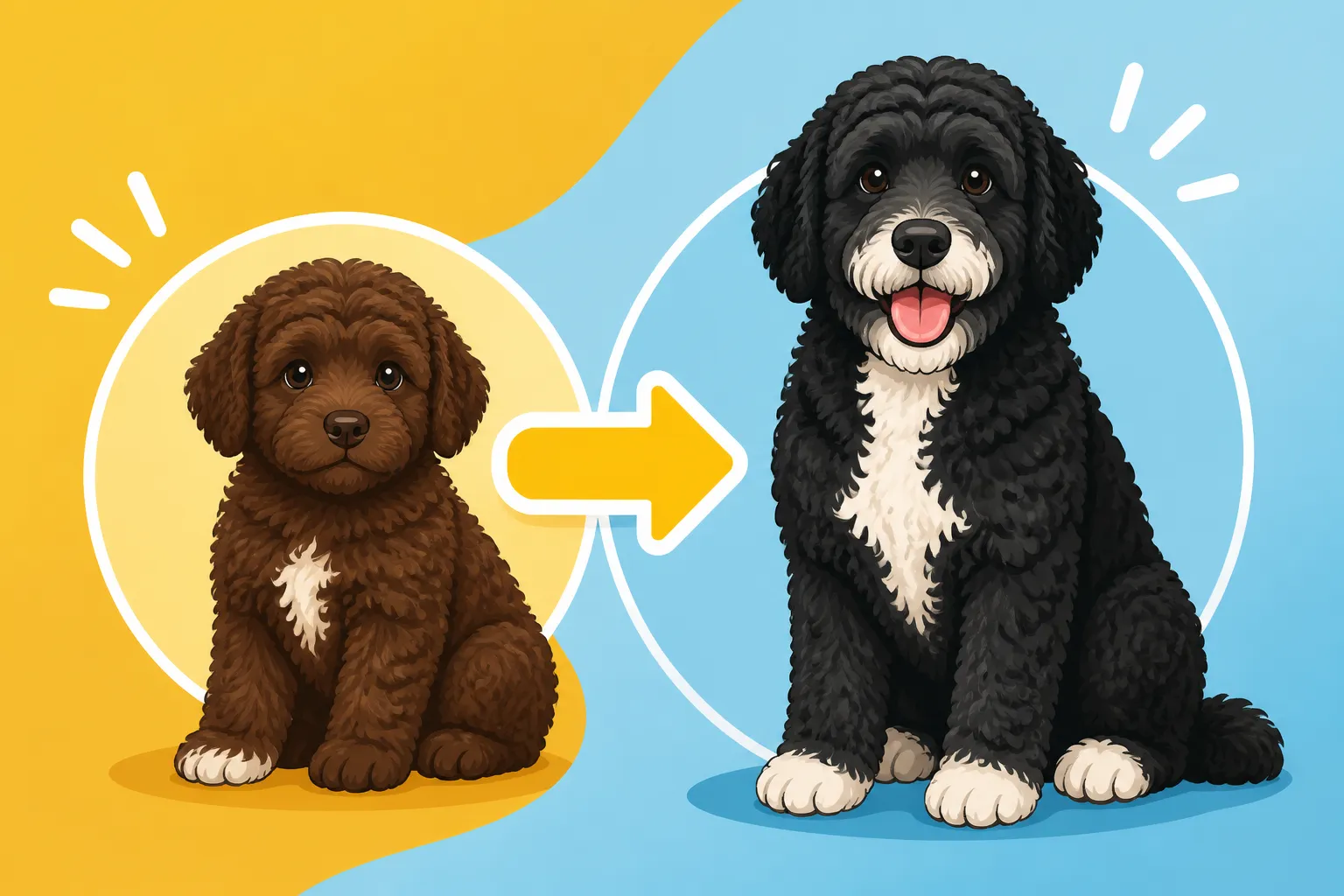
Oh, that puppy coat! It's usually so wonderfully soft, often a bit straighter or wavier than the adult coat, and deceptively easy to care for. Many new Portuguese Water Dog owners are lulled into a false sense of security, thinking that their dog's grooming routine will always be this straightforward. The puppy coat feels almost like a lamb's wool, light and airy, and it typically doesn't mat nearly as quickly or as densely as the adult coat. You might even find yourself brushing your puppy occasionally, and the comb just glides through. This lovely stage is part of the magic of having a young PWD.
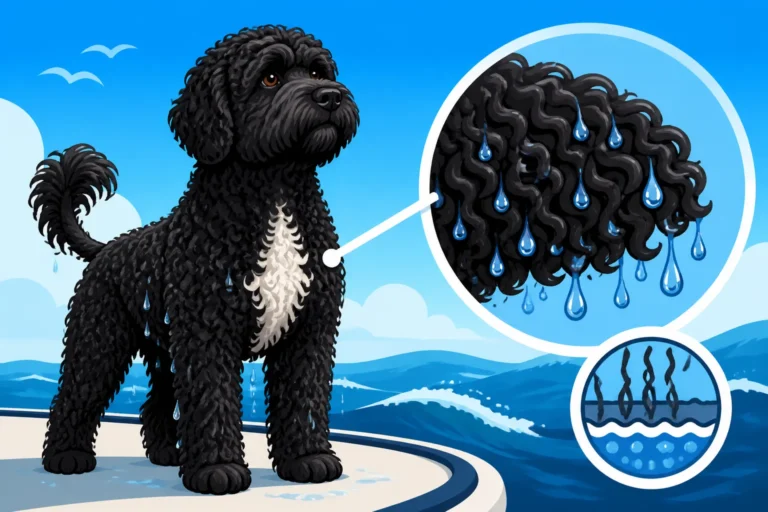
However, it's crucial to understand that this delightful, low-maintenance phase is temporary. Your Portuguese Water Dog's coat is designed for a life in the water, a purpose-built marvel of nature that offers insulation, protects against abrasions, and dries relatively quickly once excess water is shed. The puppy coat, while adorable, isn't quite up to the demanding tasks the breed was originally bred for, like diving off boats to retrieve tackle or herding fish into nets. It's a developmental stage, like baby teeth, and it's going to change. Understanding What a Portuguese Water Dog's Coat Is Made Of can give you some insight into why this transformation is so profound.
The texture can vary a bit even in puppies, some showing a hint more curl, others being quite wavy. But almost universally, it possesses a certain lightness and fine texture that makes it distinct. You'll notice it most when you snuggle them close – it's a soft cloud of fur. This is a wonderful time to get your puppy accustomed to being handled, brushed, and having their feet and ears checked, because the adult coat will require all of that and more. Building a positive association with grooming now will be invaluable when the more challenging transition begins.
When the Great Coat Transformation Begins
The timeline for a Portuguese Water Dog's puppy coat change can vary a bit from one dog to another, but generally, you can expect this process to begin anywhere from four months of age and continue until they are around 12 to 18 months old. For many, the most intense period of change, where you'll really notice the difference and the challenges, often occurs between six and ten months. It's not a sudden "poof!" and their coat is adult; it's a gradual, sometimes frustrating, journey.
Think of it like a human teenager hitting a growth spurt and suddenly needing new clothes; your PWD's body is maturing, and its coat is catching up. The hormonal changes, the general growth, and the development into a young adult dog all play a role. Some dogs might start hinting at the change a little earlier, others a little later, but that roughly six-month mark is often when owners start scratching their heads, wondering why their previously easy-care pup is suddenly a mat magnet.
What triggers it? It's simply part of their natural development. As they move out of puppyhood, their body starts producing the denser, more substantial adult coat. This adult coat is structurally different; it's designed to be water-resistant and provide better insulation. You might initially notice the change around their neck, chest, or behind their ears – areas where mats love to form. This isn't just about appearance; it's about the coat fulfilling its evolutionary purpose. Be prepared, because the ease of the puppy days is about to give way to a serious commitment to grooming. It’s also around this time that you might notice differences in How a Curly Coat Differs From a Wavy Coat, as the true texture of their adult coat begins to assert itself.
The Mechanics of the Coat Change: A Matting Nightmare
So, what exactly is happening during this "coat change" that causes so much grief for unsuspecting owners? It's essentially a battle of the coats. The finer, softer puppy hair isn't shedding out cleanly and falling away. Instead, it's getting trapped within the emerging, denser, and often curlier or wavier adult coat. Imagine trying to comb through two different textures of hair that are all intertwined – that's what's happening on your dog's body.
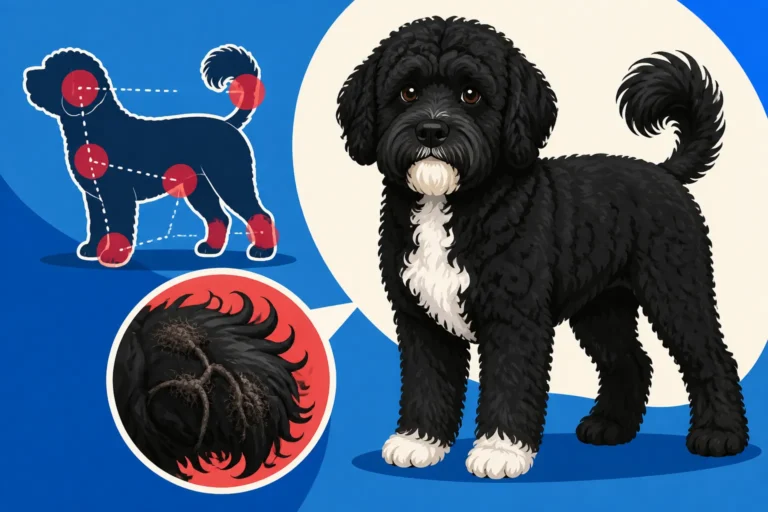
This trapped puppy hair, combined with the new, stronger adult hair, creates a perfect storm for matting. It's not just a little tangle here or there; it can be incredibly dense and form close to the skin. These mats aren't just cosmetic; they can be very uncomfortable, pulling on the skin, causing irritation, and even leading to skin infections if left unattended. This is why you'll often hear experienced PWD owners emphatically state that the coat change is the hardest grooming period. Many owners attest that this is Why a Portuguese Water Dog Mats Worst During the Change.
The adult coat itself is denser and typically has a much tighter curl or wave pattern. It's often described as feeling more coarse or substantial than the puppy coat. This texture helps it repel water and keep your dog warm when working in cold environments. While the PWD is considered a non-shedding breed in the traditional sense (they don't "blow coat" like a Labrador), they do still lose individual hairs. It's just that these hairs get caught in the surrounding coat, which, if not regularly brushed out, becomes a mat. This is also why many opt for The Retriever Clip Is the Coat Most Portuguese Water Dogs Wear once the adult coat has come in, as it’s generally easier to maintain than letting it grow long.
When you feel along your dog's back or sides during this period, you might feel patches of softer, fluffier hair giving way to areas that feel more wiry or tightly coiled. This uneven texture contributes to the matting challenge. Areas of friction, like under the harness, behind the ears, in the armpits, and around the tail, will be particularly prone to developing thick mats. This is why proactive and consistent grooming is absolutely non-negotiable during this phase. If you've been lax with brushing, this period will quickly teach you the error of your ways!
Navigating the Puppy Coat Change with Diligence
Okay, so you know it's coming, and you know it's going to be a challenge. But fear not, armed with the right tools and knowledge, you can absolutely navigate the Portuguese Water Dog puppy coat change successfully. The key is consistency, the right equipment, and a good dose of patience.
Increase Grooming Frequency Dramatically
During the peak of the coat change, you might need to brush your Portuguese Water Dog daily. Yes, you read that right – every single day. For some, even twice a day isn't too much. This isn't about looking perfect; it's about preventing painful mats. If you used to brush once or twice a week, that simply won't cut it anymore. Think of it as a crucial part of your dog's health and comfort regimen. Even if your dog isn't swimming constantly, Whether a Portuguese Water Dog Mats After Swimming is a common concern during this period, making daily brushing even more important. You might find that How Long Brushing a Portuguese Water Dog Takes increases significantly during this time.
Invest in the Right Tools
Forget those flimsy brushes you used on your puppy. You need serious grooming tools that can get down to the skin and separate the coat.
- Slicker Brush: A high-quality slicker brush with firm pins is essential for de-matting and fluffing the coat. Work in small sections, always brushing away from the skin.
- Long-Toothed Metal Comb: This is your secret weapon. After brushing a section with the slicker, use the comb to ensure you've gotten all the way to the skin. If the comb snags, you've found a mat that needs more attention. Different types of combs exist, so research Which Brush a Portuguese Water Dog Needs to find what works best for your dog's specific coat type.
- De-matting Tools (Use with Caution): For severe mats, a de-matting rake or mat splitter can be helpful, but they can cut the skin if not used properly. If you're unsure, it's always better to seek professional help.
- Force Dryer: If your PWD swims or gets wet often, a force dryer is invaluable. It helps blast water and loose hair out of the coat, significantly reducing matting. This tool can make a huge difference in drying time and preventing issues; learn more about What a Force Dryer Does for a Portuguese Water Dog. You can find many grooming essentials, from brushes to dryers, on Amazon.
Master Line Brushing
This technique is a game-changer. Instead of just brushing over the top of the coat, you part the coat down to the skin with one hand and brush a small section from the skin out with the other. Once that section is tangle-free, you move a little bit further up, creating a "line," and repeat. This ensures you're actually getting to the root of the hair and not just skimming the surface. It’s time-consuming, but it’s the only way to truly prevent mats.
Regular Baths and Thorough Drying
Even during the coat change, regular bathing is necessary, especially if your PWD is active or swims. However, you absolutely must brush and comb your dog thoroughly before bathing. Water tightens mats, making them nearly impossible to remove once wet. After bathing, use a high-velocity force dryer to ensure the coat is completely dry, brushing as you go. Never let a Portuguese Water Dog air dry when their coat is in transition, as this is a prime way for mats to form. Understand How Often a Portuguese Water Dog Needs a Bath to keep their skin healthy and coat manageable.
Consider Professional Grooming
Don't be afraid to enlist the help of a professional groomer, especially during this challenging period. A good groomer who understands Portuguese Water Dog coats can help manage the transition, remove stubborn mats safely, and even give you tips on home care. They can also provide a "puppy trim" to keep the coat shorter and more manageable while it's changing. Sometimes, a full shave down is the kindest option if the mats are severe and painful.
Nutrition and Overall Health
While grooming is paramount, don't forget that a healthy coat starts from within. Ensure your Portuguese Water Dog is on a high-quality diet. Brands like Ollie offer fresh, balanced meals that can contribute to overall skin and coat health, providing the nutrients needed for a strong, vibrant adult coat. Consult with your vet on appropriate supplements if your dog has particularly dry skin or a dull coat. When considering their diet, keep in mind What an Adult Portuguese Water Dog Eats as their needs change. For standard high-quality kibble options, you can often find a wide variety on Chewy.
Transitioning from a puppy coat to an adult coat is a phase that requires commitment, but it's a temporary one. Once your Portuguese Water Dog fully matures and their adult coat is established, the grooming routine will find its rhythm, and while still demanding, it often becomes a bit more predictable. Keep up the consistent work, and you'll have a happy, mat-free PWD.
| Feature | Puppy Coat | Transitioning Coat | Adult Coat |
|---|---|---|---|
| Texture | Soft, fine, fluffy, often straighter | Mix of soft puppy hair and denser adult hair | Denser, coarser, curlier or wavier, resilient |
| Appearance | Lighter, airy, less defined curl/wave | Patchy, can look untidy, mat-prone | Consistent curl/wave, rich texture |
| Matting Tendency | Low, easy to comb through | EXTREMELY HIGH, mats quickly and densely | Moderate to high, requires regular grooming |
| Grooming Needs | Occasional brushing, basic handling | Daily brushing/combing, meticulous attention | Regular brushing (2-3x/week), professional clips |
| Common Age | Up to 4-6 months | 4-18 months (peak 6-10 months) | 18 months + |
Disclaimer
This article is for general informational purposes only and does not constitute professional advice. Laws, prices and regulations vary by location and change over time. Consult a qualified professional for guidance on your specific situation.