Where a Portuguese Water Dog Mats Behind the Ears
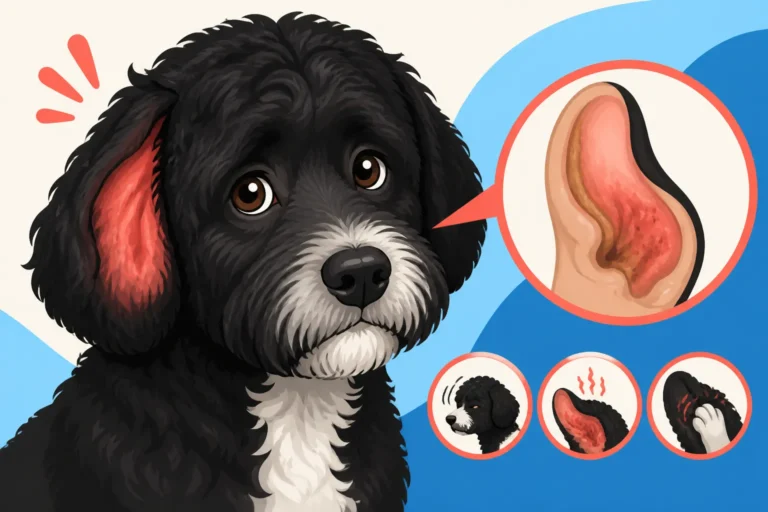
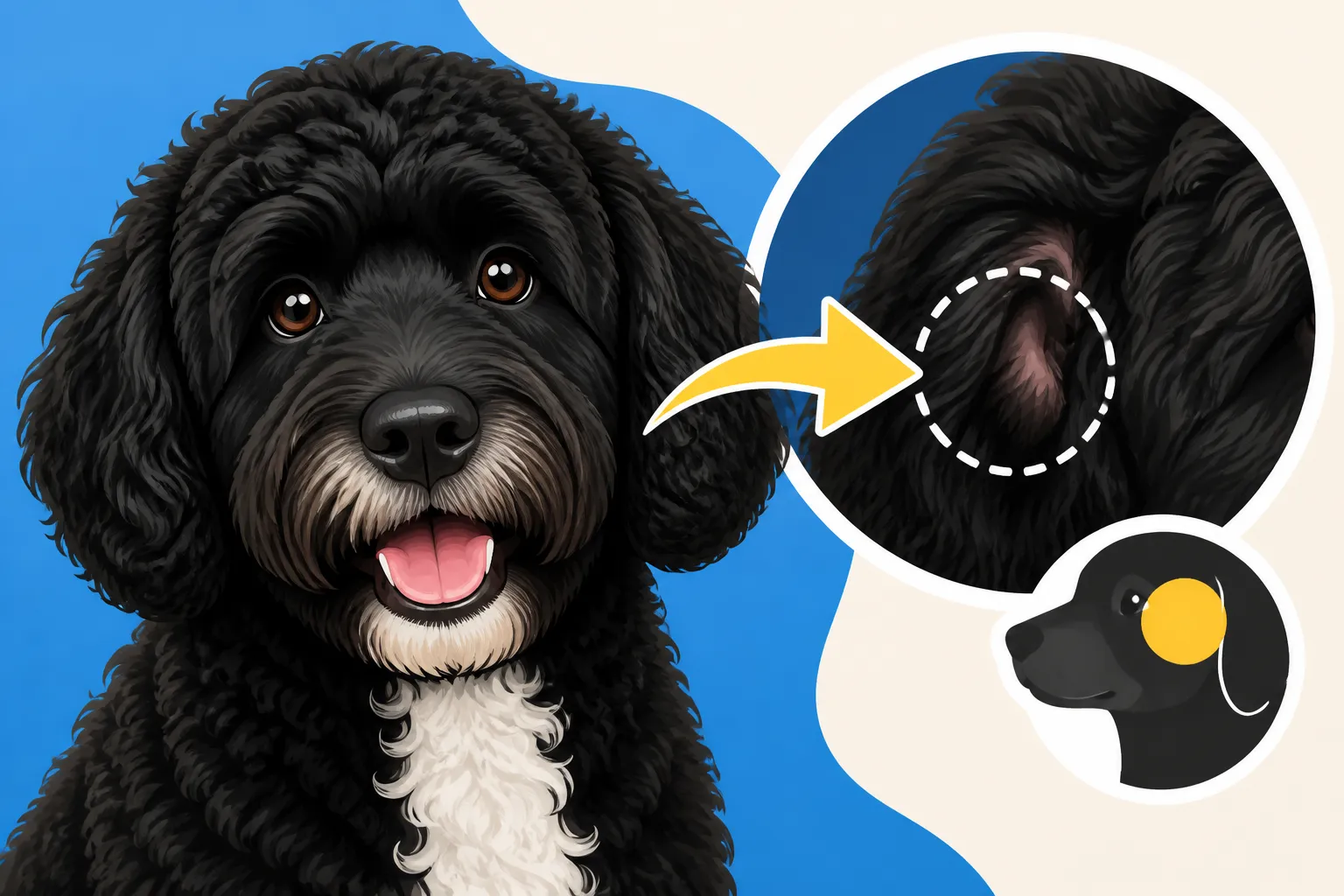
Ah, the dreaded mats behind the ears of your beloved Portuguese Water Dog! If you're a PWD parent, you know exactly what I'm talking about. One minute your dog is frolicking, the next you're discovering a felted lump right where the ear meets the neck, seemingly appearing out of nowhere. It's frustrating, painful for your dog, and can feel like a losing battle. This guide is here to shed light on why this particular spot is a mat magnet and, more importantly, equip you with the knowledge and techniques to prevent and tackle those stubborn tangles effectively.
The Anatomy of a Mat-Prone Spot: Why Behind the Ears?
It might seem unfair that such a specific area of your PWD's beautiful coat is so prone to matting, but there are several very logical reasons why the fur behind the ears seems to conspire against you. It's a combination of coat type, constant movement, and environmental factors that creates the perfect storm for tangles.
The Unique Texture of Portuguese Water Dog Coats
The Portuguese Water Dog boasts a single coat, which is one of the reasons they are often lauded as a good choice for allergy sufferers. Unlike double-coated breeds that have a soft undercoat that sheds, the PWD's coat is designed to be water-resistant and to protect them from the elements. However, this unique texture – whether it's the tight, crisp curl or the soft, flowing wave – is also incredibly prone to matting. Each strand of hair, once tangled with its neighbors, tends to hold on for dear life, quickly forming dense knots.
Adding to this, the hair behind the ears is often finer and softer than the coat on the rest of the body. Think of the delicate baby hairs on a human's neck versus the stronger hair on their scalp. This finer texture makes it more susceptible to friction and entanglement. It's almost as if the universe decided to place the most delicate hair in one of the highest-traffic areas on your dog's body, just to keep you on your toes. This specific area is where the hair is less dense but incredibly pliable, making it easy for individual strands to intertwine and form tiny, tight knots that quickly grow into larger mats if not addressed.
Friction and Movement: The Silent Mat-Makers
Your PWD's head is constantly in motion. They shake their heads, scratch with their hind paws, rub against furniture, and their ears are perpetually flapping or being groomed. All this movement creates friction, and friction is the number one enemy of a tangle-free coat. Every time your dog shakes their head, those delicate hairs behind the ears rub against each other, knotting up in the process. When they scratch an itch, their nails snag and pull the hair, forming micro-mats that escalate quickly.
Furthermore, collars, harnesses, and even bandanas can contribute significantly to matting in this area. A collar that's too tight or constantly rubbing against the skin can compress the hair, creating a prime spot for mats to form. Even a loose-fitting collar can cause repetitive friction as it shifts. This is particularly true if your PWD wears their collar all the time, or if they have a harness that sits high on the neck, irritating the sensitive fur around and behind their ears. Pay close attention to how your dog's accessories interact with their coat to prevent unnecessary matting in this sensitive zone.
The Role of Moisture and Debris
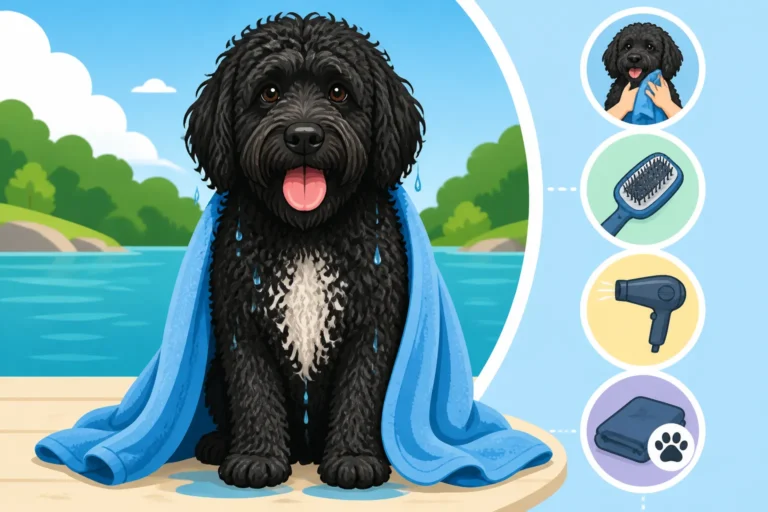
Let's not forget that Portuguese Water Dogs are, well, water dogs! They love to swim, splash, and generally get wet. While their coat is built for water, constant dampness, especially if not dried thoroughly, can be a major factor in mat formation. Water causes the hair strands to clump together, and if allowed to dry in this state, they can fuse into mats. Add to this the natural oils from their skin, and you've got a perfect recipe for a tangled mess. Drying a Portuguese Water Dog After Every Swim is incredibly important.
Beyond water, everyday debris can easily get caught in the fur behind the ears. Think about it: when your PWD is sniffing around in the yard, rolling in leaves, or just getting into general canine mischief, tiny bits of dirt, twigs, seeds, and even dust can become embedded in their coat. This debris, especially when combined with moisture, acts as an anchor for mats, pulling hair strands together and making them incredibly difficult to brush out. It's like nature's Velcro, specifically designed to torment PWD owners.
Early Warning Signs and What to Do When You Find a Mat
Finding a mat can feel like a personal defeat, but the key is not to panic. Instead, adopt a proactive approach, starting with regular checks and gentle, effective detangling methods. The earlier you catch a mat, the easier and less painful it will be to resolve.
Catching the Culprit Early: The Importance of Daily Checks
The absolute best defense against mats is daily vigilance. Seriously, just a few minutes of attentive petting and feeling around your dog's body each day can make a world of difference. When you're snuggling on the couch or just giving them a good scratch, run your fingers through the hair behind their ears, under their chin, in their armpits, and around their tail. These are all common matting hotspots. You're feeling for any small lumps, knots, or areas where the hair feels dense or sticky.
If you find a small tangle, don't ignore it. A tiny knot the size of a pea can become an impassable fortress overnight. It's much easier to gently work out a small tangle with your fingers or a comb than to tackle a large, painful mat. Think of it as preventative maintenance for their coat. Make it a positive experience, too – offer treats and praise, so your PWD associates these checks with good things. This also builds trust and makes future grooming sessions much smoother. How Often a Portuguese Water Dog Needs Brushing is a question with a very important answer for this breed.
Gentle Detangling Strategies
When you do find a small mat, resist the urge to just yank at it with a brush. This is painful for your dog and can make the mat worse by tightening it further. Instead, gather your tools: a slicker brush, a good quality steel comb with both wide and narrow teeth, and a detangling spray or conditioner specifically formulated for dogs. Products available from retailers like Chewy or Amazon often include excellent detangling sprays that can make a huge difference in loosening stubborn knots.
Here's a step-by-step approach:
- Isolate the Mat: Gently hold the hair at the base of the mat, close to the skin, to prevent pulling on the skin as you work.
- Apply Detangling Spray: Liberally spray the mat with a detangling solution. Let it sit for a minute or two to penetrate the hair.
- Finger Pick: Start by gently trying to pull the mat apart with your fingers, working from the outside edges inwards.
- Use the Comb: Begin with the wide-toothed side of your comb, working tiny sections of the mat from the tips of the hair, slowly moving closer to the skin. Do this very gently, one strand at a time if necessary. If the comb snags, back off and try to finger-pick that section more.
- Slicker Brush: Once you've loosened the mat considerably with the comb, you can follow up with a slicker brush to smooth out the area. Always brush down and away from the skin.
This process requires patience, but it’s crucial for your dog’s comfort. If they show signs of pain, take a break.
When to Seek Professional Help
Sometimes, a mat is just too big, too tight, or too close to the skin for you to safely remove at home. This is not a failure on your part; it's simply recognizing when a professional is needed. Trying to cut out a severe mat yourself is incredibly risky. The skin beneath a mat can be pulled taut, making it very easy to accidentally cut your dog. Trust me, I've heard too many stories of well-meaning owners ending up with a trip to the vet for stitches.
Professional groomers have specialized tools, techniques, and experience dealing with severe matting. They can often remove mats more efficiently and with less stress for your dog. In some extreme cases, especially with larger, tighter mats that have caused skin irritation, a vet might even need to sedate your dog to safely shave the mat out. Don't let pride or a desire to save money outweigh your dog's comfort and safety. A matted coat can lead to skin infections, discomfort, and even restrict movement, so addressing it promptly is vital. What Grooming a Portuguese Water Dog at Home Saves Money is a good question, but not if it puts your dog at risk.
Proactive Grooming for Mat Prevention
The best way to deal with mats is to prevent them from forming in the first place. This means establishing a consistent grooming routine that suits your Portuguese Water Dog's coat type and lifestyle.
Brushing Techniques That Make a Difference
Effective brushing isn't just running a brush over the top of the coat; it's about getting down to the skin. This is often referred to as "line brushing" or "section brushing." You start at the bottom of your dog (their feet, for example) and work your way up, or you can start at the back of the neck and work down. The key is to part the hair, brush a small section from the skin out, and then move a little further down, overlapping your strokes.
For the areas behind the ears, gently part the hair and brush small sections at a time. A good quality slicker brush will help detangle, and a metal comb is essential to ensure you've gotten all the way to the skin. Run the comb through the brushed section; if it catches, you know there's still a tangle hiding there. Be extra gentle in this sensitive area. Consistency truly is key here. Think of it as a daily ritual, even if it's just a quick once-over behind the ears every evening. Which Brush a Portuguese Water Dog Needs is a vital piece of information.
The Right Tools for the Job
Having the correct grooming tools makes all the difference in managing a PWD's coat. A good quality slicker brush is indispensable for working through tangles and removing loose hair. For more precise work, especially behind the ears, a metal comb with both fine and wide teeth will be your best friend. The fine end helps to tease out smaller knots, while the wide end is good for general detangling.
Beyond brushes and combs, consider investing in a dog-specific detangling spray or leave-in conditioner. These products lubricate the hair, making it smoother and less prone to tangling, and easier to brush through when knots do occur. Many excellent options are available from retailers like Chewy or Amazon. For PWD owners who regularly swim their dogs, a high-velocity force dryer is a game-changer. It helps dry the coat quickly and thoroughly, preventing moisture-induced mats, especially crucial after water activities. It's an initial investment, but it saves countless hours and prevents matting. Whether a Portuguese Water Dog Must Be Force Dried is a common question, and for mat prevention, it's highly recommended.
The Power of Regular Clipping
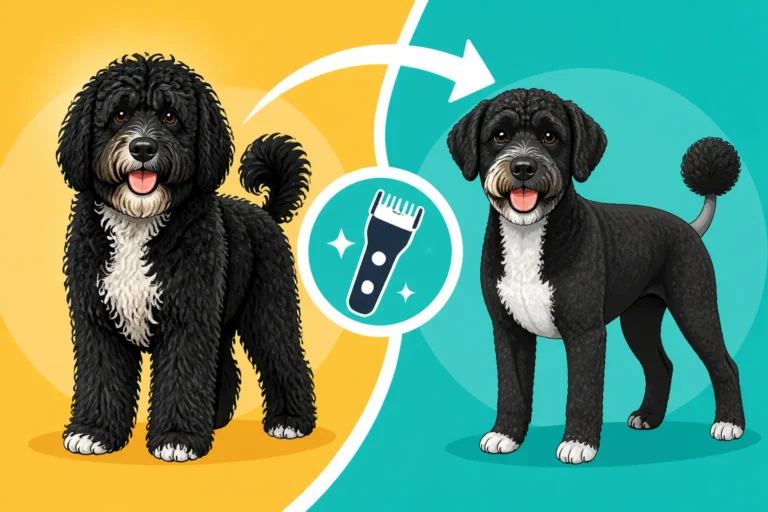
While some PWD owners love the natural, shaggy look, regular clipping is perhaps the most effective way to prevent severe matting, especially in high-friction areas like behind the ears. Keeping the hair shorter makes it much harder for mats to form and much easier to brush out any small tangles that do appear. You don't have to shave your dog down, but a shorter "retriever clip" on the body, with careful trimming around the ears and neck, can dramatically reduce your grooming burden. The Clip You Choose Decides a Portuguese Water Dog's Grooming Bill.
A professional groomer can achieve a neat, functional clip that minimizes matting while still allowing your dog to look like the handsome PWD they are. If you prefer to groom at home, investing in a good set of clippers and learning how to use them correctly is invaluable. Even simply using scissors with blunt tips to trim the hair very short behind the ears can prevent significant problems. Discuss clipping options with your groomer to find a style that balances aesthetics with practicality for your dog's lifestyle. The Retriever Clip Is the Coat Most Portuguese Water Dogs Wear because it is so practical.
Lifestyle Adjustments to Minimize Matting
Beyond the brushing and clipping routine, a few simple lifestyle adjustments can also help keep those troublesome mats from forming.
Managing Water Activities
Portuguese Water Dogs adore water, and we wouldn't want to deny them that joy! However, every swim needs to be followed by a thorough grooming session. Simply letting your PWD air dry, especially if they have a curly or wavy coat, is an open invitation for mats to form. As the water evaporates, the hair clumps together, and those clumps become tight knots.
After any water activity, whether it's a dip in the lake, a swim in the pool, or a bath, rinse your dog's coat thoroughly to remove any chlorine, salt, or debris. Then, towel dry as much as possible, and follow up with a force dryer until the coat is completely dry. Pay extra attention to the areas behind the ears, the armpits, and the groin. If a full dry isn't possible immediately, at least ensure the mat-prone areas are dried. This simple step can prevent a tremendous amount of matting. What to Do With a Portuguese Water Dog After a Swim is crucial.
Collar and Harness Considerations
As mentioned earlier, collars and harnesses can be significant contributors to matting behind the ears and on the neck. If your PWD wears a collar all the time, consider using a rolled leather or satin-lined collar, which can cause less friction than a standard nylon or flat leather collar. Better yet, if your dog is safely trained to stay close, remove their collar when they're at home and supervised.
For harnesses, ensure it fits correctly and doesn't rub excessively on the delicate hair around the neck and behind the ears. Sometimes, adjusting the harness position or trying a different style can make a big difference. Many harnesses available on sites like Chewy offer different designs; look for ones with minimal strapping or softer materials in contact with these sensitive areas. If your dog wears a harness for long periods, take it off for breaks and brush out the areas it covers.
Diet and Coat Health
While diet isn't a direct solution to existing mats, a healthy, well-nourished coat is generally more resilient and less prone to breakage and matting. Just like human hair, a dog's coat quality reflects their overall health. Ensuring your Portuguese Water Dog receives a balanced, high-quality diet provides the necessary nutrients for strong, healthy hair follicles.
Look for dog foods that list real meat as the first ingredient and contain essential fatty acids like Omega-3 and Omega-6, which are vital for skin and coat health. Brands that focus on quality ingredients, whether kibble or fresh food options like Ollie, can make a noticeable difference in coat luster and strength. A healthy coat is smoother, stronger, and less likely to snag and tangle, making your grooming efforts much more effective in the long run.
Here's a quick comparison of common matting areas and their primary causes:
| Matting Area | Primary Causes | Recommended Action |
|---|---|---|
| Behind the Ears | Head movement, scratching, fine hair, collars/harnesses, moisture | Daily finger checks, detangling spray, gentle combing, shorter clip in area |
| Armpits/Groin | Leg movement, friction, moisture, fine hair | Regular brushing, short trim, attention after swimming |
| Under Collar/Harness | Constant rubbing, trapped moisture | Adjust fit, rolled collars, remove when not needed, frequent brushing underneath |
| Tail Base/Feathers | Wagging, sitting, debris, urination | Regular combing, trim feathering if prone to mats |
| Between Pads | Debris, moisture, long hair | Trim hair between pads, daily foot checks, thorough drying after water |
Remember, consistency, the right tools, and a bit of patience will go a long way in keeping your Portuguese Water Dog's coat beautiful and mat-free. It's a commitment, but the reward is a happy, comfortable companion with a stunning coat.
Disclaimer
This article is for general informational purposes only and does not constitute professional advice. Laws, prices and regulations vary by location and change over time. Consult a qualified professional for guidance on your specific situation.