Whether a Portuguese Water Dog’s Tail Plume Is Left
One of the most charming and often discussed features of the Portuguese Water Dog is that distinctive tail, often adorned with a playful "plume." If you're a new PWD owner, or even just considering bringing one of these amazing dogs into your life, you might be scratching your head about whether that fluffy tail tip is a given, a choice, or something your groomer just does. This guide is here to unravel the mystery of the Portuguese Water Dog tail plume, exploring its origins, its role in various clips, and what it means for your dog's grooming routine.
Understanding the Portuguese Water Dog's Tail and Its Plume
The tail of a Portuguese Water Dog isn't just for wagging; it's a powerful rudder, essential for their agility and balance in the water. Historically, these dogs were true working partners on fishing boats, using their strong, tapered tails to help steer and propel themselves through the waves. The plume, or the longer hair left at the end of the tail, plays a fascinating role both functionally and aesthetically.
The Tail's Natural Form and Function
A Portuguese Water Dog's tail is naturally strong and thick at the base, tapering to a point. It's an extension of their spine, crucial for their swimming prowess and overall balance. When you watch a PWD navigate rough waters or dive for a toy, you'll see that tail in action, sculling and steering with impressive precision. The coat on the tail is typically dense, mirroring the rest of their body, and without grooming intervention, it would grow out like the rest of their magnificent fur. This natural growth provides additional insulation in cold water, further aiding their original maritime tasks. It's often carried in a lively, saber-like curve, though never tightly curled over the back. You might find it interesting to learn more about How a Portuguese Water Dog's Tail Should Be Carried.
What Exactly Is a Tail Plume?
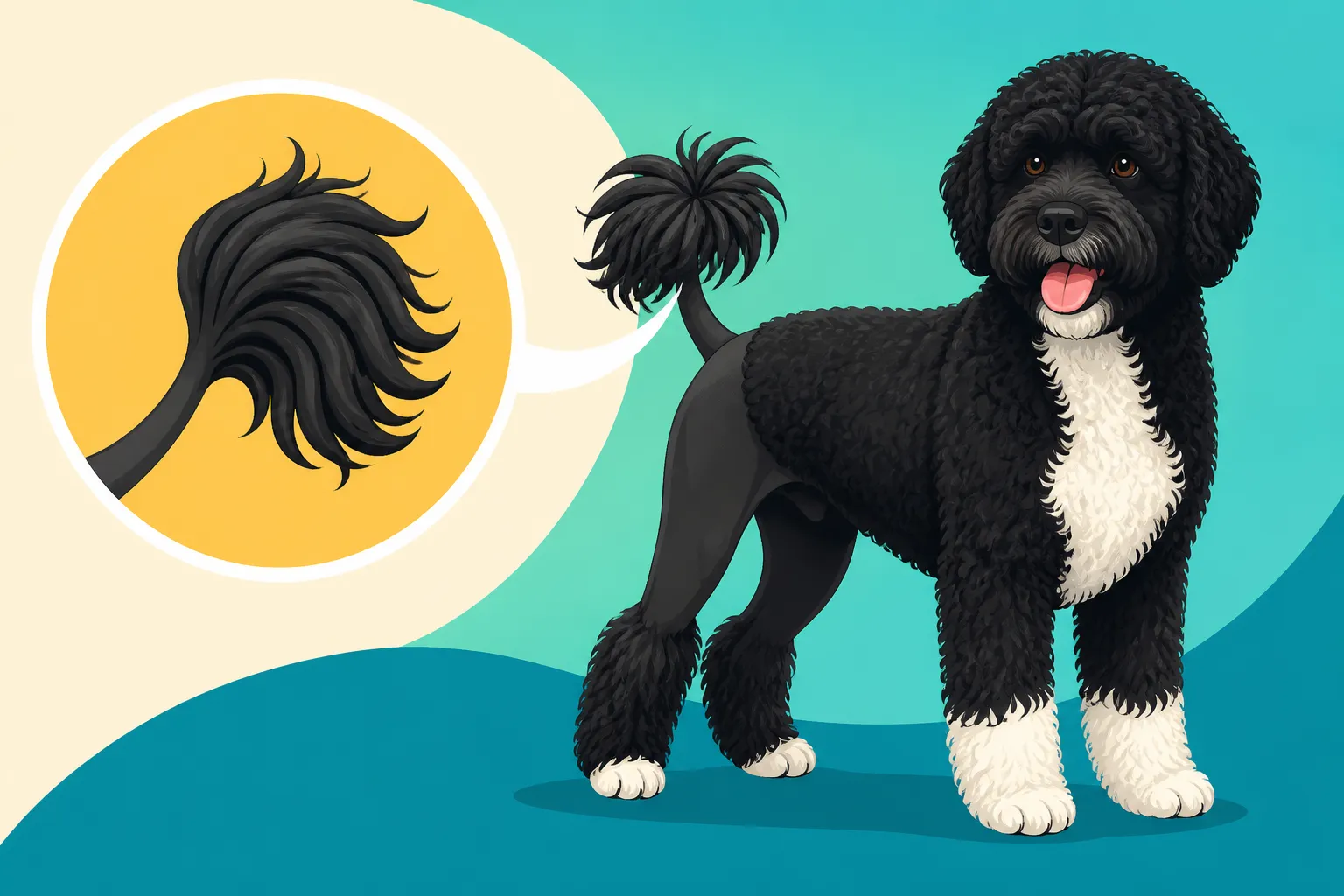
The "plume" refers to the tuft of longer hair specifically left on the end of a Portuguese Water Dog's tail, usually shaped to resemble a flag or a decorative flourish. It’s not an entirely natural growth pattern but rather a deliberate grooming choice, a nod to the breed's working past and a requirement in certain show clips. Think of it as a styled accent that draws attention to the dog's powerful tail. Without intentional shaping, the tail's hair would simply grow uniformly with the rest of the coat, perhaps slightly bushier at the tip but not in the distinct, sculpted plume we often see. This plume is a hallmark that often surprises new owners who aren't familiar with breed-specific grooming.
Historical Significance of the Tail Plume
While it might seem purely cosmetic today, the tail plume has a strong connection to the Portuguese Water Dog's history as a working dog on the Iberian coast. The traditional "lion clip" (which we'll discuss more later) involved shaving the hindquarters and part of the tail, leaving the front half and the very end of the tail heavily coated. The plume was often left for practical reasons: it served as a visual marker in the water, making it easier for fishermen to spot their dogs amidst waves and fog. It also offered a bit of extra warmth or protection to the sensitive tail tip. It's a testament to the breed's heritage that even as their working roles have evolved, elements of their traditional grooming, like the plume, remain.
The Tail Plume in Different Grooming Clips
The decision to leave a tail plume largely depends on the specific grooming clip you choose for your Portuguese Water Dog. The breed standard recognizes two primary clips, each with different implications for the tail. It's not a one-size-fits-all situation, and what works for a show dog might be impractical for a family pet.
The Lion Clip and Its Tail Plume Requirement
The lion clip is the historical, traditional clip for the Portuguese Water Dog, and it is the clip where the tail plume is not just left, but required. In this clip, the coat is shaved or clipped very short from the last rib to the hindquarters, including the entire tail except for the plume at the very end. The front part of the dog, from the ribs forward, is left in full coat. This distinctive look was functional for the working dogs, allowing them freedom of movement in the water while providing warmth where vital organs were located. For a show dog, the lion clip is a statement of breed authenticity, and the plume must be well-defined and proportionate. Without that prominent plume, a PWD in a lion clip would look incomplete in the show ring. If you're curious about the intricate details of this clip, check out What the Lion Clip Leaves and What It Takes. Maintaining this clip, including the plume, can be quite involved, often requiring specific tools and regular grooming sessions. The Lion Clip Costs a Portuguese Water Dog Owner Daily Brushing, both in time and effort, if you're doing it yourself, or in professional grooming fees.
The Retriever Clip and the Optional Plume
The retriever clip, also sometimes called the working clip or utility clip, is much more common for pet Portuguese Water Dogs. In this clip, the entire body is clipped to a more uniform length, typically around one inch or longer, creating a less dramatic silhouette. When it comes to the tail in a retriever clip, the plume is entirely optional. Some owners choose to leave a small, subtle plume for aesthetic reasons or as a nod to tradition, while others prefer to clip the tail to the same uniform length as the rest of the body, creating a neat, rounded end.
There's no right or wrong answer here; it's a matter of personal preference and practical considerations. The retriever clip is generally easier to maintain than the lion clip, and removing the plume makes the tail even lower maintenance. Many pet owners appreciate the ease of grooming that comes with a uniform coat, and the absence of a plume means less brushing and less potential for matting on the tail. The Retriever Clip Is the Coat Most Portuguese Water Dogs Wear because it's practical, easy to care for, and still highlights the dog's athletic build. If you're considering Which Clip Suits a Pet Portuguese Water Dog, the retriever clip often wins for its practicality.
Show Ring vs. Pet Life: Different Tail Plume Expectations
The rules for a show dog are quite rigid, and the tail plume is a critical detail. In the show ring, the lion clip requires a plume. Judges are looking for a specific outline and presentation that includes that distinctive tuft of hair. For pet Portuguese Water Dogs, however, the world is your oyster! Most pet owners prioritize comfort, hygiene, and ease of maintenance over strict adherence to show standards.
| Feature | Lion Clip (Show) | Retriever Clip (Pet) |
|---|---|---|
| Tail Plume | Required and prominent | Optional; can be uniform with body clip |
| Body Coat | Shaved hindquarters, full front | Uniform length all over |
| Maintenance | High (regular shaping, brushing) | Moderate (less shaping, regular clipping) |
| Historical Role | Functional (buoyancy, visibility) | Minimal (more aesthetic choice) |
| Ease of Care | More challenging | Easier, less prone to mats |
As you can see, the tail plume is a central element for the lion clip but becomes a choice for the retriever. If you're not planning to compete in conformation events, then your decision about the tail plume should be based purely on what works best for you and your dog's lifestyle.
Practical Considerations for Keeping a Tail Plume
While a tail plume can be undeniably stylish and a true homage to the Portuguese Water Dog's heritage, it does come with practical considerations that owners need to be aware of. It's not just about how it looks, but how it impacts daily care and your dog's comfort.
Grooming and Maintenance of the Plume
If you decide to keep a tail plume, be prepared for dedicated grooming. The longer hair at the end of the tail is prone to matting, especially if your PWD is an avid swimmer or loves to romp through brush. This means regular, thorough brushing is absolutely essential. We're talking daily brushing if your dog is active or has a particularly thick coat. Without it, tangles can quickly turn into painful mats, which can then require professional dematting or even shaving off the plume entirely.
You'll need a good quality slicker brush and a metal comb to work through the plume, ensuring you reach all the way to the skin. After swims, the plume needs to be dried thoroughly to prevent skin irritation and matting. Consider using a force dryer, which can significantly cut down drying time and fluff the coat beautifully. You can find excellent grooming supplies on sites like Chewy or Amazon, making it easier to maintain your dog's coat at home. For more insights on general coat care, you might want to read How Long Brushing a Portuguese Water Dog Takes.
Hygiene and Cleanliness
A longer tail plume can sometimes pose hygiene challenges. If your dog has loose stools, for example, the plume can become soiled, requiring immediate cleaning. This isn't just about aesthetics; fecal matter can cause skin irritation and bacterial infections if left in the fur. Trimming the plume slightly shorter, even if you keep the general shape, can help mitigate this.
Additionally, a plume can pick up burrs, twigs, and other debris from the outdoors, especially if your PWD loves exploring. Checking the plume after every outdoor adventure is crucial to remove any foreign objects before they become embedded or cause mats. This extra vigilance is part and parcel of having a longer-coated tail.
Owner Preference and Lifestyle
Ultimately, whether you leave a tail plume on your pet Portuguese Water Dog comes down to personal preference and your lifestyle. Do you love the traditional look and are committed to the extra grooming? Or do you prefer a more low-maintenance clip that allows for less daily fuss?
Many owners who don't show their dogs opt for a uniform retriever clip because it's simply easier to manage. It reduces brushing time, minimizes matting, and makes post-swim drying quicker. For a family with young children or a busy schedule, these factors can be a significant benefit. If you have an active PWD who spends a lot of time in the water or exploring dense foliage, a shorter, uniform tail might save you a lot of headache. Conversely, if you enjoy grooming and appreciate the distinctive appearance of the plume, it can be a source of pride and a way to connect with your dog's heritage.
Deciding if the Tail Plume is for Your Portuguese Water Dog
Choosing the right clip, including whether to keep a tail plume, is a personal decision that impacts your PWD's appearance, your grooming routine, and potentially your dog's comfort. There are several factors to weigh before making your choice.
Pros of Keeping a Tail Plume
If you're on the fence, here are some reasons why you might love keeping that fluffy tail tip:
- Traditional Look: The plume is iconic for the Portuguese Water Dog, especially when combined with a lion clip. It's a direct link to their historical working appearance.
- Show Ring Ready: If you have aspirations of showing your PWD in conformation, the plume is a non-negotiable part of the lion clip.
- Aesthetic Appeal: Many owners simply love the distinctive, elegant, or even whimsical look of a well-groomed tail plume. It adds character and a unique silhouette.
- Added Visibility: While less crucial now, the plume historically offered a visual marker in the water, which can still be a subtle benefit in certain outdoor scenarios.
It really sets your PWD apart and showcases the breed's unique heritage. Plus, a beautifully groomed plume can be a real conversation starter at the dog park!
Cons of Keeping a Tail Plume
However, it's equally important to consider the potential drawbacks:
- Increased Grooming Needs: As discussed, longer hair mats easily. The plume will require frequent brushing and careful drying, especially after swims.
- Hygiene Challenges: The plume can collect debris, mud, and can be harder to keep clean if your dog has digestive upset.
- Time Commitment: The extra grooming time adds up. If you're busy, this could become a chore rather than a bonding experience.
- Professional Grooming Costs: If you opt for professional grooming, a lion clip with a perfectly sculpted plume will typically cost more due to the precision and time required. Consider What Professional Grooming Costs for a Portuguese Water Dog if you go this route.
Think about how much time you realistically have for grooming. If you're already struggling to keep up with the rest of their coat, adding a plume might just push you over the edge.
Factors to Consider for Your Dog's Lifestyle
Your Portuguese Water Dog's specific activities and temperament should also play a role in your decision:
- Water Enthusiast: If your PWD is constantly in and out of the water – whether it's the ocean, a lake, or a backyard pool – a plume will require rigorous drying and brushing to prevent matting and skin issues.
- Outdoor Adventurer: Dogs who hike, run through fields, or explore wooded areas will inevitably pick up burrs and twigs in longer tail hair.
- Show Dog vs. Companion Dog: For a show dog, the decision is made for you if you're aiming for a lion clip. For a companion, prioritize comfort and manageability.
- Your Grooming Skills: Are you confident in your ability to maintain the plume at home, or will you rely on a professional? Consider How Often a Portuguese Water Dog Needs Clipping regardless of the tail, but a plume adds another layer of complexity.
- Coat Type: While both curly and wavy Portuguese Water Dogs can have a plume, a very dense, curly coat might be more prone to matting in that area. You can find more details on this topic in Curly or Wavy: the Two Portuguese Water Dog Coats.
Remember, there's no harm in trying a plume for a while and then clipping it off if it proves too much work. Or, you can leave it off entirely and enjoy a lower-maintenance retriever clip. The most important thing is that your Portuguese Water Dog is healthy, comfortable, and well-cared for. If you're considering home grooming, resources on sites like Chewy or Amazon can provide all the tools you need, from clippers to brushes, to keep your PWD looking their best, plume or no plume.
Disclaimer
This article is for general informational purposes only and does not constitute professional advice. Laws, prices and regulations vary by location and change over time. Consult a qualified professional for guidance on your specific situation.