Whether Conditioner Is Needed on a Portuguese Water Dog
If you're a Portuguese Water Dog owner, you've probably spent countless hours wrestling with that beautiful, unique coat, trying to prevent mats and keep it looking its best. It's a never-ending battle, especially if your PWD is doing what they love most – swimming! Many of us wonder if conditioner is just an extra step or a vital part of keeping their coat healthy and manageable. This comprehensive guide will dive deep into why conditioner isn't just a luxury, but often a necessity for our beloved water dogs, and how to choose and use the right one.
Understanding the Unique Portuguese Water Dog Coat
The Portuguese Water Dog's coat is truly a marvel, designed by nature to protect them in chilly waters while they worked alongside fishermen. But what makes it so incredible also makes it uniquely challenging to care for.
The Double-Edged Sword of the Single Coat
Unlike many breeds that have a dense undercoat and a coarser topcoat, Portuguese Water Dogs boast a single coat of hair. This means there's no shedding of a seasonal undercoat, which is why they're often touted as "hypoallergenic" – though no dog is truly allergen-free, their low-shedding nature certainly helps many allergy sufferers. However, this single coat isn't without its quirks. The hair continuously grows and, instead of falling out, it tends to get trapped within the existing curls or waves.
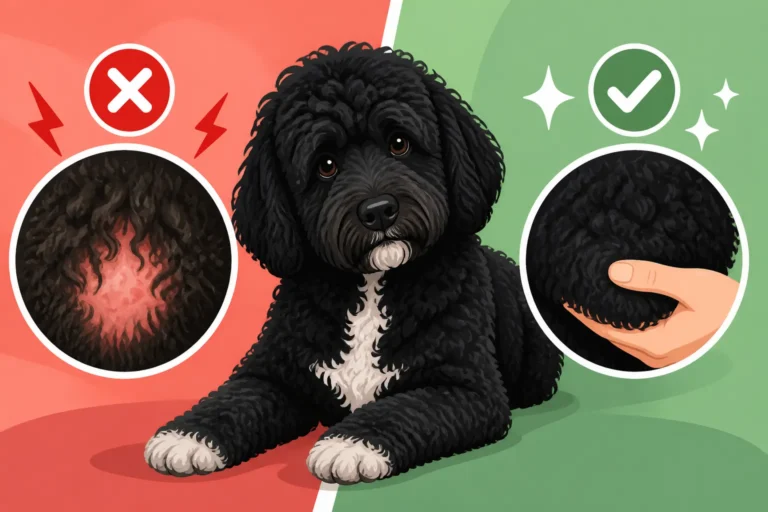
Imagine trying to brush out a tangled mess of yarn where the loose strands haven't fallen free but are woven into the rest. That's essentially what happens with a PWD's coat. This trapped hair, combined with the natural texture of their curls or waves, creates a perfect storm for matting. These mats can start small, perhaps behind an ear or under a leg, but they can quickly grow into dense, painful clumps that pull on the skin. Keeping this coat well-maintained isn't just about aesthetics; it's about comfort and preventing serious skin issues for your dog. A healthy, moisturized coat is far less likely to tangle and mat.
How Water Exposure Affects Coat and Skin
It's no secret that Portuguese Water Dogs absolutely adore water. Whether they're fetching a buoy from the ocean, splashing in a lake, or cannonballing into a backyard pool, they're in their element. But all this aquatic activity, while fantastic for their mental and physical well-being, takes a toll on their coat and skin.
Think about what chlorine does to your own hair after a swim, or how your skin feels after a day at the beach. The same principles apply to your PWD. Salt water can be incredibly drying, stripping natural oils from the hair shaft and leaving it brittle and prone to breakage. Chlorine, often found in swimming pools, is even harsher, acting as a powerful degreaser that can severely dehydrate both the coat and the delicate skin underneath. Even fresh water, while seemingly benign, can contribute to dryness, especially if your dog is swimming frequently and isn't properly rinsed and dried afterwards.
When the coat becomes dry, the individual hair strands lose their elasticity and become rough. This roughness increases friction between hairs, making them knot and mat much more easily. The skin can also become dry, itchy, and irritated, leading to scratching, which further exacerbates matting and can even cause skin infections. This is where the right conditioning routine becomes a game-changer. You might be surprised to learn that the coat holds water (Why a Portuguese Water Dog's Coat Holds Water) for longer than you think, especially if not thoroughly dried, which only compounds the problem.
The Case for Conditioning: More Than Just Softness
When we think of conditioner, our first thought might be soft, shiny hair. And while that's certainly a benefit for your Portuguese Water Dog, the advantages go far beyond mere aesthetics. For this breed, conditioner is a functional tool for health and comfort.
Detangling and Preventing Mats
One of the biggest struggles for any PWD owner is battling mats. These aren't just cosmetic issues; severe matting can be incredibly painful, restrict movement, and lead to skin infections. Conditioner is your most powerful ally in this fight.
When you apply conditioner, it works by smoothing down the outer layer of the hair shaft, known as the cuticle. Think of the hair cuticle like overlapping scales; when healthy, they lie flat. When damaged or dry, they lift, causing the hair to snag and tangle. Conditioner flattens these scales, creating a smooth surface that allows individual hairs to glide past each other rather than catching and knotting. This makes brushing and combing significantly easier, reducing the amount of pulling and discomfort for your dog.
Furthermore, conditioner often leaves a microscopic, protective barrier on the hair. This barrier not only helps to seal in moisture but also acts as a lubricant, reducing the friction that causes new mats to form. If you've ever tried to comb through a PWD's coat after a swim without conditioning, you know the frustration. With conditioner, what might have been a half-hour struggle can become a much quicker, more pleasant grooming session. Areas like behind the ears, under the legs, and around the tail are notorious for matting, and conditioner is especially crucial in these high-friction zones. This preventative measure is far more effective and less stressful than trying to remove a dense mat later. If you're constantly finding Where a Portuguese Water Dog Mats First, conditioner can make a real difference.
Hydration and Skin Health
It's easy to focus solely on the coat, but beneath those beautiful curls lies skin that needs just as much attention. Dry, irritated skin is a common complaint among PWD owners, often a direct result of frequent exposure to water, harsh shampoos, or environmental factors. Conditioner plays a crucial role in restoring and maintaining skin health.
Many conditioners are formulated with moisturizing ingredients like natural oils (coconut, argan), humectants (glycerin), or soothing agents (oatmeal, aloe vera). These ingredients work to replenish the moisture barrier of the skin, alleviating dryness and reducing itchiness. When your PWD isn't constantly scratching, you reduce the risk of secondary skin infections and hot spots, which can be a nightmare to treat. A healthy skin barrier also provides better protection against environmental irritants.
Consider a PWD who swims daily in the ocean. Without proper conditioning, their skin can become chronically dry and flaky, leading to persistent itching. This can result in a dull, brittle coat, and even localized hair loss from scratching. By regularly conditioning, you're not just treating the hair; you're nurturing the skin foundation from which healthy hair grows. Remember, Why a Damp Portuguese Water Dog Gets Skin Trouble is often linked to moisture imbalance and bacterial growth, both of which a good conditioning routine can help mitigate.
The Long-Term Benefits for Coat Integrity
Thinking long-term, conditioner contributes significantly to the overall integrity and health of your Portuguese Water Dog's coat. It's an investment in the quality and longevity of their signature look.
A well-conditioned coat is less prone to breakage and split ends. Just like human hair, dry, brittle dog hair will snap and break, leading to a thinner, frizzier, and more unruly coat over time. Conditioner strengthens the hair shaft, making it more resilient to the stresses of swimming, play, and even brushing. This helps maintain the density and lushness that is characteristic of the breed.
Moreover, conditioner helps to preserve the natural curl or wave pattern. When hair is dry and damaged, it can become frizzy and lose its defined structure, turning into a cottony mess that's incredibly difficult to manage. By keeping the hair hydrated and smooth, conditioner allows the curls or waves to form properly, enhancing the coat's natural beauty and making it much easier to clip and style. This is especially important for maintaining distinct clips like the lion clip or a neat retriever clip.
Ultimately, a coat with good integrity is easier to keep clean, repels dirt and debris more effectively, and surprisingly, can even dry faster. When the hair cuticles are smooth and flat, water rolls off more readily, reducing the amount of time you need to spend drying your PWD after a bath or swim. While some people might wonder if Whether a Portuguese Water Dog's Coat Changes Texture With Age, consistent conditioning can certainly help preserve its youthful vigor and manageability.
Choosing and Applying the Right Conditioner for Your PWD
Now that we understand why conditioner is so important, let's talk about the practical aspects of choosing the right product and incorporating it into your grooming routine. Not all conditioners are created equal, and proper application makes all the difference.
Types of Conditioners and What to Look For
The pet market offers a surprising array of conditioning products, and navigating them can feel overwhelming. Generally, conditioners for dogs come in a few main types:
- Rinse-Out Conditioners: These are the most common, applied after shampooing and then thoroughly rinsed out. They're excellent for general hydration, detangling, and improving coat texture.
- Leave-In Conditioners/Sprays: Applied to a damp or dry coat between baths, these provide continuous hydration and protection. They're fantastic for touch-ups, refreshing the coat, or adding an extra layer of protection before a swim.
- Conditioning Treatments/Masks: Thicker and more intensive, these are used less frequently for deep conditioning, especially if your PWD's coat is severely dry, damaged, or matted.
When choosing a conditioner, pay close attention to the ingredients. Look for natural, moisturizing components that will benefit your dog's skin and coat. Some excellent ingredients include:
- Natural Oils: Coconut oil, argan oil, jojoba oil, and olive oil can provide deep moisture and shine.
- Humectants: Glycerin and panthenol draw moisture into the hair and skin.
- Soothing Agents: Oatmeal, aloe vera, and chamomile can calm irritated skin.
- Vitamins: Vitamin E can support skin health.
Avoid conditioners with harsh chemicals, strong artificial fragrances, or dyes, as these can irritate sensitive skin and negate the benefits of conditioning. If your Portuguese Water Dog has particularly sensitive skin or allergies, opt for hypoallergenic or sensitive skin formulas. Many reputable brands offer these, and you can often find a wide selection on platforms like Chewy or Amazon. Even specialty pet food companies like Ollie might recommend complementary grooming products if they branch out, so keep an eye out for trusted names.
Here's a quick comparison of conditioner types:
| Type of Conditioner | Best For | Frequency of Use | Key Benefit |
|---|---|---|---|
| Rinse-Out Conditioner | Regular bathing, general coat maintenance | Every bath | Detangling, basic hydration, cuticle smoothing |
| Leave-In Spray/Mousse | Between baths, quick detangling, pre-swim | Daily/Weekly | Continuous hydration, anti-static, light protection |
| Deep Conditioning Mask | Severely dry/damaged coat, heavy matting | Monthly/As needed | Intense moisture, repair, deep softening |
The Application Process: A Step-by-Step Guide
Proper application is key to getting the most out of your PWD's conditioner. It’s not just about slathering it on!
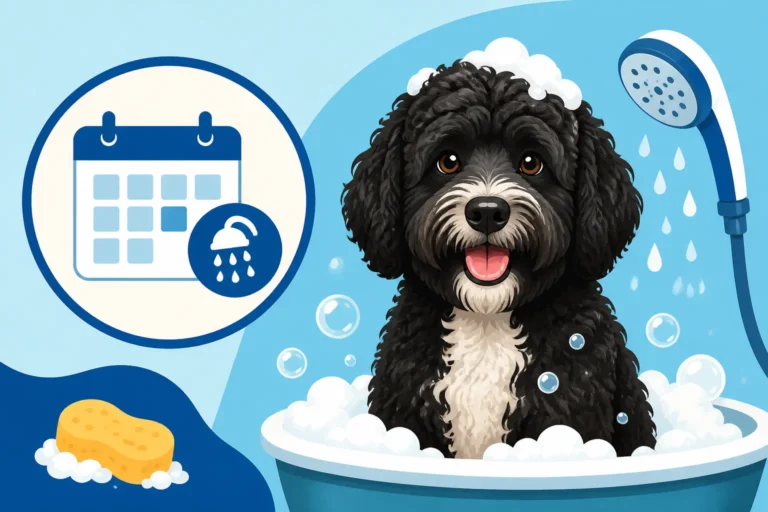
- Shampoo Thoroughly: Start with a good quality dog shampoo, ensuring you work it down to the skin and rinse completely. Any shampoo residue can cause irritation and dullness.
- Squeeze Excess Water: Gently squeeze excess water from your dog’s coat. You don’t want it dripping wet, as this can dilute the conditioner too much.
- Apply Conditioner: Dispense a generous amount of conditioner into your hands and warm it slightly between your palms. Apply it evenly throughout your PWD's coat, paying extra attention to areas prone to matting like the ears, tail, armpits, and groin. Work it through the hair strands.
- Massage and Let Sit: Gently massage the conditioner into the coat and skin. For best results, allow the conditioner to sit for the recommended time (usually 3-5 minutes, check the product label). This allows the moisturizing agents to penetrate the hair shaft and skin.
- Rinse Thoroughly: This is crucial! Rinse, rinse, and rinse again until the water runs clear and there’s no slippery residue left on the coat. Leftover conditioner can attract dirt, lead to skin irritation, and make the coat feel heavy or greasy.
- Towel Dry and Force Dry: After rinsing, towel dry your PWD vigorously to remove as much water as possible. Then, use a high-velocity force dryer if you have one. This is essential for preventing mats and ensuring the coat is completely dry, especially at the roots. How a Portuguese Water Dog Takes to Air Dry can be a long time, leading to skin issues if not properly dried. A What a Force Dryer Does for a Portuguese Water Dog is truly transformative, pushing water out and helping to separate curls for quicker drying and mat prevention.
- Brush: While drying, or immediately after, thoroughly brush and comb your PWD's coat to ensure it’s entirely free of tangles. The conditioner makes this process much smoother.
When and How Often to Condition
The frequency of conditioning depends largely on your Portuguese Water Dog’s lifestyle and coat type (curly or wavy).
- Active Swimmers: If your PWD is frequently in the water (daily or several times a week), you should definitely condition after every shampoo. You might also consider a leave-in spray applied after each swim (even if it's just a rinse with plain water) to replenish moisture.
- Occasional Swimmers/Regular Baths: For PWDs that swim less often or only get bathed every few weeks, conditioning every time you shampoo is a good rule of thumb. This routine helps maintain coat health between aquatic adventures. You might also consider a deep conditioning treatment once a month. How Often a Portuguese Water Dog Needs a Bath will dictate the frequency of your rinse-out conditioning.
- Between Baths/Mat Prevention: Even if your PWD isn't swimming, regular brushing is paramount. A conditioning spray can be used daily or every few days before brushing to help prevent mats and add a boost of moisture. This can be particularly useful when you notice Whether a Portuguese Water Dog Mats After Swimming or after a particularly vigorous play session that might have ruffled their coat.
Remember, the goal is to keep the coat hydrated and manageable, so adjust your schedule based on what your individual dog's coat needs. It's much easier to prevent issues with consistent care than to fix them once they've taken hold.
The Practicalities: Cost, Time, and Brand Considerations
Owning a Portuguese Water Dog is a commitment, and that extends to their specialized grooming needs. Understanding the practicalities of conditioning – from the financial investment to the time commitment – can help you approach it with realistic expectations.
Balancing Cost and Quality
Let's be honest: quality dog grooming products aren't always cheap. A good bottle of conditioner for your Portuguese Water Dog might seem like an extra expense, but it’s an investment that can actually save you money in the long run.
Think about it: preventing severe matting means fewer emergency trips to the professional groomer for a shave-down, which can be quite costly. It also means less likelihood of skin infections or chronic dryness that might require expensive veterinary treatments. A high-quality, concentrated conditioner often requires less product per application, making a bottle last longer than a cheaper, diluted alternative.
When you're shopping on sites like Chewy or Amazon, you'll see a wide range of prices. Don't automatically gravitate towards the cheapest option, as it may contain fillers or harsh ingredients that do more harm than good. Conversely, the most expensive product isn't always the best. Look for brands with good reviews, clear ingredient lists, and formulations specifically designed for sensitive skin or curly coats. Sometimes, buying a larger, "salon-sized" bottle can offer a better unit price if you know you like a particular product. It's about finding that sweet spot where quality meets value, ensuring your PWD gets the care they need without breaking the bank.
Time Investment for a Happy Coat
There’s no getting around it: maintaining a Portuguese Water Dog's coat takes time. Adding a conditioning step to your bathing routine will extend the overall process. A full bath, condition, and thorough drying for a PWD can easily take an hour or more, especially if you're battling any existing tangles.
However, consider the alternative. Skipping conditioner might save you 10-15 minutes during the bath, but it could lead to hours of arduous detangling later, or even worse, painful mat removal. When How Long Brushing a Portuguese Water Dog Takes becomes a struggle, you know you're fighting an uphill battle. Using conditioner makes the brushing process significantly smoother, faster, and more comfortable for your dog.
Frame this time as an essential part of caring for your PWD. It's not just a chore; it's a bonding opportunity, a chance to check their skin for bumps or irritations, and to ensure their comfort. Regular, consistent grooming with conditioner is a proactive measure that saves time and stress in the long run. Embrace the process, put on some music, and turn grooming into a positive experience for both of you.
Popular Brands and Where to Find Them
The market for dog grooming products has expanded considerably, offering many excellent options for Portuguese Water Dogs. While I can't recommend specific products or brands with real-time accuracy, you'll generally find that reputable pet supply companies offer lines suitable for sensitive skin and unique coat types.
When you're browsing online retailers like Chewy or Amazon, or even specialty pet stores, look for brands that emphasize natural ingredients, pH-balanced formulas, and conditioning properties. You'll often see mentions of ingredients like colloidal oatmeal, aloe vera, various botanical oils, and vitamin complexes. Some popular and generally well-regarded brands in the wider pet grooming sphere might offer specific lines that cater to the PWD's needs.
Remember to read reviews from other PWD owners or those with similar curly-coated breeds. Their experiences can be invaluable in guiding your choice. Don't be afraid to try a few different options to see what works best for your individual dog, as every PWD's coat can have slightly different needs. For example, some might need a heavier conditioner, while others do better with lighter, leave-in sprays. Keep an eye out for value bundles or subscription options on these larger retail sites, which can sometimes provide savings on your grooming essentials.
Disclaimer
This article is for general informational purposes only and does not constitute professional advice. Laws, prices and regulations vary by location and change over time. Consult a qualified professional for guidance on your specific situation.