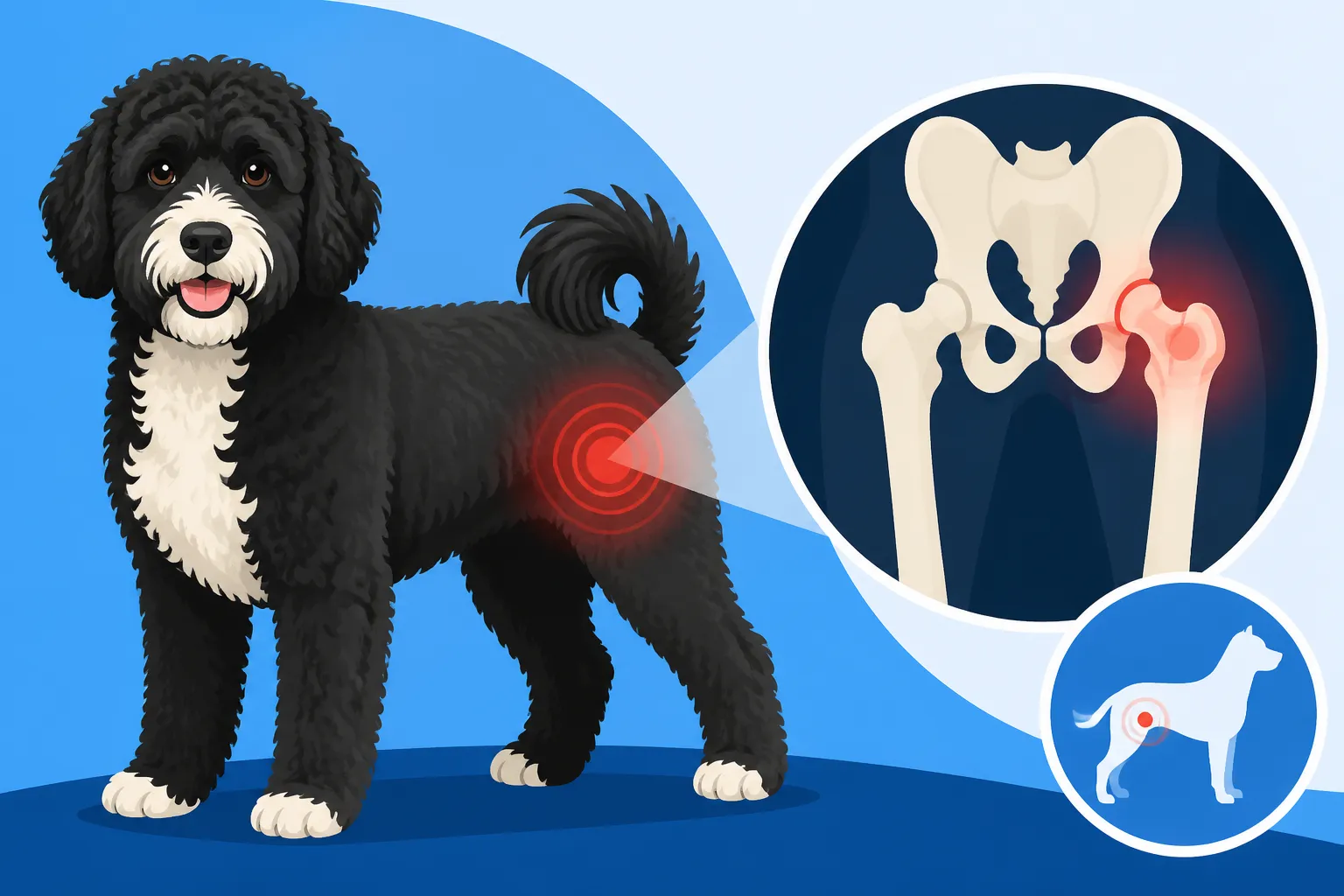
Hip Dysplasia in a Portuguese Water Dog
Finding out your beloved Portuguese Water Dog might be struggling with hip issues can be incredibly disheartening, especially when you envision them as active, vibrant companions. Hip dysplasia is a common, often inherited, skeletal condition that can severely impact a dog's mobility and quality of life, leading to discomfort and pain. This comprehensive guide will walk you through everything you need to know about hip dysplasia in Portuguese Water Dogs, from understanding its mechanics to effective management and prevention strategies, helping you navigate this challenging diagnosis with confidence and compassion.
Understanding Hip Dysplasia in Portuguese Water Dogs
Hip dysplasia is a malformation of the hip joint, where the ball (the head of the femur) and socket (the acetabulum of the pelvis) don't fit together perfectly. Instead of a smooth, congruent fit, there's a looseness or laxity that allows the joint to move improperly. This constant abnormal movement causes wear and tear, leading to degenerative joint disease, often manifesting as painful arthritis over time. For a breed as active and agile as the Portuguese Water Dog, a condition like this can be particularly devastating, as their entire purpose and joy often revolve around movement and water activities.
The Mechanics of a Dysplastic Hip
Imagine a well-oiled machine where every part glides effortlessly. In a healthy hip, the femoral head sits snugly within the acetabulum, cushioned by smooth cartilage and held firm by strong ligaments. When a dog has hip dysplasia, this ideal fit is compromised. The joint can be shallow, the femoral head might be misshapen, or the ligaments might be too loose. This laxity causes the ball to grind against the socket, eroding the cartilage and irritating the joint capsule. The body tries to compensate by laying down new bone around the joint, leading to osteophytes (bone spurs), which further exacerbate pain and reduce mobility. Over time, this chronic inflammation and structural damage result in osteoarthritis, a progressive and irreversible condition.
It’s a cruel twist when you consider how much a Portuguese Water Dog relies on its powerful hindquarters for swimming, jumping, and retrieving. A dysplastic hip can turn these natural movements into painful struggles, limiting their ability to enjoy life. The degree of laxity and the resulting changes can vary widely, from mild discomfort that only surfaces after intense activity to severe, debilitating pain even at rest.
Why PWDs are Prone to Hip Dysplasia
While hip dysplasia can affect many breeds, Portuguese Water Dogs, like many medium to large breed dogs, have a genetic predisposition. It's a polygenic trait, meaning multiple genes contribute to its inheritance, and environmental factors also play a significant role. If a pup inherits genes for hip laxity, even with perfect care, they might still develop the condition. Conversely, a dog with a genetic predisposition might be helped by careful management, reducing the severity of expression. This complex interplay is what makes breeding and prevention so challenging.
The breed's history of being athletic working dogs, constantly on the move and often swimming, means their joints are under significant stress throughout their lives. When the underlying structure isn't sound, this natural activity can accelerate the progression of the disease. This is why careful breeding and early intervention are paramount for Portuguese Water Dog owners and breeders alike. For more details on overall joint health, consider reading our guide on Hips and Joints in a Portuguese Water Dog.
Recognizing the Signs and Symptoms
One of the toughest parts of hip dysplasia is that the signs aren't always immediately obvious, especially in a breed as stoic and eager to please as the Portuguese Water Dog. They might try to push through discomfort because they want to participate in family activities or fetch their favorite toy. As their devoted owner, it's crucial to be observant and tune into even the most subtle changes in their behavior or movement patterns.
Subtle Early Indicators
In the early stages, particularly with younger dogs, the signs might be very subtle. You might notice a slight reluctance to jump into the car or onto the couch, or perhaps a moment of hesitation before going up or down stairs. A young Portuguese Water Dog, typically full of boundless energy, might seem unusually tired after a play session or show less enthusiasm for their usual romp at the dog park. You might also observe a "bunny hop" gait, where both hind legs move together when they run, rather than independently. This is their way of minimizing the strain on a painful hip.
Another common subtle sign is a change in their posture when standing or sitting. They might stand with their hind legs closer together or sit with one leg splayed out to the side in a "frog-like" position, rather than tucking both under them evenly. You might also notice a decrease in muscle mass in their hindquarters over time, even if they're still active, as they start to shift weight to their front limbs. Pay close attention after exercise, particularly swimming; a dog that seems to recover slower than usual could be experiencing early hip discomfort.
More Obvious Symptoms as the Condition Progresses
As hip dysplasia advances, especially into adulthood and senior years, the symptoms become much more pronounced and difficult to ignore. You'll likely see a more definite lameness, limping, or stiffness, especially after resting or first waking up. Your Portuguese Water Dog might struggle to stand up from a lying position, or they might cry out or whimper when trying to move. They may also lose interest in activities they once loved, such as long walks, fetching, or even swimming, as the pain becomes too great.
You might also notice a grating sound or clicking sensation when their hip joints move, although this is more easily felt by a veterinarian during an examination. In severe cases, the affected leg might appear shorter, or they might develop a noticeable sway or waddle in their gait. Their temperament can even change, becoming more irritable or withdrawn due to chronic pain. If you're noticing these changes, it's essential to consult your vet promptly. For a more detailed look at discomfort, see Signs a Portuguese Water Dog's Hips Hurt.
Diagnosis and Grading
When you bring your Portuguese Water Dog to the veterinarian with concerns about hip dysplasia, they won't just take your word for it. A thorough diagnostic process is essential to confirm the condition, assess its severity, and rule out other potential orthopedic issues. This usually involves a physical examination and, most crucially, X-rays.
The Role of X-Rays and Sedation
A physical exam by your vet will involve palpating the hip joints, checking for pain, laxity, and reduced range of motion. They might perform specific maneuvers, like the Ortolani sign, which helps detect hip laxity in younger dogs. However, the definitive diagnosis of hip dysplasia relies on radiographs (X-rays). To get clear, accurate X-ray images, your Portuguese Water Dog will almost certainly need sedation or general anesthesia. This isn't just to keep them still; it allows the veterinary team to properly position their hips in specific ways that might be uncomfortable or impossible without muscle relaxation, enabling the best possible view of the joint structures.
During the X-ray process, several views are typically taken. The standard is a ventrodorsal view, where the dog lies on its back with hind legs extended and rotated inward. Additional views might include "frog-leg" positions or specialized stress views to highlight joint laxity. The quality of these radiographs is critical for accurate assessment, as poor positioning can lead to misdiagnosis or an underestimation of the severity. This is why it's so important that these X-rays are performed by experienced personnel. If you're wondering When a Portuguese Water Dog Should Be X Rayed, it's generally recommended around two years of age for official certification, though earlier screening can be done if symptoms arise.
Understanding OFA and PennHIP Evaluations
There are two primary methods for evaluating hip joint conformation and diagnosing dysplasia in dogs: the Orthopedic Foundation for Animals (OFA) and PennHIP. Both aim to identify dogs with good hip conformation suitable for breeding, but they approach the assessment differently.
The OFA method involves taking a single standard X-ray view of the hips, usually when the dog is at least 24 months old. These radiographs are then sent to a panel of three independent, board-certified veterinary radiologists who evaluate them for signs of hip dysplasia. The hips are graded on a seven-point scale from "Excellent" to "Severe Dysplasia." OFA certification is a pass/fail system for breeding purposes; only dogs graded Fair, Good, or Excellent are considered free of hip dysplasia. OFA provides a lifetime certification based on these images.
PennHIP (University of Pennsylvania Hip Improvement Program) is a more quantitatively based system that can be performed on dogs as young as 16 weeks, though typically done around 4 months of age for early assessment or at 6-12 months for breeding decisions. It requires three specific X-ray views: a standard extended view (similar to OFA), a distraction view, and a compression view. The distraction view is key, as it uses a specialized device to apply gentle pressure, measuring the maximum laxity (distraction index) a hip joint exhibits. This numerical measurement is considered a more objective indicator of a dog's predisposition to developing hip dysplasia. PennHIP provides a distraction index (DI) score, which tells you where your dog's hips rank within their breed. A lower DI indicates tighter hips and a lower risk for dysplasia.
Both OFA and PennHIP have their advocates, and many responsible Portuguese Water Dog breeders will utilize one or both to make informed breeding decisions. It's not uncommon for breeders to run both a preliminary PennHIP and a later OFA certification. Understanding these methods is vital for any prospective puppy owner checking a breeder's health clearances.
Here's a quick comparison of the two main hip evaluation methods:
| Feature | OFA (Orthopedic Foundation for Animals) | PennHIP (University of Pennsylvania Hip Improvement Program) |
|---|---|---|
| Minimum Age | 24 months for official certification (prelims possible earlier) | 16 weeks |
| Number of Views | 1 (standard extended view) | 3 (extended, distraction, compression) |
| Assessment | Subjective, visual evaluation by radiologists | Objective, quantitative measurement of hip laxity (Distraction Index) |
| Grading | Excellent, Good, Fair, Borderline, Mild, Moderate, Severe | Numerical Distraction Index (0.0 to 1.0) and breed percentile ranking |
| Primary Goal | Phenotypic assessment (current hip status) | Genetic predisposition to hip dysplasia (laxity measurement) |
| Certification | Lifetime certification (Fair, Good, Excellent) | DI score and comparison to breed average |
Treatment Options and Management
Once hip dysplasia has been diagnosed in your Portuguese Water Dog, the good news is that there are numerous treatment and management options available. The best course of action will depend on several factors, including the severity of the condition, your dog's age, overall health, and your family's lifestyle and financial considerations. Your veterinarian will work with you to develop a tailored plan aimed at maximizing comfort and mobility.
Conservative Management Strategies
For many dogs, especially those with mild to moderate hip dysplasia or those who aren't candidates for surgery, conservative management can provide significant relief and maintain a good quality of life. This approach focuses on pain control, inflammation reduction, and supporting joint health without invasive procedures.
- Weight Management: This is perhaps the single most critical factor. Every extra pound puts immense stress on already compromised joints. Keeping your Portuguese Water Dog at a lean, healthy weight can dramatically reduce pain and slow the progression of arthritis. Your vet can help you determine the ideal weight and a suitable diet plan.
- Pain Relief and Anti-inflammatory Medications: Non-steroidal anti-inflammatory drugs (NSAIDs) are commonly prescribed to reduce pain and inflammation. Medications like carprofen, meloxicam, or galliprant can be very effective. Your vet might also suggest other pain medications, such as gabapentin or tramadol, especially for managing chronic pain. Always administer these under veterinary guidance.
- Joint Supplements: Glucosamine, chondroitin, MSM, and Omega-3 fatty acids (like fish oil) are popular supplements that can help support cartilage health, reduce inflammation, and improve joint lubrication. Brands like Nutramax's Dasuquin or Cosequin are often recommended. While not a cure, they can be a valuable part of a comprehensive management plan.
- Controlled Exercise: While activity is essential for muscle strength, high-impact activities should be avoided. Instead, focus on low-impact exercises like regular, moderate leash walks and, crucially for a Portuguese Water Dog, swimming. Swimming is an excellent way to build and maintain muscle mass without putting concussive stress on the joints. Learn more about Why Swimming Protects a Portuguese Water Dog's Joints.
- Physical Rehabilitation: This can be a game-changer. A certified canine rehabilitation therapist can develop a program that includes therapeutic exercises, hydrotherapy (underwater treadmill), massage, laser therapy, and acupuncture. These therapies can strengthen supporting muscles, improve range of motion, reduce pain, and enhance overall function.
- Environmental Modifications: Simple changes around the house can make a big difference. Provide orthopedic beds, use ramps or steps for accessing furniture or cars, and place non-slip rugs on slick floors to prevent slips and falls that can exacerbate pain.
For ongoing care and peace of mind, many owners find that pet insurance, such as through Healthy Paws, can be incredibly beneficial. It can help offset the considerable costs of long-term conservative management, including medications, supplements, and rehabilitation therapies, making these vital treatments more accessible.
Surgical Interventions and Their Considerations
When conservative management isn't enough, or for specific cases, surgical options might be considered. The choice of surgery depends on the dog's age, size, the severity of dysplasia, and the presence of arthritis.
- Triple Pelvic Osteotomy (TPO) or Double Pelvic Osteotomy (DPO): These procedures are typically performed on younger dogs (usually under 10-12 months old) who have hip laxity but minimal to no arthritic changes. The surgeon cuts the pelvis in three (TPO) or two (DPO) places, rotates the acetabulum (socket) to provide better coverage of the femoral head, and then secures it in its new position with plates and screws. The goal is to create a more stable, functional joint before significant arthritis develops.
- Femoral Head Ostectomy (FHO): This surgery is more commonly performed on smaller dogs (under 50-60 pounds, though can be done on larger dogs if other options aren't feasible) or when cost is a major concern. The surgeon removes the femoral head and neck, allowing a "false joint" to form where scar tissue eventually fills the space. The leg is then supported by surrounding muscles. While the dog may not regain perfect function, it can significantly reduce pain and allow for a decent quality of life.
- Total Hip Replacement (THR): This is considered the gold standard for treating severe, debilitating hip dysplasia, particularly in larger breeds like the Portuguese Water Dog, when significant arthritis is present. In a THR, the diseased ball and socket are replaced with prosthetic implants made of metal and plastic. This procedure offers the best chance for complete pain relief and return to near-normal function. However, it is a complex, expensive surgery requiring a specialist veterinary surgeon, and intensive post-operative care and rehabilitation. For information on the financial aspects, you might want to read What Hip Surgery Costs on a Portuguese Water Dog.
Each surgical option comes with its own set of risks, recovery times, and potential outcomes. A thorough discussion with your veterinary surgeon is essential to determine the best path for your individual Portuguese Water Dog. Post-surgery, rehabilitation is often critical for optimal recovery, and this is another area where a robust pet insurance plan like those offered by Healthy Paws can alleviate the financial burden.
Prevention and Responsible Breeding
Preventing hip dysplasia is a multi-faceted approach that involves both responsible breeding practices and careful management throughout a Portuguese Water Dog's life. While you can't guarantee a dog will never develop the condition, you can significantly reduce the risks.
The Importance of Breeder Screening
The cornerstone of prevention lies with ethical and responsible breeders. Since hip dysplasia has a genetic component, breeders have a moral and ethical obligation to screen their breeding stock thoroughly. Any reputable Portuguese Water Dog breeder will have official certifications for their breeding dogs' hips, typically through OFA or PennHIP. They should be transparent about these results and be able to show you the documentation for both parents of a litter. Ideally, they will only breed dogs with excellent or good hip scores (OFA) or low distraction index scores (PennHIP) within their breed percentile.
Beyond just the parents, good breeders also consider the hip health of the dogs in the lineage – grandparents, siblings, and previous offspring. This gives a clearer picture of the genetic predisposition within a particular line. Choosing a puppy from a breeder who meticulously screens for hip dysplasia, as well as other common health issues like Juvenile Dilated Cardiomyopathy Kills a Portuguese Water Dog Puppy Fast or GM1 Gangliosidosis and the Portuguese Water Dog Puppy That Never Reaches Six Months, significantly increases your chances of bringing home a healthy dog. Don't be shy about asking questions and asking for proof of health clearances; a good breeder will welcome your questions. For a comprehensive list, check out Which Health Tests a Portuguese Water Dog Breeder Should Run.
Lifestyle Factors for Joint Health in PWDs
Even if your Portuguese Water Dog comes from excellent lines with clear hip certifications, lifestyle plays a crucial role in minimizing the risk and severity of hip dysplasia.
- Controlled Growth in Puppies: Rapid growth spurts can exacerbate hip laxity. Feed your Portuguese Water Dog puppy a high-quality, large-breed puppy food formulated to promote slow, steady growth. Avoid overfeeding, which leads to excessive weight gain. Resist the urge to supplement with extra calcium or vitamins unless specifically instructed by your vet, as this can disrupt the delicate balance needed for proper bone development.
- Appropriate Exercise for Puppies: While exercise is vital, it must be appropriate for a growing puppy. Avoid high-impact activities like repetitive jumping, long-distance running, or strenuous agility training until their growth plates have closed. This typically happens between 12-18 months of age, depending on the individual dog. Swimming is an excellent, low-impact exercise for puppies and adult PWDs, building muscle without stressing immature joints. Find out more about Whether a Portuguese Water Dog Puppy Should Swim for Exercise and When a Portuguese Water Dog's Growth Plates Close.
- Maintain a Healthy Weight: As mentioned in treatment, maintaining a lean body condition throughout your dog's life is paramount. Even a few extra pounds can add significant strain to the hips. Monitor their food intake and adjust as needed, especially as they age or their activity level changes.
- Delayed Spay/Neuter: Emerging research suggests that spaying or neutering too early, before a dog has fully matured and its growth plates have closed, may increase the risk of orthopedic issues, including hip dysplasia. Discuss the optimal timing for spay/neuter with your veterinarian, considering your individual dog's health and your lifestyle. This topic is also covered in Whether a Portuguese Water Dog Should Be Neutered Late.
- Environmental Considerations: Provide good traction surfaces for your dog. Slick floors can cause them to slip and slide, potentially injuring their hips. Use rugs or runners, especially in high-traffic areas. Also, be mindful of repetitive activities that involve twisting or turning motions.
Living with a PWD with Hip Dysplasia
Receiving a hip dysplasia diagnosis for your Portuguese Water Dog can feel overwhelming, but it's important to remember that it's not a death sentence. With proper management and a supportive environment, many dogs with hip dysplasia can live full, happy, and comfortable lives. The key is to be proactive and committed to their care.
Home Modifications and Support
Making small adjustments around your home can dramatically improve your dog's comfort and mobility.
- Comfortable Bedding: Invest in high-quality orthopedic dog beds that provide ample support for their joints. These beds distribute weight evenly and relieve pressure points, offering a much more comfortable resting place, especially after activity.
- Traction on Floors: If you have hardwood, tile, or laminate floors, these can be a nightmare for a dog with hip dysplasia. Their unstable hips make them prone to slipping and potentially injuring themselves further. Lay down non-slip rugs, carpet runners, or even yoga mats in areas where your dog frequently walks or rests.
- Ramps or Steps: Jumping on and off furniture, into the car, or up and down stairs can be painful and dangerous for compromised hips. Provide ramps or pet steps to help your Portuguese Water Dog access elevated surfaces safely. This not only reduces strain but also prevents further injury.
- Accessibility to Water: If your PWD still enjoys swimming (and many do, as it's great therapy!), ensure easy, gentle access to water. A ramp into a pool or a gently sloping entry at a lake can make a big difference. Avoid steep banks or slippery docks that require strenuous effort to enter or exit.
- Massage and Gentle Stretching: Learning some basic canine massage techniques can help soothe sore muscles around the hips. Gentle, passive range-of-motion exercises, as taught by a vet or rehab specialist, can also help maintain flexibility. Always be guided by a professional to avoid causing harm.
Creating a safe, comfortable, and accessible home environment is a tangible way to show your Portuguese Water Dog that you're there for them, easing their physical burden and fostering a sense of security.
Maintaining Quality of Life and Comfort
Beyond physical accommodations, maintaining your Portuguese Water Dog's mental and emotional well-being is paramount when dealing with chronic pain.
- Consistent Pain Management: Work closely with your veterinarian to establish an effective pain management plan. This might involve a combination of NSAIDs, other pain relievers, and supplements. Be diligent about administering medications as prescribed and reporting any changes in their pain levels or side effects. Don't hesitate to adjust the protocol if it's not working. This proactive approach can make a world of difference in their daily comfort.
- Appropriate Exercise Regimen: While intense exercise might be off the table, maintaining a consistent, moderate exercise routine is vital for muscle strength and overall health. Regular, short walks on soft surfaces are usually better than one long, strenuous outing. Swimming continues to be an excellent option for building and maintaining muscle without joint impact. Your vet or a canine rehabilitation specialist can help you design an appropriate exercise plan that challenges your PWD without overdoing it.
- Mental Stimulation: A dog in pain might not be able to chase a ball for hours, but their intelligent mind still needs stimulation. Incorporate puzzle toys, scent work games, gentle training sessions, or even short car rides to new, interesting places. Keeping their minds active can prevent boredom and frustration, which can exacerbate stress in a dog dealing with chronic discomfort.
- Regular Veterinary Check-ups: Dogs with hip dysplasia benefit from regular check-ups, often every 6-12 months, to monitor the progression of arthritis, adjust pain medication as needed, and explore new treatment options. These appointments are also a good opportunity to discuss any changes you've observed in their mobility or behavior.
- Consider Pet Insurance: The ongoing costs of managing hip dysplasia, from medications to rehabilitation and potential surgeries, can be substantial. Investing in pet insurance, like through Healthy Paws, earlier in your dog's life can help cover these expenses, allowing you to focus on getting your Portuguese Water Dog the best possible care without added financial stress. Many policies will cover chronic conditions if they aren't pre-existing when the policy starts.
Living with a Portuguese Water Dog with hip dysplasia requires patience, dedication, and an unwavering commitment to their well-being. By understanding the condition, implementing appropriate management strategies, and providing a loving, supportive environment, you can ensure your cherished companion continues to enjoy a high quality of life for many years to come, even if their movements are a little slower than they once were.
Disclaimer
Please remember that the information provided in this guide is for informational purposes only and does not constitute veterinary medical advice. Always consult with a qualified veterinarian for any health concerns or before making any decisions about your Portuguese Water Dog's care and treatment.