Whether a GM1 Portuguese Water Dog Has Seizures
Discovering that your beloved Portuguese Water Dog puppy is exhibiting strange symptoms can be an incredibly frightening and confusing experience, especially when you start to suspect a serious neurological issue. For families hearing about genetic conditions like GM1 Gangliosidosis, a common and terrifying question is whether seizures will be part of their pup's struggle. This comprehensive guide aims to shed light on GM1, clarify its typical symptoms, and specifically address the concern about seizures in affected Portuguese Water Dogs.
Understanding GM1 Gangliosidosis in Portuguese Water Dogs
GM1 Gangliosidosis is a truly devastating genetic disorder that can strike Portuguese Water Dog puppies, robbing them and their families of a future together. It’s a condition no owner ever wants to face, and understanding its roots is the first step in appreciating its profound impact.
What Exactly is GM1 and How Does It Affect the Brain?
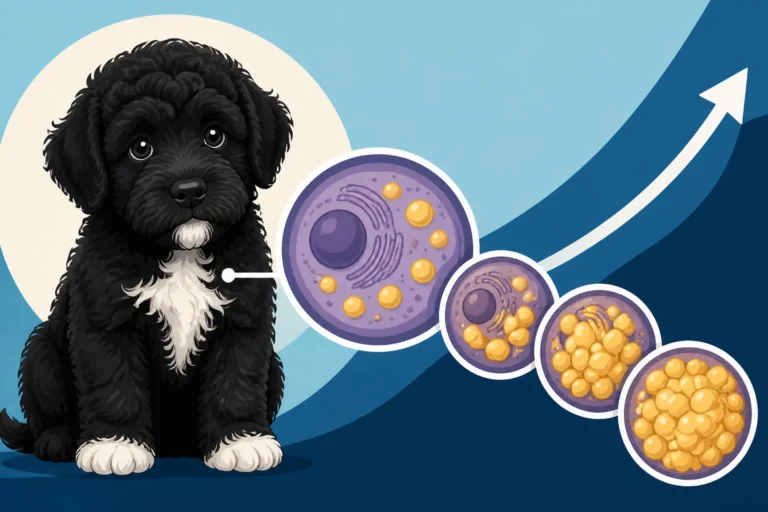
At its heart, GM1 Gangliosidosis is a lysosomal storage disease, meaning it's a condition where the body can't properly break down certain waste products at a cellular level. Specifically, it's caused by a deficiency in an enzyme called beta-galactosidase. This enzyme is crucial for metabolizing a complex sugar-fat molecule known as GM1 ganglioside. When this enzyme is missing or doesn't work correctly, GM1 gangliosides accumulate relentlessly within the cells, particularly in the brain and nervous system.
Think of it like a tiny, essential waste disposal unit within each cell suddenly breaking down. All the trash — in this case, GM1 gangliosides — starts to pile up. This buildup becomes toxic, gradually impairing the function of neurons (brain cells) and other cells throughout the body. As the accumulation continues, these cells begin to malfunction and ultimately die, leading to progressive and severe neurological damage. Because the nervous system is so intricate and vital for every bodily function, this cellular dysfunction manifests as a wide array of devastating symptoms. The disease is inherited in an autosomal recessive pattern, meaning a puppy must inherit a copy of the defective gene from both parents to be affected. If a puppy only inherits one copy, it becomes a carrier but does not develop the disease itself, a distinction critical for responsible breeding practices.
The Range of Neurological Symptoms Beyond Seizures
The progressive neurological damage from GM1 ganglioside accumulation typically begins to show its cruel hand when puppies are quite young, usually between four and eight months of age. Owners often first notice subtle, then increasingly obvious, issues with coordination and movement. A puppy that was once playful and agile might start to appear clumsy, stumbling frequently or having trouble navigating familiar spaces. This loss of coordination, medically termed ataxia, can manifest as an unsteady gait, a wide-legged stance, or an inability to accurately judge distances.
Tremors, particularly of the head and limbs, are another hallmark symptom. These tremors can worsen with excitement or attempted movement, making simple tasks like eating or drinking challenging. You might observe a fine trembling even when the puppy is at rest, or a more pronounced shaking when it tries to focus on something. Over time, affected puppies experience a noticeable decline in balance, making falls more frequent and severe. Beyond motor skills, vision can also be significantly impaired as the gangliosides affect the optic nerve and visual processing centers in the brain. This can lead to blindness and further compound their navigational difficulties. Behavioral changes are also common; affected puppies may seem duller, less responsive, or even experience personality shifts due to the widespread brain damage. They often fail to grow at the expected rate and can appear generally unhealthy or unthrifty, despite adequate nutrition. It's a truly heartbreaking cascade of symptoms that relentlessly progresses, and sadly, for a Portuguese Water Dog puppy with GM1, it’s always fatal. You can read more about What GM1 Gangliosidosis Does to a Portuguese Water Dog for a deeper understanding of its effects.
Addressing the Seizure Question Directly: Is It a Common Symptom of GM1?
When faced with a serious neurological condition, seizures are often one of the first and most terrifying possibilities that come to mind for any pet owner. It’s natural to wonder if they are part of the GM1 picture for a Portuguese Water Dog.
The Neurological Manifestations of GM1: Are Seizures Typical?
Let's get straight to the point: while GM1 Gangliosidosis causes profound and widespread neurological dysfunction, classic, generalized seizures (often called grand mal seizures) are not typically listed as a primary or common symptom in the definitive veterinary literature or in descriptions from breed clubs regarding Portuguese Water Dogs affected by GM1. The most characteristic signs you would observe are the progressive loss of coordination (ataxia), tremors, difficulty with balance, and vision impairment. These symptoms directly stem from the accumulation of GM1 gangliosides in the motor and sensory pathways of the brain and nervous system, disrupting their normal function.
Think about it this way: the ganglioside buildup causes a slow, insidious degradation of cellular function, leading to a breakdown in communication and control within the nervous system. This manifests more as a gradual loss of learned skills and coordinated movement rather than the sudden, uncontrolled electrical storm that defines an epileptic seizure. While it’s theoretically possible that any severe, widespread brain damage could, in its very advanced stages, compromise brain function enough to precipitate a seizure, it would likely be a secondary effect and not the hallmark symptom you’d initially notice or specifically test for. Other neurological deficits would almost certainly be profoundly evident long before a seizure might occur, if it did at all. The primary neurological issues associated with GM1 are more about a steady decline in function than acute, episodic events like seizures.
Distinguishing GM1 Symptoms from Other Neurological Issues
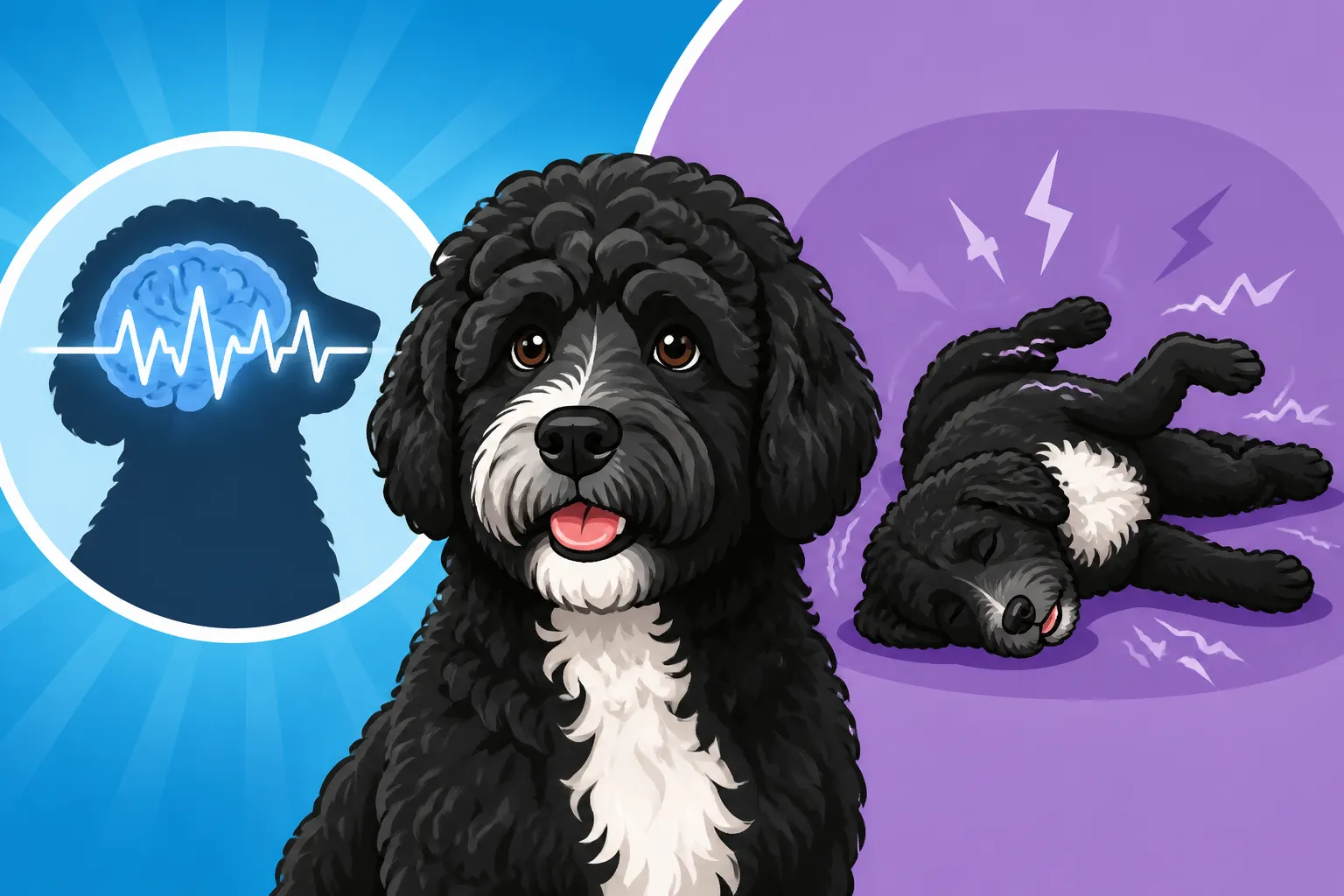
It’s completely understandable how the uncoordinated movements, severe tremors, and profound loss of balance seen in a GM1-affected Portuguese Water Dog puppy might, at first glance, be mistaken for or appear similar to seizure activity, especially by an owner without veterinary training. The puppy might collapse, shake uncontrollably, or appear disoriented, leading to understandable alarm. However, these are typically manifestations of ataxia and severe motor dysfunction rather than true epileptic seizures. A veterinarian would be able to distinguish between these phenomena based on a thorough physical and neurological examination, observing the specific characteristics and progression of the symptoms.
It's also crucial to remember that Portuguese Water Dogs, like any breed, can be susceptible to other neurological conditions where seizures are a primary symptom. For instance, epilepsy, which is recurrent, unprovoked seizures, can affect PWDs and manifest differently from GM1. Additionally, young puppies can experience seizures due to severe hypoglycemia (low blood sugar), certain toxins, or even congenital brain abnormalities that are distinct from GM1. Older dogs might develop seizures due to brain tumors or other metabolic diseases. Therefore, if your Portuguese Water Dog is exhibiting seizure-like activity, it’s imperative to seek immediate veterinary attention to get an accurate diagnosis. Understanding the Signs a Portuguese Water Dog Puppy Has GM1 is vital for early detection, and knowing the specific characteristics of GM1 helps differentiate it from conditions where seizures are the dominant feature. The question of Whether a GM1 Portuguese Water Dog Has Seizures is important, but a veterinarian's expertise is crucial for correct interpretation of symptoms.
The Grim Prognosis and Importance of Genetic Testing
Facing a diagnosis of GM1 Gangliosidosis in a Portuguese Water Dog puppy is one of the most heartbreaking experiences an owner can endure. There is no sugarcoating the devastating reality of this disease.
The Progression and Inevitable Outcome of GM1 in PWDs
The progression of GM1 Gangliosidosis in Portuguese Water Dog puppies is sadly relentless and rapid. Symptoms typically become noticeable between four and eight months of age, starting subtly with mild clumsiness or a slight tremor. However, these signs quickly worsen, impacting the puppy’s ability to walk, stand, and even eat effectively. The once vibrant, energetic puppy transforms into one struggling with basic motor functions, often losing their sight and exhibiting significant cognitive decline. The disease affects every aspect of their neurological function, leading to a severe decline in quality of life.
The accumulation of GM1 gangliosides continues unchecked, causing irreversible damage to the brain and other organs. Despite dedicated care, there is currently no effective treatment or cure for GM1 Gangliosidosis. The prognosis is grim; affected puppies rarely survive past their first year of life. Most families are faced with the incredibly difficult and heartbreaking decision of humane euthanasia before the puppy reaches six to twelve months of age, as their suffering becomes too profound. It is a devastating journey, emotionally and physically, for both the puppy and its human companions. This severe course is why GM1 Gangliosidosis and the Portuguese Water Dog Puppy That Never Reaches Six Months is a tragic reality for affected pups.
How Genetic Testing Prevents GM1 in Future Generations
While the reality of GM1 is undeniably bleak, there is a powerful tool that has dramatically reduced its incidence: genetic testing. For Portuguese Water Dogs, a specific DNA test is readily available to identify whether a dog is clear, a carrier, or affected by the GM1 gene mutation. This test is a cornerstone of responsible breeding practices within the breed.
Reputable breeders utilize this test on all their breeding stock before any litter is planned. By knowing the genetic status of both potential parents, they can make informed decisions to prevent the birth of affected puppies. The key principle is simple: two carriers should never be bred together. If a breeder has a carrier dog (meaning it carries one copy of the defective gene but is healthy itself), they should only breed that dog with a mate who has tested "clear" (meaning two healthy copies of the gene). This pairing will produce only clear or carrier puppies, but never an affected one. The carrier puppies from such a pairing can then be tested themselves as adults, allowing future generations to continue managing the gene pool responsibly. This proactive approach has made a profound difference in the health of the breed, demonstrating how vital The Four DNA Tests Every Portuguese Water Dog Breeder Runs truly are, and how much How the GM1 Test Changed Portuguese Water Dog Breeding has positively impacted the breed.
Here's a simple breakdown of breeding outcomes based on GM1 genetic status:
| Sire's GM1 Status | Dam's GM1 Status | Offspring Probabilities | Risk of Affected Puppies |
|---|---|---|---|
| Clear | Clear | 100% Clear | 0% |
| Clear | Carrier | 50% Clear, 50% Carrier | 0% |
| Carrier | Carrier | 25% Clear, 50% Carrier, 25% Affected | 25% (HIGH RISK) |
| Clear | Affected | 100% Carrier | 0% |
| Carrier | Affected | 50% Carrier, 50% Affected | 50% (HIGH RISK) |
| Affected | Affected | 100% Affected | 100% (CERTAIN) |
As you can see, the only way to produce an affected puppy is if at least one parent is a carrier or affected, and a parent who is a carrier is bred to another carrier. Responsible breeders never intentionally breed two carriers together. Understanding Whether a GM1 Carrier Portuguese Water Dog Is Affected is key for breeders, as carriers are healthy but important for genetic planning.
Supporting a Puppy and Family Through a GM1 Diagnosis
Even with the best intentions and responsible breeding, sometimes a diagnosis of GM1 can still occur, perhaps in a rescue situation or through an unforeseen circumstance. For families facing this devastating news, the focus shifts entirely to providing comfort, support, and ensuring the puppy’s remaining time is as peaceful and dignified as possible. Since there's no cure, treatment is entirely supportive. This might involve careful feeding to manage dysphagia (difficulty swallowing), providing soft bedding to prevent pressure sores as mobility decreases, and ensuring a calm, familiar environment. Pain management isn’t usually a primary concern in the same way it would be for, say, an injury, but managing neurological distress and discomfort is paramount. The goal is to maximize the puppy's quality of life for as long as possible before the inevitable decline necessitates a compassionate farewell.
This is an incredibly emotionally taxing time for families. Seeking support from veterinary professionals, breed club resources, or even pet loss counseling services can be invaluable. It’s important to remember that you are not alone in this difficult journey. Regarding financial planning, it's worth noting that while pet insurance like Healthy Paws can be a lifesaver for many unexpected accidents and illnesses, genetic conditions like GM1 are typically considered "pre-existing" if the puppy has already been diagnosed or exhibited symptoms before a policy is active. Most policies, therefore, wouldn't cover the costs associated with GM1 if the condition manifests early in life, as it often does. This underscores why purchasing from a breeder who performs comprehensive genetic testing is the most financially prudent and ethically responsible choice, preventing these tragic situations in the first place. You can learn more about why Whether GM1 Can Be Treated in a Portuguese Water Dog sadly points to no effective treatments.
Living with a Portuguese Water Dog: Prioritizing Health and Responsible Choices
While the discussion of GM1 is heavy, it’s crucial to place it within the broader context of owning and caring for a Portuguese Water Dog. These dogs are generally robust and joyful companions, but like all breeds, they come with their own set of health considerations.
The Broader Picture of Portuguese Water Dog Health
Beyond specific genetic conditions like GM1, which responsible breeding largely mitigates, Portuguese Water Dogs are generally considered a healthy breed. However, they are still prone to a handful of other conditions that prospective and current owners should be aware of. Addison's disease, an endocrine disorder, is notably common in the breed and can be very serious if not diagnosed and managed. It’s often called "the great pretender" because its symptoms can mimic many other illnesses. Addisons Disease Is Common in Portuguese Water Dogs, and understanding its signs and treatment is crucial.
Orthopedic issues, such as hip and elbow dysplasia, are also concerns, though reputable breeders screen for these too. These conditions affect the joints and can lead to arthritis and mobility problems later in life. Eye conditions, including various forms of progressive retinal atrophy (PRA), can cause blindness. There are also Two Kinds of Retinal Atrophy in a Portuguese Water Dog that affect the breed, highlighting the importance of eye screenings. While these conditions are serious, many are manageable with early diagnosis and veterinary care, allowing affected dogs to live full, happy lives. This is a stark contrast to the grim prognosis of GM1. Understanding the potential for Hips and Joints in a Portuguese Water Dog is also key for proactive care.
The Role of Early Vet Visits and Proactive Care
A strong partnership with your veterinarian is perhaps the most critical component of ensuring a long and healthy life for your Portuguese Water Dog. Regular wellness exams, starting from puppyhood, are essential. These visits allow your vet to monitor growth and development, administer necessary vaccinations, and establish a baseline for your dog's health. For puppies, a thorough vet check at eight weeks is typically part of a reputable breeder's protocol, ensuring they are thriving.
Beyond puppyhood, annual wellness checks are vital. These appointments are not just for shots; they are an opportunity to discuss any changes in your dog's behavior, appetite, or energy levels. Early detection of conditions like Addison's disease, hypothyroidism, or even certain cancers can make a significant difference in treatment success and prognosis. While GM1 prevention relies on pre-breeding genetic testing, proactive veterinary care for other conditions is how you support your PWD throughout its life. Having a comprehensive pet insurance plan, even if it doesn't cover genetic conditions that appear before policy inception, can be incredibly valuable for covering unexpected accidents (like a torn cruciate ligament during a joyful romp) or other illnesses (like recurring ear infections, which are common for water-loving dogs). Even if a company like Healthy Paws doesn't cover your pup's initial genetic diagnosis, it provides invaluable peace of mind for the many other bumps in the road a PWD might encounter during their The Twelve to Fifteen Years a Portuguese Water Dog Gets. Choosing a reputable breeder who prioritizes health testing for their breeding stock is the very first and most impactful step an owner can take, ensuring that dogs are free from devastating genetic diseases like GM1. Always ask to see the results of What a Portuguese Water Dog Breeder Should Have Tested.
Disclaimer
The information provided in this article is for general informational purposes only and is not a substitute for professional veterinary advice. Always consult with a qualified veterinarian for any health concerns or before making any decisions related to your pet's care.