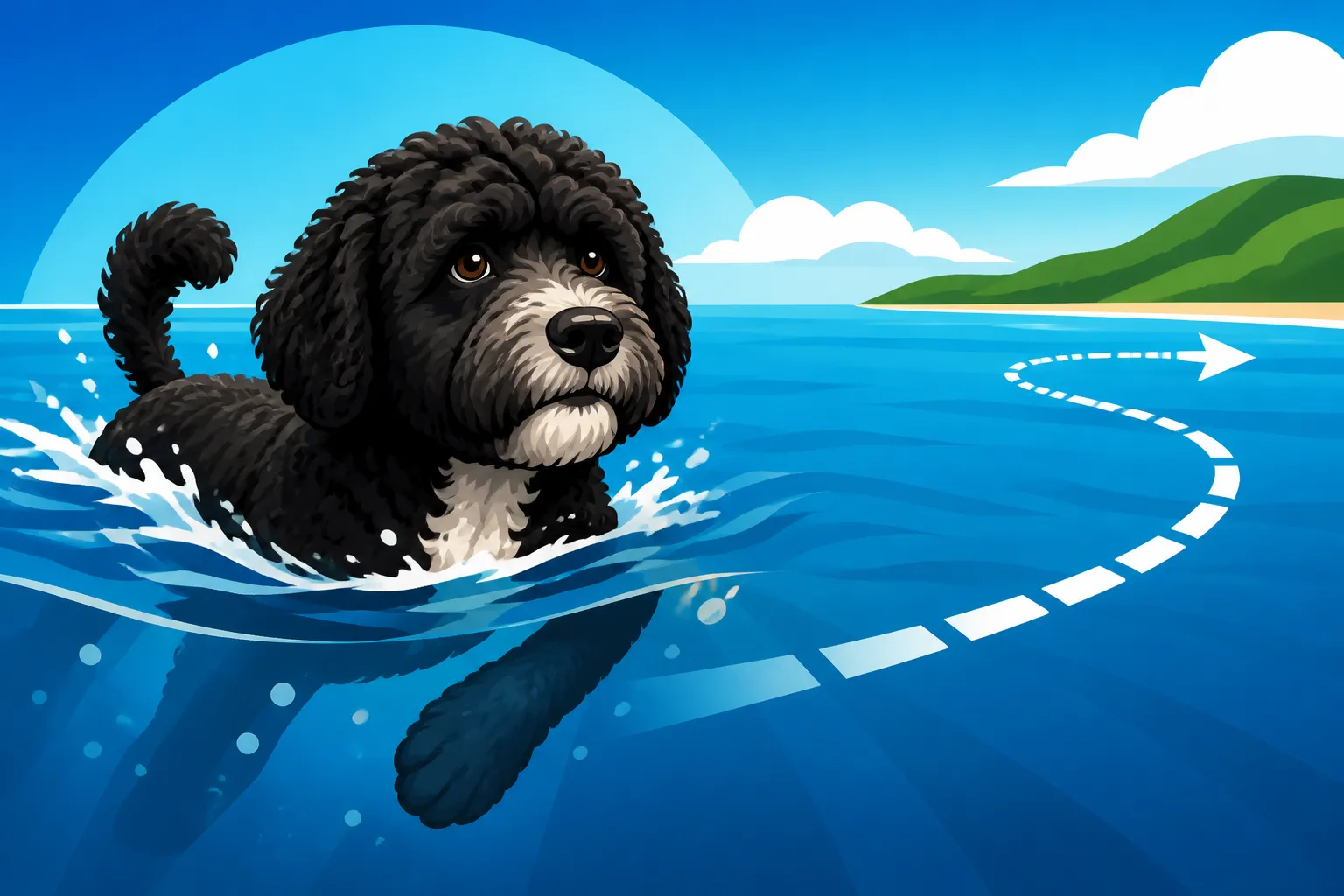
How Far a Portuguese Water Dog Can Swim
One of the most common questions new Portuguese Water Dog owners, or those just admiring the breed, ask is about their swimming abilities, and specifically, how far they can actually go. It’s a completely valid curiosity, given their name and heritage! It's natural to wonder if their reputation for being incredible aquatic companions means they can just keep swimming indefinitely. This guide is here to dive deep into the fascinating capabilities of the Portuguese Water Dog in the water, exploring what truly influences their endurance, how to safely build their swimming stamina, and what considerations you need to keep in mind to ensure their safety and enjoyment in their favorite element.
The Portuguese Water Dog's Aquatic Heritage and Natural Instinct
It's no secret that the Portuguese Water Dog was bred for the water. Their entire history is intertwined with the fishing fleets along the coast of Portugal, where they performed vital tasks that required immense physical strength, intelligence, and an undeniable love for the aquatic environment. Understanding this historical context helps us grasp why they are such proficient swimmers and possess a natural inclination for long-distance water work.
The Breed's Original Calling
Imagine a bustling fishing village along the Algarve coast centuries ago. The fishermen weren't just casting nets; they relied heavily on their dogs to retrieve lost tackle, herd fish into nets, and even carry messages between boats. These weren't leisurely dips in the ocean; this was hard, physical labor in often choppy, cold waters. The dogs needed to be agile, strong, and have incredible stamina to keep up with the demands of the working day. This isn't just a quaint historical anecdote; it’s etched into their very being. When your Portuguese Water Dog plunges into a lake or the ocean with unbridled joy, they are tapping into centuries of genetic programming. They don't just tolerate water; they often crave it. This deep-seated instinct makes them unique compared to many other breeds, providing a fantastic foundation for developing strong swimming skills. You can delve more into their origins in The Portuguese Water Dog Worked the Algarve Fishing Fleet.
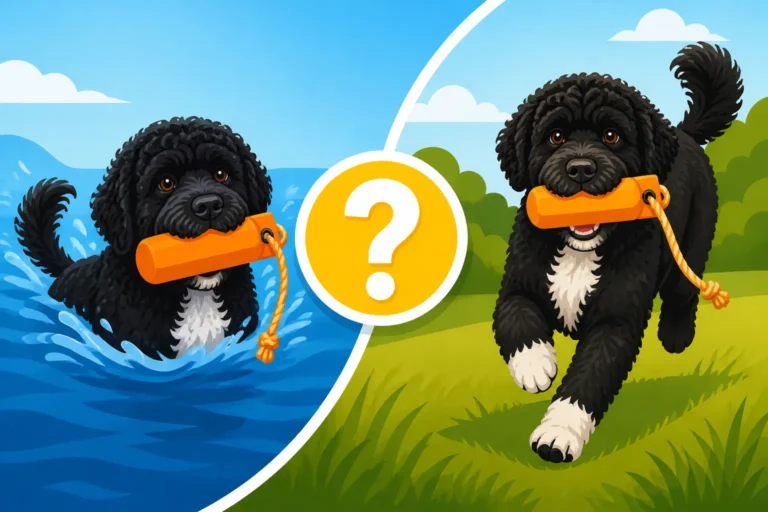
These historical tasks weren't one-off sprints. They involved prolonged periods of activity in the water, sometimes retrieving multiple items or guiding schools of fish over considerable distances. This means that endurance, not just speed, was a key trait. A PWD wasn't just a good swimmer; it was a tireless one. This inherent drive to work in and around water is a significant factor in their ability to swim far. It's less about a maximum measured distance and more about their willingness and genetic capacity to sustain effort in the water for extended periods when properly conditioned.
Webbed Feet and Powerful Build: Designed for the Water
Take a close look at a Portuguese Water Dog's paws, and you'll immediately notice something unique: prominent webbing between their toes. This isn't just a quirky trait; it's a finely tuned evolutionary adaptation, much like a duck's foot, that significantly enhances their propulsion through water. These "paddles" give them an incredible advantage, allowing them to move with remarkable efficiency and power. Without this natural design, their swimming efforts would be far more taxing, limiting their potential distance. You can read more about this in How Much a Portuguese Water Dog's Webbing Adds to Its Speed.
Beyond their specialized feet, their entire physical conformation is built for aquatic performance. They possess a robust, muscular body, a deep chest that provides ample lung capacity, and a strong, rudder-like tail. This powerful physique translates directly into stamina. They are not flimsy dogs; they are compact powerhouses designed for sustained activity. Their coat, whether curly or wavy, also plays a role. It's a single coat that, while needing regular care, provides a degree of insulation in cooler waters and acts as a protective barrier. This combination of physical attributes means they expend less energy to cover distances in water compared to many other breeds, contributing greatly to their potential for long swims.
Factors Influencing Swimming Distance
While a Portuguese Water Dog possesses an inherent aptitude for swimming, it’s not a one-size-fits-all situation when it comes to how far they can go. Several critical factors come into play, influencing everything from their comfort level to their actual physical limits on any given day. Understanding these variables is key to responsible and safe aquatic activity with your PWD.
Age and Physical Condition
Just like human athletes, a Portuguese Water Dog's age and overall physical condition profoundly affect their swimming endurance. A healthy, adult PWD in its prime, say between two and seven years old, is generally capable of much longer and more strenuous swims than a young puppy or a senior dog. Puppies, while often fearless, lack the muscle development, stamina, and mature joint structure to handle extensive periods of swimming. Over-exercising a puppy in water can be detrimental to their growing bodies, potentially leading to joint issues down the line. It's crucial to understand When a Portuguese Water Dog's Growth Plates Close to prevent long-term injury.
Conversely, older Portuguese Water Dogs might still love the water, but their bodies may not be as robust. Arthritis, decreased muscle mass, or underlying health conditions can significantly reduce their stamina. Even a dog with a well-managed condition like Addisons Disease, which is common in the breed, might have fluctuating energy levels. Adjusting swimming duration and intensity to their individual needs, regardless of age, is paramount. Regular veterinary check-ups are essential to ensure they are fit for strenuous activity. A PWD that is overweight or generally out of condition will also tire much more quickly, increasing the risk of muscle strain or exhaustion.
Water Conditions and Temperature
The environment in which your Portuguese Water Dog swims is just as important as their physical state. Calm, warm water is far less taxing than cold, choppy conditions. Swimming against a current, for instance, requires exponentially more energy and can quickly exhaust even a well-conditioned dog. Lake swimming might seem benign, but unexpected currents, underwater obstacles, or variable temperatures can pose challenges. Similarly, ocean swimming with waves and tides adds another layer of difficulty and requires a higher level of fitness and focus.
Water temperature is another critical consideration. While Portuguese Water Dogs have a single coat that offers some insulation, they are not Arctic breeds. Prolonged exposure to very cold water can lead to hypothermia, which can be life-threatening. Conversely, swimming in extremely warm water can cause overheating, especially if the air temperature is also high and there's no way for the dog to cool down effectively. Always assess the water conditions carefully, and if in doubt, err on the side of caution. Consider How Long a Portuguese Water Dog Can Stay in Cold Water for more detailed insights. A brisk swim is one thing; an endurance test in challenging conditions is another entirely.
Motivation and Training
A Portuguese Water Dog's drive and training significantly impact how far they will swim, not just how far they can. A PWD with a strong retrieve drive, who loves fetching a bumper out in the lake, will often swim much further, and with greater enthusiasm, than one who is simply wading. This inherent motivation, combined with positive reinforcement training, can unlock incredible endurance. Programs like BAXTER & Bella's online puppy school often emphasize positive reinforcement, which builds a dog's confidence and willingness to engage in various activities, including water work.
Furthermore, proper training ensures that your PWD understands commands in the water, such as "come" or "wait." This is crucial for safety and for managing their energy levels during longer swims. A dog that is trained to pace itself, or to return to shore when called, is much safer than one that simply plunges in and keeps going until exhaustion sets in. Training for water sports, like dock diving or water trials, explicitly builds the stamina and focus needed for prolonged aquatic activities, pushing their swimming distances safely and effectively. Teaching a Portuguese Water Dog to Swim on Cue is a fantastic way to start building this controlled enthusiasm.
Training for Endurance and Safety
While Portuguese Water Dogs are naturally gifted swimmers, maximizing their potential for long-distance swimming safely requires thoughtful training and a structured approach. You wouldn't expect a human to run a marathon without training, and the same applies to your PWD's aquatic endeavors. The goal is to build stamina progressively while ensuring their well-being at every splash.
Gradual Introduction and Conditioning
The key to building a Portuguese Water Dog's swimming endurance is gradual conditioning. Don't throw a sedentary dog into a mile-long swim and expect them to thrive. Start small, with short, fun sessions in calm, shallow water. Think of it as a warm-up. Encourage them to wade, then paddle short distances, gradually increasing the duration and distance over weeks or even months. This allows their muscles to strengthen, their cardiovascular system to adapt, and their confidence in the water to soar. For a puppy, this might mean just a few minutes in a kiddie pool, progressing to short retrieves in a quiet pond.
Once they're comfortable with short swims, you can begin to introduce longer, more challenging sessions. Vary the type of water if possible – a calm lake one day, a slightly wavier beach another (always checking conditions). Incorporate rest breaks, even if they seem to be enjoying themselves immensely. A good rule of thumb is that if they are panting heavily or starting to look a little less coordinated, it's time for a break. This slow and steady approach minimizes the risk of injury, builds robust stamina, and ensures that swimming remains a positive experience for your beloved companion. Remember, When a Portuguese Water Dog Puppy Should Swim for Exercise highlights the importance of moderation, especially for young dogs.
Teaching Recall in Water
A strong recall command is absolutely non-negotiable for any dog, but it becomes even more critical when your Portuguese Water Dog is out in the open water. Their enthusiasm can sometimes override their sense of self-preservation, and they might chase a bird, a boat, or simply swim further than is safe if not called back. Training a reliable recall needs to happen on land first, in progressively distracting environments, before you even attempt it in the water. Use high-value rewards and consistent practice.
Once your recall is solid on land, introduce it in the water, starting in shallow, controlled areas. Use a long line initially if you're concerned about them ignoring you. The goal is for "come!" to mean "come now, no matter how much fun you're having." This command could literally save their life if they encounter an unexpected current, get too far from shore, or become fatigued. Integrating this into your training helps ensure that their enjoyment in the water is always coupled with safety and your ability to guide them.
Building Stamina Safely
To genuinely build stamina for longer swims, you need a holistic approach that includes both aquatic and land-based exercise. While swimming is excellent, it's not the only component. Regular walks, runs, and active play on land will contribute to their overall fitness, strengthening core muscles and improving cardiovascular health, all of which translate to better endurance in the water. Ensure they have What a Portuguese Water Dog Needs Every Day in terms of exercise.
When in the water, incorporate different activities. Instead of just endlessly retrieving, try swimming alongside them for short distances (if you're a strong swimmer yourself!), or have them follow you in a kayak or paddleboard. This provides a different kind of workout and helps them associate longer periods in the water with companionship and purpose. Pay attention to their breathing and body language. A dog's ability to recover quickly after a strenuous session is a good indicator of their fitness level. Always end on a positive note, with a short, easy swim or a quick retrieve, leaving them wanting more.
Recognizing Limits and Preventing Exhaustion
Portuguese Water Dogs are notoriously tenacious and often don't know when to quit, especially when they're having a blast in the water. This can be both a wonderful trait and a dangerous one. As their guardian, it's absolutely your responsibility to monitor them closely and recognize the subtle (and not-so-subtle) signs that they're approaching their limit or are already exhausted. Pushing them too far can have serious consequences.
Signs of Fatigue
It's tempting to think that because your Portuguese Water Dog loves to swim, they are immune to fatigue. This is a myth that can put them at risk. Observe your dog constantly while they are in the water. Early signs of fatigue can be subtle:
- Slowing Pace: Their powerful strokes might become less vigorous, and their overall speed will decrease.
- Head Position: Instead of holding their head relatively high and proud, it might drop lower, indicating they're struggling to keep their airways clear.
- Heavy Panting: While some panting is normal during exercise, excessive, labored panting, especially if their tongue is a very dark red or purple, is a serious warning sign.
- Body Position: They might start to swim with their hindquarters sinking lower in the water, relying more on their front legs for propulsion, which is inefficient.
- Lack of Enthusiasm: They might ignore retrieves they usually jump for, or be slow to respond to commands.
- Glossy, Unfocused Eyes: A common sign of exhaustion in dogs.
If you notice any of these signs, even mild ones, it's time to get them out of the water immediately. Don't wait for them to fully collapse or struggle; intervene early. It’s also wise to check Signs a Portuguese Water Dog's Hips Hurt if you notice any changes in their gait or discomfort after swimming, as water work, while low impact, can still highlight underlying issues if overdone.
Importance of Rest and Hydration
Just like us, dogs need regular breaks and plenty of fresh water, especially during physical activity. Even on seemingly endless summer days, breaks are essential. If your PWD is playing in the water, call them out every 15-20 minutes for a few minutes of rest on solid ground. This allows their muscles to recover, gives them a chance to cool down if needed, and most importantly, gives you an opportunity to offer them fresh drinking water.
It’s a common misconception that because they are surrounded by water, they are hydrated. Dogs often swallow some water while swimming, especially if retrieving toys, but this is rarely enough, and if it's salt water or chlorinated pool water, it can actually dehydrate them or cause stomach upset. Always bring a bottle of fresh water and a portable bowl. Offer it frequently. Dehydration can exacerbate fatigue and lead to more serious issues like heatstroke. A well-rested and hydrated dog will be able to sustain activity much longer and more safely than one who is pushed without breaks.
Overcoming Challenges and Building Confidence
Sometimes, despite their natural inclination, a Portuguese Water Dog might face specific challenges in the water. This isn't a sign of failure but an opportunity for tailored support. Perhaps they are nervous about waves, or initially hesitant about deeper water. This is where positive reinforcement and patience become your greatest tools. Never force a dog into the water; it can create a lasting aversion. Instead, use gentle encouragement, high-value treats, and their favorite floating toys.
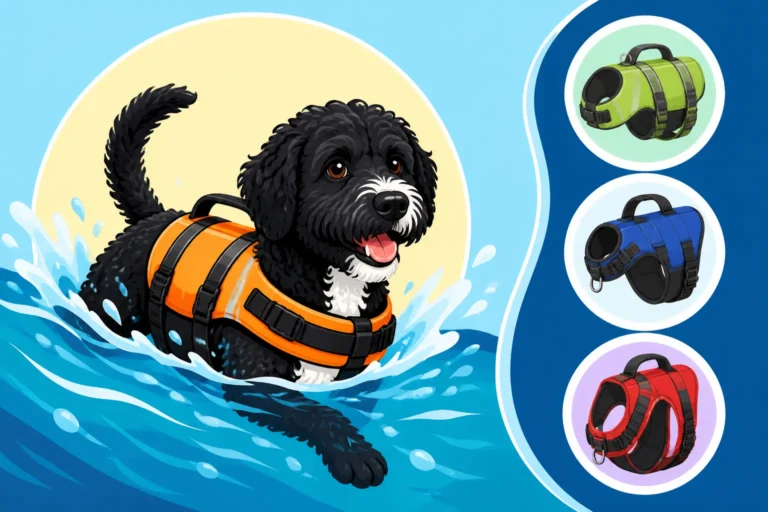
If your PWD seems to struggle with coordination or buoyancy, especially if you're noticing their hindquarters sinking, consider a high-quality dog life jacket. Many excellent options are available on platforms like Amazon, providing crucial support and helping them maintain a horizontal swimming position, which is more efficient and less tiring. A life jacket isn't just for hesitant swimmers; it's a fantastic safety device for any dog undertaking longer swims, giving them an extra layer of security. This can dramatically increase their confidence and allow them to build stamina without the added stress of staying afloat.
| Factor | Impact on Swimming Distance | Considerations |
|---|---|---|
| Age | Peak performance in adults (2-7 years); reduced in puppies/seniors. | Puppies need short, supervised sessions to protect developing joints. Seniors need shorter, gentler swims due to potential arthritis or decreased stamina. |
| Physical Condition | Fitter dogs swim further and longer. Out-of-condition dogs tire quickly. | Regular land exercise builds overall fitness. Maintain a healthy weight. Ensure no underlying health issues via vet check-ups. |
| Water Temperature | Extremes (too cold/too hot) reduce endurance and pose health risks. | Avoid very cold water to prevent hypothermia; avoid very hot water to prevent overheating. Consider booties or coats in cooler temps. |
| Water Conditions | Calm water is less taxing; currents/waves demand more energy. | Choose calm bodies of water for endurance swims. Be aware of hidden currents. Increase difficulty gradually. |
| Motivation | High drive (e.g., retrieving) increases willingness to swim far. | Use favorite floating toys. Engage in interactive water games. Positive reinforcement maintains enthusiasm. |
| Training & Recall | Well-trained dogs are safer and more manageable for long distances. | A strong recall is paramount for safety. Teach "wait," "stay," and other commands applicable in water environments. |
| Hydration | Dehydration quickly reduces stamina and increases health risks. | Provide fresh drinking water frequently during and after swims. Avoid allowing dogs to drink excessive amounts of lake, ocean, or chlorinated pool water. |
| Rest Breaks | Regular breaks prevent exhaustion and improve overall endurance. | Schedule frequent short breaks, especially during longer sessions. Allow dogs to rest completely on shore before resuming. |
| Equipment | Life jackets provide buoyancy and support, increasing safety. | Consider a well-fitting life jacket for all water activities, especially in open water or for less confident swimmers. This enhances safety and can extend safe swimming time. |
Long-Distance Swimming Considerations
Once your Portuguese Water Dog is well-conditioned and confident in the water, you might start thinking about truly stretching their swimming capabilities. This is where you move beyond simple play and into more intentional long-distance aquatic excursions. However, with greater distances come greater responsibilities and considerations.
Open Water vs. Controlled Environments
There's a vast difference between swimming laps in a backyard pool and tackling a long stretch of open ocean or a large, meandering lake. Controlled environments, like calm pools or small, familiar ponds, offer predictability. You know the depth, the absence of currents, and typically the water quality. These are ideal for building stamina and refining skills. However, open water presents a whole new set of variables:
- Currents and Tides: Even seemingly still lakes can have currents, and coastal areas have predictable tidal flows that can quickly carry a dog away from shore.
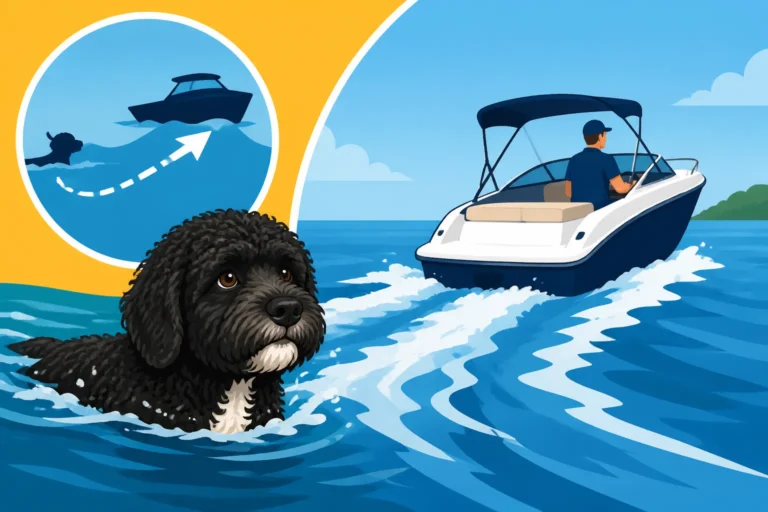
- Boat Traffic: Lakes and oceans often have motorboats, jet skis, and other watercraft. Your dog must be visible, and you must be aware of their wake and proximity.
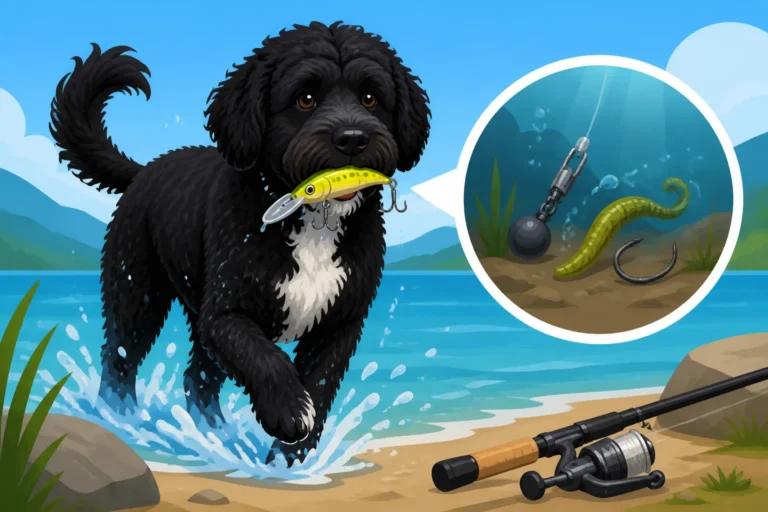
- Underwater Obstacles: Sunken logs, sharp rocks, fishing lines, or even discarded trash can pose hazards.
- Wildlife: Encounters with ducks, geese, or even larger marine life (depending on your location) can distract or alarm your dog.
- Water Quality: Lakes and rivers can have fluctuating bacteria levels (like blue-green algae blooms) or pollutants. Ocean water is high in salt. Always check local advisories before allowing your dog to swim.
For genuine long-distance open water swims, having a support person in a kayak, paddleboard, or boat alongside your PWD is highly recommended. This allows for constant supervision, immediate intervention if needed, and a safe place for your dog to rest if they become tired. It also ensures you can retrieve them quickly if they get distracted or disoriented.
Hydration and Fueling During Long Swims
Just as with any prolonged physical activity, long-distance swimming requires attention to your Portuguese Water Dog's internal needs. As mentioned earlier, they need fresh drinking water. For swims extending beyond an hour, especially in warm weather, consider bringing a high-energy, easily digestible snack. This isn't about feeding them a full meal mid-swim, but a few bites of something like cooked chicken, a small energy bar designed for dogs, or a spoonful of pure pumpkin can provide a much-needed energy boost without causing stomach upset.
Timing is key. Don't feed a large meal immediately before or during strenuous activity, as this can increase the risk of bloat or discomfort. Small, strategic snacks during a planned rest break are best. Always observe how your dog reacts to new foods or supplements during shorter, less intense sessions before introducing them on a long swim. Ensure you account for How Much a Working Portuguese Water Dog Eats in their daily diet to sustain their high energy levels.
Swimming with Other Dogs
If your Portuguese Water Dog enjoys swimming with canine companions, it's essential to consider how this dynamic impacts long-distance efforts. While having a buddy can be motivating for some dogs, it can also lead to issues:
- Competitive Exhaustion: Dogs might push themselves too hard trying to keep up with or out-compete another dog, leading to faster exhaustion.
- Distraction: Multiple dogs can create more chaos and distraction, potentially making recall difficult or leading to accidental collisions.
- Shared Resources: Ensure enough floating toys and clear space so all dogs can enjoy without conflict.
When swimming with multiple dogs, especially for longer distances, maintain a keen awareness of all dogs' energy levels. It’s often best to introduce long-distance swimming individually first, ensuring each dog understands their limits and your commands before adding the variable of other eager swimmers.
Equipment and Support for Swims
Preparing for a Portuguese Water Dog's aquatic adventures goes beyond just their natural ability. The right equipment and a thoughtful post-swim routine can significantly enhance their safety, comfort, and overall enjoyment, especially when considering how far a Portuguese Water Dog can swim.
Life Jackets and Safety Gear
For any serious water activity, and certainly for long-distance swimming, a well-fitting dog life jacket is an indispensable piece of gear. It’s not a sign that your Portuguese Water Dog is a poor swimmer; rather, it’s a commitment to their safety and endurance.
- Buoyancy: A good life jacket provides extra lift, reducing the effort your dog needs to stay afloat. This means they can swim longer without tiring as quickly.
- Visibility: Many life jackets come in bright, highly visible colors (think neon yellow, orange, or reflective strips), making your dog easier to spot in open water, especially at a distance or in low light.
- Handle: Most quality life jackets feature a sturdy handle on the back, allowing you to easily lift your dog out of the water onto a boat, kayak, or back to shore if they become tired or need assistance.
- Support: For older dogs or those with joint issues, a life jacket provides gentle support that can extend their time enjoying the water with less strain.
When selecting a life jacket, fit is crucial. It should be snug enough not to shift or rub, but not so tight as to restrict movement or breathing. Look for adjustable straps and durable materials. Consider brands available on Amazon that offer a good range of sizes and features. Remember, When a Portuguese Water Dog Needs a Life Jacket delves deeper into these important safety considerations.
Post-Swim Care and Hygiene
After any swim, especially a long one in a natural body of water, proper post-swim care is non-negotiable for a Portuguese Water Dog. Their dense coat, while protective, can trap water, debris, and potential irritants close to their skin.
- Rinsing: Always rinse your PWD thoroughly with clean, fresh water after swimming, especially if they've been in salt water, chlorinated pools, or murky lakes. This helps remove salt, chlorine, sand, and any microscopic irritants that could lead to skin issues or matting.
- Drying: Proper drying is paramount. A damp coat, especially in a breed prone to matting, can quickly become a tangled mess and create a breeding ground for yeast or bacterial skin infections. Use absorbent towels, and ideally, a force dryer (a powerful, motor-driven dryer designed for dogs, which can be found online or in pet stores) to get their coat thoroughly dry down to the skin. Pay special attention to the chest, armpits, and groin where mats often form.
- Ear Care: Portuguese Water Dogs are prone to ear infections due to their floppy ears and their love of water, which can trap moisture in the ear canal. After every swim, gently clean and dry their ears. Your veterinarian can recommend a good ear-drying solution. For more on this, check out Why a Portuguese Water Dog's Ears Need Checking Every Week.
- Pad Check: Inspect their paw pads for any cuts, abrasions, or lodged debris, especially after swimming in rocky or uneven areas. Their webbed feet are tough, but not indestructible.
By taking these steps, you’re not only ensuring their hygiene but also protecting their health and coat condition, allowing them to continue enjoying their natural element for years to come. Remember that How Much a Portuguese Water Dog's Coat Hides Weight Loss also highlights the importance of regular grooming and physical checks.
Disclaimer
This article is for general informational purposes only and does not constitute professional advice. Laws, prices and regulations vary by location and change over time. Consult a qualified professional for guidance on your specific situation.