Whether Salt Water Hurts a Portuguese Water Dog’s Coat
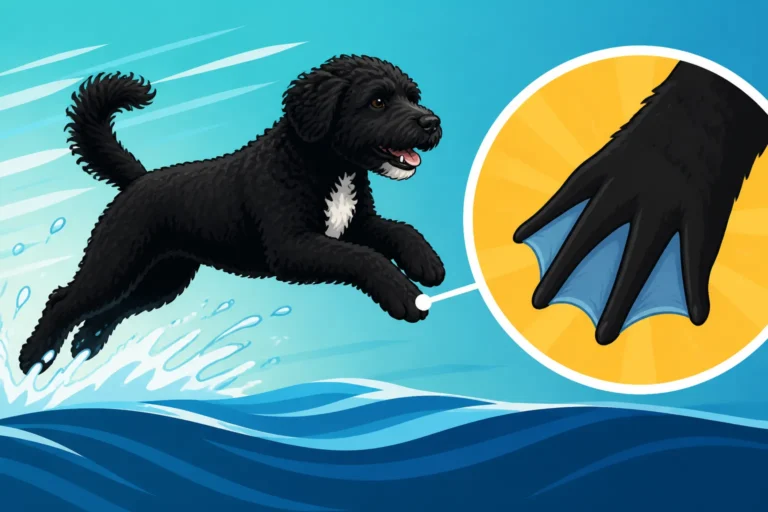
There's nothing quite like watching your Portuguese Water Dog revel in the ocean, their powerful, webbed feet propelling them through the waves, a true picture of canine joy. But after that blissful swim, a common worry creeps in for many PWD owners: what is all that salt water doing to my dog's magnificent coat? It's a completely valid concern, as the unique texture and density of their coat, while perfect for water work, also makes it susceptible to certain environmental challenges. This guide will walk you through exactly how salt water interacts with your Portuguese Water Dog's coat, the potential issues, and the best practices to keep them healthy and happy, from nose to tail.
Understanding the Impact of Salt Water on Hair and Skin
Before we dive into the specifics of your PWD's coat, let's talk a little bit about what salt water generally does to hair and skin, both canine and human. It’s not just an old wives' tale; salt really does have a drying effect, and understanding the science behind it helps us appreciate the need for proper care.
The Drying Effect of Salt
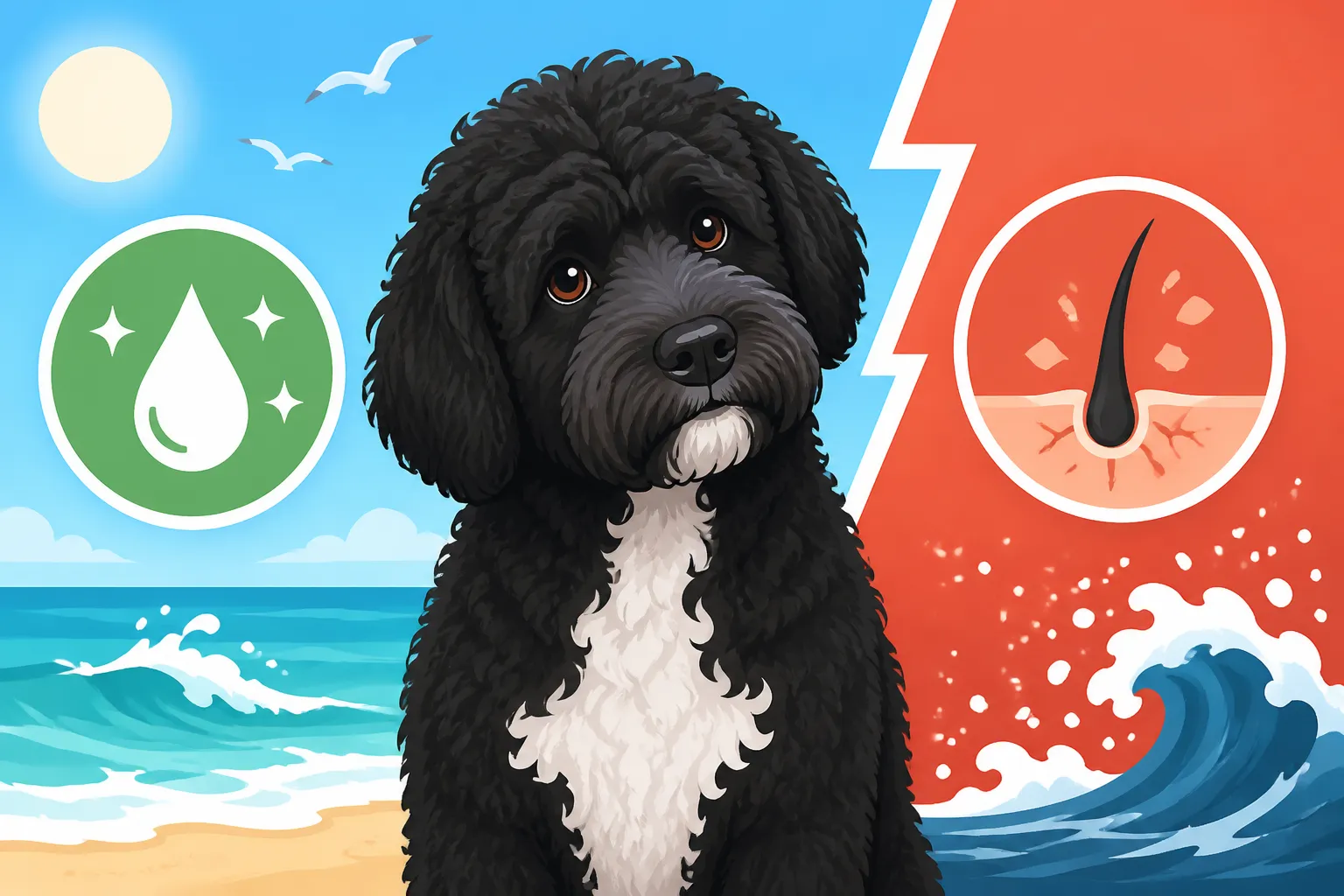
Salt, chemically speaking, is hygroscopic, meaning it loves to attract and hold water. When your Portuguese Water Dog splashes in the ocean, the salt crystals dissolve in the water and then cling to their coat and skin. As the water evaporates, these salt crystals are left behind. These crystals then start to pull moisture from anywhere they can find it—including the hair shafts themselves and the skin underneath. This process is called osmosis. It literally dehydrates the coat and skin, leaving it feeling dry, brittle, and often itchy. Imagine leaving your own hair to air dry after a dip in the ocean without rinsing; it often feels stiff, tangled, and a bit stripped, right? The same principle applies to your PWD, especially with their unique coat. The cumulative effect of repeated saltwater exposure without proper rinsing can lead to significant dryness over time.
Interaction with Natural Oils and Environment
Your Portuguese Water Dog's coat has natural oils that provide a protective barrier, helping to repel water and keep the skin healthy. When salt water repeatedly washes over the coat, it can strip away these essential oils. Think of it like washing dishes with harsh detergent; it removes grease, but can also dry out your hands. Without these oils, the coat becomes even more vulnerable to the drying effects of the salt and other environmental factors. Add in the relentless sun exposure that often accompanies a beach day, and you have a recipe for accelerated damage. UV rays, like salt, can dry out hair and degrade its protein structure, making it weaker and more prone to breakage. The combination of salt, sun, and wind can create a perfect storm, leading to a dull, matted, and potentially irritated coat and skin if not properly managed. This is why just letting them "air dry" after an ocean swim isn't really sufficient care.
The Portuguese Water Dog's Coat: A Natural Wonder (with a Catch)
Portuguese Water Dogs are renowned for their incredible, water-ready coats. It’s one of the defining features of the breed, a marvel of nature designed for their historical role working alongside fishermen. But even with such a purpose-built coat, there are nuances to consider when it comes to saltwater exposure.
Why Their Coat is Both Protective and Vulnerable
The Portuguese Water Dog's coat is a single coat, meaning they lack an undercoat, unlike many double-coated breeds. This dense, non-shedding (or very low-shedding) coat comes in two varieties: curly or wavy. Curly or Wavy: the Two Portuguese Water Dog Coats The texture is designed to protect them from the elements, providing insulation in cold water and a barrier against physical abrasions. The hair shafts are a bit coarser and more robust than many other breeds, and they naturally produce a protective oil that helps repel water. You might notice their coat holds water, but it's not truly absorbing it in the same way a sponge would; rather, the density traps it, and the natural oils help prevent it from soaking into the skin. This natural oil barrier is fantastic for short dips and general water work, but prolonged exposure to saltwater, coupled with the salt's drying effect, can overwhelm this natural defense. The salt starts to break down these oils, and then the hair itself becomes vulnerable to dehydration. This is especially true for the ends of the hair, which are older and more prone to damage.
The Matting Minefield of Saltwater
One of the biggest headaches for PWD owners after a saltwater swim is matting. That dense, water-repellent coat, which is so wonderful in the water, becomes a magnet for tangles and mats once it's introduced to salt and then allowed to dry without intervention. Salt crystals act like tiny adhesive particles, making individual hairs stick together. As the dog moves, these sticky hairs rub against each other, quickly forming knots. The tight curl or wave pattern of the coat only exacerbates this issue, creating perfect conditions for mats to form and tighten rapidly. These aren't just superficial tangles; saltwater mats can become incredibly dense and pull painfully on the skin, leading to skin irritation, hot spots, and even infections if left unchecked. A small mat can grow into a formidable felted clump in a matter of hours, especially in areas of friction like behind the ears, under the collar or harness, and in the "armpits" and groin. This is why thorough rinsing and drying, followed by diligent brushing, is non-negotiable for a PWD after a beach outing. For more on the discomfort of mats, you might read Whether Mats Hurt a Portuguese Water Dog.
Essential Post-Swim Care for Saltwater Enthusiasts
So, your PWD has had an amazing time at the beach. Now comes the crucial part: ensuring their coat and skin recover properly. Skipping these steps, even occasionally, can lead to a host of problems that are much harder and more painful to fix later.
Immediate Rinsing and Bathing Protocols
The very first thing you need to do after your Portuguese Water Dog finishes their saltwater adventure is to rinse them thoroughly with fresh water. And I mean thoroughly. Don't just spray them down quickly; you need to ensure all the salt residue is washed out of their dense coat. Think of it like rinsing shampoo out of long hair—you have to get deep down to the skin. If possible, rinse them while still at the beach using a portable shower or at a designated dog wash station. The sooner the better. When a Portuguese Water Dog should be rinsed after the sea
Once you're home, a proper bath is often necessary, especially after a particularly long or vigorous swim. Use a good quality, moisturizing dog shampoo, followed by a conditioner. The conditioner is vital here to restore moisture to the hair shafts that the salt has stripped away and to help detangle. Work the shampoo and conditioner deep into the coat, massaging it down to the skin. Rinse, rinse, rinse again until the water runs completely clear and there's no slippery residue left. Leaving any product in can also cause skin irritation.
Drying Techniques to Prevent Matting and Skin Issues
After rinsing or bathing, drying your Portuguese Water Dog thoroughly is just as important as the wash itself. Air-drying is absolutely not an option after saltwater exposure, or really any significant swim, for a PWD. Their dense coat will take forever to dry naturally, creating a perfect humid environment for skin infections, hot spots, and, as we discussed, matting (see How Many Hours a Portuguese Water Dog Takes to Air Dry).
A high-velocity force dryer is your best friend here. These dryers blow water out of the coat rather than just blowing hot air, significantly speeding up drying time and helping to straighten the curls and waves, making brushing much easier. If your dog isn't used to a force dryer, start slowly, making it a positive experience with lots of treats and praise. Many PWD owners find tools like these readily available on Amazon, making it easier to equip their home grooming setup.
While drying, use a slicker brush and a metal comb. Brush small sections of hair at a time, starting from the skin and working your way outwards. This ensures you're getting through the entire coat and not just brushing the top layer. Pay extra attention to those mat-prone areas. Training your dog to tolerate grooming from a young age is key. Programs like BAXTER & Bella offer fantastic guidance on cooperative care, which can make this essential process much less stressful for both of you. You might also want to look into Whether a Portuguese Water Dog Must Be Force Dried for more detailed drying tips.
Essential Grooming Tools and Products
Having the right tools on hand makes all the difference for managing a Portuguese Water Dog's coat, especially one that loves the water.
- High-Velocity Force Dryer: As mentioned, this is invaluable. It drastically cuts down drying time and helps prevent mats.
- Slicker Brush: A good quality slicker brush with firm but flexible pins is essential for getting through their dense coat.
- Metal Comb: A sturdy metal comb with both wide and narrow teeth is crucial for checking for mats and working through any tangles. Always comb after brushing to ensure you haven't missed anything.
- Moisturizing Shampoo and Conditioner: Look for products specifically formulated for dogs that are designed to hydrate and protect the skin and coat. Avoid harsh degreasers unless absolutely necessary, as they can strip too many natural oils.
- Leave-in Conditioner or Detangling Spray: A light leave-in spray applied before brushing can help further moisturize the coat and make detangling easier.
- Ear Cleaner: After every swim, inspect and clean your PWD's ears. Their floppy ears and love for water make them prone to ear infections. Why a Portuguese Water Dog's Ears Need Checking Every Week
- Microfiber Towels: These are great for initial towel drying before you bring out the force dryer, absorbing a lot of excess water quickly.
Here's a quick comparison of effective post-swim care actions:
| Action | Purpose | Frequency (After Saltwater) | Key Tool/Product |
|---|---|---|---|
| Freshwater Rinse | Remove salt crystals and sand | Immediately | Hose/Portable Shower |
| Shampoo & Condition | Clean coat, restore moisture, detangle | After every significant swim | Moisturizing Dog Shampoo & Conditioner |
| Force Dry | Rapidly dry coat, prevent matting | Immediately after bath | High-Velocity Force Dryer |
| Brush & Comb | Remove tangles, check for mats, stimulate skin | During and after drying | Slicker Brush, Metal Comb |
| Ear Cleaning | Prevent ear infections from trapped moisture | After every swim | Dog-specific Ear Cleaner |
| Leave-in Spray | Extra hydration, aid in detangling | As needed, during brushing | Dog Detangling Spray/Conditioner |
Recognizing and Addressing Saltwater-Induced Coat Issues
Despite your best efforts, sometimes saltwater exposure can still lead to problems. Knowing what to look for and how to address it quickly can prevent minor annoyances from becoming major health concerns.
Signs of Dryness and Damage
The most common sign of saltwater damage is a dry, brittle, or coarse coat. It might feel less soft and resilient than usual, almost straw-like. You might also notice a loss of shine, with the coat looking dull and lackluster. The natural wave or curl might become more frizzy or unruly.
Beyond the coat itself, look at the skin underneath. Dry, flaky skin, often accompanied by dandruff, is a clear indicator of dehydration. Your PWD might start scratching or licking excessively, leading to redness or irritation. This can create a vicious cycle where scratching further damages the skin barrier, making it more susceptible to problems. Sometimes, in severe cases, you might even notice hair breakage, especially around the ends, giving the coat a ragged appearance. Being vigilant about these signs means you can intervene before the problem escalates.
Dealing with Matting and Skin Irritation
If mats do form, tackling them promptly is crucial. Small, loose tangles can often be worked out with a detangling spray and your slicker brush and metal comb. Always hold the hair at the base near the skin to prevent pulling and hurting your dog while you work on the tangle. For more stubborn mats, a mat splitter or a dematting rake can be helpful, but use these tools with extreme caution as they are sharp and can easily cut the skin. If a mat is very tight and close to the skin, it's often safer to carefully clip it out with blunt-nosed scissors, cutting away from the skin, or better yet, take your dog to a professional groomer. Attempting to pull apart a solid mat can be incredibly painful for your dog and can cause significant skin damage.
Skin irritation, often manifesting as redness, itching, or hot spots, needs immediate attention. Hot spots are particularly common in PWDs if dampness or irritation is allowed to fester. They are raw, inflamed patches of skin that can appear quickly and spread rapidly. If you notice persistent itching, redness, or a hot spot, it's best to consult your veterinarian. They can prescribe appropriate topical treatments or oral medications to relieve discomfort and prevent infection. Keeping the area clean and dry is paramount. In the future, adjusting your post-swim routine—perhaps more thorough rinsing, faster drying, or a different shampoo/conditioner—can help prevent recurrence. Why a Damp Portuguese Water Dog Gets Skin Trouble
Long-Term Coat Health Strategies
For Portuguese Water Dogs who are frequent ocean swimmers, proactive, long-term strategies are key to maintaining a healthy coat.
- Regular Grooming Schedule: Beyond immediate post-swim care, maintain a consistent grooming schedule. This means regular brushing and combing several times a week, and professional grooming every 6-8 weeks, depending on the coat type and length. A groomer can spot issues you might miss and ensure the coat is maintained at an optimal length for swimming and easy management.
- Diet and Supplements: A healthy coat starts from within. Ensure your PWD is on a high-quality diet rich in Omega-3 and Omega-6 fatty acids. These essential fatty acids are vital for skin and coat health, promoting shine and reducing dryness. Supplements like fish oil or flaxseed oil can also be beneficial, but always discuss any dietary changes or supplements with your veterinarian.
- Protective Gear: For very sensitive dogs or those prone to severe matting, consider a rash guard or doggie wetsuit for extended ocean swims. These can provide an extra layer of protection against both sun and salt, reducing direct contact with the coat.
- Freshwater Alternatives: While the ocean is undeniably fun, consider mixing up your PWD's water activities with freshwater lakes, rivers, or even a backyard dog pool. How a Portuguese Water Dog Can Swim in a Lake This gives their coat a break from the constant assault of salt and allows it to recover.
By being diligent with post-swim care, choosing the right products, and maintaining a healthy lifestyle, your Portuguese Water Dog can enjoy countless hours in the salt water without suffering the detrimental effects on their beautiful, hard-working coat.
Disclaimer
This article is for general informational purposes only and does not constitute professional advice. Laws, prices and regulations vary by location and change over time. Consult a qualified professional for guidance on your specific situation.