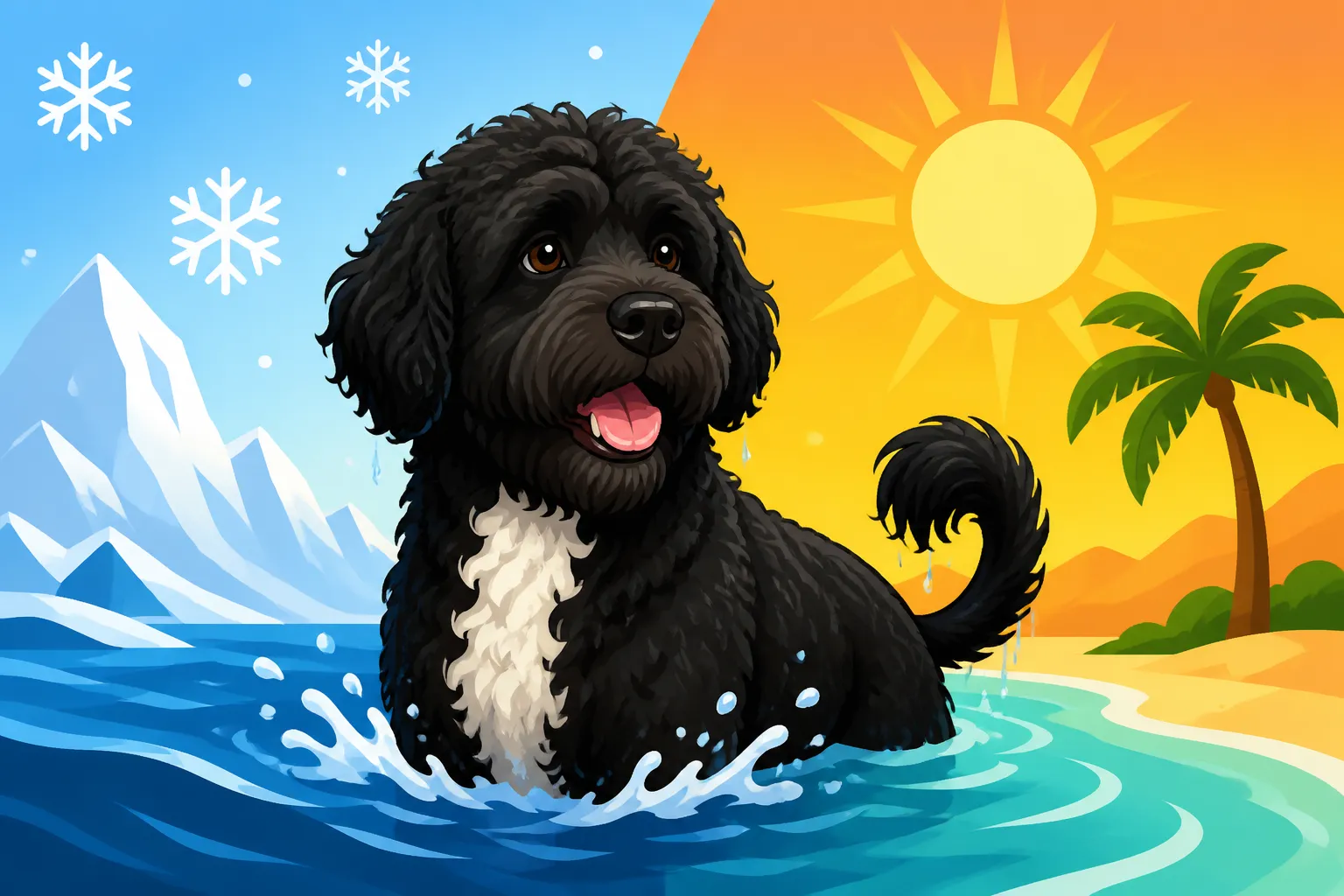
A Portuguese Water Dog in Cold Water and Hot Weather
There’s nothing quite like the joy of seeing your Portuguese Water Dog living its best life, whether it’s splashing exuberantly in a cool lake or happily trotting through a crisp autumn morning. But let's be real, dog ownership isn't just about the fun; it's also about navigating the challenges that come with different climates. Many PWD owners find themselves constantly wondering: just how well do these incredible dogs handle extreme temperatures, both the biting cold and the scorching heat? This guide is here to unravel the truth about your Portuguese Water Dog's impressive natural resilience, help you understand their limits, and equip you with practical strategies to keep them safe, comfortable, and thriving in every season.
Understanding the Portuguese Water Dog's Natural Adaptations
When you look at a Portuguese Water Dog, you’re not just seeing a beautiful, energetic companion; you’re seeing a living testament to centuries of working alongside humans in demanding conditions. These aren't dogs bred for pampered laps – they were bred for the sea, and their very being reflects that heritage.
A History Forged in the Waters of Portugal
Imagine the rugged coast of Portugal, the Atlantic waves crashing against the shore, and the fishing boats heading out into often chilly waters. This is the environment where the Portuguese Water Dog, or Cão de Água Português as they’re known in their homeland, truly earned their stripes. They weren't just passengers; they were indispensable crew members. Their job involved retrieving lost tackle, driving fish into nets, and even carrying messages between boats. This wasn't a seasonal gig; it was year-round work, requiring incredible stamina and an inherent ability to thrive in wet, often cold, conditions.
This historical role means that every ounce of their physical makeup has been honed by generations of natural selection and selective breeding for function. The frustration many new owners feel when their PWD seems compelled to be in water, regardless of the temperature, makes perfect sense when you consider their ancestry. They aren’t just playing; they’re often following an instinct deeply ingrained in their DNA, echoing the work of their ancestors on the fishing fleets. Understanding this background helps us appreciate their unique needs and capabilities today.
The Unique Coat and Webbed Feet
Perhaps the most defining physical characteristic of the Portuguese Water Dog, aside from their boundless energy, is their incredible coat and specialized feet. Unlike many breeds with a thick, insulating double coat that sheds profusely, the PWD boasts a single coat – either tightly curly or wavy – that’s essentially waterproof. This isn't merely about being "hypoallergenic" (though that's a nice bonus for allergy sufferers); it's about function. This coat is designed to repel water, and more importantly, to create a thin layer of warmed water against the skin when submerged, acting much like a natural wetsuit. This insulating barrier is a critical adaptation for long hours spent in the chilly ocean.
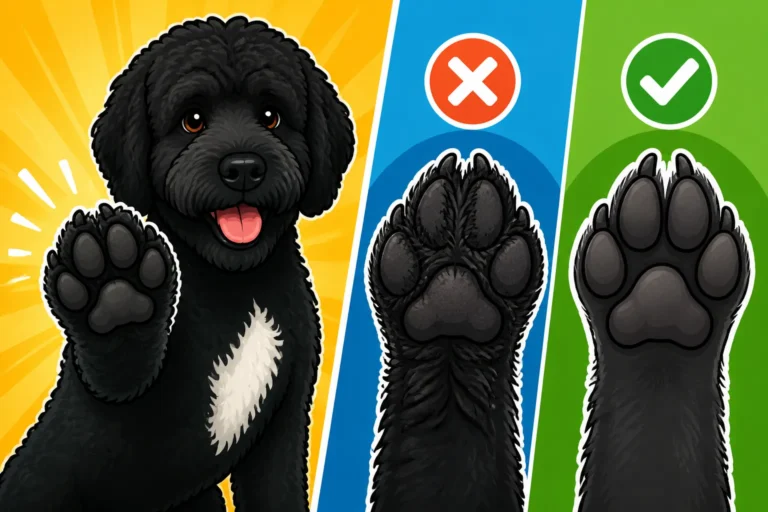
Then there are those remarkable feet. Their paws are heavily webbed, giving them an almost duck-like quality. These aren't just cute quirks; they are powerful paddles, allowing them to swim with remarkable efficiency and speed. When you see your PWD powering through the water, you're witnessing the culmination of generations of evolution. These webbed feet reduce the energy expenditure required for swimming, making them tireless in the water, whether for work or play. The combination of their coat and feet means they're built to spend extensive time in aquatic environments, and they often carry their tail high, using it almost like a rudder to steer and balance in the water. It’s an amazing setup, but it also comes with its own set of care considerations in different climates. Understanding Why a Portuguese Water Dog has webbed feet really highlights their purpose.
Navigating Cold Water Challenges
For a breed so intrinsically linked to water, it's easy to assume they can handle any aquatic adventure, no matter how cold. While they possess incredible natural adaptations, it's vital for owners to understand their limits and how to protect them from the genuine risks of cold water exposure.
The Insulating Power of Their Coat in Cold Water
That magnificent single coat isn't just for looks; it's a marvel of natural engineering specifically designed for cold water. When a Portuguese Water Dog enters the water, their dense, non-shedding coat traps a layer of water against their skin. This trapped water quickly warms up to their body temperature, creating an insulating barrier, much like a diver's wetsuit. This ingenious design allows them to maintain their core body temperature for longer periods than many other breeds, giving them a distinct advantage in chilly rivers, lakes, and even the ocean. You might notice their coat feels heavy and saturated, but this is part of its function – it's holding that warm water close. This is fundamentally Why a Portuguese Water Dog's coat holds water.
However, this doesn't mean they're impervious to the cold. There's a limit to how long even the most perfectly adapted PWD can stay in icy conditions. Factors like water temperature, air temperature, wind chill, and their own activity level all play a role. A brisk swim on a cool day is one thing; an extended retrieve session in near-freezing water is quite another. Over time, even their insulating coat can become overwhelmed, and their body will start to lose heat. It's crucial for owners not to push their dog's limits, even if the PWD seems eager to continue.
Recognizing Signs of Hypothermia
Despite their robust build and water-loving nature, Portuguese Water Dogs can still succumb to hypothermia, a dangerous drop in core body temperature, if exposed to cold for too long or without proper care. Recognizing the signs early is absolutely critical. Initially, you might notice intense shivering – a clear signal their body is struggling to generate heat. As hypothermia progresses, their movements might become stiff or uncoordinated, and they could appear lethargic or confused. Their gums might turn pale or even bluish, and their body, especially their extremities, will feel unusually cold to the touch.
A common frustration for PWD owners is that these dogs are often so stoic and eager to please that they might try to push past discomfort. They won't always "tell" you they're too cold. Therefore, owners must be vigilant and proactive, watching for these subtle cues, especially after a swim or prolonged outdoor activity in cold weather. If you suspect hypothermia, the immediate next steps are vital for their well-being. Knowing How Long a Portuguese Water Dog Can Stay in Cold Water can help prevent this.
Safe Practices for Cold Weather and Water Play
To ensure your Portuguese Water Dog enjoys cold weather and water safely, proactive measures are key. First, always consider the ambient temperature, wind chill, and water temperature together. A cold water swim on a calm, sunny day is different from the same water temperature on a windy, overcast day. When introducing your PWD to colder water, do so gradually. Start with shorter sessions and increase duration only if they show no signs of discomfort. Avoid strong currents in very cold conditions, as these can increase heat loss and put them at risk.
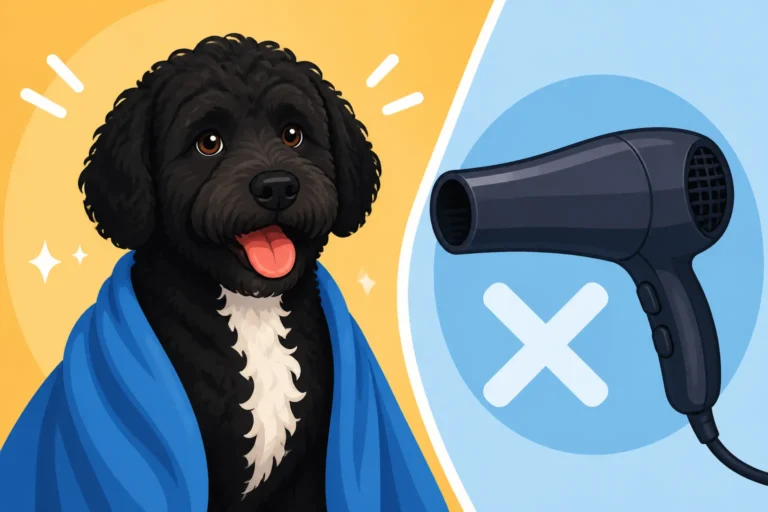
After any cold water activity, immediate and thorough drying is paramount. Their thick coat can hold a surprising amount of water, and if left damp, it can continue to wick heat away from their body, leading to a chill. Invest in absorbent towels and, ideally, a force dryer, which can quickly and efficiently dry their dense coat right down to the skin. This step is non-negotiable for preventing hypothermia and skin issues. Drying a Portuguese Water Dog After Every Swim is one of the most important aspects of their care. For winter walks, consider paw protection like balms or booties to prevent cracked pads from ice and salt, and always check their paws for ice balls that can form between their toes and cause discomfort. Remember, your PWD is tough, but they're not invincible.
Keeping Your PWD Safe in Hot Weather
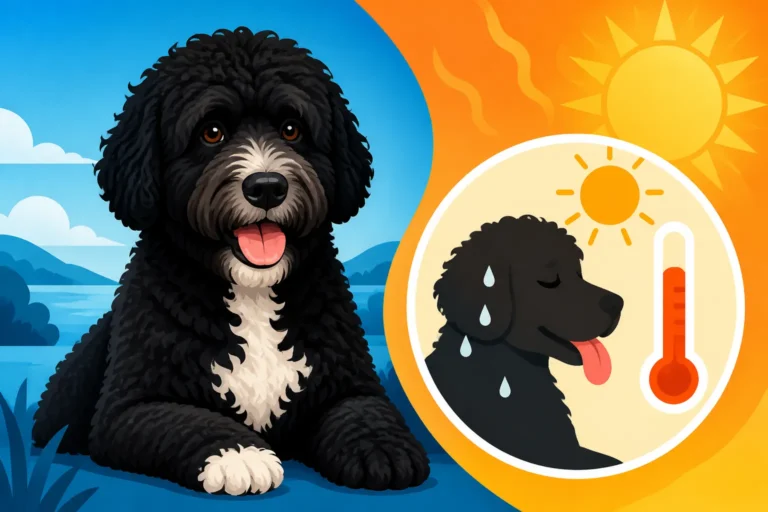
While their heritage might point to a love for cool waters, a Portuguese Water Dog isn't automatically immune to the dangers of heat. In fact, some of their adaptations that serve them so well in the cold can become liabilities when temperatures soar.
Why PWDs Are Prone to Overheating
The very coat that insulates a Portuguese Water Dog so effectively in cold water can become a major disadvantage in hot, humid weather. Their dense, single coat, designed to trap warm water against the skin, can also trap body heat when there's no cool water to regulate it. Unlike many breeds with an undercoat that sheds out in summer to allow for better airflow, the PWD's coat doesn't "blow" in the same way. This means they rely heavily on panting to cool down, which becomes less effective in high humidity.
Adding to this challenge is their inherent drive and athleticism. A PWD is a working dog through and through, with a strong desire to be active and please their owner. They might push themselves far beyond comfortable limits, especially during exciting activities like fetch or swimming, not recognizing the early signs of overheating themselves. This makes owners the primary guardians of their comfort and safety. That frustration of having an energetic dog who just wants to play, even when you know it's too hot, is very real. It’s up to us to manage their enthusiasm responsibly. Whether a Portuguese Water Dog Overheats is a real concern.
Preventing Heatstroke During Summer Activities
Preventing heatstroke in your Portuguese Water Dog, especially during the warmer months, requires diligence and common sense. The simplest and most effective strategy is to adjust their activity schedule. Limit walks and strenuous play to the coolest parts of the day – early mornings and late evenings are ideal. Avoid midday sun exposure and any exercise on hot asphalt or pavement, which can quickly burn their sensitive paw pads. Always, always provide access to ample fresh, cool water, both at home and when you're out. Consider a portable water bottle and bowl setup – you can find excellent collapsible options on Amazon or Chewy – to ensure they can hydrate on the go.
Beyond timing, actively limit the intensity and duration of their exercise. Instead of a long, fast run, opt for a shorter, leisurely walk, or gentle splashing in a kiddie pool. Never, under any circumstances, leave your PWD (or any dog) in a parked car, even with the windows cracked. Car interiors can reach life-threatening temperatures within minutes, even on mild days. These proactive steps are crucial for keeping your enthusiastic PWD safe when the mercury rises.
Cooling Strategies for Hot Days
When the heat is on, smart cooling strategies can make all the difference for your Portuguese Water Dog. Unsurprisingly, supervised swimming is often their favorite and most effective way to beat the heat. The water helps dissipate body heat rapidly, and for a PWD, it's a natural instinct. Make sure the water source is clean and safe, whether it's a lake, a pool, or even a backyard kiddie pool. Just be mindful of their enthusiastic swimming in cold water if they are in an unfamiliar body of water.
Beyond swimming, there are many ways to keep them comfortable. Cooling vests or bandanas, which you soak in water, can help lower their body temperature. Simply wetting down their coat with a hose (especially on their belly and chest) can provide temporary relief. Creating a shaded "cool zone" in your yard with a misting fan, a damp towel on the ground, or a cooling mat can offer a much-needed retreat. For dogs that enjoy chewing, frozen kongs or ice cubes in their water bowl can also be a refreshing treat. Even an older PWD will likely appreciate a good dip, as Whether an Aging Portuguese Water Dog Still Wants to Swim is often yes, but they need to be monitored.
Grooming's Role in Temperature Regulation
The Portuguese Water Dog's distinctive coat is central to their ability to regulate body temperature. How you groom it can significantly impact their comfort and health, whether it's the dead of winter or the dog days of summer.
The Importance of the Right Clip for the Climate
The way you groom your Portuguese Water Dog isn't just about aesthetics; it's a vital part of managing their comfort and health in varying climates. There are two primary clip styles: the traditional Lion Clip and the more functional Retriever Clip. While the Lion Clip has historical significance, often leaving much of the coat long on the head, chest, and front legs, it can be quite high-maintenance. For a PWD living an active pet life, especially in warmer climates, the Retriever Clip is often more practical. This clip generally leaves the coat at an even length all over the body, making it easier to manage, dry, and clean, while still providing some protection. Indeed, The Retriever Clip Is the Coat Most Portuguese Water Dogs Wear in modern pet homes.
For very hot and humid environments, a shorter clip can be beneficial by allowing more air circulation close to the skin. However, it’s crucial not to shave a Portuguese Water Dog down to the skin. Their coat, even when short, provides a layer of protection against sunburn, which can be a real risk with a too-short clip. Aim for a sensible, even length that helps them cool down without exposing their skin. Conversely, in cold weather, a slightly longer, well-maintained coat will offer better insulation. Balancing practicality with protection is key. Understanding How Short a Portuguese Water Dog Can Be Clipped safely is a conversation to have with your groomer.
Managing Mats and Wetness
Mats are more than just an aesthetic issue for a Portuguese Water Dog; they are a serious concern for their temperature regulation and skin health. When the coat becomes matted, it loses its ability to breathe and insulate properly. In hot weather, mats trap heat and humidity against the skin, creating a perfect breeding ground for bacterial and fungal infections, commonly known as hot spots. These can be incredibly painful and itchy for your dog, and they are a clear sign that Mats Hurt a Portuguese Water Dog. In cold weather, wet mats will stay wet for longer, chilling your dog and making them more susceptible to hypothermia, as that critical insulating layer of warm water can't form properly.
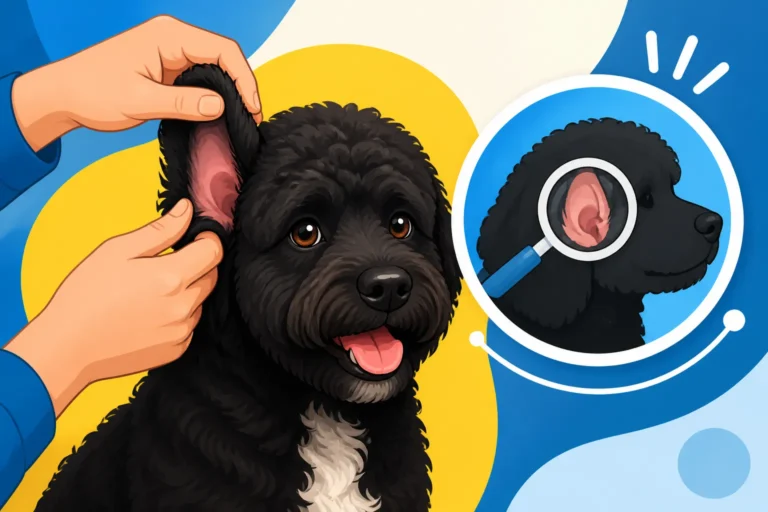
This is why a consistent grooming routine is non-negotiable for a PWD. Regular brushing, ideally several times a week, is essential to prevent mats from forming. Pay extra attention to high-friction areas like behind the ears, under the harness, in the armpits, and around their tail and hindquarters. After every swim, especially in the ocean or a lake, thoroughly rinse your PWD with fresh water to remove any salt, chlorine, or debris, and then dry them completely. A damp coat, particularly if matted, can lead to serious skin issues. That's why Why a Damp Portuguese Water Dog Gets Skin Trouble is such a common complaint among owners who skip the drying routine. Using a force dryer, as mentioned before, is invaluable for getting them thoroughly dry down to the skin. While it might seem like a lot of work, consistent grooming is a cornerstone of their well-being in all seasons. It's often helpful to stock up on good brushes and combs, and Chewy or Amazon often have a wide selection of suitable grooming tools.
Nutrition and Hydration for Temperature Extremes
Just as we adjust our diet and water intake based on the weather and our activity levels, our Portuguese Water Dogs also benefit from mindful adjustments to their food and water, ensuring they have the energy and hydration needed to thrive in any climate.
Adjusting Calorie Intake for Activity and Temperature
A Portuguese Water Dog’s energy needs are far from static; they fluctuate significantly with their activity level and the ambient temperature. In cold weather, especially if your PWD is regularly swimming in chilly water or spending extended periods outdoors, their body will burn more calories to maintain its core temperature. This is a natural physiological response to prevent hypothermia. During these times, you might need to slightly increase their food intake to provide the extra fuel their metabolism demands. However, it's not a license to free-feed; any changes should be gradual and monitored. How Much an Adult Portuguese Water Dog Eats can vary quite a bit.
Conversely, in hot weather, your PWD might naturally reduce their activity levels, opting for cooler, lazier days. If their exercise output decreases, their caloric needs might also drop. Overfeeding during periods of reduced activity can lead to unwanted weight gain, which itself can exacerbate heat intolerance and put a strain on their joints. It’s a delicate balance, and listening to your dog's activity cues is important. Always choose high-quality dog food, perhaps even one formulated for active breeds. Brands like Ollie (if you choose fresh food) or premium dry kibble from Chewy can provide the necessary nutrients. Consult your veterinarian for personalized advice on dietary adjustments, as every dog is an individual.
The Critical Role of Hydration
Hydration is a non-negotiable aspect of a Portuguese Water Dog's health, regardless of the season, but it becomes even more critical in extreme temperatures. In hot weather, just like humans, dogs pant more intensely to cool down, leading to increased fluid loss. Ensuring constant access to fresh, cool water is paramount. Place multiple water bowls around your home, both indoors and outdoors in shaded areas, to encourage frequent drinking. When out on adventures, always carry a portable water bottle and bowl.
It's important to remember that while PWDs love to swim and will inevitably swallow some water, especially in a lake or pool, this doesn't count as adequate hydration. They might be ingesting some water, but they're also expending energy and losing fluids through panting. Water intoxication can even be a rare risk if they gulp down too much water during vigorous play. Monitor their water intake and watch for signs of dehydration, which include lethargy, sticky gums, sunken eyes, and a loss of skin elasticity. Knowing How Much Water a Portuguese Water Dog Drinks a Day is a good baseline, but it will increase dramatically with heat and activity. In cold weather, while the risk of dehydration from panting is lower, indoor heating can still be drying, and they still need a consistent water supply.
Recognizing and Responding to Heatstroke and Hypothermia
While preparedness helps prevent emergencies, knowing how to recognize and react to heatstroke or hypothermia is crucial for any Portuguese Water Dog owner. These conditions can escalate rapidly and become life-threatening if not addressed immediately.
Spotting the Danger Signs
Being vigilant is your first line of defense against these dangerous conditions. For heatstroke, the signs can appear quickly and severely. Look for excessive, frantic panting that doesn't subside, profuse drooling, staggering or uncoordinated movements, bright red or dark, brick-red gums, vomiting, and diarrhea. As it progresses, your PWD might collapse, have seizures, or lose consciousness. Remember, their drive to please can mask initial discomfort, so watch for these symptoms closely, especially after activity in warm weather. Whether a Portuguese Water Dog Overheats is a major concern in summer.
For hypothermia, particularly after cold water exposure, initial signs often include uncontrollable shivering, which might give way to lethargy and weakness as their body temperature drops further. Their movements may become stiff and awkward, their gums could be pale or bluish, and their body, particularly their ears and paws, will feel very cold to the touch. In severe cases, breathing might become shallow, and they could collapse. It's easy to dismiss shivering as "just being cold," but sustained or intense shivering after being wet and cold indicates a serious problem. Portuguese Water Dogs are notoriously tough, but this can sometimes make it harder for owners to spot when they're truly in distress.
First Aid and Emergency Action
If you suspect your Portuguese Water Dog is suffering from heatstroke or hypothermia, prompt action is critical, but remember these are first aid measures—a vet visit is absolutely essential.
For suspected Heatstroke:
- Move to a cool area immediately: Get your dog into the shade, an air-conditioned room, or a cool car.
- Apply cool water: Wet their body down with cool (not ice-cold) water, concentrating on their paw pads, groin area, armpits, and neck. You can use a hose, wet towels, or even just your hands. The goal is to cool them gradually.
- Offer small amounts of water: If they are conscious and able to swallow, offer a small amount of cool water. Do not force them to drink.
- Seek veterinary care immediately: Even if they seem to improve, internal organ damage from heatstroke can be subtle and life-threatening. This is an emergency that requires professional attention.
For suspected Hypothermia:
- Remove from cold source: Get your dog out of the cold water or environment immediately.
- Dry thoroughly: Use absorbent towels to dry their coat completely. A force dryer (on a low heat setting if available, or just air) is ideal to get them dry down to the skin.
- Warm them gently: Wrap them in warm blankets (you can warm them in a dryer first) or towels. You can also use your own body heat or place warm (not hot) water bottles wrapped in towels near their body, especially around their chest and abdomen.
- Offer warm liquids: If they are conscious and able, offer warm (not hot) broth or water.
- Seek veterinary care immediately: Hypothermia can lead to serious complications. A vet needs to assess their core temperature and overall condition.
In both scenarios, remaining calm and acting quickly can significantly improve your PWD's outcome.
Essential Gear and Practices for All Seasons
Being a Portuguese Water Dog owner means embracing their active, water-loving lifestyle year-round. This requires having the right gear and integrating specific practices into your routine to ensure their comfort and safety, no matter what the weather throws at you.
Preparing for Temperature Changes
Having the right gear on hand can make a world of difference for your Portuguese Water Dog's comfort and safety. For colder weather, a collection of super-absorbent towels is a must-have for those post-swim dry-offs. Consider investing in a good quality waterproof dog bed to keep them dry and warm after an adventure, especially if they’ll be resting in a cooler spot. Paw balms are invaluable for protecting their pads from ice, snow, and de-icing chemicals. If your PWD has a very short clip, or if they are particularly elderly or thin, a dog coat can offer an extra layer of warmth during chilly outings, especially on dry land. After all, Whether a Portuguese Water Dog Needs a Coat in Winter often depends on these factors.
When the weather turns hot, your gear kit should shift to prioritize cooling and hydration. Portable, collapsible water bowls (easily found on Amazon or Chewy) are indispensable for hydration on walks or at the park. Cooling mats or elevated dog beds can provide a much-needed cool spot indoors or out, allowing air circulation underneath them. Shade covers for outdoor crates or designated resting areas are also a smart investment to protect them from direct sun exposure. These simple items can significantly enhance their quality of life as the seasons change.
Year-Round Routine Adjustments
Beyond specific gear, establishing and maintaining smart year-round routines is fundamental to your Portuguese Water Dog's well-being. Regular veterinary check-ups are absolutely crucial. These visits allow your vet to monitor their overall health, including their heart and lung function, which directly impacts their ability to handle physical activity in varying temperatures. Catching any underlying health issues early can prevent them from becoming serious problems when exposed to environmental stressors. It's often debated How Often a Portuguese Water Dog Needs a Wellness Exam, but typically at least annually for adults.
Perhaps most importantly, learn to read your individual dog. While PWDs share breed-specific traits, each dog has unique limits. An older PWD might be more sensitive to cold, while a heavily coated one might struggle more in the heat. Pay attention to their energy levels, their eagerness (or reluctance) to participate, and any subtle signs of discomfort. Tailor their exercise intensity and duration to the weather conditions and their individual disposition. Training them to come when called out of the water, no matter how much fun they’re having, is also a critical safety measure, allowing you to manage their exposure in cold or hot conditions. Being proactive and observant ensures your amazing Portuguese Water Dog remains a happy, healthy companion through every season of the year.
| Aspect | Cold Weather/Water Management | Hot Weather Management |
|---|---|---|
| Grooming | Keep coat well-brushed, avoid mats, consider longer clip (but not excessive) for insulation. Dry thoroughly after every swim. | Shorter, functional clip (Retriever style), but never shaved to skin (sunburn risk). Keep free of mats. |
| Activity | Shorter, monitored swims. Keep moving on walks to generate warmth. Avoid standing still in cold. Paw protection. | Limit strenuous exercise to early morning/late evening. Prioritize shaded walks. |
| Hydration | Provide fresh water; don't rely on snow/ice. Warm water can encourage drinking. | Abundant, fresh, cool water at all times. Portable bowls essential. Avoid gulping pool water. |
| Feeding | May need slightly increased calories if very active in cold. | Calorie needs may decrease if activity lessens. Focus on lean diet. |
| Shelter | Warm, dry sleeping area. Avoid drafts. Waterproof bedding. | Cool, shaded resting spots. Cooling mats, kiddie pools. Never left in hot cars. |
| Monitoring | Watch for shivering, lethargy, pale gums (hypothermia). | Watch for excessive panting, drooling, staggering, dark gums (heatstroke). |
| Post-Water Care | Immediate, thorough drying (force dryer ideal). Ensure they warm up. | Rinse off chlorine/salt; dry to prevent skin issues. Provide cool rest. |
Disclaimer
This article is for general informational purposes only and does not constitute professional advice. Laws, prices and regulations vary by location and change over time. Consult a qualified professional for guidance on your specific situation.