Which Brush a Portuguese Water Dog Needs
If you're a new Portuguese Water Dog owner, or even if you've had one for a while, you've probably already realized that their amazing, distinctive coat is also a bit of a mystery. It’s not like grooming a Labrador or a Golden Retriever. You can’t just grab any old brush and expect to keep mats at bay. Getting the wrong tools can turn grooming into a wrestling match and leave your beloved PWD uncomfortable and matted. This guide is all about cutting through the confusion to tell you exactly which brushes you need for your Portuguese Water Dog to keep that coat healthy, beautiful, and mat-free.
Understanding the Unique PWD Coat
The Portuguese Water Dog's coat is truly a marvel of nature, perfectly designed for its original job herding fish and retrieving gear from the chilly waters off the coast of Portugal. But what makes it so functional in the water also makes it incredibly unique to care for on land. This isn't a double coat that sheds a lot, and it's certainly not a short, smooth coat. It's a single layer of hair that grows continuously, and that's where the grooming challenge comes in.
Curly vs. Wavy: Both Require Attention
Portuguese Water Dogs come in two distinct coat types: curly and wavy. While they look different, both types share a critical characteristic: they are single-coated and considered "non-shedding" in the traditional sense. This doesn't mean no hair ever comes out; it means the loose hair doesn't fall out onto your floor or furniture as readily as with double-coated breeds. Instead, that shed hair gets trapped within the dense, growing curls or waves.
A curly coat is typically tight, compact, and somewhat dull in appearance. The curls are often described as cylindrical, like little ringlets. A wavy coat, on the other hand, is softer, more flowing, and often has a slight sheen. The waves are less tightly bound and might give the dog a shaggier look. Regardless of whether your PWD is a tight curl or a flowing wave, this trapped, loose hair is the primary culprit behind matting. Think of it like a natural felt-making process happening right on your dog's body. The longer the hair, and the denser the coat, the more potential there is for these shed hairs to intertwine with the growing hair, creating stubborn tangles and ultimately, painful mats. It's a constant battle, but with the right approach, it's a battle you can absolutely win.
The Problem with Matting
Matting isn't just a cosmetic issue; it's a serious health concern for your Portuguese Water Dog. Those seemingly innocent little tangles can quickly snowball into dense, felt-like pads that pull on the skin, causing immense discomfort and pain. Imagine having your hair constantly tugged at, every time you move – that's what a matted dog feels.
Beyond the immediate pain, mats create a perfect breeding ground for skin problems. They trap moisture, dirt, and debris against the skin, leading to hot spots, bacterial infections, and fungal issues that can be incredibly itchy and painful. If a mat gets wet, say after a swim, and isn't thoroughly dried and brushed out, it tightens even further, making it exponentially harder to remove. Severe mats can even restrict blood flow, leading to tissue damage, or hide parasites like fleas and ticks. It's a vicious cycle where a small tangle neglected turns into a painful, costly veterinary problem. Preventing mats is always, always easier, kinder, and cheaper than trying to remove them. This is why having the right tools and knowing how to use them is paramount to your PWD's well-being.
The Essential Brushes for Your Portuguese Water Dog
When it comes to grooming your Portuguese Water Dog, you can't get by with just one type of brush. Their unique coats demand a multi-tool approach. Think of it as having different tools for different jobs in a workshop – each brush serves a specific purpose in keeping that beautiful PWD coat healthy and mat-free.
The Mighty Slicker Brush
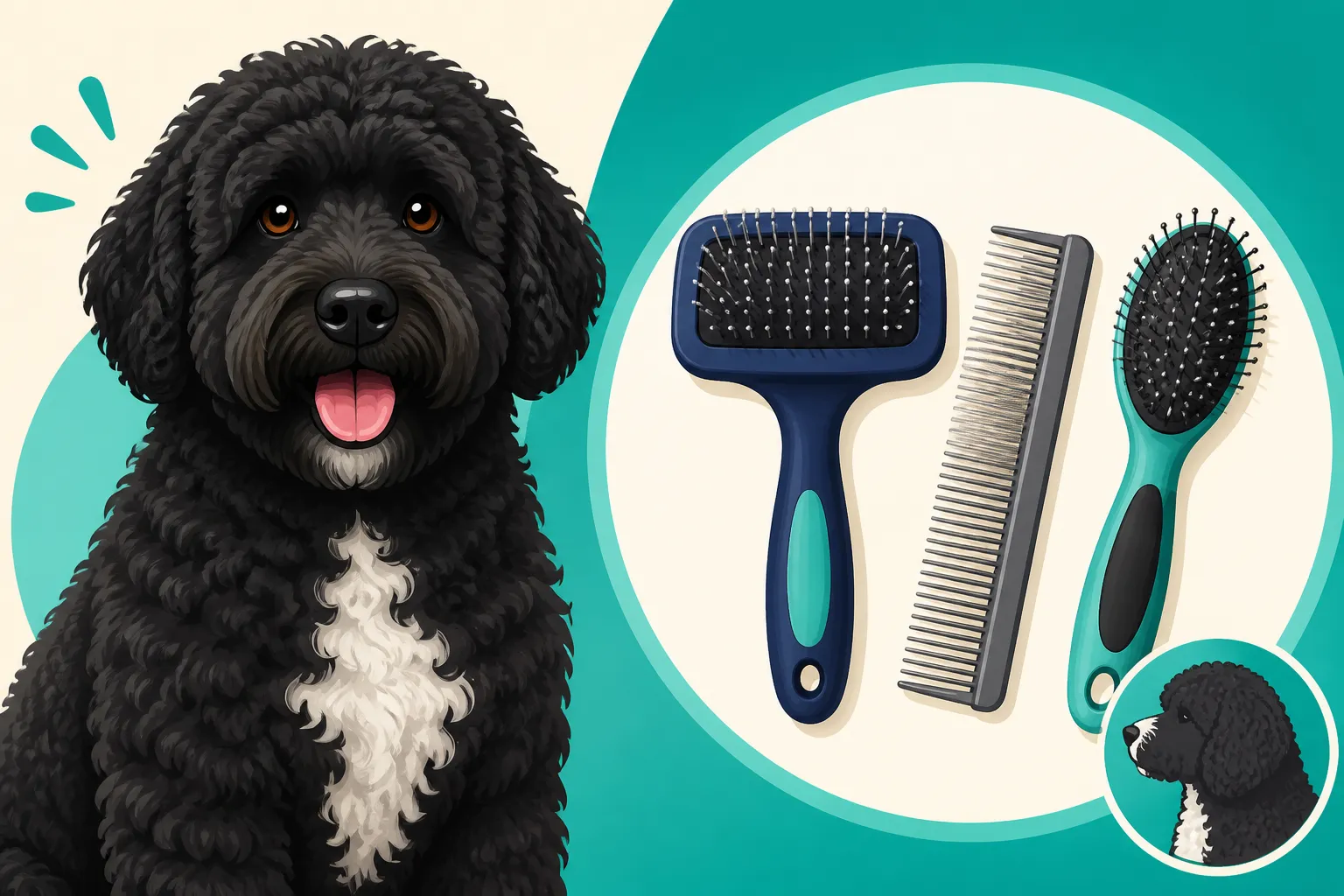
If there's one brush that every Portuguese Water Dog owner absolutely must have in their arsenal, it's a high-quality slicker brush. This isn't just any brush; it's your workhorse, your first line of defense against mats and tangles. A slicker brush is characterized by its wide, flat, or slightly curved head covered in fine, short, bent wire bristles.
Its primary purpose is to effectively break up tangles, remove loose undercoat (even though PWDs have a single coat, loose hair still gets trapped!), and separate the curls or waves to prevent matting. When choosing a slicker, don't skimp on quality. Look for one with firm, yet flexible, bristles that are long enough to reach all the way down to your dog's skin without scratching it. Cheap slickers often have bristles that are too soft or too short, only brushing the surface of the coat and leaving mats to form underneath. You'll want to use this brush in short, gentle strokes, working through small sections of hair at a time. It’s crucial for getting out those pesky knots that hide close to the skin. This is the brush you’ll probably be reaching for most days. You can learn more about how often you should be using it in How Often a Portuguese Water Dog Needs Brushing.
The Indispensable Pin Brush
While the slicker brush does the heavy lifting, the pin brush plays a crucial supporting role, especially for PWDs with longer coats or in sensitive areas. A pin brush typically has metal pins with rounded tips, set into a rubber or plastic base. Unlike the slicker, which is designed to grab and detangle, the pin brush is much gentler.
Its main function is to smooth the coat, gently remove any remaining loose hair or minor tangles after a slicker brushing session, and to fluff up the coat, especially after a bath and drying. You might find it particularly useful for areas where the coat is longer and more delicate, such as the ears, tail, or the fringes of their "mane" if they're in a lion clip. It’s also excellent for puppies or dogs new to grooming, as it provides a softer introduction to brushing. While it's not as effective at removing deeply set mats as a slicker, it’s wonderful for maintenance and ensuring the coat is thoroughly brushed through without causing static or breakage. Think of it as a finishing tool that ensures your PWD's coat is not just mat-free, but also beautiful and healthy-looking.
The Wide-Toothed Comb
After you've done the hard work with your slicker and pin brushes, how do you know if you've really gotten all the tangles out? That's where your wide-toothed comb comes in. This simple tool is often overlooked, but it's arguably the most important "check" in your grooming routine. A good grooming comb for a PWD will have a combination of wide and narrower teeth, usually metal, firmly set into a sturdy spine.
Its primary purpose is to act as your final mat-detector. After brushing a section of your dog's coat with the slicker and pin brush, run the wide-toothed comb all the way through, from the tip of the hair down to the skin. If the comb glides through without snagging, you've done a great job! If it catches, that means there’s a hidden tangle or mat you missed, and you need to go back with your slicker brush to work it out. The wide teeth are less likely to pull and hurt your dog if you hit a snag, making it a more humane way to find those hidden problem spots. The narrower teeth on the comb can then be used for finer work around the face, ears, and paws. Without this final check, you might think you've done a thorough job, only to discover a dense mat weeks later. Make sure you know Which Comb a Portuguese Water Dog Owner Needs to get the most out of this crucial tool.
Specialty Tools for Tackling Tougher Situations
Even with regular brushing, sometimes life happens. Your PWD might roll in something sticky, dive into a dense thicket, or you might just miss a spot for too long. In these cases, you might need to bring out some specialized tools. These aren't for everyday use, but they can be lifesavers when you're faced with a more challenging mat.
Dematting Rakes and Combs
Dematting tools are specifically designed to tackle those stubborn tangles that a regular slicker brush can't penetrate without excessive pulling. A dematting rake typically has sharp, curved blades or teeth that are designed to cut through mats rather than pull them out. Dematting combs often have widely spaced, strong metal teeth that can be slowly worked into a mat to break it apart.
These tools should be used with extreme caution, as improper use can easily cut your dog's skin or damage their coat. They are best reserved for small, isolated mats that are too tight to brush out by hand. The technique involves holding the base of the mat firmly against the skin (to prevent pulling) and gently working the dematting tool through the mat, a little at a time, moving away from the skin. It’s not about yanking; it’s about carefully dissecting the mat. If a mat is very large or close to the skin, it’s often safer to visit a professional groomer or even a vet to have it shaved out. Remember, these are tools for repair, not prevention. You don't want to rely on them regularly, as they can be harsh on the coat. Sometimes, the kindest thing to do is simply cut it out, as discussed in When a Mat Should Be Cut Out of a Portuguese Water Dog.
Grooming Shears and Clippers
For the most severe matting, or for specific grooming styles, grooming shears (scissors) and clippers become essential. Shears should be high-quality, sharp, and designed for pet grooming. Blunt scissors can pull hair and cause more pain. Clippers are even more powerful and come in various blade lengths, used for everything from shaving down a severely matted dog to creating specific clips like the traditional lion clip or the more common retriever clip.
When dealing with a very tight mat close to the skin, sometimes the safest and most humane option is to carefully cut it out with blunt-nosed grooming shears. This is a delicate operation and should only be attempted if you are confident and your dog is cooperative. Always point the blunt end towards the dog's skin and cut away from the skin. For large, painful, or skin-bound mats, especially if they are numerous, professional clippers are often the only solution. Many groomers refer to these situations as "pelted" and will recommend shaving the dog completely to remove all the matting and start fresh. This is done for the dog's comfort and health. While clippers are also used for routine trims, their role in mat removal is often a last resort for severe cases that cause your dog significant distress.
How to Use Your PWD Brushes Effectively
Having the right tools is only half the battle. Knowing how to use them correctly is what truly makes a difference in your Portuguese Water Dog's grooming routine. Improper brushing can be ineffective, painful, or even damage their beautiful coat.
The "Line Brushing" Technique
For a Portuguese Water Dog, simply brushing over the top of the coat is not enough. You need to get down to the skin, and the best way to do this is with a technique called "line brushing." This method ensures you reach every layer of the coat, preventing mats from forming unseen underneath the surface.
Here's how it works:
- Start at the bottom: Begin at your dog's feet or legs, or lay them on their side and start with the lower body.
- Part the hair: Use your hand to part a small section of hair horizontally, creating a visible "line" of skin. Hold the rest of the coat up and out of the way.
- Brush from the skin out: With your slicker brush, brush the small section of hair you've parted, starting from the skin and brushing outwards, towards the tips of the hair. Use gentle, short strokes.
- Work your way up: Once that section is mat-free, drop another small section of hair down, creating a new "line" just above the first one you brushed. Repeat the process.
- Comb check: After brushing a section, always follow up with your wide-toothed comb to ensure there are no missed tangles. If the comb snags, go back with your slicker brush until it glides through smoothly.
This technique is meticulous and takes time, but it is the most effective way to ensure your PWD's coat remains mat-free and healthy. It's truly brushing layer by layer, rather than just skimming the surface.
Frequency and Routine
Consistency is key when it comes to grooming a Portuguese Water Dog. It's far easier to maintain a mat-free coat with regular, shorter grooming sessions than to tackle massive matting that builds up over weeks. For most PWDs, especially those with longer coats or who are frequently active (and therefore more prone to picking up debris or getting wet), daily or every-other-day brushing is ideal. If your dog has a shorter retriever clip, you might get away with 2-3 times a week, but never less than weekly.
Here's a general routine to aim for:
- Daily or Every Other Day: A full line brushing session with your slicker and comb, focusing on areas prone to matting like behind the ears, armpits, groin, and tail. This might take 15-30 minutes, depending on coat length and density.
- Before and After Swimming: If your PWD loves the water (and most do!), a quick brush-through before they get wet can help prevent small tangles from becoming tight mats when wet. More importantly, after every swim, thoroughly dry their coat and then complete a full line brushing session. Water tightens mats incredibly fast.
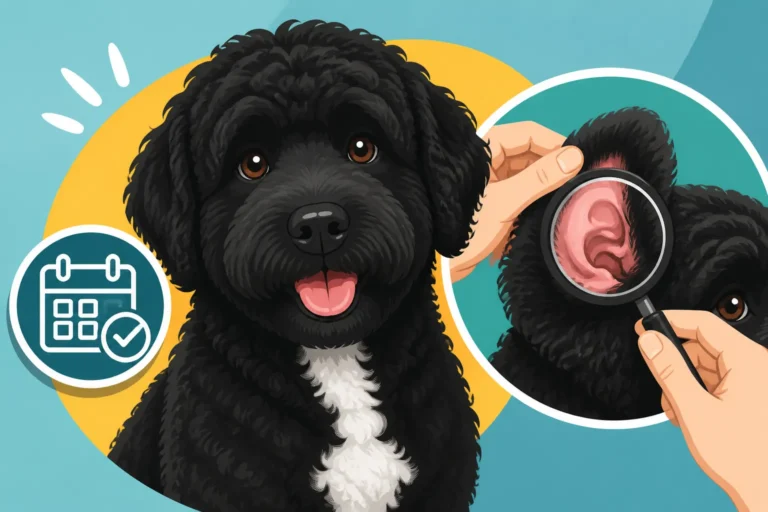
- Weekly Ear Checks: As part of your routine, don't forget their ears. Why a Portuguese Water Dog's Ears Need Checking Every Week is a great resource.
Establishing a consistent routine from puppyhood makes a huge difference. Your dog will learn to tolerate, and perhaps even enjoy, their grooming time. Remember, the goal is prevention, not just reaction. A consistent schedule is crucial for keeping their coat healthy and comfortable. This regular commitment also means that How Long Home Grooming a Portuguese Water Dog Takes Weekly can be managed effectively without becoming an overwhelming chore.
Making Grooming a Positive Experience
Grooming, for some dogs, can feel like an invasion of personal space. For a breed like the Portuguese Water Dog, which is intelligent and sensitive, it’s vital to make grooming a positive, low-stress experience right from the start. This isn't just about making your life easier; it's about building trust and ensuring your dog's comfort and cooperation for a lifetime of necessary care.
- Start Early: Begin grooming sessions when your PWD is a puppy. Even if their coat doesn't need much work, introduce them to the brushes, the grooming table, and the sensations of being handled. Short, frequent sessions (even just 5 minutes) are much better than long, infrequent ones.
- Use High-Value Treats: Associate grooming with positive rewards. Every time you brush a leg or an ear, offer a tasty treat and verbal praise.
- Keep it Short and Sweet: Especially in the beginning, end the session before your puppy gets bored or frustrated. You want them to think of grooming as something pleasant that has a clear, positive ending.
- Be Gentle: Never pull or yank on tangles. If you hit a snag, gently work it out with your fingers first, or use a detangling spray. Painful experiences will make your dog resistant to future grooming.
- Create a Calm Environment: Choose a quiet time and place. Some dogs do better with soft music, others with just your calm voice. Avoid distractions.
- Practice Handling: Regularly touch your dog's paws, ears, tail, and mouth when not grooming. This desensitizes them to being handled, making actual grooming sessions less of a shock.
By approaching grooming with patience, positive reinforcement, and a gentle hand, you'll teach your Portuguese Water Dog that grooming is a normal, even enjoyable, part of their life, ensuring a happier and healthier dog for years to come.
Where to Buy Your Portuguese Water Dog Grooming Tools
Once you know which brushes your Portuguese Water Dog needs, the next step is actually getting them! With so many options out there, it can feel a bit overwhelming to figure out where to shop and what to prioritize in terms of quality. But investing in good tools is truly an investment in your dog's comfort and the ease of your grooming routine.
Online Retailers and Specialty Stores
For sheer convenience and selection, online retailers like Chewy and Amazon are fantastic resources for purchasing your Portuguese Water Dog grooming tools. You'll find a vast array of slicker brushes, pin brushes, and combs from various brands, often with customer reviews that can help guide your decision. Many of these platforms also offer competitive pricing and the convenience of having products delivered right to your door. When browsing online, pay attention to the descriptions, looking for details about bristle type, handle ergonomics, and overall durability. Don't be afraid to compare a few options before making a choice.
However, don't overlook your local specialty pet stores or even dedicated grooming supply shops. While their selection might be smaller, the advantage lies in the expert advice. Staff at these stores often have a deep understanding of different dog breeds and coat types. They can offer personalized recommendations, let you feel the brushes in your hand, and even demonstrate how to use them. This hands-on experience and direct advice can be invaluable, especially if you're new to PWD grooming. Sometimes, seeing and feeling a high-quality brush in person makes all the difference compared to just seeing a picture online. You might even find higher-end professional grooming brands that aren't as widely available on general online marketplaces.
What to Look for in Quality Tools
When you're outfitting your grooming kit, prioritizing quality over the lowest price will save you money and frustration in the long run. Cheap brushes tend to break quickly, have uncomfortable handles, or worse, be ineffective and painful for your dog.
Here's what to look for:
- Durability: Good quality brushes will have sturdy construction. For slicker brushes, ensure the plastic or rubber base holding the pins is robust and the handle is securely attached. For combs, look for strong, well-set metal teeth that won't bend or fall out easily.
- Comfortable Handle: You'll be spending a fair amount of time brushing your PWD, so an ergonomic, non-slip handle is a must. This will prevent hand fatigue and make the entire process more pleasant for you.
- Appropriate Bristle/Pin Type: For slicker brushes, look for medium-firm pins that are long enough to reach the skin. For pin brushes, ensure the pins have rounded tips to avoid scratching.
- Reputable Brands: While specific brands might vary over time, look for those known in the grooming industry for quality. Companies that specialize in grooming tools for professional groomers often produce the best quality.
Remember, a good brush will last for years with proper care and will make grooming your Portuguese Water Dog a more efficient and comfortable experience for both of you. Don't think of it as an expense, but rather an essential tool for maintaining your PWD's health and happiness.
Beyond Brushes: Other Grooming Essentials
While brushes are the stars of your Portuguese Water Dog's grooming kit, they're part of a larger ensemble. To truly keep your PWD's coat in tip-top condition, you'll need a few other complementary tools and products. These essentials work hand-in-hand with your brushes to prevent mats, protect the skin, and maintain overall hygiene.
Detangling Sprays and Conditioners
Portuguese Water Dog coats, whether curly or wavy, can be prone to static, dryness, and tangles, especially after a swim or in dry weather. This is where detangling sprays and leave-in conditioners become invaluable allies.
- Detangling Sprays: These sprays help to lubricate the hair, making it smoother and easier for your brush or comb to glide through. They can significantly reduce the effort required to brush out small tangles and prevent new ones from forming. A spritz of detangling spray before a brushing session can make a world of difference, reducing pulling and discomfort for your dog. They also often add a pleasant scent and shine.
- Leave-in Conditioners: Applied after a bath (and sometimes between baths), leave-in conditioners help to hydrate the coat, reduce frizz, and make the hair more supple. A well-conditioned coat is less likely to break during brushing and is more resistant to matting. Look for products specifically formulated for dogs, ideally hypoallergenic and pH-balanced. Brands available on sites like Chewy or Amazon often carry a good selection designed for dogs with dense or curly coats. Using these products is a proactive step in coat health, making the brushing process smoother and more effective.
Force Dryers and High-Velocity Dryers
If your Portuguese Water Dog loves water (and most do!), a force dryer, also known as a high-velocity dryer, is arguably as essential as a slicker brush. This isn't your human hairdryer; force dryers blow air at a high volume and velocity, without heat, to quickly and efficiently dry a dog's coat.
Why is this so critical for a PWD?
- Prevents Matting: Damp hair, especially dense curly or wavy hair, mats incredibly fast. If your PWD air-dries, any small tangles will tighten into unforgiving mats. A force dryer literally blows the water out of the coat, helping to straighten the hair and separate the strands, making brushing much easier and more effective.
- Prevents Skin Issues: Leaving a dense coat damp can create a humid environment close to the skin, which can lead to bacterial or fungal infections, like hot spots. Thorough drying with a force dryer ensures the skin stays healthy.
- Reduces Drying Time: What could take hours to air dry will take minutes with a force dryer, making post-swim routines much more manageable.
Using a force dryer can be a noisy experience, so introduce your PWD to it gradually, with lots of praise and treats. Start on a low setting and get them comfortable with the sound and sensation. Once they're used to it, you'll find it indispensable for keeping their coat healthy and mat-free, especially after all their water adventures. You can dive deeper into why this tool is a must-have in What a Force Dryer Does for a Portuguese Water Dog.
Nail Clippers and Ear Cleaners
While not directly related to brushing, these items are crucial for your PWD's overall grooming and health and complement a thorough brushing routine.
- Nail Clippers (or a Dremel): Regularly trimming your PWD's nails is vital. Overgrown nails can cause pain, affect their gait, and even lead to foot deformities. A good quality pair of scissor-style clippers or a Dremel-style rotary tool can keep their nails at a healthy length.
- Ear Cleaners: PWDs, with their drop ears and love for water, are prone to ear infections. A gentle, vet-approved ear cleaning solution used weekly can help prevent problems by removing moisture, wax, and debris. Always follow up with thoroughly drying the ear canal. This proactive care can save you a lot of vet visits and your dog a lot of discomfort.
Together, these brushes and complementary tools form a comprehensive grooming kit that will ensure your Portuguese Water Dog not only looks fantastic but also stays healthy and happy. It's a commitment, yes, but one that is absolutely worth it for these wonderful, active dogs.
Grooming Tool Comparison
Here's a quick overview of the essential brushes and their primary uses for your Portuguese Water Dog:
| Tool Type | Primary Use | Ideal For | Frequency of Use | Important Considerations |
|---|---|---|---|---|
| Slicker Brush | Breaking up tangles, removing loose hair, detangling | Entire body, especially areas prone to matting (armpits, behind ears, tail, groin) | Daily/Every other day | Must reach skin, firm but flexible pins, high quality is key. Use with line brushing. |
| Pin Brush | Smoothing coat, gentle detangling, fluffing | Longer coat areas, sensitive spots (ears, tail), finishing touches | Daily/Several times a week | Rounded tips essential to avoid scratching, less effective on tight mats. |
| Wide-Toothed Comb | Checking for mats, small tangle work | All over, after slicker brushing, final check for mat removal | Every brushing session | Essential "mat detector," ensures thoroughness, metal teeth preferred. |
| Dematting Rake/Comb | Cutting through stubborn, tight mats | Isolated, severe tangles that cannot be brushed out | Rarely, as needed | Use with extreme caution, can cut skin/coat if misused, often a last resort. |
| Grooming Shears | Trimming, carefully cutting out small mats | Around paws, eyes, sanitary areas, careful mat removal (last resort) | As needed/Professional grooming | Blunt-nosed for safety, sharp blades for clean cuts, professional help for severe mats. |
Disclaimer
This article is for general informational purposes only and does not constitute professional advice. Laws, prices and regulations vary by location and change over time. Consult a qualified professional for guidance on your specific situation.