Whether a Portuguese Water Dog’s Ear Hair Should Be Removed
One of the most common dilemmas Portuguese Water Dog owners face when it comes to grooming and overall health is what to do with that abundant, often curly, hair that grows inside their ears. It’s a thorny issue that causes a lot of confusion and can lead to serious health problems if not handled correctly. This comprehensive guide will delve into the intricacies of PWD ear hair, explore the arguments for and against its removal, and offer practical advice to help you maintain your dog's ear health.
The Unique Structure of the Portuguese Water Dog's Ear
To truly understand why ear hair management is such a hot topic for Portuguese Water Dog owners, we first need to appreciate the unique anatomy of their ears. These aren't just any floppy ears; they're designed in a way that, while charming, can also create a perfect storm for certain health issues if not properly cared for.
Why Their Ears Are Different
Portuguese Water Dogs are known for their dense, single coats that cover their entire body, and that includes the inside of their ear canals. Unlike some breeds that have sparser hair in their ears or ears that stand erect, the PWD's ears are pendulous, meaning they hang down. This floppy structure, combined with a thick growth of hair, creates a warm, dark, and often moist environment. Think of it like a little jungle hidden away in their heads. This dense hair acts almost like a plug, further reducing air circulation within the ear canal itself. It’s not just the external ear flap, but deep inside the canal, that the hair can proliferate, trapping debris and moisture.
This genetic trait, while part of their charming aesthetic, does come with a built-in maintenance requirement. The hair isn't just fine fuzz; it's often coarse and curly, much like their body coat, making it particularly good at holding onto things it shouldn't. This natural design means that regular checks and proactive care are paramount, especially for a breed that loves to swim. Without careful attention, this can quickly become a breeding ground for bacteria and yeast, leading to uncomfortable and sometimes painful infections.
How This Affects Airflow and Moisture
The combination of floppy ears and thick hair creates a serious challenge for natural airflow. Air can't easily circulate into the ear canal, which means any moisture that gets in – from swimming, bathing, or even just humidity in the air – doesn't evaporate readily. Instead, it gets trapped. Imagine wearing a wool hat in a sauna; that's essentially what a PWD's ear canal can become. This warm, moist, and dark environment is precisely what yeast and bacteria adore. They thrive in such conditions, multiplying rapidly and leading to those tell-tale itchy, smelly, and painful ear infections.
For a breed like the Portuguese Water Dog, who often spends a good deal of time in the water, this is a significant concern. Every swim, every splash, introduces more moisture into those already vulnerable ear canals. Without adequate drying and proper airflow, the stage is set for recurring problems. Owners might notice their PWD shaking their head vigorously or scratching at their ears, which are often the first signs that something is amiss. Understanding this critical link between ear structure, hair growth, and environmental factors is the first step toward effective ear care and preventing unnecessary discomfort for our beloved companions. This is precisely why a lot of owners worry about Whether a Portuguese Water Dog's Ear Canal Traps Water.
The Debate: Plucking vs. Leaving Ear Hair Alone
The question of whether to pluck ear hair in Portuguese Water Dogs is one that sparks considerable debate among owners, breeders, and even veterinary professionals. There are strong arguments on both sides, each with valid points based on experience and medical understanding. It's not a one-size-fits-all answer, and what works for one PWD might not be ideal for another.
Arguments for Plucking
Proponents of ear hair plucking often emphasize the importance of improving air circulation and preventing moisture buildup. By carefully removing the dense hair that grows deep within the ear canal, you can open up the pathway, allowing air to flow more freely. This increased ventilation helps to keep the ear canal dry, which in turn discourages the growth of yeast and bacteria – the common culprits behind frustrating ear infections. Many owners who regularly pluck their PWD's ear hair report a significant reduction in the frequency and severity of ear infections, especially for dogs that are avid swimmers or live in humid climates. They see it as a proactive measure to maintain a healthy ear environment.
Another argument for plucking is the removal of potential "wicks." The fine hairs within the ear can act like tiny straws, drawing moisture and debris deeper into the ear canal where it becomes trapped. By removing these wicks, you reduce the chances of external contaminants getting drawn further in. Additionally, a clear ear canal allows for better inspection by both owners and veterinarians. It's much easier to spot early signs of redness, inflammation, or discharge when the canal isn't obscured by a mat of hair. For some PWDs, especially those with particularly thick, curly ear hair, plucking can be seen as essential for basic hygiene and discomfort prevention. It allows for easier application of ear cleaning solutions and medications when needed. However, it's crucial to understand the proper technique and to do it gently, or to have a professional groomer or vet handle it.
Arguments Against Plucking
On the flip side, many argue against routine ear hair plucking, citing potential trauma and irritation to the delicate skin lining the ear canal. When hair is pulled, it can cause microscopic tears in the skin, which then become entry points for bacteria. This can actually increase the risk of infection, rather than reduce it. Imagine plucking hair from your own nose or ear – it’s not only painful but also leaves the follicle vulnerable. For sensitive dogs, this pain can be significant, leading to a negative association with ear care and making future grooming attempts much more difficult. Some PWDs can become very head-shy if plucking is done incorrectly or too aggressively.
Furthermore, some veterinarians believe that the hair inside the ear canal serves a natural protective purpose, acting as a barrier against dust, dirt, and foreign objects. While dense hair can trap moisture, it can also prevent larger particles from entering the ear. They suggest that if a dog is not experiencing chronic ear infections, the hair should be left alone. Instead of plucking, they advocate for other methods of ear hygiene, focusing on cleaning and drying. They argue that if the ear is healthy, disrupting its natural state through plucking could do more harm than good, especially if the dog's immune system is already robust enough to handle the hair without issues. Ultimately, the decision often comes down to the individual dog's ear health history and tolerance, which is why discussion with a vet is so important.
Understanding the Risks of Ear Hair Management
Navigating the world of Portuguese Water Dog ear care means understanding the potential risks associated with both over-managing and under-managing the hair in their ears. It’s a delicate balance, and making the wrong choice can lead to discomfort, pain, and even more frequent trips to the vet. This isn't just about aesthetics; it's deeply tied to your dog's overall well-being.
The Dangers of Over-Plucking
While the intention behind plucking ear hair is to prevent problems, over-plucking or plucking improperly can inadvertently cause a host of new issues. As mentioned, the skin inside a dog's ear canal is incredibly delicate and sensitive. When hair is aggressively pulled out, it can create micro-abrasions or tiny tears in this skin. These small wounds are perfect entry points for bacteria and yeast, which can then lead to secondary infections. It's a cruel irony: trying to prevent an infection by plucking can, if not done with extreme care, actually induce one. These infections can be quite painful for your dog, causing them to scratch and shake their head even more, potentially exacerbating the irritation.
Beyond physical trauma, over-plucking can also lead to chronic inflammation. Repeated irritation to the hair follicles can cause them to become inflamed, which can make the ear canal even narrower over time, ironically worsening the very airflow problem you were trying to solve. In some cases, dogs can develop folliculitis, an infection of the hair follicles themselves, which adds to the discomfort. Moreover, if your dog finds the process painful, they may become resistant to any ear handling, making future necessary veterinary examinations or treatments incredibly difficult and stressful for both of you. It's a strong reminder that less can sometimes be more when it comes to delicate bodily areas. This is why some owners feel very strongly about Whether Plucking a Portuguese Water Dog's Ear Hair Helps.
The Risks of Neglecting Ear Hair
Conversely, completely neglecting the ear hair in a Portuguese Water Dog, especially one that loves water or has naturally heavy hair growth, carries its own set of significant risks. The primary concern is the creation of a perpetually warm, moist, and dark environment within the ear canal, as we discussed earlier. This is the ideal breeding ground for opportunistic pathogens like yeast (often leading to that distinct, yeasty smell) and various bacteria. These can quickly lead to painful and recurring ear infections, known medically as otitis externa. Left untreated, these infections can spread deeper into the ear, potentially affecting the middle or inner ear, which can be much more serious and harder to resolve. You can often tell if your dog is struggling by Signs a Portuguese Water Dog's Ear Is Infected.
Beyond infections, unchecked ear hair can also become matted. This matted hair can further block the ear canal, trapping more debris, wax, and moisture. Mats can be incredibly painful, pulling on the delicate skin and causing irritation. They also make it nearly impossible to thoroughly clean the ear or apply any necessary medications, creating a vicious cycle of discomfort and infection. Imagine trying to keep a dense, wet carpet clean and free of debris – it's a constant struggle. For a Portuguese Water Dog that's always in and out of the water, this problem is compounded. Over time, chronic inflammation from neglected hair and recurring infections can lead to permanent changes in the ear canal, such as thickening of the skin and calcification, making future treatment even more challenging and potentially requiring surgical intervention in severe cases. This is why proactive care is essential, even if it doesn't involve plucking. It's also critical to think about How Often a Portuguese Water Dog Gets an Ear Infection.
| Ear Hair Management Method | Pros | Cons | Best For |
|---|---|---|---|
| Full Plucking | Improved airflow, reduced moisture, easier inspection, can significantly reduce infections in prone dogs. | Can cause micro-trauma, pain, inflammation, increased risk of infection if done improperly, makes dogs head-shy. | Dogs with chronic, severe infections where other methods have failed, under vet/expert guidance. |
| Trimming/Scissoring | Reduces hair bulk, less invasive than plucking, maintains some protective barrier. | Doesn't remove hair from deep in the canal, may not fully address airflow issues if hair is very dense, requires skill to avoid injury. | Owners preferring a less invasive approach, dogs with moderate ear hair or sensitivity to plucking. |
| No Hair Removal (Cleaning Only) | No trauma to ear canal, preserves natural protective barrier. | Can lead to poor airflow, trapped moisture, increased risk of infection, especially in swimming PWDs or those with very dense hair. | Dogs with minimal ear hair, those not prone to infections, with diligent cleaning. |
Alternative Approaches to Ear Health for PWDs
Given the complexities and debates surrounding ear hair plucking, many Portuguese Water Dog owners, often in consultation with their veterinarians and groomers, opt for alternative strategies. These methods focus on managing moisture, maintaining cleanliness, and reducing hair bulk without the potential trauma associated with plucking. The goal is always to create a healthy ear environment, not just to remove hair.
Regular Cleaning and Drying
This is perhaps the most universally agreed-upon aspect of PWD ear care: keeping the ears clean and, crucially, dry. For a dog that loves water, whether it's the ocean, a lake, or even just the backyard sprinkler, moisture is a constant battle. After every swim or bath, it's vital to thoroughly dry your dog's ears. This means gently wiping the accessible parts of the ear canal with a soft cloth or cotton ball. Don't go too deep with cotton swabs, as you can push debris further in or injure the eardrum. Many owners find a dedicated ear drying solution to be invaluable. Products like those found on Chewy or Amazon, specifically designed to evaporate moisture and acidify the ear canal (making it less hospitable to pathogens), can make a huge difference.
Beyond drying after water activities, regular cleaning, typically once a week or every two weeks, depending on your dog's individual needs, is also key. What to Clean a Portuguese Water Dog's Ears With is an important question. Your vet can recommend a gentle, pH-balanced ear cleaner. The process usually involves applying the solution into the ear canal, gently massaging the base of the ear to help break up wax and debris, and then allowing your dog to shake their head. Finally, wipe away any discharge or loosened debris from the outer ear and accessible parts of the canal. Consistency is far more effective than infrequent, aggressive cleaning. This routine helps prevent the buildup of wax, dirt, and trapped moisture, significantly reducing the chances of infection without ever needing to pluck a single hair. Remember, a clean, dry ear is a healthy ear.
Trimming and Scissoring
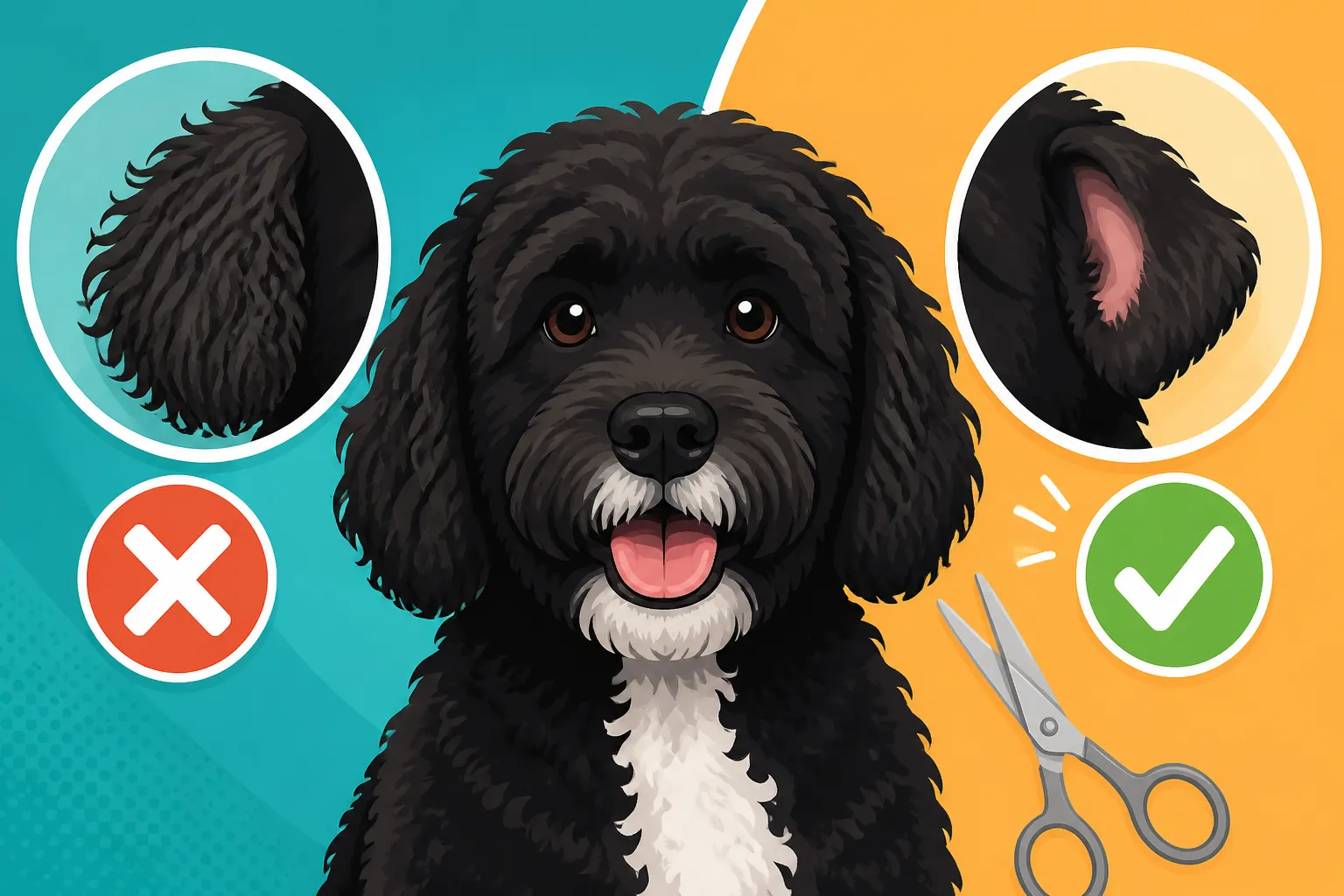
For many Portuguese Water Dog owners, trimming or scissoring the ear hair is a happy medium between full plucking and doing nothing at all. This method involves using blunt-nosed scissors or electric clippers with a very short blade to carefully trim the hair that is visible around the entrance to the ear canal and on the underside of the ear flap. The key here is trimming, not removing the hair from deep within the canal. The goal is to reduce the bulk of the hair, allowing for better airflow into the ear without irritating the sensitive skin of the canal itself. This approach can be particularly beneficial for PWDs with very dense external ear hair that naturally flops down and seals off the canal opening.
When performing trimming, extreme caution is paramount. The skin of the ear is very thin and easily cut, so always use specialized grooming scissors with rounded tips or clippers designed for delicate areas. If you're using clippers, be sure to pull the ear skin taut and keep the blade parallel to the ear canal opening to avoid accidental nicks. Many professional groomers are skilled at this technique and can show you how to do it safely at home, or you can opt to have them do it regularly. This method, combined with diligent cleaning and drying, can often be enough to manage ear health for many PWDs. It maintains a natural barrier against debris while still promoting better ventilation. This is particularly helpful for managing Whether a Portuguese Water Dog Gets Ear Infections without resorting to more invasive methods.
Consulting Your Vet and Professional Groomer
When it comes to the nuanced care of your Portuguese Water Dog's ears, it’s always best to have a team on your side. Your veterinarian and a professional groomer experienced with the breed are invaluable resources. They can provide tailored advice, demonstrate proper techniques, and intervene when problems arise, ensuring your PWD enjoys healthy, comfortable ears throughout their life.
When to Seek Professional Advice
Any time you notice changes in your Portuguese Water Dog's ears, it’s a cue to contact your veterinarian. Signs like excessive head shaking, persistent scratching at the ears, a foul odor emanating from the ear, redness or swelling, discharge (especially if it’s yellow, green, or black), or your dog showing pain when you touch their ears, are all indicators of a potential ear infection or other issue. Don't try to self-diagnose or treat severe symptoms at home; many ear problems require specific medications and a proper diagnosis to avoid worsening the condition. An early visit to the vet can prevent a minor issue from becoming a chronic, painful, and expensive problem. They can diagnose the type of infection (bacterial, yeast, mites, etc.) and prescribe the correct course of treatment.
Furthermore, if you're unsure about whether to pluck, trim, or simply clean your PWD's ear hair, your vet is the best person to consult. They can examine your dog's individual ear anatomy, assess their history of ear infections, and make a recommendation based on what’s best for your particular dog. Some dogs truly benefit from occasional plucking under veterinary supervision, while for others, it's completely unnecessary and potentially harmful. Your vet can provide clear, evidence-based guidance, dispelling any myths or conflicting advice you might have encountered online or from other owners. They might also suggest dietary changes or supplements to support overall skin and ear health, linking to the idea of quality nutrition that brands like Ollie strive for in their pet food offerings. This professional perspective is crucial for making informed decisions about What Care a Portuguese Water Dog Needs Its Whole Life.
Finding a PWD-Experienced Groomer
A skilled, professional groomer who has experience with Portuguese Water Dogs is another critical partner in maintaining ear health. PWDs have unique grooming needs, and their ears are no exception. A good groomer understands the intricacies of their coat type, the sensitivity of their ears, and the best practices for managing ear hair without causing trauma. They can safely trim hair around the ear canal, as discussed, and can also teach you how to do basic cleaning and drying at home effectively. They'll have the right tools and techniques to perform these tasks efficiently and comfortably for your dog.
When choosing a groomer, don't be afraid to ask specific questions about their experience with Portuguese Water Dogs and their approach to ear hair. Ask if they pluck, trim, or simply clean, and why they choose their method. A reputable groomer will be transparent and happy to discuss their practices. They can also spot early signs of ear problems during routine grooming sessions, like excessive wax buildup or a change in ear odor, and advise you to consult your vet. Building a relationship with a groomer who understands the breed's specific needs, including The Clip You Choose Decides a Portuguese Water Dog's Grooming Bill and overall health, can save you a lot of worry and ensure your PWD's ears are always in the best possible condition. They're not just about making your dog look good; they're an important part of your dog's health maintenance team.
Disclaimer
This article is for general informational purposes only and does not constitute professional advice. Laws, prices and regulations vary by location and change over time. Consult a qualified professional for guidance on your specific situation.