What an Adult Portuguese Water Dog Should Weigh
It's surprisingly easy for an adult Portuguese Water Dog's weight to sneak up on you, or even dip too low, hidden beneath that wonderful, dense coat. Many PWD owners find themselves wondering if their beloved companion is at a healthy weight, especially when a quick visual check can be so misleading. This comprehensive guide will walk you through what an ideal weight looks like for your adult Portuguese Water Dog, how to assess it accurately, and strategies to maintain their optimal health and vigor throughout their life.
Understanding the Breed Standard for Weight
When you first bring home a Portuguese Water Dog, you might focus on their adorable puppy antics or their future swimming prowess. But as they grow into adults, one of the most fundamental aspects of their health is their weight. It's not just about a number on a scale; it’s about their overall body composition and condition, which directly impacts their mobility, energy, and long-term well-being. The breed standard provides a helpful starting point, giving us a general framework to understand what a healthy adult PWD should weigh.
Male vs. Female Weight Ranges
Just like people, male and female Portuguese Water Dogs have different typical weight ranges, largely due to variations in bone structure and muscle mass. These ranges are established within the breed standard to provide a guideline for breeders, judges, and owners alike. For males, the generally accepted weight range falls between 42 and 60 pounds (approximately 19 to 27 kilograms). Females, being slightly smaller and more delicate in build, typically weigh between 35 and 50 pounds (around 16 to 23 kilograms).
It's crucial to remember that these are ranges, not strict targets. A male PWD at 58 pounds might be perfectly healthy and lean, while another at 45 pounds could also be in excellent condition, simply built on the lighter side. The same applies to females. These figures represent the ideal parameters for a dog bred to work and move efficiently, emphasizing agility and endurance over bulk. Owners often find themselves checking these numbers, especially when their dog is growing, to ensure they're on the right track.
The Importance of Body Condition Score
While the scale gives you a number, a body condition score (BCS) gives you a much more accurate picture of your Portuguese Water Dog's health. Think of it like this: a tall, lean person might weigh the same as a shorter, more muscular person, but their body compositions are entirely different. The same goes for dogs. A PWD's dense, often curly or wavy coat can be incredibly deceptive, hiding both excess weight and thinness. You might look at your dog and think they're fine, only to discover a layer of fat or prominent bones once you get your hands on them.
A BCS involves both visual assessment and palpation (feeling with your hands) to evaluate fat deposits and muscle mass. Most veterinarians use a 5-point or 9-point scale. On a 5-point scale, a score of 3 is ideal, meaning your dog is lean with easily palpable ribs and a visible waist. A 9-point scale would aim for a 4 or 5. Regularly performing a BCS check on your PWD helps you look beyond the fluff and truly understand their physique. It's a skill that pays dividends in preventive health care, allowing you to catch changes early.
Factors Influencing a Portuguese Water Dog's Weight
An adult Portuguese Water Dog's weight isn't a static number; it's a dynamic reflection of several interconnected factors. Understanding these elements is key to proactively managing your dog's health and ensuring they remain within a healthy range throughout their life. It's not just about what's in the food bowl, but also about their inherent genetic makeup and how much they move their amazing bodies.
Genetics and Lineage
Just like in human families, genetics play a huge role in determining your Portuguese Water Dog's natural build and predisposition to certain weights. Some lines naturally produce larger, more heavily boned dogs, while others are known for their finer, more athletic frames. This isn't about being "overweight" or "underweight" by default; it's about the inherent blueprint passed down from their parents and generations before them. If you've ever seen siblings from the same litter looking quite different in size and build, you've witnessed genetics at play.
Responsible breeders often have a good understanding of the typical size and structure of the dogs in their lines. They aim to breed dogs that conform to the breed standard, which includes appropriate size and weight for their sex. If you acquired your PWD from a reputable breeder, discussing the average weight and build of their parent dogs can give you a valuable insight into what your own dog's adult weight might settle at. It’s important not to compare your PWD rigidly to every other PWD you see, as individual genetic variations are normal and expected.
Activity Level and Energy Expenditure
Portuguese Water Dogs are an active, working breed, and their history on fishing boats means they were built for endurance and high energy. Naturally, a dog that spends its days actively swimming, retrieving, and running will have different caloric needs and maintain a different body composition than one that enjoys a more sedentary life. How Much Exercise a Portuguese Water Dog Needs is a topic we delve into often, and it's directly tied to their weight.
Consider a PWD who regularly participates in dock diving competitions or accompanies their owner on long hikes and swims. This dog will burn a significant number of calories daily, requiring a robust diet to fuel their activities and maintain lean muscle mass. Their body will likely be trim and muscular. On the other hand, a PWD who gets only short walks around the block and spends most of its time lounging might easily accumulate excess weight if their caloric intake isn't adjusted downwards. Without sufficient outlets for their energy, not only will they gain weight, but they may also develop behavioral issues. Adjusting food intake to match their energy output is critical; you can't feed a couch potato the same diet as a canine athlete.
Diet and Nutrition Quality
What goes into your Portuguese Water Dog's bowl is perhaps the most direct and controllable factor influencing their weight. The quality, caloric density, and portion size of their food are paramount. Not all dog foods are created equal, and simply filling the bowl without thought can quickly lead to problems. Many commercial dog foods are perfectly adequate, but their caloric content can vary widely.
If your PWD is maintaining a healthy weight, look for high-quality dog food formulas from brands that offer balanced nutrition. For very active PWDs, you might consider foods specifically formulated for "active" or "performance" dogs, which are typically higher in protein and healthy fats. Some owners explore fresh food options, like those offered by Ollie, which can be precisely portioned and formulated to specific caloric needs. The key is to avoid overfeeding and to choose food that provides appropriate nutrients without excessive fillers. Treats also contribute significantly to daily caloric intake. A handful of small training treats throughout the day might seem insignificant, but they can quickly add up, especially if your PWD is on the smaller side or less active. Always measure your dog's food rather than free-pouring, as even a small difference each day can lead to significant weight changes over time.
How to Accurately Assess Your Portuguese Water Dog's Weight
Given the PWD's magnificent, dense coat, simply looking at them often isn't enough to get an accurate picture of their body condition. It's a common frustration for owners! What looks like a perfectly proportioned dog might be hiding an extra five pounds, or perhaps be a bit too lean. Learning how to properly assess your dog's weight involves more than just stepping on a scale. It requires a hands-on approach and a keen eye for the subtle clues their body provides, even under all that glorious fur.
The Rib and Waist Test
This is arguably the most important at-home assessment you can perform, and it’s wonderfully straightforward. The rib and waist test, part of the body condition scoring system, allows you to feel what you can't always see. To perform it, you'll need to get your hands on your dog, gently but firmly.
First, feel for their ribs. Place both hands on your dog's chest, just behind their shoulders. With gentle pressure, run your palms over their rib cage. You should be able to feel each individual rib, much like feeling the knuckles on your hand, without having to press hard. If you can't feel the ribs easily without digging, your PWD might be carrying too much weight. Conversely, if their ribs feel very prominent, like feeling the back of your hand, and you can see them clearly without much effort, they might be underweight. The ideal is to feel them distinctly, but with a slight covering of fat and muscle.
Next, check their waist. After assessing the ribs, move your hands back towards their hindquarters, feeling for a tuck-up. From above, when your dog is standing, you should ideally see a distinct waistline where the body narrows after the rib cage, before widening slightly over the hips. From the side, their abdomen should tuck up slightly rather than hanging straight down. For a PWD, this visual might be obscured by their coat, which is why the tactile check is so important. Running your hands along their sides and gently squeezing will help you identify if that waist is truly there beneath the hair. How to Feel a Portuguese Water Dog's Ribs Under the Coat goes into more detail on this technique.
Regular Vet Check-ups and Professional Assessment
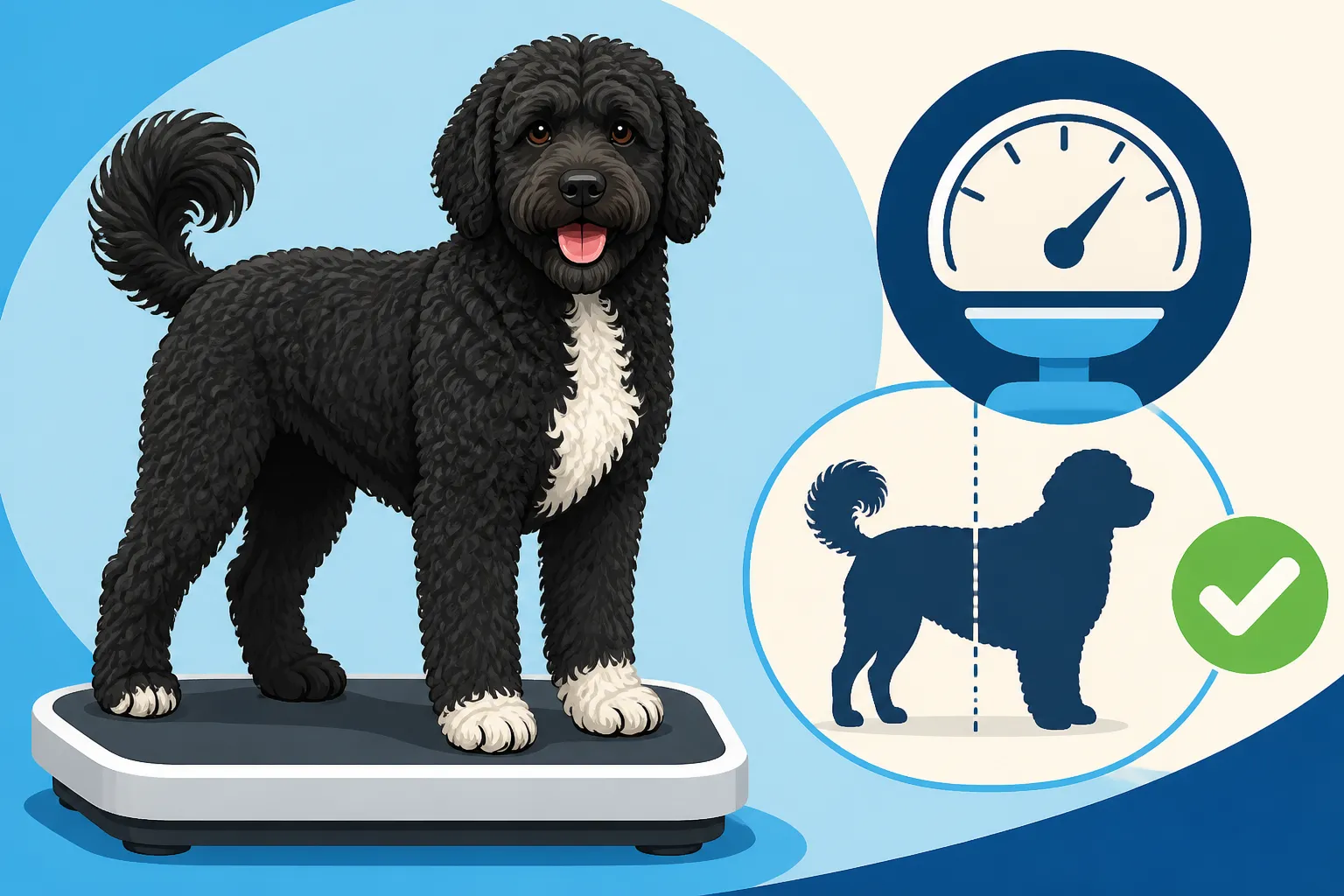
While your at-home checks are invaluable, there's no substitute for regular veterinary check-ups. Your veterinarian has the expertise and tools to provide a professional assessment of your Portuguese Water Dog's weight and overall health. During routine visits, your vet will likely weigh your dog on a specialized scale and perform a thorough physical examination, including a professional body condition score.
These visits are crucial because vets can identify subtle changes that might be missed at home. They can also correlate weight with other health indicators, such as joint health, cardiovascular function, and energy levels. If your PWD is gaining or losing weight unexpectedly, your vet can investigate underlying medical conditions that might be contributing, such as thyroid issues or gastrointestinal problems. They can also offer tailored advice on diet and exercise specific to your dog's age, activity level, and any pre-existing health conditions. For instance, if your PWD is predisposed to joint issues, maintaining an ideal weight is even more critical, and your vet can provide guidance on specific foods or supplements. How Often a Portuguese Water Dog Needs a Wellness Exam is a good resource on the importance of these routine visits.
Here's a quick reference table for general weight and body condition:
| Category | Male PWD Weight Range (approx.) | Female PWD Weight Range (approx.) | Body Condition Score (BCS) | Key Indicators (Feel & See) |
|---|---|---|---|---|
| Ideal | 42-60 lbs (19-27 kg) | 35-50 lbs (16-23 kg) | 3/5 or 4-5/9 | Ribs easily felt, distinct waist, abdomen tucked. |
| Underweight | Below range | Below range | 1-2/5 or 1-3/9 | Ribs, spine, hip bones easily visible/prominent, no fat cover. |
| Overweight | Above range | Above range | 4-5/5 or 6-9/9 | Ribs difficult to feel, no waist, rounded abdomen, fat deposits. |
The Risks of Underweight and Overweight PWDs
Maintaining an ideal weight for your Portuguese Water Dog isn't just about aesthetics; it's fundamental to their health, longevity, and quality of life. Both being underweight and overweight carry significant health risks that can impact everything from their daily comfort to their susceptibility to serious diseases. As a proactive owner, understanding these risks can motivate you to keep a close eye on your PWD's physique, ensuring they can enjoy their active lives to the fullest.
Health Concerns for Underweight Dogs
While less common than overweight issues in pet dogs, being underweight can be just as serious for a Portuguese Water Dog. An underweight PWD may not have sufficient energy reserves or muscle mass, impacting their ability to engage in the activities they love. Think about a working PWD: they need strength and stamina. If a dog is too thin, they'll struggle.
One major concern is a weakened immune system. Dogs that are underweight often have compromised immune function, making them more susceptible to infections and illnesses. Their bodies simply don't have the resources to fight off pathogens effectively. Another issue is a general lack of energy and stamina. An underweight PWD might seem lethargic, struggle to keep up on walks, or lose interest in playtime. This is particularly noticeable in a breed known for its boundless energy and love for activity. Furthermore, muscle loss can occur, leading to weakness and increased vulnerability to injuries. Joint pain can even be exacerbated in very thin dogs because there's less muscle and fat to cushion their joints. It can also be a symptom of underlying health issues like parasites, malabsorption problems, or metabolic diseases, which is why veterinary investigation is crucial if you notice unintentional weight loss. Signs a Portuguese Water Dog Puppy Is Not Thriving touches on similar concerns in younger dogs.
Health Concerns for Overweight Dogs
The risks associated with an overweight Portuguese Water Dog are extensive and unfortunately, very common. It's easy for an extra few pounds to creep on, especially if their exercise dips or their diet isn't carefully managed. However, those extra pounds put immense strain on their bodies.
Perhaps the most recognized issue is increased stress on joints. Overweight PWDs are at a much higher risk for developing or worsening conditions like hip and elbow dysplasia, arthritis, and cruciate ligament injuries. Their strong, athletic build is designed to carry a specific weight efficiently; exceeding that puts undue pressure on their ligaments and cartilage, leading to pain and reduced mobility. Hip Dysplasia in a Portuguese Water Dog and Elbow Dysplasia in a Portuguese Water Dog are real concerns that are amplified by excess weight.
Beyond joint problems, obesity significantly contributes to heart disease and high blood pressure, shortening their lifespan. The extra fat tissue isn't just inert; it's metabolically active, producing inflammatory hormones that negatively impact overall health. Overweight dogs also have a higher risk of developing diabetes, certain types of cancer, and respiratory problems, particularly in warmer weather as they struggle to regulate their body temperature. Even simple daily tasks, like grooming, can become more difficult. It's a sad reality that overweight dogs often have a lower quality of life, less energy, and a significantly reduced The Twelve to Fifteen Years a Portuguese Water Dog Gets. It's a testament to the fact that while we love to spoil our dogs, true love means keeping them healthy.
Maintaining an Ideal Weight Through Diet and Exercise
Achieving and maintaining an ideal weight for your adult Portuguese Water Dog is a continuous journey that requires a balanced approach to both what they eat and how much they move. It’s not about quick fixes or extreme measures, but rather consistent, thoughtful management. Given their intelligence and activity drive, this can actually be a fun and engaging process for both of you!
Tailoring Diet to Activity Level
The most effective way to manage your PWD's weight through diet is to tailor their food intake directly to their daily activity level. There's no one-size-fits-all feeding guide for Portuguese Water Dogs, even within the same weight range. A dog that's training for water trials or doing daily long runs needs significantly more calories than a companion PWD whose main exercise is a couple of leisurely walks. Feeding an Athletic Portuguese Water Dog is a whole different ballgame!
Start by consulting the feeding guidelines on your chosen dog food, but consider them as just a starting point. If your dog is highly active, you might find yourself feeding towards the higher end of the recommended range, or even needing a high-performance formula. For a less active dog, you'll likely need to feed less than the average recommendation to prevent weight gain. It's also important to factor in treats. Those little rewards add up! If you're using a lot of treats for training, consider reducing their meal portions slightly or using very low-calorie options. Some owners use parts of their dog's daily kibble allowance as training treats. Companies like Chewy or Amazon offer a wide variety of dog food options, including specific formulas for different activity levels, and you can often find low-calorie training treats there too. Consistency is key: feed at regular times and measure portions accurately using a dedicated scoop or kitchen scale.
Incorporating Sufficient Exercise and Mental Stimulation
Diet control is only half the equation; exercise and mental stimulation complete the picture. Portuguese Water Dogs are not content to be solely lapdogs; they thrive on activity and having a "job" to do. Without sufficient physical and mental outlets, they can become bored, destructive, and yes, prone to weight gain.
Regular, vigorous exercise is non-negotiable for a PWD. This doesn't just mean a short walk around the block. They need opportunities to run, swim, and retrieve. Daily long walks, runs, or off-leash play in a safe, fenced area are essential. Swimming is a fantastic, low-impact exercise that PWDs naturally excel at and often adore. It works all their muscles without the concussive force on their joints, making it ideal for maintaining a lean, athletic build. Why Swimming Protects a Portuguese Water Dog's Joints is a great read on this. If you don't have access to open water, even regular trips to a dog-friendly pool or hydrotherapy center can make a huge difference.
Beyond physical exercise, mental stimulation is equally important. These are intelligent dogs who need to use their brains. Incorporate training sessions, puzzle toys, scent work, or even dog sports like agility or rally. A mentally tired PWD is often a happier, more settled PWD, and less likely to engage in bored eating or destructive behaviors that can indirectly impact their weight. Varied activities ensure they're using different muscle groups and staying engaged, which contributes to a robust metabolism and overall health.
Special Considerations for PWD Weight Management
While the general principles of diet and exercise apply to all dogs, Portuguese Water Dogs come with a few unique considerations that can make weight management a bit more nuanced. Their specific breed characteristics, from their life stages to their distinctive coat, require a bit more attention and understanding from their owners.
Age-Related Weight Changes
A Portuguese Water Dog's weight needs will change significantly throughout their life, from puppyhood through their senior years. A growing puppy, for instance, requires a calorie-dense diet to support rapid development, but it's crucial they don't grow too quickly, which can put strain on developing joints. Monitoring What a Portuguese Water Dog Puppy Should Weigh by Month is vital in their first year. As they mature into adulthood, usually around 12 to 18 months, their growth slows, and their caloric needs will typically decrease from their puppy levels. This is a critical time to transition to an adult formula and adjust portion sizes to prevent early weight gain.
As your PWD enters their senior years, usually around age 7 or 8, their metabolism will naturally slow down, and their activity levels may decrease. The Age a Portuguese Water Dog Is Considered Senior can vary, but these physiological changes mean they'll need fewer calories to maintain their weight. Continuing to feed them the same amount of food as their younger, more active selves can quickly lead to unwanted weight gain. You might need to switch to a senior-specific dog food, which often has fewer calories and sometimes includes joint-supporting supplements. Caring for an Aging Portuguese Water Dog means being extra vigilant about their weight, as excess pounds can severely exacerbate age-related joint pain and reduce their overall mobility and comfort in their golden years. Regular weigh-ins and veterinary checks become even more important.
The Unique Challenge of the PWD Coat
We've touched on it before, but it bears repeating: the Portuguese Water Dog's iconic curly or wavy coat is absolutely gorgeous, but it's also a master of disguise when it comes to body condition. This dense, non-shedding coat can effectively hide both significant weight gain and weight loss, making visual assessment incredibly difficult. You might think your PWD looks perfectly plump and healthy, only to feel their ribs and realize they're actually quite lean, or vice versa.
This means you can't rely solely on your eyes. You absolutely must rely on your hands. The rib and waist test isn't just a suggestion for PWD owners; it's an essential, non-negotiable part of their regular care routine. By getting your hands on your dog and feeling for their ribs, spine, and waistline at least once a week, you can detect changes in their body condition long before they become visible to the naked eye. This tactile approach helps you adjust their diet and exercise proactively, preventing problems from escalating. Furthermore, their coat itself can affect weight-related issues. For example, if an overweight PWD is less active, their coat might also become prone to matting in areas like the armpits or groin due to reduced movement and self-grooming. This reinforces the need for diligent grooming alongside weight management. This challenge is precisely why understanding How a Portuguese Water Dog's Coat Hides Weight Loss is so important.
Disclaimer
This article is for general informational purposes only and does not constitute professional advice. Laws, prices and regulations vary by location and change over time. Consult a qualified professional for guidance on your specific situation.