Whether a Curly Portuguese Water Dog Is Harder to Dry
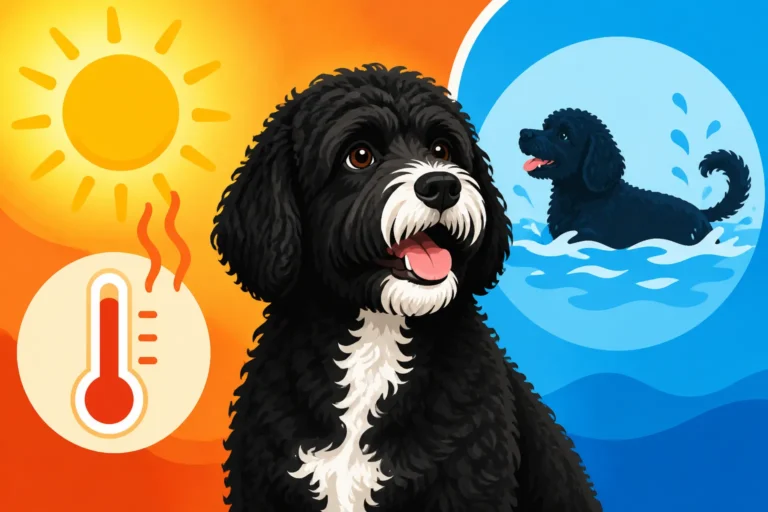
If you're a Portuguese Water Dog owner, you already know their magnificent, water-resistant coat is a double-edged sword: fantastic for swims, but a real challenge when it comes to drying. Many of us wonder if the curly-coated PWDs are somehow more difficult to dry than their wavy-coated siblings, and the short answer is often a resounding yes. This guide will dive deep into why that is and how you can tackle the arduous task of drying your curly Portuguese Water Dog effectively to keep them happy, healthy, and mat-free.
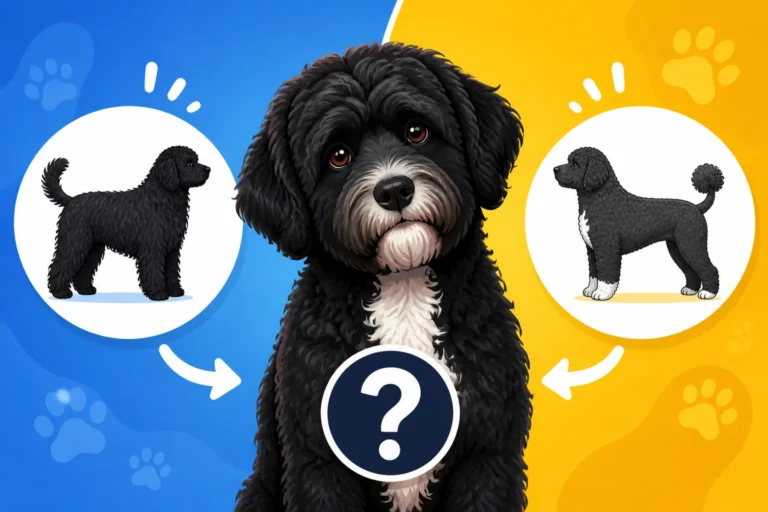
Understanding the Portuguese Water Dog Coat Types
The Portuguese Water Dog is renowned for its distinctive, single coat, designed by nature for life in the water. Unlike many breeds with a double coat that sheds extensively, the PWD has hair that continuously grows, which is why they're often considered a good choice for allergy sufferers. But within this single-coat umbrella, there are two primary textures: curly and wavy. While both are beautiful and functional, they present different grooming challenges, especially when it comes to drying after a vigorous swim or bath.
The Intricacies of the Curly Coat
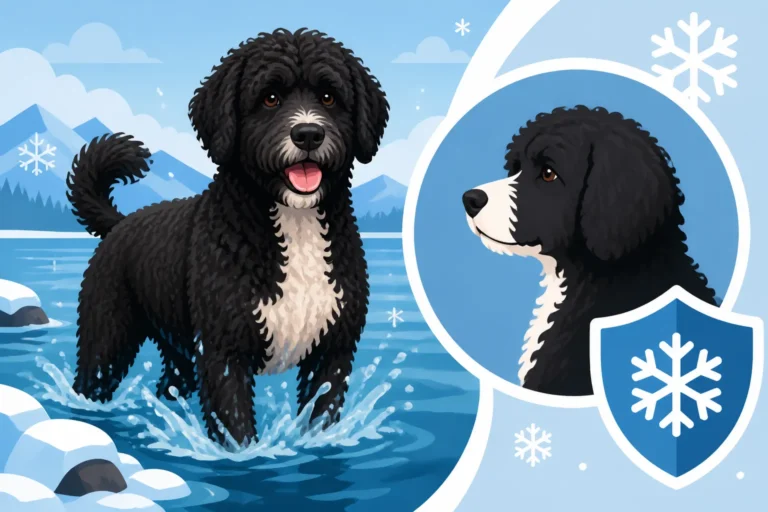
A curly Portuguese Water Dog's coat is characterized by tight, cylindrical curls that cover the entire body. Think of it like a dense, woolly fleece. This texture is fantastic for repelling water when the dog is actively swimming, as the curls create a barrier that prevents water from soaking straight through to the skin. However, once that barrier is breached, or the dog is thoroughly saturated, those tight curls become an incredibly efficient trap for moisture. Each curl acts like a tiny sponge, holding onto water molecules and making it incredibly difficult for air to circulate and evaporate the moisture. This density means that water can linger deep within the coat, right down to the skin, for hours if not properly dried. It’s a bit like trying to dry a thick, damp wool sweater compared to a thin cotton t-shirt. The curly coat's structure, while offering excellent insulation in water, inherently slows down the drying process on land. You can explore more about these distinct textures in Curly or Wavy: the Two Portuguese Water Dog Coats.
Why Thorough Drying is Non-Negotiable for Health
Beyond the obvious discomfort of a damp dog lounging on your furniture, neglecting to thoroughly dry your Portuguese Water Dog, especially one with a curly coat, can lead to a host of health and coat issues. Moisture trapped against the skin creates a warm, humid environment – a perfect breeding ground for bacteria and yeast. This can quickly manifest as skin irritations, hot spots, or even more persistent fungal infections. Think about how easily you might get a rash if your swimsuit stays wet for too long after swimming; your PWD experiences something similar, but with a much denser, furrier layer involved. Furthermore, damp curls are a mat magnet. As the water evaporates slowly, the curls tighten and can felt together, forming painful, skin-pulling mats that are incredibly difficult to remove without professional intervention or even shaving. These mats don't just look bad; they can cause skin infections, restrict movement, and become a significant source of discomfort for your beloved companion. Understanding Why a Portuguese Water Dog's Coat Holds Water highlights why this is such a critical step in their care routine.
The Challenges of Drying a Curly Coat
Let's be honest: drying a curly Portuguese Water Dog isn't a quick wipe-down. It's a commitment. Many owners, especially those new to the breed, are often surprised by the sheer amount of time and effort it takes to get their PWD truly dry, from skin to tip. This isn't a knock on the breed; it's just a reality of their magnificent coat.
The Battle Against Matting and Skin Issues
The tight, dense nature of the curly PWD coat means that even seemingly minor dampness can lead to major matting. Imagine brushing your own curly hair when it's damp and tangled – it snags, pulls, and can be frustrating. Now amplify that by several thousand individual curls, all prone to clinging to each other. If water is allowed to sit in the coat, particularly near friction points like behind the ears, under the collar, in the armpits, and around the tail, mats will form rapidly. These mats become tighter and more painful as the hair continues to grow. These matted areas, being perpetually damp and lacking air circulation, are also prime real estate for yeast and bacterial infections. Owners often report a "wet dog smell" that lingers even hours after a swim; this is often an indication that the coat is not thoroughly dry at the skin level, and it’s a precursor to potential skin problems like hot spots. Where a Portuguese Water Dog Mats First gives great insight into these trouble spots.
The Time Commitment Is Real
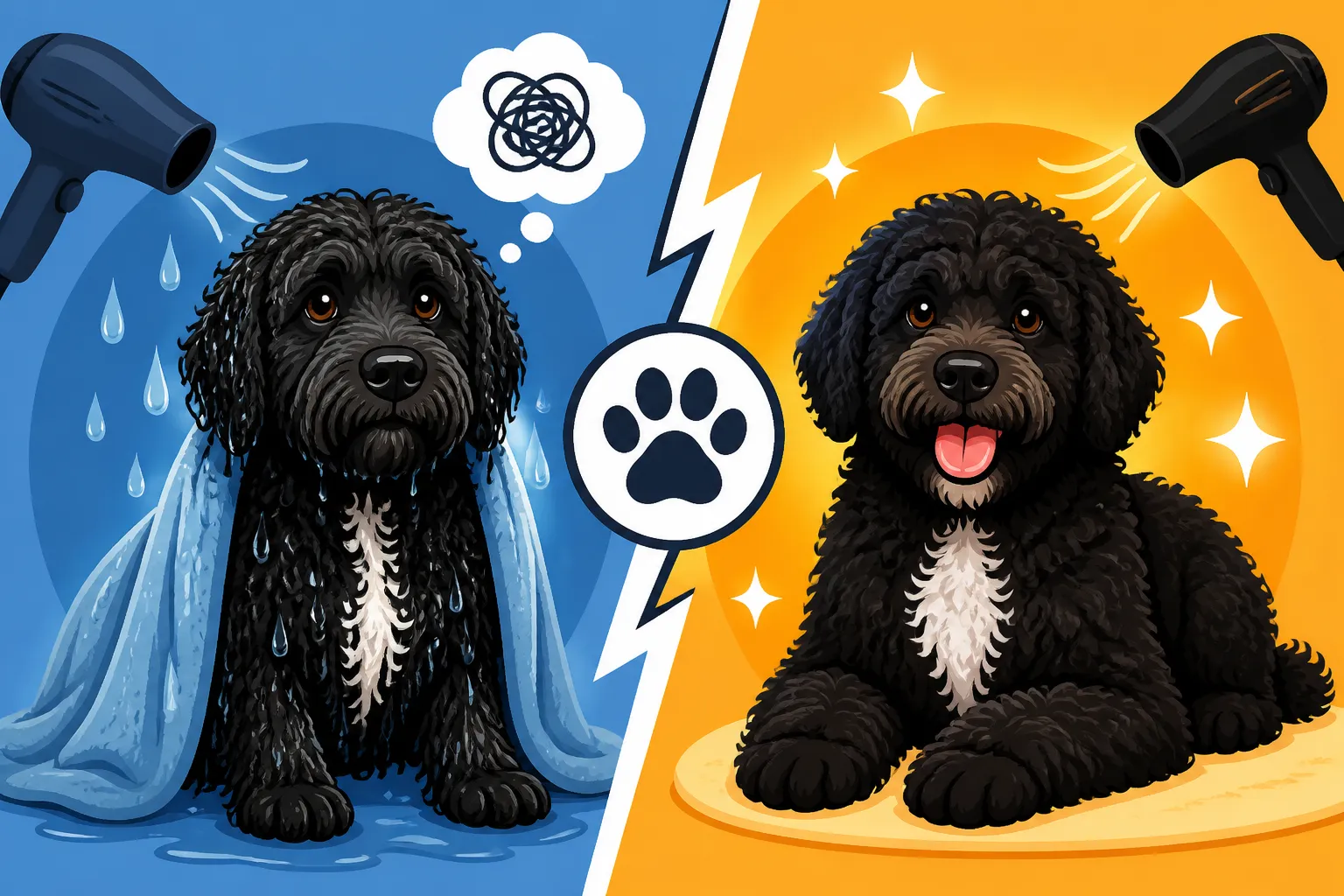
There's no sugar-coating it: properly drying a curly Portuguese Water Dog can take a significant amount of time. Depending on the density of their coat, their size, and how wet they are, you could easily be looking at an hour or more of dedicated drying time for a thorough job. This isn't just about surface dryness; it's about ensuring every layer of that dense curl is dry right down to the skin. Many well-meaning owners make the mistake of thinking a quick towel rub and some air-drying will suffice, only to find their dog still damp hours later, leading to that unpleasant damp dog odor or even worse, hidden mats. This time commitment is a crucial factor to consider when planning activities like swimming or even regular baths. You simply cannot rush this part of their care. You'll often find yourself spending a good chunk of time on this task, as explored further in How Long Home Grooming a Portuguese Water Dog Takes Weekly.
| Coat Type | Drying Difficulty | Time to Dry (Approx.) | Matting Risk (Damp) | Skin Irritation Risk | Air Circulation |
|---|---|---|---|---|---|
| Curly | High | 60-90+ minutes | Very High | High | Low |
| Wavy | Medium-High | 45-75 minutes | High | Medium-High | Medium |
Proven Techniques for Efficient Drying
Since a curly Portuguese Water Dog's health and comfort hinge on proper drying, mastering efficient techniques is essential. It's not just about speed, but about thoroughness and preventing future problems.
Pre-Drying Prep: Towels and Squeeze
The drying process really begins the moment your PWD exits the water. Don't underestimate the power of effective pre-drying. First, let your dog shake off as much water as possible. Encourage it, make it a game if they're not naturally inclined. Then, immediately go in with highly absorbent towels. Microfiber towels are excellent for this, as they can soak up significantly more water than regular cotton towels. Don't just rub haphazardly; instead, use a squeezing motion. Press the towel firmly against sections of the coat, gently squeezing the water out. Focus on areas that tend to hold the most water, like the chest, belly, and legs. This physical removal of excess water before you even think about a dryer can cut your total drying time substantially. The more water you can get out manually, the less work your dryer has to do. This crucial first step is detailed in Drying a Portuguese Water Dog After Every Swim.
The Power of a Force Dryer
For a curly Portuguese Water Dog, a high-velocity force dryer (often called a "blaster" dryer) is not a luxury; it's a necessity. These aren't like human hairdryers; they use powerful, unheated or low-heated air to literally blast water out of the coat. The force of the air separates the curls, allowing the air to reach the skin and push the water away, rather than just evaporating it slowly.
Here's how to use one effectively:
- Introduce Gradually: Many dogs are initially wary of the noise and sensation. Start on a low setting, away from their face, and reward calm behavior. Some owners use treats from Chewy to make this a positive experience.
- Section by Section: Work in sections, starting from the back of the dog and moving forward. Direct the nozzle towards the skin, lifting the coat as you go. You'll literally see the water flying off.
- Line Drying: As you dry, use the force dryer to create "lines" in the coat, working against the growth direction to ensure you're getting air right down to the skin. Follow up with a slicker brush immediately after drying a section to prevent tangles from reforming as the hair dries.
- Eyes and Ears: Be extra gentle around the face and ears. You might want to use a lower setting or switch to a handheld human dryer (on a cool setting!) for these sensitive areas, or even just towel dry these parts thoroughly. Remember that Whether a Portuguese Water Dog Tolerates a Dryer depends heavily on early introduction and positive reinforcement.
A force dryer drastically reduces drying time, helps prevent matting by separating the hairs, and ensures the skin gets completely dry, mitigating the risk of skin infections.
Finishing Touches and Regular Maintenance
Once your PWD is mostly dry with the force dryer, you can switch to a regular stand dryer or even let them air-dry in a warm, draft-free room for the last few minutes. However, the work isn't quite done. A thorough line-brushing session immediately after drying is paramount. Use a good quality slicker brush and a metal comb. Start at the bottom of the leg or flank, part the hair, and brush in small sections, working your way up and across the body. The goal is to ensure the comb can glide smoothly through the entire coat from skin to tip, indicating no hidden tangles or mats. This meticulous approach is also how you'll handle How Often a Portuguese Water Dog Needs Brushing between baths and swims. Regular, consistent brushing, even when your PWD hasn't been wet, is key to preventing mats from forming in the first place, making future drying sessions much easier.
Tools and Products That Make a Difference
Having the right arsenal of tools can transform the daunting task of drying a curly Portuguese Water Dog into a manageable routine. Investing in quality equipment is a worthwhile expenditure that pays off in your dog's health and your own sanity.
Essential Grooming Equipment
Your grooming kit for a curly PWD should include more than just a towel.
- High-Velocity Force Dryer: As mentioned, this is the most critical tool. Brands like K-9 II or B-Air are popular choices among professional groomers and serious PWD owners for their power and durability. You can often find a good selection of these on Amazon or specialty pet supply sites.
- Absorbent Towels: Microfiber towels are a game-changer for pre-drying. They pull water out of the coat much more efficiently than standard bath towels. Keep a stack handy!
- Slicker Brush: A sturdy slicker brush with pins long enough to reach through the dense curls to the skin is essential for line brushing and preventing mats.
- Metal Comb: A good quality, coarse/fine tooth metal comb is necessary to check your work after brushing, ensuring no mats were missed. It should glide effortlessly through the coat if it's truly tangle-free.
- Shampoo and Conditioner: Choose a high-quality, moisturizing dog shampoo that won't strip the natural oils from their coat. A good conditioner can help detangle and smooth the hair, making it easier to brush and dry. Look for products designed for curly or dense coats. Many great options are available at pet retailers like Chewy. You'll want to choose a shampoo that is suitable for their coat type, which is covered in Which Shampoo Suits a Portuguese Water Dog's Coat.
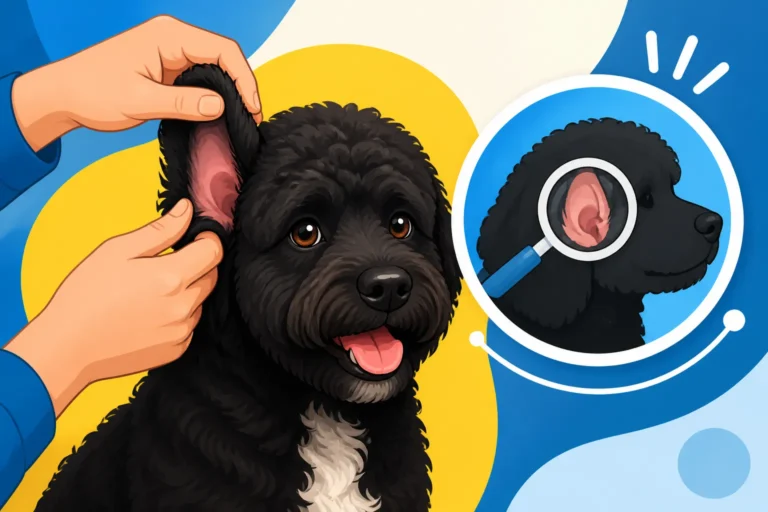
- Ear Cleaning Solution: After every swim or bath, a PWD's ears need attention. Their floppy ears and dense ear hair can trap moisture, leading to infections. A veterinarian-approved ear cleaning solution can help dry out the ear canal and prevent problems. Why a Portuguese Water Dog's Ear Canal Traps Water explains this further.
These tools, while an initial investment, will save you countless hours and potential vet bills in the long run. Thinking about What a Portuguese Water Dog's Towels and Drying Kit Cost can help you budget for these essentials.
Making Product Choices and Considerations
When selecting products, always prioritize quality. Cheap tools can break easily or be ineffective, adding to your frustration. For shampoos and conditioners, read reviews and perhaps consult with your breeder or a professional groomer for recommendations specific to the Portuguese Water Dog coat type. While Ollie focuses on fresh dog food (which contributes to overall health, including coat quality from the inside out), for external care like drying, you'll be looking at brands specializing in grooming tools and products. Both Chewy and Amazon offer a vast array of options, from force dryers to brushes, shampoos, and ear cleaners, allowing you to compare products and find what works best for your PWD and your budget. Remember to always use products specifically formulated for dogs; human products can disrupt a dog's skin pH and cause irritation.
Ultimately, dealing with a curly Portuguese Water Dog's coat, especially after it's wet, requires patience, consistency, and the right tools. While they may take longer to dry than their wavy-coated counterparts, with a solid routine and the right equipment, you can keep your PWD's coat in beautiful, healthy condition, ready for their next adventure!
Disclaimer
This article is for general informational purposes only and does not constitute professional advice. Laws, prices and regulations vary by location and change over time. Consult a qualified professional for guidance on your specific situation.