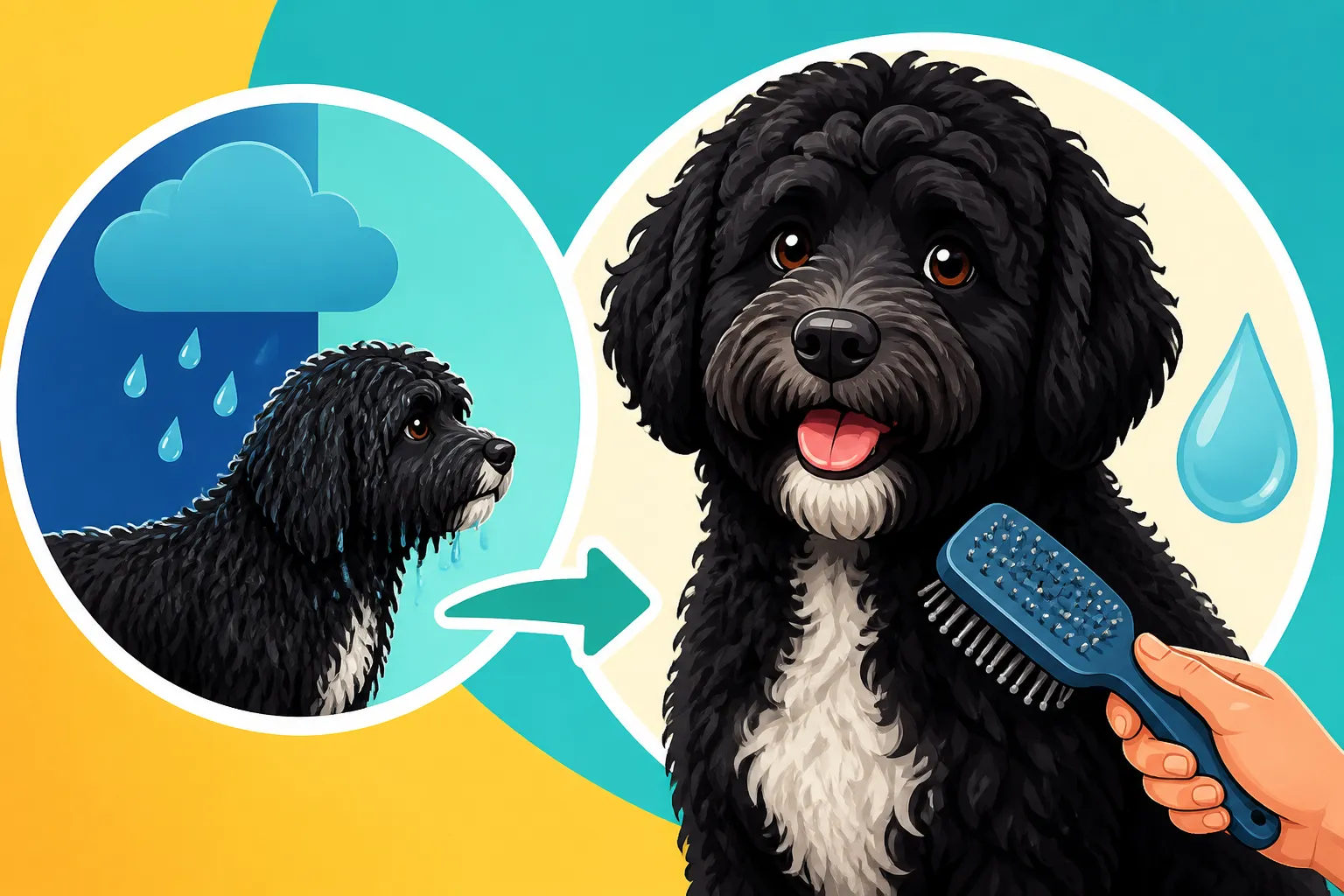
When a Portuguese Water Dog Should Be Brushed Damp
If you're a Portuguese Water Dog owner, you've probably faced the struggle: that beautiful, water-loving coat that's either a dream to run your hands through or a frustrating maze of tangles and mats. One common question that often comes up in our community is when—and why—you should consider brushing your Portuguese Water Dog's coat when it's damp, not bone dry. This guide will walk you through exactly when and how to implement this game-changing grooming technique to keep your PWD's coat healthy, happy, and mat-free.
Understanding the Portuguese Water Dog's Unique Coat
Before we dive into when to brush damp, it’s essential to appreciate what makes a Portuguese Water Dog's coat so special. Unlike many double-coated breeds, PWDs have a single coat that comes in two distinct types: curly or wavy. This unique structure, reminiscent of a human's hair, is precisely why it's considered hypoallergenic and sheds minimally. However, what makes it so wonderful also makes it highly susceptible to matting.
The individual hairs of a Portuguese Water Dog's coat don't shed in the traditional sense; instead, they continue to grow and can easily intertwine with each other and with the loose, dead hairs that naturally fall out. When these hairs get wet, they tend to clump together. As the coat dries, these clumps can tighten, forming stubborn knots and mats that can be incredibly painful to remove if left unchecked. This is especially true if you have a dog with a dense, curly coat, which often feels like it's designed to grab onto every stray leaf, piece of debris, or shed hair. You might find it helpful to read What a Portuguese Water Dog's Coat Is Made Of to understand the full picture of their unique hair type.
The Disadvantages of Brushing a Dry Portuguese Water Dog Coat
Many new PWD owners, and even some seasoned ones, instinctively reach for the brush when their dog's coat is completely dry. While dry brushing has its place for light, daily touch-ups on a well-maintained coat, it can often do more harm than good, especially if there's any hint of a tangle. The primary issue with dry brushing a PWD is the friction it creates.
When you drag a slicker brush or comb through dry, tangled hair, the static electricity and tension can cause the hair to snap and break. This not only damages the coat over time, leading to frizz and a less healthy appearance, but it's also genuinely uncomfortable for your dog. Imagine trying to pull a dry comb through your own snarly hair—it pulls at the roots, causing yelps and resistance. Your PWD feels the same way, leading to negative associations with grooming time. Furthermore, brushing a dry, matted coat often just skims the surface, failing to truly penetrate and loosen the undercoat, which is where the worst mats tend to form. This means you might think you're getting all the tangles out, but deeper knots are still forming, unseen until they become a big problem.
The Benefits of Brushing Your Portuguese Water Dog When Damp
Brushing a Portuguese Water Dog's coat when it's just slightly damp is a game-changer for several reasons. It turns what can be a wrestling match into a much more pleasant, and effective, grooming session for both of you. The key here is "damp," not "soaking wet." Think of it like dampening your own hair before styling or detangling.
The moisture acts as a natural lubricant, allowing the brush to glide through the coat more easily. This significantly reduces the pulling and snagging that causes discomfort and breaks hair. Dampening the coat also helps to relax the hair shafts, making them more pliable and less prone to breakage. This gentler approach means less stress for your dog and a more thorough detangling process for you. You'll find that mats and knots, even those that seemed impossible when dry, often loosen up and separate with much less effort once the coat is adequately damp. This method also helps distribute any grooming products, like detangling sprays or conditioners, more evenly throughout the coat, enhancing their effectiveness. For a deeper dive into preventing those pesky knots, consider reading Whether a Portuguese Water Dog Mats After Swimming, as this is a prime time for damp brushing.
Here's a quick comparison of why damp brushing wins for PWDs:
| Feature | Dry Brushing (Problematic for PWDs) | Damp Brushing (Ideal for PWDs) |
|---|---|---|
| Comfort | Pulls and snags, causes pain and resistance. | Glides smoothly, reduces pulling, more comfortable. |
| Effectiveness | Often superficial, can break hair, leaves deep mats. | Penetrates coat, loosens tangles, prevents breakage, thorough. |
| Coat Health | Damages hair follicles, leads to frizz and dullness. | Preserves coat integrity, promotes shine and health. |
| Product Use | Less effective distribution of sprays. | Evenly distributes detanglers and conditioners for better results. |
| Mat Prevention | Can create static, making hair clump more. | Separates hairs, reducing the likelihood of new mats forming. |
Optimal Times to Brush Your Portuguese Water Dog Damp
So, when exactly should you reach for that spray bottle? There are several key moments when damp brushing isn't just an option, but truly the most effective and kindest approach for your Portuguese Water Dog's coat.
After a Swim or Bath
This is perhaps the most crucial time to brush your PWD damp. Their ancestral heritage means they adore water, and whether it's the ocean, a lake, or your backyard pool, they're likely to dive right in. The problem, as we discussed, is how their coat clumps and tightens as it dries. If you let a PWD's coat air dry completely after a swim without any intervention, you're almost guaranteeing a severe case of matting. It's an absolute recipe for disaster that will leave you with hours of painful dematting work.
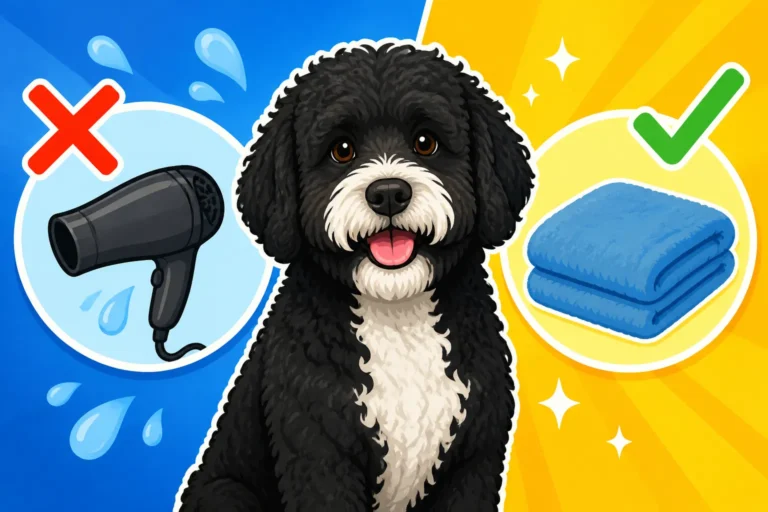
Instead, after toweling your dog thoroughly to remove excess water, and ideally following up with a force dryer to get them mostly dry, their coat will be in that perfect "damp" state. This is when you should begin your thorough brushing routine. The remaining moisture will help the brush glide through, ensuring you can remove any tangles that started forming during their aquatic adventures. Think of it as proactively tackling the problem before it hardens into an impenetrable fortress of knots. You'll be amazed at how much easier the brush runs through their fur. For more post-swim care tips, see Drying a Portuguese Water Dog After Every Swim and What to Do With a Portuguese Water Dog After a Swim.
During Regular Maintenance Grooming
Even if your PWD hasn't been swimming, damp brushing should be a regular part of their grooming schedule. For most Portuguese Water Dogs, especially those with longer coats, daily or every-other-day brushing is ideal to prevent matting. If you have a busy week and skip a few days, the chances of tangles increase dramatically.
Instead of trying to dry brush through potential tangles, a light misting with a detangling spray or plain water before each grooming session will make the process much more efficient and comfortable. Focus on areas prone to matting: behind the ears, under the legs, on the chest, and around the tail. These spots collect friction and shed hair most readily. By keeping the coat just damp, you ensure you're working with the hair, not against it, preventing breakage and ensuring a thorough job. This is particularly important for curly-coated PWDs, which can be harder to dry and more prone to matting. You can also explore How Often a Portuguese Water Dog Needs Brushing for a tailored schedule.
When Tackling Minor Tangles or Knots
We all know those little knots that seem to appear out of nowhere, even with diligent brushing. Trying to yank a comb through a dry tangle is agonizing for your dog and often makes the knot tighter. This is another prime opportunity for damp brushing.
Isolate the tangle, then liberally mist it with a detangling spray designed for dogs, or even just a bit of water. Gently work the spray into the tangle with your fingers. Let it sit for a minute or two to allow the product to penetrate and soften the knot. Then, using a slicker brush or a wide-toothed comb, slowly work from the outer edges of the tangle inward, always brushing away from the skin. The dampness combined with the detangler will help the hairs separate more easily, minimizing pain and damage. If you're wondering which areas are most susceptible, check out Where a Portuguese Water Dog Mats First.
Essential Tools and Techniques for Damp Brushing
Successful damp brushing relies on having the right tools and employing the correct technique. Don't worry, it's not complicated, but a few key steps will make all the difference.
Your Grooming Arsenal
First, gather your supplies. You'll need:
- A Spray Bottle: This is non-negotiable. Fill it with plain water or a diluted detangling conditioner.
- A Quality Detangling Spray (Optional, but Recommended): While water helps, a good detangling spray can provide extra slip and conditioning benefits. Brands widely available on platforms like Chewy or Amazon often have excellent options specifically formulated for dogs. These sprays can help to soften existing tangles and reduce static, making the brushing process much smoother.
- Slicker Brush: A high-quality slicker brush with firm but flexible pins is crucial for penetrating the dense PWD coat. You might find various options for different coat types, so explore what works best for your dog's specific curly or wavy texture.
- Steel Comb: A sturdy, wide-toothed steel comb is essential for checking your work and tackling stubborn knots that the slicker brush might miss. It helps to ensure you've reached down to the skin.
- Force Dryer (Recommended, but Optional): If brushing after a swim or bath, a force dryer gets your dog mostly dry quickly and efficiently, leaving the coat perfectly damp for brushing. This helps prevent fungal issues and hot spots that can arise from damp undercoats. If you don't have one, air drying until damp is fine, but it takes longer. For more on this, check out What a Force Dryer Does for a Portuguese Water Dog.
For specific recommendations on tools, our guide on Which Brush a Portuguese Water Dog Needs can be incredibly helpful in choosing the right equipment.
The Damp Brushing Method
Once you have your tools, follow these steps for effective damp brushing:
- Lightly Mist the Coat: Begin by lightly misting a section of your dog's coat with your spray bottle. The goal is damp, not drenched. You want the hair to feel cool and slightly heavy, but not dripping wet. If you're using a detangling spray, apply it directly to the section you're about to brush.
- Section by Section: Just like brushing long human hair, work in sections. Use your hand to part the coat, exposing the skin. Start at the bottom of a leg or flank, and work your way up and across the body. This systematic approach ensures you don't miss any areas, especially those tricky spots where mats love to hide.
- Brush from the Skin Out: Using your slicker brush, start at the tips of the hair and gently work your way down to the skin, making sure the pins reach all the way through. Use a gentle "pat and pull" motion rather than a harsh raking. Once you can brush through a section smoothly, move on to the next.
- Comb to Check: After brushing a section with the slicker, follow up with your steel comb. The comb is your "mat detector." If the comb glides smoothly through the section from root to tip, you've done a good job. If it catches, go back with your slicker brush (and perhaps a bit more detangling spray) until the comb passes through easily. This step is critical for catching hidden tangles before they escalate.
- Repeat and Be Patient: Continue this process over your dog's entire body. Be especially diligent in those common matting areas like behind the ears, under the legs, and around the tail. Patience is key; rushing through the process can still cause discomfort and lead to missed mats.
When to Avoid Excessive Dampness
While damp brushing is beneficial, there's a fine line. Avoid brushing a Portuguese Water Dog that is soaking wet from a bath or swim, before it has been thoroughly toweled and preferably partially force-dried. Extremely wet hair is weaker and more prone to stretching and breaking. The goal is just enough moisture to add slip and reduce friction, not to re-wet the entire coat. If the coat is too wet, the brush might just push the water around rather than effectively separating the hairs. Always aim for that ideal "just damp" consistency for the best results.
Maintaining Coat Health Beyond the Brush
Damp brushing is a fantastic tool in your grooming arsenal, but it's part of a larger picture of coat health. To truly keep your Portuguese Water Dog's magnificent coat in top condition, you need a holistic approach that includes nutrition, regular bathing, and preventative measures.
Nutrition and Supplements for a Healthy Coat
A healthy coat starts from the inside out. Your Portuguese Water Dog needs a high-quality diet rich in protein, essential fatty acids (like Omega-3 and Omega-6), and vitamins to support skin and coat health. Look for dog foods that list meat as the first ingredient and avoid excessive fillers. Brands like Ollie, known for their fresh, human-grade ingredients, often formulate foods that contribute to a lustrous coat and overall well-being.
Sometimes, supplementing their diet with fish oil or specific skin and coat supplements can make a noticeable difference, especially if your PWD's coat tends to be dry or brittle. Always consult your vet before adding any supplements to your dog's diet to ensure they are appropriate for their specific needs. A well-nourished coat is more resilient, less prone to breakage, and has a healthier natural sheen, making grooming tasks like damp brushing even more effective. You can also think about Whether Conditioner Is Needed on a Portuguese Water Dog as a further addition to your routine.
Regular Bathing and Drying Routines
Beyond daily or every-other-day damp brushing, regular bathing is crucial for keeping your PWD's coat clean and free of dirt, debris, and excessive oils that can contribute to matting. The frequency will depend on their activity level, but generally, a bath every 2-4 weeks is a good guideline. Use a high-quality dog shampoo and conditioner, specifically formulated for their coat type.
After bathing, the drying process is paramount. As discussed, a thorough towel dry followed by a force dryer is ideal. This is where you bring the coat to that perfect damp stage for an extensive brush-out. Never let a Portuguese Water Dog air dry completely after a bath without brushing, as this is a guaranteed path to severe matting. Ensuring their coat is fully brushed and dry, especially the dense undercoat, prevents skin issues and maintains coat integrity. Remember that a curly coat might be harder to dry than a wavy one. Explore Whether a Curly Portuguese Water Dog Is Harder to Dry for more insight.
Proactive Mat Prevention
The best approach to mats is to prevent them from forming in the first place. This means consistent vigilance and understanding your dog's habits. Regularly check their "hot spots" for budding tangles – the areas behind the ears, armpits, groin, and around their collar or harness. These are common culprits where friction and moisture combine to create mats.
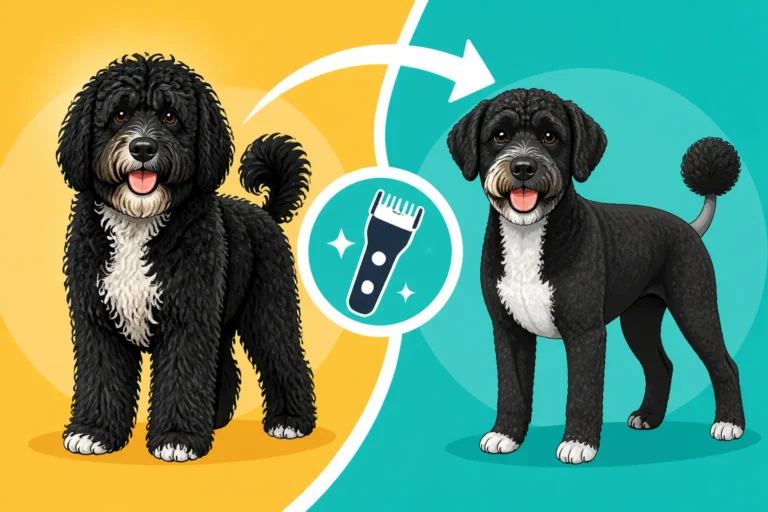
If your PWD is particularly active outdoors, consider a shorter "retriever clip" during warmer months or heavy activity periods. While the majestic "lion clip" is beautiful, it demands more rigorous daily grooming to prevent mats in the longer sections. Regular trims, whether done by you at home or by a professional groomer, also help manage coat length and reduce the likelihood of extensive matting. A diligent owner knows that grooming is not just about aesthetics, but about the comfort and health of their beloved Portuguese Water Dog. It's a commitment, but one that rewards you with a happy, well-maintained companion. Ultimately, understanding How Long Brushing a Portuguese Water Dog Takes will help you set realistic expectations for your grooming routine.
In conclusion, adopting a damp brushing routine for your Portuguese Water Dog is one of the most effective strategies you can employ to maintain their beautiful coat. By understanding their unique hair type, choosing the right tools, and implementing the proper technique, you can transform grooming from a chore into a bonding experience, keeping mats at bay and your PWD comfortable and happy. Whether you're stocking up on grooming supplies or specialty foods, places like Amazon and Chewy are invaluable resources for finding everything you need for optimal care.
Disclaimer
This article is for general informational purposes only and does not constitute professional advice. Laws, prices and regulations vary by location and change over time. Consult a qualified professional for guidance on your specific situation.