Which Shampoo Suits a Portuguese Water Dog’s Coat
It’s a common frustration for Portuguese Water Dog owners: you want to keep that beautiful, unique coat clean and healthy, but you’re staring at an overwhelming aisle of dog shampoos, wondering which one won't strip their natural oils or cause skin irritation. This guide is here to cut through the confusion and help you select the perfect shampoo to keep your PWD's coat in prime condition, whether they're a landlubber or a daily swimmer.
Understanding Your Portuguese Water Dog's Unique Coat Needs
The Portuguese Water Dog's coat is truly a marvel, specifically designed by nature to protect them during their historical work in the water. It’s a single coat, meaning it lacks an undercoat, and can be either curly or wavy. This isn't just a matter of aesthetics; it dictates a lot about their grooming needs and what kind of shampoo will serve them best.
The Single Coat Advantage and Disadvantage
A PWD's single coat is often cited as a benefit for allergy sufferers because it doesn't shed in the traditional sense. Instead, loose hairs tend to get caught within the curls or waves, leading to less hair on your furniture. However, this "advantage" comes with a significant grooming responsibility. Those trapped hairs, combined with the coat's natural tendency to absorb water and moisture, are a prime recipe for matting. This means a shampoo needs to clean effectively without making the coat prone to tangles, and it absolutely must prepare the coat for conditioning and drying to prevent future mat formation.
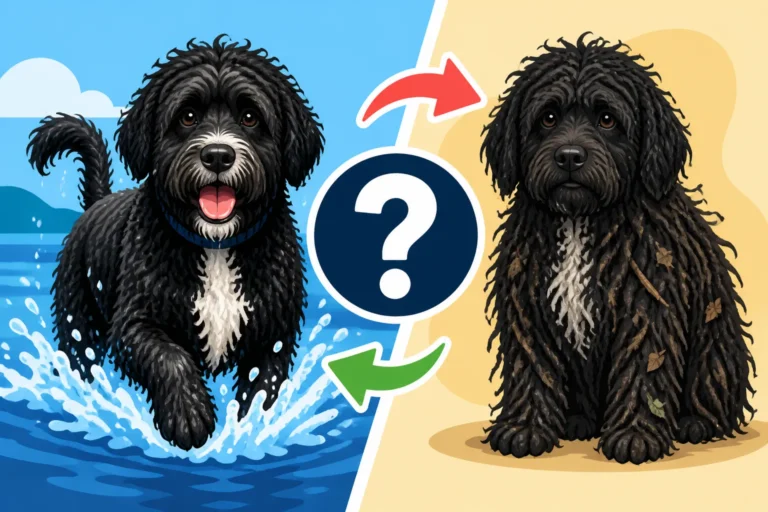
Think about it: a PWD that’s been out swimming, rolling in sand, or just enjoying a damp, muddy day brings all that back into their intricate coat. If you use a harsh shampoo that strips all the natural moisture, those curls and waves become brittle, making them more likely to snag and intertwine into painful mats. On the flip side, a shampoo that leaves too much residue can also contribute to matting by making the coat sticky and difficult to brush. It’s a delicate balance, and choosing the right product is step one. For more on this, you might find our article Curly or Wavy: the Two Portuguese Water Dog Coats insightful.
Sensitivity to Frequent Washing and Environmental Factors
Because PWDs are so often in and out of water – whether it's a pool, lake, or the ocean – their skin and coat are constantly exposed to varying conditions. Chlorine, salt, mud, and even just prolonged dampness can take a toll. This means their skin can become sensitive, dry, or itchy if not properly cared for. Many PWDs develop minor skin irritations or hot spots, especially if their coat isn't dried thoroughly after a swim.
A good shampoo for a Portuguese Water Dog, therefore, needs to be gentle enough for frequent use, even daily if necessary, without causing cumulative irritation. It should cleanse without stripping, rinse cleanly, and ideally offer some moisturizing or soothing properties. If your PWD is a true water enthusiast, you'll be bathing them more often than a typical breed, so this gentleness is paramount. You definitely don't want a shampoo that contributes to skin issues, especially if your dog already has sensitive skin. Understanding Why a Portuguese Water Dog's Coat Holds Water can also help you grasp the importance of proper post-swim care.
Key Ingredients to Look For in a Portuguese Water Dog Shampoo
When you're navigating the dizzying array of dog shampoos, knowing what to look for in the ingredient list can make all the difference. For a Portuguese Water Dog, the goal is always a healthy, hydrated, and easily manageable coat, especially considering their active, water-loving lifestyle.
Moisturizing and Hydrating Components
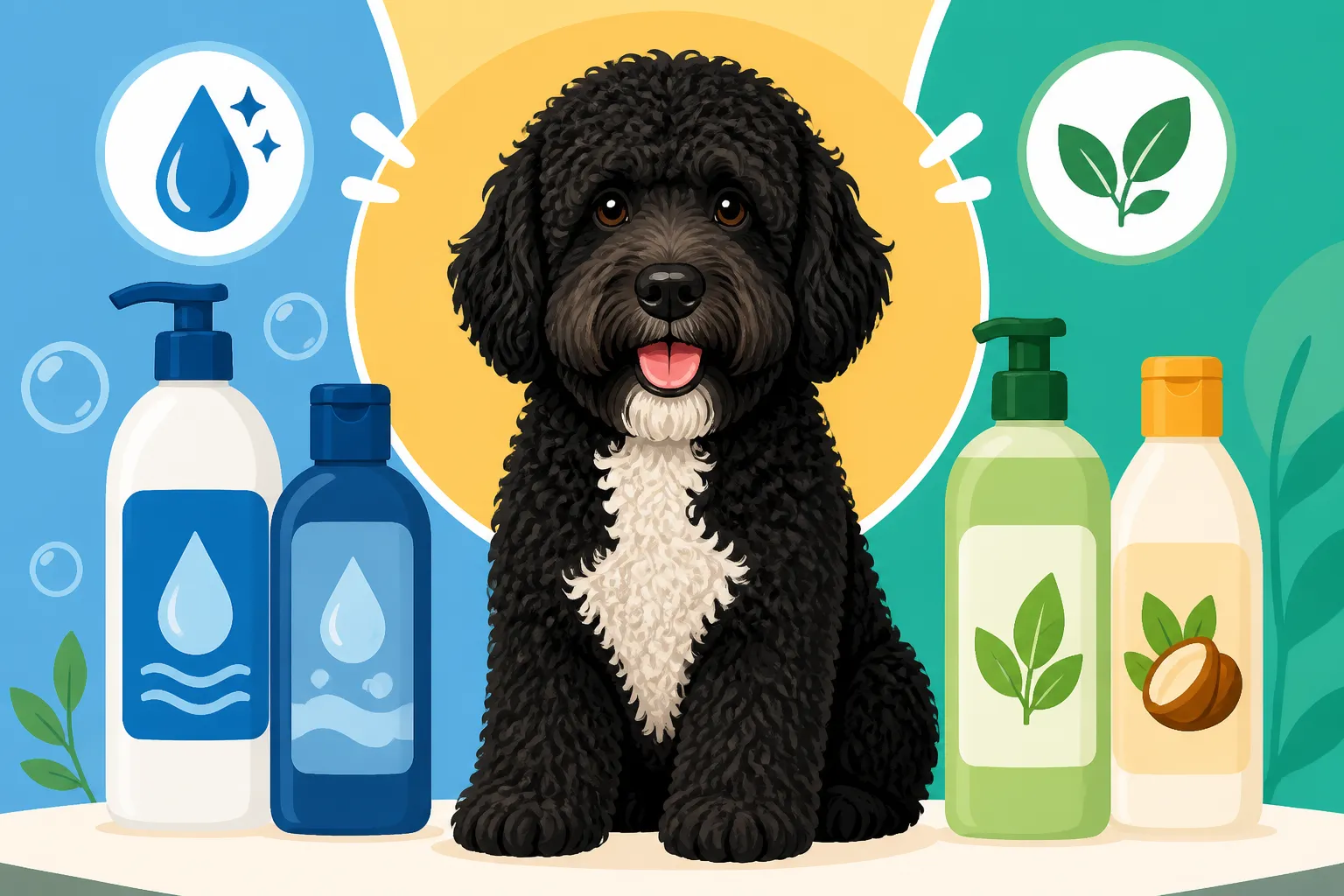
Given how easily a PWD's coat can dry out and mat, moisturizing ingredients are your best friends. Look for shampoos that prominently feature natural emollients and humectants. These ingredients help to attract and lock moisture into the hair shaft and skin, keeping everything supple and less prone to breakage and matting.
Here are some power players to seek out:
- Oatmeal: This isn't just for breakfast! Colloidal oatmeal is a renowned natural skin soother and moisturizer. It helps to calm irritated skin and provides a protective barrier, which is fantastic for PWDs who might experience dryness or itchiness from frequent water exposure. It's often recommended for dogs with sensitive skin or allergies.
- Aloe Vera: Another natural wonder, aloe vera is celebrated for its soothing, healing, and moisturizing properties. It can help reduce inflammation and promote skin health, making it an excellent addition to a PWD's shampoo, particularly if they have any minor skin irritations.
- Coconut Oil: Rich in fatty acids, coconut oil can penetrate the hair shaft to provide deep conditioning and help prevent protein loss. It leaves the coat feeling soft and looking shiny, which is a big bonus for managing those luscious curls.
- Shea Butter: A fantastic natural emollient, shea butter provides intense moisture and can help protect the skin's natural barrier. It's especially good for dry, flaky skin and can leave the coat feeling incredibly soft.
- Glycerin: A humectant that draws moisture from the air into the skin and coat, glycerin is a common and effective hydrating ingredient. It helps maintain the coat's elasticity and can prevent it from becoming brittle.
When you're browsing options, perhaps on a site like Chewy where you can filter by ingredients, prioritize those with several of these moisturizing components.
pH-Balanced Formulas for Canine Skin
This is a critical, yet often overlooked, factor. A dog's skin has a very different pH level than human skin. Human shampoos are typically formulated to be more acidic, around a pH of 5.5, which is perfect for our skin and hair. However, a dog's skin is generally more alkaline, ranging from 6.2 to 7.4. Using a human shampoo on your PWD can disrupt their skin's natural acid mantle, leading to dryness, irritation, and an increased risk of bacterial or fungal infections.
Always choose a shampoo specifically labeled as "pH-balanced for dogs." This ensures that the product respects your PWD's natural skin barrier, preventing dryness, itching, and other dermatological issues. A properly pH-balanced shampoo will help maintain the integrity of their skin, which is their first line of defense against environmental irritants and infections. This is especially important for a breed that spends so much time in water, where the skin barrier is already under stress. If your PWD is prone to ear infections, which many water dogs are, maintaining overall skin health can indirectly support their ear health too. Check out Why a Portuguese Water Dog's Ears Need Checking Every Week for more detailed ear care tips.
Hypoallergenic and Gentle Formulations
Even if your PWD doesn't have diagnosed allergies, choosing a hypoallergenic or gentle formula is a smart move. These shampoos are typically free from common irritants like harsh fragrances, dyes, and strong detergents that can trigger skin sensitivities. Given the PWD's dense coat and propensity for water activities, anything that minimizes potential skin reactions is a win.
Look for shampoos marketed for "sensitive skin," "puppies," or "hypoallergenic." These usually contain milder surfactants (the cleaning agents) and fewer potential allergens. They're designed to clean effectively without over-stripping natural oils or leaving behind irritating residues. Even if your PWD appears to have robust skin, a gentle approach with shampoo will only benefit them in the long run, especially if they are bathed frequently. For general health information, you might find Whether the Portuguese Water Dog Is a Healthy Breed interesting.
Ingredients to Avoid for a Healthy PWD Coat
Just as important as knowing what to look for, is knowing what to steer clear of. Some ingredients commonly found in shampoos, even some dog-specific ones, can be detrimental to your Portuguese Water Dog's sensitive skin and unique coat.
Harsh Sulfates and Parabens
Sulfates, particularly Sodium Lauryl Sulfate (SLS) and Sodium Laureth Sulfate (SLES), are powerful detergents that create that satisfying lather we often associate with "clean." However, they can be far too harsh for a dog's skin, especially one as prone to water exposure and potential dryness as a PWD.
- Sulfates (SLS/SLES): These can strip the natural oils from your PWD's coat and skin, leading to excessive dryness, itching, and irritation. When the skin barrier is compromised, it becomes more vulnerable to allergens and infections. For a PWD who might be bathed frequently after swims, repetitive exposure to harsh sulfates can lead to chronic skin issues. They can also make the coat feel coarse and difficult to brush, exacerbating matting problems.
- Parabens: These are preservatives often used to extend a product's shelf life. While their direct impact on dogs is still debated, some studies have raised concerns about their potential to disrupt hormones. Many pet owners, choosing to err on the side of caution, prefer paraben-free products. Given the availability of excellent paraben-free options, it's easy enough to avoid them.
When checking shampoo labels, try to find products that explicitly state "sulfate-free" and "paraben-free." Many reputable brands offer these gentler alternatives.
Artificial Fragrances and Dyes
While a dog that smells like a field of lavender might appeal to us, strong artificial fragrances and dyes are common culprits behind skin irritations and allergic reactions in dogs. Your PWD's nose is far more sensitive than yours, and what smells pleasant to you might be overpowering and irritating to them.
- Artificial Fragrances: These are often complex mixtures of chemicals that can cause contact dermatitis, itching, and redness. Many dogs are sensitive to these synthetic scents, and repeated exposure, especially in a dense coat that takes time to dry, can be problematic. If you prefer a scent, look for shampoos that use natural essential oils known to be safe for dogs, such as lavender (in very small, diluted amounts) or chamomile, or choose an unscented option.
- Dyes: Artificial colors add nothing to the cleaning or conditioning properties of a shampoo. They are purely cosmetic and can be another source of irritation for sensitive skin. A good shampoo doesn't need to be brightly colored to be effective.
Opt for shampoos that are "fragrance-free" or "unscented," and avoid anything with bright, unnatural colors. If your PWD ever develops a rash or seems overly itchy after a bath, the fragrance or dye in their shampoo is often one of the first things to consider as a potential cause. For managing general skin health, you may also find value in Drying a Portuguese Water Dog After Every Swim.
Alcohol and Petroleum-Based Products
These ingredients can also be problematic for your PWD's coat and skin.
- Alcohol (especially Isopropyl Alcohol or Ethanol in high concentrations): While some alcohols might be used as preservatives or to help ingredients mix, high concentrations can be very drying to the skin and coat. They strip moisture, leaving the coat brittle and the skin prone to flaking and irritation. This is particularly undesirable for a coat type that already needs all the moisture it can get to prevent matting.
- Petroleum-based products (like mineral oil or petroleum jelly in some cheaper formulations): While these can provide a superficial layer of "moisture" or shine, they don't truly penetrate and nourish the hair or skin. Instead, they can sit on the surface, potentially clogging pores and attracting dirt, which can lead to dullness or even skin issues over time. They can also make the coat feel greasy and heavy.
When in doubt, aim for shampoos with clean, natural ingredient lists that prioritize plant-derived cleansers and emollients. Many high-quality dog shampoos available on platforms like Amazon will clearly highlight their natural and gentle formulations.
Shampooing Techniques for Optimal Portuguese Water Dog Coat Health
Having the right shampoo is only half the battle; knowing how to properly bathe your Portuguese Water Dog is equally crucial for maintaining their coat and skin health. Their dense, water-loving coat requires a specific approach to ensure thorough cleaning, proper rinsing, and prevention of matting.
Pre-Bathing Preparation: The Matting Battleground
Before you even think about getting your PWD wet, you absolutely must tackle any existing tangles and mats. This step is non-negotiable for a Portuguese Water Dog. If you bathe a matted coat, those mats will tighten and become almost impossible to remove without resorting to shaving, which is a stressful experience for both you and your dog.
Here’s your pre-bath checklist:
- Thorough Brushing: Use a good slicker brush and a metal comb. Work through the entire coat, section by section, down to the skin. Pay special attention to common matting areas: behind the ears, under the chin, in the armpits, on the insides of the legs, and around the tail. If you encounter a mat, gently tease it apart with your fingers or the end of a comb. If it’s stubborn, a mat splitter or a dab of detangling spray can help. Never pull harshly.
- Remove Debris: Check for any burrs, twigs, sand, or other foreign objects that might be caught in the coat. These will only become more embedded once wet.
- Ear Protection (Optional but Recommended): If your PWD is prone to ear infections, you might consider placing cotton balls in their ears to prevent water from entering the ear canal. Just remember to remove them afterward! For more on ear care, see Whether a Portuguese Water Dog's Ear Canal Stays Wet.
- Gather Your Supplies: Have your shampoo, conditioner (highly recommended!), towels, and a force dryer ready. Trying to scramble for items mid-bath with a wet PWD is a recipe for chaos.
Taking an extra 15-30 minutes for thorough pre-brushing will save you hours of mat removal later. It’s the single most important step in preventing major coat issues.
The Two-Step Washing and Conditioning Process
Once your PWD is mat-free, you can begin the bathing process. Remember, thoroughness is key.
- Wet Thoroughly: Use lukewarm water to completely saturate the coat. This can take a surprisingly long time with a PWD's dense coat, especially if they have a curly texture. Ensure the water penetrates all the way down to the skin.
- First Shampoo Application (Deep Cleanse): Dilute your chosen shampoo according to the product's instructions, or apply a small amount and work it into a lather. Start at the neck and work your way back, paying close attention to the legs, belly, and tail. Gently massage the shampoo down to the skin. Avoid harsh scrubbing, which can tangle the coat. The goal is to lift dirt and oil, not to create a knot fest. Rinse this first application completely until the water runs clear and no suds remain. This initial wash removes the bulk of the dirt and grime.
- Second Shampoo Application (Targeted Treatment): For the second shampooing, you can focus on areas that need extra attention or simply ensure a deeper clean. Again, work it in gently and ensure it reaches the skin.
- Rinse, Rinse, Rinse! This is perhaps the most critical part. Residual shampoo can irritate the skin and make the coat feel sticky, which attracts dirt and contributes to matting. Rinse for much longer than you think is necessary, until you feel absolutely no slipperiness or residue on the coat. Squeeze the water out of the coat as you go to help facilitate rinsing.
- Conditioning (Essential for PWDs): After rinsing the shampoo, apply a good quality dog conditioner. This is vital for a PWD! Conditioner helps to restore moisture, smooth the hair cuticle, and make the coat much easier to comb through, preventing mats. Apply it generously, especially to the ends and high-friction areas. Let it sit for a few minutes as directed on the bottle.
- Final Rinse: Rinse the conditioner thoroughly, just like the shampoo. Again, no residue should be left behind. When the coat feels clean and no longer slippery, you're done rinsing.
Using a non-slip mat in the tub can make the process much safer and less stressful for your dog. For additional advice, our article How Often a Portuguese Water Dog Needs a Bath offers a broader perspective.
Drying Effectively to Prevent Matting and Skin Issues
Improper drying is a primary cause of matting and skin problems for Portuguese Water Dogs. You can't just let them air dry, especially with a dense coat.
Here’s how to dry your PWD effectively:
- Towel Dry Vigorously: As soon as you're done rinsing, use several absorbent towels to remove as much excess water as possible. Blot and squeeze the coat rather than rubbing, which can create tangles.
- Force Dryer is Your Best Friend: A high-velocity force dryer (like those used by professional groomers) is almost a necessity for PWD owners. It blasts water out of the coat quickly and efficiently, without using heat, which can damage the hair and skin. As you dry, use your free hand to separate sections of the coat, ensuring air reaches all the way to the skin. This step is critical for preventing moisture-related skin issues and getting the coat dry before mats can form. If you don't have a force dryer, a regular human hairdryer on a cool setting can be used, but it will take much longer and might not be as effective at separating the coat.
- Brush While Drying: While using the force dryer, continuously brush and comb through the coat. This helps to straighten the hair and ensure it dries completely tangle-free. This technique is especially important for the curly-coated PWDs.
- Check for Damp Spots: Once the coat feels dry, do a final check, especially in those dense areas like the armpits and ears. Any damp spots can become prime breeding grounds for bacteria or fungi, leading to skin infections or hot spots.
- Post-Drying Comb Out: After the coat is completely dry, do one final, thorough comb-out to ensure there are no missed tangles and the coat is flowing freely.
Proper drying not only prevents mats but also ensures your PWD is comfortable and healthy. It's an investment of time, but one that pays dividends in a happy, well-groomed dog. You might also want to read How Long a Portuguese Water Dog Takes to Dry for more details on this often-underestimated part of grooming.
Here's a quick comparison of common shampoo types that might suit a PWD:
| Shampoo Type | Best For | Key Ingredients to Look For | PWD Benefit | Potential Downsides |
|---|---|---|---|---|
| Moisturizing/Hydrating | Dry, brittle coats; frequent bathers | Oatmeal, aloe vera, shea butter, glycerin | Prevents dryness, reduces matting, soothes skin | Can sometimes be too heavy for oily coats |
| Hypoallergenic/Sensitive | Dogs with allergies, itchy skin, redness | Limited, natural ingredients, no dyes/frag | Minimizes irritation, supports skin barrier, good for frequent use | Less lather, may not deeply cleanse oily coats |
| Deshedding | Not typically needed for PWDs (single coat) | N/A (focuses on loosening undercoat) | Irrelevant for PWD's non-shedding coat (can be drying if misused) | Can be too harsh, unnecessary |
| Whitening/Brightening | White or light-colored coats | Optical brighteners, blueberry extract | Enhances color without harsh bleaches | Can be drying if not formulated gently |
| Clarifying/Deep Clean | Very dirty, greasy coats; product buildup | Gentle surfactants, natural astringents | Removes heavy grime, residue; good for occasional deep clean | Can be too stripping for frequent use |
Remember to always follow up with a good conditioner, especially after a clarifying shampoo, to rehydrate the coat. Choosing the right shampoo for your Portuguese Water Dog involves understanding their unique coat, prioritizing gentle and natural ingredients, and committing to a meticulous bathing and drying routine. It's a labor of love, but the reward is a beautiful, healthy, and happy PWD ready for their next adventure!
Disclaimer
This article is for general informational purposes only and does not constitute professional advice. Laws, prices and regulations vary by location and change over time. Consult a qualified professional for guidance on your specific situation.