Whether a Portuguese Water Dog’s Webbing Needs Checking
As a Portuguese Water Dog owner, you've probably noticed those distinctive, wonderful webbed feet. They're part of what makes our PWDs such incredible swimmers and working companions, but they also mean their paw care isn't quite the same as other breeds. Many owners wonder if this unique anatomy requires specific attention, and the short answer is a resounding yes. This guide will walk you through why checking your Portuguese Water Dog's webbing regularly is critical for their health and comfort, and how to make it a routine part of their care.
The Ingenuity of the Portuguese Water Dog's Webbed Feet
Portuguese Water Dogs were bred for a tough job: working alongside fishermen on the coasts of Portugal. Their entire physique is geared towards aquatic excellence, and nowhere is this more evident than in their paws. Those beautiful, strong webbed feet aren't just a charming trait; they're a highly functional adaptation that allowed them to retrieve lost tackle, herd fish into nets, and carry messages between boats.
A Natural Aquatic Advantage
Imagine trying to paddle a boat with a flimsy, perforated oar. You wouldn't get far, right? That's essentially the difference the webbing makes for a PWD. The strong, leathery skin connecting their toes acts like flippers, providing a much larger surface area to push against the water. This gives them incredible propulsion and agility in the water, allowing them to swim powerfully and efficiently, even in rough seas. It's truly amazing to watch them move through water; they become a blur of motion, completely at home in their element. Their tail also acts like a rudder, guiding them through the water with precision. This deep connection to water is why many owners seek out activities like dock diving or water trials, where their natural abilities truly shine.
More Than Just for Swimming
While the webbing is primarily for swimming, it also offers some benefits on land. The extra surface area can provide a bit more grip on slippery or uneven surfaces, which can be useful when they're scrambling over rocks at the beach or navigating wet boat decks. However, this specialized design also means their feet are structured differently than, say, a Labrador's or a Golden Retriever's, which are often thought of as water dogs but lack the same degree of webbing. This unique structure, combined with their dense, single coat, makes them perfectly adapted for the water, but it also creates specific grooming and health considerations that we, as their human companions, need to be aware of.
Why Regular Webbing Checks Are Absolutely Essential
Neglecting those marvelously webbed feet can lead to a host of problems for your Portuguese Water Dog. It's not just about keeping them clean; it's about preventing discomfort, pain, and potentially serious infections that could sideline your active companion. Because their paws are so central to their very being, keeping them in tip-top shape is paramount.
Trapping Debris and Moisture
Think about all the places your PWD's paws go: sandy beaches, muddy trails, grassy parks, salty oceans, and chlorinated pools. Their webbed feet and the dense hair that grows between their pads are masters at trapping things. Small pebbles, sticks, burrs, thorns, and even tiny pieces of litter can easily lodge themselves deep within the webbing or between the pads. If these aren't removed promptly, they can cause irritation, cuts, or even puncture wounds. Worse still, their love for water means their feet are constantly getting wet. If not thoroughly dried, that trapped moisture, combined with the dense hair and webbing, creates a warm, damp environment – the perfect breeding ground for bacteria and yeast infections. Just like how a Portuguese Water Dog's Ear Canal Traps Water, their foot webbing can also become a moisture magnet, leading to similar issues if not addressed.
Matting and Skin Irritation
The Portuguese Water Dog's coat, whether curly or wavy, is prone to matting, and the hair between their paw pads and around their webbing is no exception. In fact, this area is often one of the first places mats develop, especially if your dog is swimming frequently or walking on varied terrain. Mats here aren't just unsightly; they're incredibly painful. They pull on the skin, restricting movement and making walking uncomfortable. Severe mats can even cut off circulation or cause skin infections underneath. When your PWD steps on something, a mat can prevent their toes from spreading naturally, leading to awkward gait and potential injury. Over time, constant moisture and matting can lead to inflamed, red, and itchy skin, making your dog miserable.
Early Detection of Injuries and Ailments
Regularly checking your dog's webbing and paw pads allows you to catch minor issues before they escalate. A small cut, a torn nail, or a developing blister might go unnoticed if you're not routinely inspecting their feet. Imagine your PWD stepping on a sharp object while on a hike. Without a thorough check, that tiny cut could become infected, causing lameness and requiring veterinary attention. By making it a habit to check their feet after every swim or adventurous outing, you're more likely to spot these things early. This also helps you monitor for signs of How Often a Portuguese Water Dog Gets Cut Pads on Rocks or other common injuries, allowing for quick treatment and preventing more serious complications. This proactive approach saves your dog discomfort and you potential vet bills down the line.
How to Effectively Check and Care for Your Portuguese Water Dog's Webbing
Making paw care a regular habit doesn't have to be a chore. With a consistent routine and the right tools, you can ensure your Portuguese Water Dog's webbed feet stay healthy and ready for any adventure. It's about building trust and comfort, slowly introducing them to the process, and making it a positive experience for both of you.
Establishing a Routine
The best time to check your Portuguese Water Dog's feet is after a walk, swim, or playtime, especially if they've been in areas with sand, dirt, or debris. A quick visual inspection can be done daily, but a more thorough check should happen at least weekly, or even more frequently if your dog is very active in water or rough terrain. Start by gently handling their paws when they are relaxed, perhaps during cuddle time on the couch. Praise them and offer treats for cooperation. Many owners find that incorporating paw checks into their regular grooming sessions works well, whether that's with a professional groomer or during How Long Home Grooming a Portuguese Water Dog Takes Weekly. The goal is to make it a calm, predictable part of their life, not an occasional struggle.
Step-by-Step Inspection and Cleaning
Here's a simple process to follow:
- Gather your supplies: You'll need good lighting, a soft towel, blunt-nosed scissors or small clippers (like a Wahl set available on Amazon or Chewy), a paw balm or moisturizer, and some ear cleaning solution or a gentle antiseptic wipe. For persistent debris, a warm, damp cloth or even a gentle paw-washing cup can be helpful.
- Lift the paw: Gently take one paw at a time. Start by examining the top of the paw, looking for any swelling, redness, or cuts.
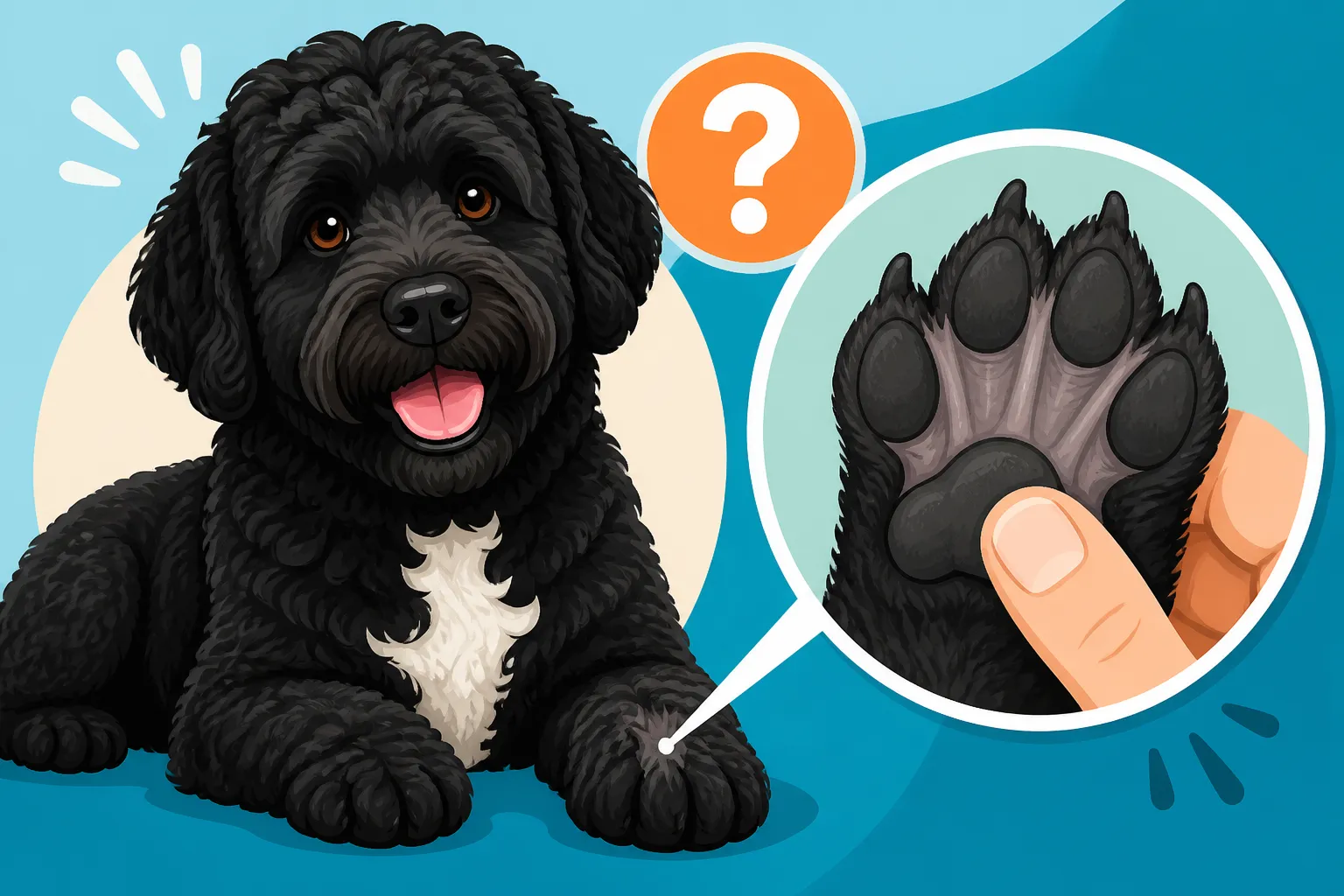
- Spread the toes: Carefully spread each toe to expose the webbing. Look closely for any trapped debris – small stones, twigs, burrs. Remove anything you find gently. If something is deeply embedded, don't force it; a vet visit might be necessary.
- Inspect the pads: Check the paw pads for cracks, cuts, blisters, or tenderness. Feel for any lumps or bumps.
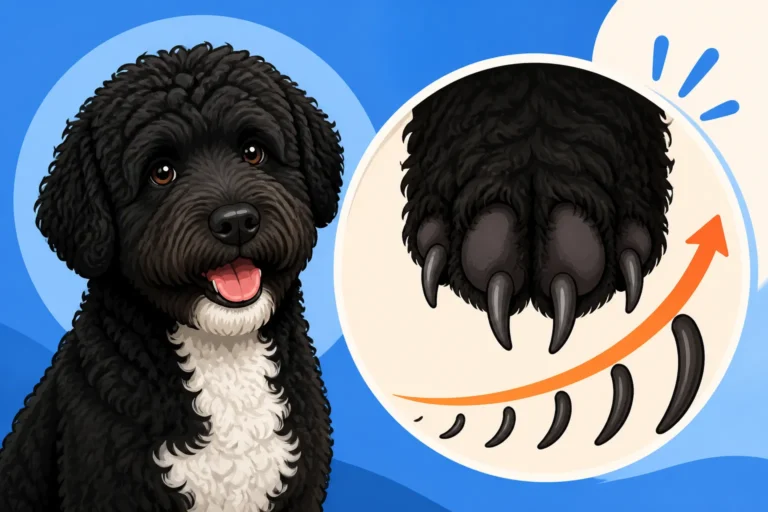
- Examine the nails: Look at the nails for any breaks, splits, or overgrowth. This is also a good time to check if their nails need trimming. Refer to How Often a Portuguese Water Dog's Nails Need Trimming for guidance.
- Check for mats: Pay close attention to the hair between the pads and around the webbing. If you find small mats, try to gently tease them apart with your fingers. For tougher mats, carefully use your blunt-nosed scissors to cut them out, always pointing the tips away from the skin. A force dryer, also available on Amazon, can help blast out debris and ensure thorough drying after a swim.
- Clean and dry: After every swim, especially in salt water or chlorinated pools, thoroughly rinse your PWD's feet with clean fresh water. Then, dry them completely, paying special attention to the webbing and between the toes. A soft towel works wonders, and for an extra dry, a low-setting hairdryer (test the temperature first!) can be used.
Trimming and Moisturizing
Keeping the hair between the paw pads trimmed flush with the pads is crucial. This prevents matting, improves traction, and reduces the amount of debris and moisture that can get trapped. Use blunt-nosed scissors or small clippers for this. If you're unsure, ask your groomer or vet to show you how. Overly long hair can also contribute to Whether a Portuguese Water Dog Gets Ear Infections (due to tracking in bacteria), so proper trimming is preventative.
After trimming and cleaning, consider applying a paw balm or moisturizer, especially if their pads look dry or cracked. There are many excellent paw balms on the market that can provide a protective barrier and keep their pads supple. This is particularly important in extreme weather conditions, like very hot pavement or icy sidewalks, where paw pads can become damaged. A healthy paw pad is a happy paw pad, allowing your PWD to perform their tasks comfortably.
Common Issues and What to Do About Them
Even with the best preventative care, issues can sometimes arise with your Portuguese Water Dog's feet. Being able to recognize the signs of common problems and knowing when to seek professional help is a vital part of responsible ownership. Your keen observation can make all the difference in preventing minor irritations from becoming major medical concerns.
Identifying Signs of Trouble
Your Portuguese Water Dog is an active, resilient breed, but they can't always tell you directly when something is wrong with their feet. It's up to you to be observant. Look out for the following indicators:
- Licking or chewing: Excessive licking, chewing, or biting at their paws often signals irritation, pain, or itchiness. It could be anything from a trapped burr to an allergy or an infection.
- Limiting activity: If your normally energetic PWD is reluctant to walk, run, or jump, or if they're noticeably limping, it's a clear sign of discomfort. They might favor one paw, or avoid putting weight on it altogether.
- Swelling or redness: Visually inspect their paws for any abnormal swelling, redness between the toes or on the pads, or discharge. These are classic signs of inflammation or infection.
- Unusual odor: A funky smell emanating from their paws, especially from between the toes or webbing, is a strong indicator of a bacterial or yeast infection. This is often accompanied by redness and itchiness.
- Cracked or bleeding pads: Severely dry, cracked paw pads can be painful and prone to infection. Any bleeding or open wounds need immediate attention.
- Changes in gait: If your dog starts walking differently, perhaps with a stiff or gingerly step, it could be due to pain in their feet. This might manifest as a subtle shift in weight or a reluctance to put full pressure on a paw.
Addressing Minor Issues at Home
For minor issues like a small piece of debris or light matting, you can often handle it at home. If you find a small stone or stick, gently remove it with tweezers. For small mats, try to separate them with your fingers or carefully snip them out as described above. If your dog's paws seem a bit dry, apply a generous amount of dog-specific paw balm.
For mild irritation or superficial cuts, gently clean the area with a mild antiseptic solution (like diluted povidone-iodine or chlorhexidine, as recommended by your vet) and keep it clean and dry. Monitor the area closely for signs of worsening. For an active dog, preventing How Often a Portuguese Water Dog Gets Cut Pads on Rocks can be a constant challenge, but good home care goes a long way.
When to Consult Your Veterinarian
There are definitely times when a professional opinion is warranted. Don't hesitate to contact your vet if you notice:
- Deep cuts or puncture wounds: Anything that looks like it might need stitches or is bleeding profusely should be seen by a vet.
- Severe lameness or refusal to walk: If your dog can't put weight on a paw, or is in obvious pain, it's an emergency.
- Persistent swelling, redness, or discharge: These are signs of a more serious infection that likely requires prescription medication, like antibiotics or antifungals.
- Unidentifiable foreign objects: If you can see something embedded but can't safely remove it, or if you suspect something is lodged deeply, let your vet handle it to prevent further injury.
- Persistent licking or chewing: If home care doesn't resolve the issue within a day or two, or if the problem recurs frequently, it's time for a vet visit. This could indicate allergies, a deeper infection, or another underlying medical condition. Your vet might suggest tests to pinpoint the cause, especially if a product from Ollie (a popular dog food) or another dietary change hasn't already been explored as a potential solution to skin irritations.
- Nail trauma: A torn or broken nail that is bleeding or exposing the quick can be very painful and prone to infection. Your vet can properly trim it and provide pain relief.
Remember, your Portuguese Water Dog relies on those amazing webbed feet for everything they do. Regular, attentive care is not just about comfort; it's about preserving their unique abilities and ensuring they live a full, happy, and active life. By being proactive and knowing when to seek help, you're giving your PWD the best chance to thrive.
Disclaimer
This article is for general informational purposes only and does not constitute professional advice. Laws, prices and regulations vary by location and change over time. Consult a qualified professional for guidance on your specific situation.