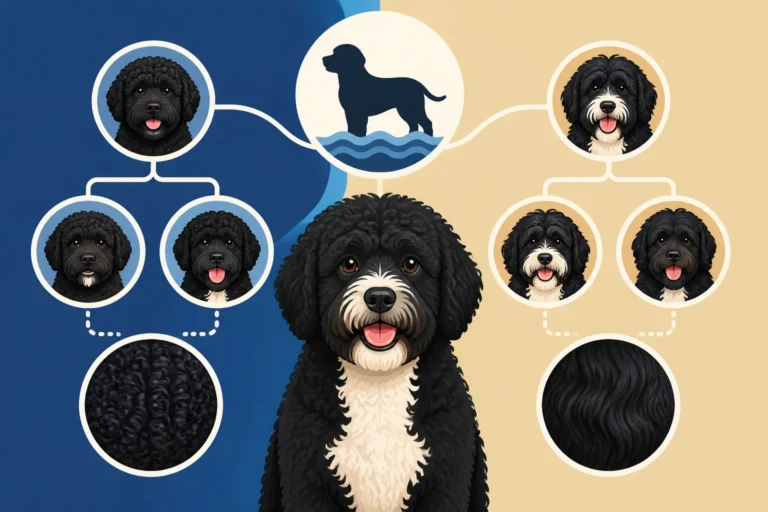
How a Portuguese Water Dog Differs From a Spanish Water Dog
Many people who are drawn to the charm and intelligence of the Portuguese Water Dog often find themselves wondering about a similar-sounding breed: the Spanish Water Dog. While their names suggest a shared heritage and their working group classification implies similar roles, these two breeds, despite some superficial resemblances, are distinct in their history, appearance, and temperament. This guide will walk you through the nuanced differences, helping you understand what truly sets them apart.
Historical Roots and Traditional Roles
It's easy to assume that because both breeds have "Water Dog" in their names and hail from the Iberian Peninsula, their stories are intertwined. However, their historical development and the specific tasks they performed tell a tale of divergence, shaping the dogs we know today into unique companions.
Origins and Traditional Roles
The Portuguese Water Dog, or Cão de Água Português, comes from Portugal's Algarve region, where it was an indispensable part of the fishing fleet. These dogs were true sea dogs, performing an array of critical jobs on the open ocean. They herded fish into nets, retrieved lost tackle or broken nets, and even carried messages between boats or to shore. They were hardy, intelligent, and possessed an incredible swimming ability, with a dense, water-resistant coat that protected them from the cold Atlantic waters. Their very existence was tied to the livelihood of the fishermen, and their working capacity was paramount. You can learn more about their original purpose in What a Portuguese Water Dog Was Bred to Do on a Boat. They truly were working partners, not just pets.
The Spanish Water Dog, or Perro de Agua Español, on the other hand, has a slightly different and broader history within Spain. While they too worked in and around water, their traditional roles were more diverse, encompassing herding sheep and goats in the rugged terrain, guarding farmsteads, and acting as general-purpose farm dogs. They weren't primarily deep-sea fishermen's companions but rather versatile working dogs, equally at home on land or in the water. Their coat, while also water-resistant, evolved to protect them from both the sun and the cold, often left corded to offer maximum insulation. This versatility meant they were cherished for their adaptability across various agricultural tasks.
Paths to Modern Recognition
Both breeds faced periods of decline as their traditional roles diminished with modernization, but their paths to modern recognition and popularity differed. The Portuguese Water Dog nearly went extinct in the early 20th century before dedicated fanciers, most notably Vasco Bensaude, spearheaded efforts to revive the breed. Their strong association with fishing heritage and a distinct physical type helped in establishing a clear breed standard. The breed gained significant attention in the United States much later, notably finding a place in the White House, which dramatically increased its visibility and popularity.
The Spanish Water Dog's journey to recognition was also a rescue mission. While always present in various regions of Spain, their numbers dwindled and their type became highly regionalized. It wasn't until the late 1970s and 1980s that a concerted effort began to gather these dogs from various working backgrounds and establish a unified breed standard. This meant bringing together dogs that might have looked a bit different depending on their specific region and role, aiming for a consistent breed type that could be shown and preserved. Their recognition came later than that of the Portuguese Water Dog in many international kennel clubs, reflecting a more recent, formalized preservation effort.
Physical Characteristics: A Side-by-Side Look
When you see a picture, or even meet one of these dogs, you might think, "They're both curly, they both love water, they must be the same!" But a closer look reveals distinct differences in their build, coat, and overall appearance, each feature finely tuned by generations of specific working needs.
Size, Build, and Overall Stature
A quick glance at their average sizes reveals some subtle but important distinctions. Portuguese Water Dogs tend to be medium-sized dogs, with males typically standing between 20 to 23 inches tall at the shoulder and weighing 42 to 60 pounds. Females are slightly smaller, usually 17 to 21 inches and 35 to 50 pounds. They possess a robust, muscular build, indicating their strength and endurance for long hours of work in and out of the water. Their frame is balanced, designed for agility and power. You can get a good idea of their general size from What a Portuguese Water Dog Weighs and How Tall It Stands.
Spanish Water Dogs are generally a bit more compact and lighter-boned. Males typically stand between 17 to 20 inches and weigh 40 to 49 pounds, while females range from 16 to 18 inches and 31 to 40 pounds. Their build is often described as rustic and athletic, reflecting their agility in navigating diverse terrains and their quickness for herding livestock. They have a slightly more square profile, which is quite different from the often more rectangular, powerful build of their Portuguese cousins.
Coat Type and Color Variations
Here's where a significant visual difference lies, even though both have curly, water-resistant coats. The Portuguese Water Dog has a single coat, meaning no undercoat, which is why they are often touted as a good choice for people with allergies. This coat comes in two distinct types: curly and wavy. The curly coat is tight, cylindrical curls, often described as corkscrew-like, while the wavy coat is softer, with more open waves and a slight sheen. Both types are dense and shed very little, though they do require consistent grooming to prevent matting. You can explore these variations further in Curly or Wavy: the Two Portuguese Water Dog Coats.
The Spanish Water Dog also has a single coat, but it's characterized by its natural tendency to form cords if left untrimmed. When they are puppies, their coat is soft and woolly, but as they mature, if not brushed out, it will naturally form tight, rope-like cords. This corded coat is a hallmark of the breed and served as excellent protection from both the elements and potential bites when working with livestock. Spanish Water Dogs come in a range of solid colors, including black, brown, beige, and white, or parti-color (patches of any of these colors with white), much like the Portuguese Water Dog. However, the Portuguese Water Dog also has black and white, brown and white, and silver varieties. The appearance of the coat, especially the cording, is a primary differentiator.
Distinctive Facial Features and Tails
Beyond the coat and size, their faces and tails also offer clues to their heritage. The Portuguese Water Dog typically has a broad skull, a well-defined stop, and a muzzle that tapers slightly. Their eyes are medium-sized, round, and usually dark brown or black, conveying an intelligent and keen expression. Their ears are heart-shaped and set rather high, dropping close to the head. The tail is thick at the base and tapers to the tip, often carried in a ring when alert or active, used powerfully as a rudder in the water. It's never docked, a tradition respected due to its vital function in swimming.
The Spanish Water Dog often has a slightly flatter skull and a less pronounced stop, with a muzzle of moderate length. Their eyes are expressive, ranging from hazel to dark brown, always in harmony with the coat color, and they possess an intelligent, somewhat serious gaze. Their ears are triangular and set at medium height, dropping to frame the face. The tail on a Spanish Water Dog can be naturally bobbed or full. In countries where tail docking is still permitted, it might be docked, though the trend globally is towards keeping natural tails. Historically, some working Spanish Water Dogs might have had docked tails for practical reasons in dense brush or around livestock, but this is less common today.
| Feature | Portuguese Water Dog | Spanish Water Dog |
|---|---|---|
| Origin | Portugal (Algarve region) | Spain (various regions) |
| Primary Role | Fisherman's assistant (herding fish, retrieving gear) | Herding livestock, farm dog, general utility |
| Size (Male avg.) | 20-23 inches, 42-60 lbs | 17-20 inches, 40-49 lbs |
| Coat Type | Single coat, curly or wavy, non-corded | Single coat, forms natural cords if untrimmed |
| Shedding | Very low | Very low (hair sheds into cords) |
| Grooming Needs | Regular brushing to prevent mats, professional clipping every 6-8 weeks | Infrequent brushing (if corded), regular trims to maintain length or prevent felting |
| Tail | Thick base, tapers to tip, carried in ring, never docked | Can be naturally bobbed or full; historically sometimes docked |
| Energy Level | High, needs vigorous exercise and mental stimulation | High, needs consistent physical and mental work |
| Temperament | Intelligent, loyal, exuberant, independent | Intelligent, loyal, protective, sometimes reserved |
| Lifespan | 12-15 years | 10-14 years |
Temperament and Trainability: More Than Just "Water Dogs"
Both breeds are highly intelligent and possess a strong work ethic, but their inherent temperamental traits and how they approach training reflect their distinct histories. Understanding these differences is crucial for any potential owner.
Energy Levels and Exercise Requirements
Let's be clear: both of these breeds are high-energy dogs. They weren't bred to be couch potatoes. A Portuguese Water Dog thrives on activity. They need significant daily exercise, often requiring more than just a quick walk around the block. Think long hikes, vigorous games of fetch, swimming sessions, and plenty of mental stimulation. An under-exercised Portuguese Water Dog can become bored, destructive, and even anxious. This is why it's so important to understand How Much Exercise a Portuguese Water Dog Needs and What an Under Exercised Portuguese Water Dog Does. They are dogs that need a job, whether it's competitive dog sports, advanced obedience, or extensive water work. Many PWD owners find themselves exploring activities like dock diving or water trials just to keep up with their dog's boundless enthusiasm.
The Spanish Water Dog also has a very high energy level, but it manifests slightly differently due to their herding background. They require consistent physical activity, but they also have a strong innate desire to be working and moving. This means they need space to run, opportunities to herd (even if it's just toys or family members, which can be annoying!), and a routine that satisfies their active minds. They are incredibly agile and enjoy activities like agility, flyball, and, of course, water sports. Both breeds are prone to becoming restless and creating their own "fun" if their exercise needs aren't met, which often translates into behaviors owners find undesirable.
Intelligence, Independence, and Training Approach
Both breeds are incredibly smart, which is a double-edged sword. On one hand, they pick up commands quickly; on the other, they can be quite adept at figuring out how to get what they want if you're not consistent. The Portuguese Water Dog is known for its problem-solving abilities and a certain level of independence. They were bred to work somewhat autonomously alongside fishermen, often making decisions in the water without direct human instruction. This means they can be wonderfully creative but might also "improvise" during training if they think their way is better or more efficient. Positive reinforcement works wonders, but you need to be engaging and make training fun and varied to keep their interest. Learning to connect with them on their level is key, because they will absolutely offer their own solutions to problems if you aren't clear.
The Spanish Water Dog shares that high intelligence but often leans more into its herding instincts. They are very eager to please their handler, but they also have a strong protective streak and can be quite vigilant. This combination means they often bond very closely with their primary caretaker and can be more reserved around strangers. Training should be firm, fair, and consistent from a young age, focusing on clear boundaries and positive reinforcement. They thrive on having a purpose and excel in tasks that utilize their intelligence and agility. Their quick minds mean they can easily become bored with repetitive drills, so creative and varied training sessions are essential to keep them engaged.
Socialization and Family Dynamics
When it comes to living with a family, both breeds can be wonderful companions, but their specific temperaments mean they aren't for everyone. The Portuguese Water Dog is generally known for being exuberant, affectionate, and a bit of a clown with their family. They love to be involved in everything and thrive on interaction. However, their high energy and mouthy tendencies (a trait from their retrieving past – they use their mouths to "work" everything) mean they might be too boisterous for very young children or fragile elderly individuals without proper training and management. Early and extensive socialization is paramount to ensure they are comfortable with various people, places, and other animals.
The Spanish Water Dog is also very loyal and affectionate with its family, but they can be more reserved and protective of their home and people. They often form a strong bond with one or two primary family members and might be wary of strangers entering their territory. This protective instinct means early and ongoing socialization is even more critical for a Spanish Water Dog to ensure they differentiate between a genuine threat and a friendly visitor. They can do well with respectful children, especially if raised with them, but their herding instincts might lead them to "manage" children's movements. They generally get along with other well-socialized dogs but might be a bit more aloof in a dog park setting compared to the more gregarious PWD.
Grooming and Maintenance Needs
Ah, the coat! This is perhaps the most visually striking and often misunderstood difference between these two breeds. Both have non-shedding coats that require diligent care, but the type of care differs significantly.
Coat Care and Shedding Patterns
The Portuguese Water Dog's single coat, whether curly or wavy, is a marvel of nature designed for water work. It's truly low-shedding, with any loose hairs typically getting caught within the curls rather than falling out around your home. This is great for allergy sufferers, but it comes with a trade-off: it mats very easily. Daily or at least every-other-day brushing down to the skin is absolutely essential, especially during coat changes in adolescence. Without it, you'll quickly have painful mats that necessitate shaving. A slicker brush and a good metal comb are your best friends here. You also need to understand How Long Home Grooming a Portuguese Water Dog Takes Weekly to appreciate the commitment. Many owners opt for regular professional grooming every 6-8 weeks to keep the coat manageable in a retriever clip or a shorter pet clip.
The Spanish Water Dog's coat, while also low-shedding and single-coated, presents a different grooming challenge if you choose to maintain its traditional corded look. If you opt for the cords, you essentially don't brush the dog! Instead, you allow the coat to naturally separate into cords as it grows. This process requires patience and occasional manual separation of the cords to keep them clean and prevent felting. When they get wet, the cords can take a very long time to dry. Many pet owners, however, choose to keep their Spanish Water Dogs in a shorter, clipped coat that is much easier to manage. If clipped, it would require regular trims every few months, but less daily brushing than a PWD. If kept brushed out (not corded), it would also require frequent brushing to prevent matting, similar to the PWD, but the texture is distinct.
Bathing and Drying Routines
Because both breeds are highly aquatic, bathing and proper drying are critical. For a Portuguese Water Dog, a thorough bath is needed periodically, or after a particularly muddy or salty swim. The key is to use a good quality shampoo, rinse thoroughly, and then dry the dog completely. This isn't just about aesthetics; leaving a PWD damp can lead to skin issues like hot spots. A high-velocity force dryer is practically a necessity to get their dense coat dry down to the skin quickly and efficiently. Towel drying alone simply isn't enough. Ensuring your PWD is completely dry before crating them or allowing them on furniture is vital for their skin health.
Spanish Water Dogs, whether corded or clipped short, also need careful bathing. If corded, bathing is less frequent, and the drying process can be extensive, often taking hours. It's crucial that the cords dry completely to prevent mildew or skin irritation. If the Spanish Water Dog is kept in a clipped-short style, bathing and drying become much easier, more akin to other short-coated breeds, though still with attention to ensuring the dense coat is fully dry. Again, a force dryer is incredibly useful to speed up the process and reach the skin effectively. When shopping for grooming supplies, whether it's specialized shampoos or durable towels, Chewy can be a great resource for finding what you need for either of these unique coats.
Ear and Paw Care
Both breeds are prone to ear issues due to their floppy ears and love of water, but the degree and nature of care might differ slightly. The Portuguese Water Dog has ears that hang close to the head, creating a warm, moist environment that can be a breeding ground for bacteria and yeast, especially if they swim frequently. Regular ear checks, often weekly, are non-negotiable. Cleaning with a veterinarian-approved solution is vital, and some owners opt to pluck excess hair from the ear canal, though this should always be discussed with a vet or professional groomer. You can read more about this in Why a Portuguese Water Dog's Ears Need Checking Every Week.
The Spanish Water Dog also has floppy ears, and their dense, often corded, coat can further trap moisture. Similar to the PWD, weekly checks and cleaning are important, especially for swimming dogs. Given their rustic background, they might be slightly less prone to ear infections if their ear hair is naturally sparse, but the heavy ear flap still creates a risk. Both breeds also need regular nail trims and attention to the hair between their paw pads. This hair can collect debris, track dirt, and reduce traction, so keeping it neatly trimmed is part of overall paw health. Regular inspections of their webbed feet are also important, especially if they're active outdoors or in water.
Health and Lifespan Considerations
When considering any purebred dog, understanding their potential health predispositions is paramount. Both Portuguese and Spanish Water Dogs are generally robust breeds, but each has its own set of genetic conditions that responsible breeders screen for.
Breed-Specific Health Concerns
For Portuguese Water Dogs, there are several key genetic health concerns that breeders diligently test for. These include Hip Dysplasia and Elbow Dysplasia, common in many active, medium-to-large breeds. Eye diseases such as Progressive Retinal Atrophy (PRA), particularly prcd-PRA, and sometimes Early Onset PRA, can lead to blindness. Two Kinds of Retinal Atrophy in a Portuguese Water Dog offers a deeper dive into these eye conditions. Additionally, Juvenile Dilated Cardiomyopathy (JDCM) is a devastating heart condition that affects puppies, often with no warning signs, leading to early death. Juvenile Dilated Cardiomyopathy Kills a Portuguese Water Dog Puppy Fast explains this in detail. Another serious concern is GM1 Gangliosidosis, a lysosomal storage disease affecting the nervous system. Addison's Disease, an endocrine disorder, is also notably prevalent in the breed. Addisons Disease Is Common in Portuguese Water Dogs provides more information on this condition. A responsible breeder will be transparent about these health tests and provide clear results for the parent dogs.
Spanish Water Dogs also share some of the common orthopedic concerns like Hip Dysplasia and Elbow Dysplasia. Eye conditions are also a concern, including various forms of PRA, cataracts, and glaucoma. They can also be prone to conditions like hypothyroidism and sometimes certain types of allergies. While they don't share all the same specific genetic diseases as the PWD (e.g., JDCM and GM1 are typically not found in SWDs), responsible Spanish Water Dog breeders perform genetic screening relevant to their breed's known predispositions. It's always crucial to ask breeders about the specific health tests they conduct on their breeding stock for any breed. When researching these conditions or looking for products that support joint health, Chewy can be a convenient place to find reputable supplements or specialized diets.
Longevity and Aging Considerations
Both breeds typically enjoy a good lifespan, reflecting their generally healthy constitutions. The Portuguese Water Dog typically lives for 12 to 15 years. As they age, you'll notice a gradual decrease in their boundless energy, perhaps a slight slowing on walks, and potential joint stiffness. The Twelve to Fifteen Years a Portuguese Water Dog Gets provides insight into their typical lifespan. Regular veterinary check-ups, maintaining a healthy weight, and providing appropriate exercise that accommodates any age-related changes are key to supporting their longevity. They might need adjustments to their diet, such as senior-specific formulas, and sometimes joint supplements.
The Spanish Water Dog typically has a lifespan of 10 to 14 years. Like their Portuguese counterparts, an aging Spanish Water Dog will show signs of slowing down. Their robust nature means they often remain active well into their senior years, but owners should be mindful of conditions like arthritis or declining vision. Regular vet visits are vital to catch any health issues early. Their diet might need adjustment to prevent weight gain as their metabolism slows, and they may benefit from mental stimulation that is less physically demanding, like puzzle toys. Both breeds, being so active and intelligent, benefit from continued engagement and a structured routine to keep their minds sharp as their bodies age.
Suitability as a Family Pet
Choosing between these two incredible breeds as a family pet involves more than just liking their curly coats. It's about matching their energy, intelligence, and specific needs with your lifestyle and environment.
Activity Levels and Home Environment
If you're considering a Portuguese Water Dog, you need to be an active family, plain and simple. These are not dogs content with a few short walks a day or being left alone in a backyard. They thrive when they are part of family activities, whether it's hiking, running, swimming, or playing extensive games. They are best suited for homes with yards, or where they have daily access to safe, expansive outdoor areas, ideally near water. Apartment living can work, but only if the owners are deeply committed to providing several hours of rigorous exercise and mental engagement daily. They are incredibly adaptable but need that outlet for their energy and intelligence.
The Spanish Water Dog also requires a high level of activity and mental stimulation. Their herding background means they appreciate having a "job" and can become restless if under-exercised. They do very well in active households that can provide daily outdoor adventures, whether it's long walks, runs, or playing structured games. Like the PWD, a yard is a bonus, but it's the quality and quantity of interaction and exercise that truly counts. Both breeds are prone to boredom and destructive behaviors if their needs aren't met, so an owner who understands and can commit to their activity levels is crucial. For pet supplies to fuel their active lives, from durable toys to training treats, checking out Chewy can save you time and provide a wide selection.
Interactions with Children and Other Animals
A Portuguese Water Dog can be a fantastic family dog, known for being playful and good-natured with children, especially if raised with them. However, their boisterous nature and strong retrieving instincts mean they can be mouthy or prone to "herding" children with their body, which might be too much for very small children. Supervision is always essential, and teaching children how to interact respectfully with dogs is key. With other dogs, PWDs are generally sociable and enjoy canine company, often thriving in multi-dog households. Early socialization helps them adapt well to cats and other household pets, though their prey drive for small, fast-moving critters might still emerge.
The Spanish Water Dog can also be a wonderful family companion, often forming strong bonds with children they grow up with. However, their protective instincts mean they might be more reserved with strange children or visitors. They tend to be more "one-person" or "one-family" dogs and might take longer to warm up to outsiders. For families, this means being diligent about socialization from a young age to ensure they are confident and well-adjusted. With other dogs, Spanish Water Dogs generally get along but can sometimes be dominant or reserved. Their herding drive might make them particularly interested in cats or other small pets, so careful introductions and supervision are a must. In either case, consistent training and clear boundaries are vital to ensure a harmonious household.
Disclaimer
This article is for general informational purposes only and does not constitute professional advice. Laws, prices and regulations vary by location and change over time. Consult a qualified professional for guidance on your specific situation.