How Much a Portuguese Water Dog Puppy Should Swim
Bringing a Portuguese Water Dog puppy into your home is an incredible adventure, full of boundless energy and that undeniable PWD charm. Many new owners are excited about their puppy's natural affinity for water, eager to see them dive in and swim. However, a common frustration, and a real danger, is pushing a young puppy too hard, too fast, especially when it comes to swimming. This guide will walk you through safe and age-appropriate swimming practices for your Portuguese Water Dog puppy, ensuring their love for water grows alongside their healthy development.
The Natural Swimmer: Why PWDs Love Water (But Puppies Need Care)
There's no denying it: Portuguese Water Dogs were practically born to be in the water. Their history as working dogs on the Iberian coast, driving fish into nets, retrieving lost tackle, and carrying messages between boats, is deeply ingrained in their DNA. This heritage gives them an almost magnetic pull towards any body of water, from a backyard kiddie pool to the vast ocean. But while their enthusiasm is infectious, it's crucial to remember that a puppy's body isn't yet ready for the rigors of a full-grown PWD's aquatic feats.
The Instinctive Drive for Water
Our beloved PWDs have ancestors who spent their days as indispensable crew members on fishing boats. Imagine a dog enthusiastically jumping into the choppy Atlantic, even in cold weather, performing tasks that required stamina, intelligence, and a profound love for the water. Their thick, single coat provides insulation, their webbed feet act like powerful paddles, and their strong, rudder-like tail helps them maneuver. This isn't just a preference; it's an inherited drive. Many owners report that their puppies will seek out puddles, investigate sprinklers, and generally express a keen interest in anything wet from a very young age. This inherent love makes it tempting to jump right into extensive swimming lessons, but patience is truly a virtue here.
This instinct is a wonderful trait, but it also places the responsibility on us, as their guardians, to channel that energy safely. We need to respect their powerful build, understanding that while they might want to swim for hours, their young bodies simply aren't equipped for it without proper conditioning and maturity. Ignoring this can lead to future health problems that no devoted owner wants to face.
Growth Plate Concerns and Strenuous Exercise
One of the most critical factors when considering any strenuous exercise for a growing puppy, including swimming, is the development of their growth plates. These are soft, cartilaginous areas at the end of long bones in puppies and young dogs. They are responsible for bone growth and remain open until the puppy reaches skeletal maturity. Any excessive stress or impact on these open growth plates can cause damage, leading to lifelong orthopedic issues, pain, and potentially expensive surgeries. When a Portuguese Water Dog's Growth Plates Close varies, but it's generally around 12-18 months for large and medium breeds like the PWD.
This means activities that involve repetitive jumping, twisting, or prolonged high-impact movements, like fetching on hard ground or long, intense swims, should be limited or avoided entirely until your PWD puppy's growth plates have closed. While swimming is generally considered a low-impact exercise because the water supports the body, excessive or vigorous swimming in a very young puppy can still put strain on developing joints and muscles. Short, gentle sessions are far different from an hour-long retrieval session in deep water. It's about moderation and allowing their body to develop naturally and safely. Forcing a puppy to swim too much, too soon, can have serious long-term consequences on their hips, elbows, and other joints, potentially leading to conditions like hip or elbow dysplasia later in life. This is why many breeders and veterinarians strongly advise caution with intense physical activity in the first year of a PWD's life.
Water Safety Basics for Young Pups
Even with all their natural swimming prowess, a young Portuguese Water Dog puppy is still, well, a puppy. They don't have the stamina, judgment, or strength of an adult dog. Therefore, water safety isn't just about preventing joint stress, but also about preventing accidents. Drowning can happen quickly and silently, even in shallow water. Never assume your PWD puppy will instinctively know how to handle every water situation.
Always introduce your puppy to water gradually and in a controlled environment. A shallow pool with easy entry and exit points is ideal. Even better, a calm lake or a beach with a gentle slope and no strong currents provides a natural introduction. Constant, vigilant supervision is non-negotiable. Don't let your puppy swim unsupervised, even for a moment. Consider a canine life jacket, especially for those initial introductions or if you're in an unfamiliar body of water. A good quality life jacket with a sturdy handle on the back can be a lifesaver, allowing you to easily guide or retrieve your puppy from the water. You can find excellent options on platforms like Amazon that offer various sizes and buoyancy levels suitable for growing pups.
Age-Appropriate Swimming Milestones for Your PWD Puppy
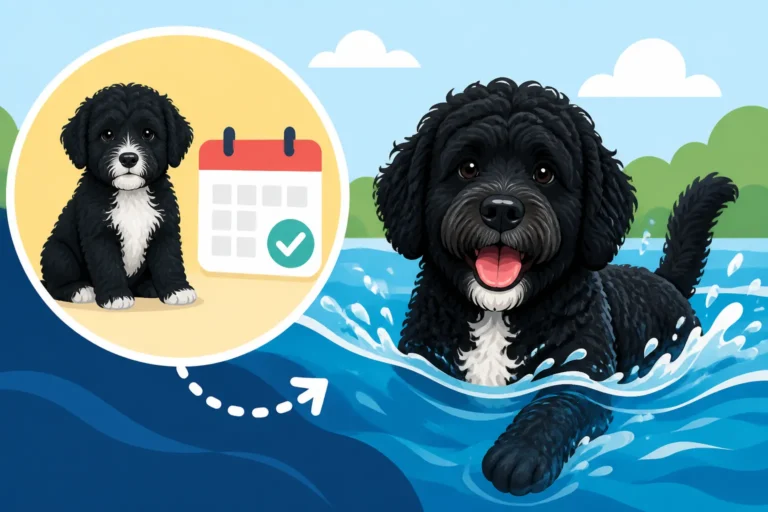
Understanding that every puppy develops at their own pace is key, but there are general guidelines for introducing your Portuguese Water Dog puppy to swimming. Think of it as a gradual progression, building confidence and physical conditioning over time, rather than a single event. The goal is to create a positive association with water and build stamina without compromising their developing body.
Early Introduction: The Gentle Wading Stage (8-16 Weeks)
When your Portuguese Water Dog puppy first comes home, usually around 8 weeks, their world is already full of new sights, sounds, and smells. The focus at this stage should be on positive experiences and gentle exposure, not strenuous activity. Think of it as "water appreciation" rather than "swimming lessons."
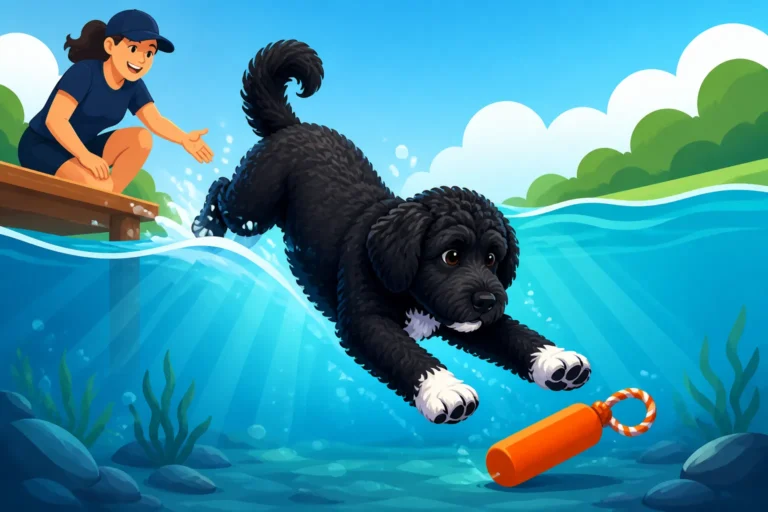
Start by letting your puppy simply explore shallow water. A kiddie pool with just an inch or two of warm water in the backyard can be perfect. Toss in a floating toy and let them wade, splash, and get their feet wet. Supervise closely and keep sessions very short, just a few minutes at a time. The aim is to make it a fun, low-pressure experience. You might even sit by the edge and let them splash you, reinforcing that water is a source of play and joy. Avoid any forced entry into the water; this can create a negative association and fear that is difficult to overcome later. If they seem hesitant, don't push it. Instead, try making it a game by tossing their favorite toy just at the edge of the water. Positive reinforcement, with lots of praise and treats, is vital. Remember, Teaching a Portuguese Water Dog Puppy to Enter Water should always be a happy experience.
Adolescent Exploration: Building Confidence (4-9 Months)
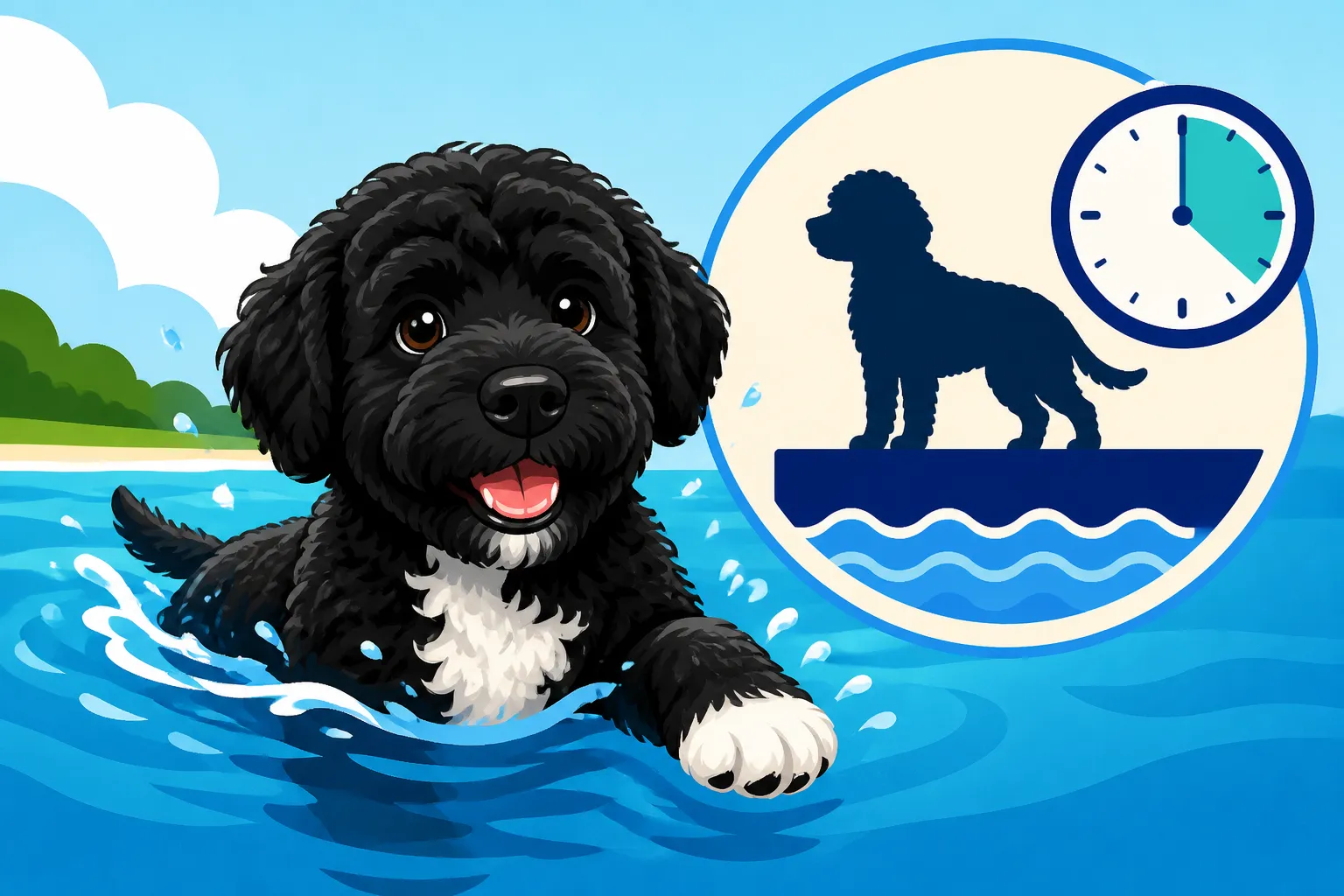
As your PWD puppy approaches four months old, their coordination improves, and they become more adventurous. This is the stage where you can start introducing them to slightly deeper water, still with easy access points and constant supervision. Focus on short, playful swimming sessions, perhaps 5-10 minutes at a time, two or three times a week.
Good places for this stage might be a calm, clean lake with a shallow entry, or a swimming pool where you can control the environment. Continue to use a well-fitting life jacket, especially if they are in water deeper than they can stand in. The life jacket provides buoyancy and security, allowing them to focus on the motion of swimming rather than struggling to stay afloat. Keep the sessions fun and engaging, using floating toys for retrieval games. Watch your puppy for signs of fatigue, like lagging behind, heavy panting, or losing interest. As soon as you see these, it's time for a break. Even though they are gaining strength, their stamina isn't fully developed, and pushing them too far can lead to exhaustion and potential danger. This is a critical period for building both physical endurance and mental confidence in the water.
Building Stamina: Mature Swims (9-12+ Months)
By nine months, many Portuguese Water Dogs are starting to look and act more like adult dogs, though they still have some growing to do. Their growth plates are likely nearing closure, and their muscles are strengthening. This is the time when you can gradually increase the duration and intensity of their swimming sessions.
You can work up to 15-20 minute sessions, several times a week, depending on your dog's individual fitness level and enthusiasm. At this point, they might be ready for more challenging water environments, like swimming in the ocean (watch for currents!) or participating in introductory water retrieval games. However, continue to monitor them for fatigue and always ensure they have a safe exit from the water. Even at this age, long, exhaustive swims should be avoided until their skeletal maturity is fully confirmed by your veterinarian. The ultimate goal is for your PWD to be a strong, confident, and safe swimmer throughout their life. Remember that The Age a Portuguese Water Dog Can Start Swimming vigorously isn't a hard and fast rule, but a guideline based on their physical development. Listen to your dog, consult your vet, and err on the side of caution.
| Puppy Age Range | Recommended Water Activity | Duration & Frequency | Key Considerations |
|---|---|---|---|
| 8-16 Weeks | Wading in shallow water (kiddie pool, gentle edge) | 2-5 minutes, 2-3 times/week | Positive exposure, no forced entry, constant supervision |
| 4-9 Months | Short, playful swims, supervised retrievals | 5-10 minutes, 2-3 times/week | Life jacket recommended, watch for fatigue, gradual depth |
| 9-12+ Months | Increased swim duration & intensity | 15-20 minutes, 3-4 times/week | Monitor stamina, ensure growth plates are closing, safe exits |
| 12-18+ Months | Regular, more vigorous swimming | 20-30+ minutes, daily if desired | Full skeletal maturity, conditioning, proper cool-down |
Practical Tips for Safe and Enjoyable Puppy Swims
Ensuring your Portuguese Water Dog puppy's swimming experiences are safe and fun involves more than just getting them wet. It requires preparation, the right gear, and consistent post-swim care. Just like any activity, setting up good habits from the beginning will make a world of difference.
Gear Up for Safety
Having the right equipment not only keeps your puppy safe but also makes your life easier as an owner. The most crucial piece of gear is a well-fitting canine life jacket. Even for a natural swimmer like a PWD, a life jacket provides an extra layer of security, especially when they are young, in unfamiliar water, or if they unexpectedly tire. Look for jackets with good buoyancy, bright colors for visibility, and a strong handle on the back for easy lifting and guiding. You can find a wide variety of excellent options on Amazon, often with adjustable straps to accommodate a growing puppy.
Beyond the life jacket, don't forget practical items:
- Absorbent Towels: You'll need plenty! PWDs love water, but they also bring a lot of it back with them. Keep a dedicated set of towels for your dog.
- Ear Cleaner: Water trapped in their ear canals can lead to infections. A good quality ear cleaner, recommended by your vet, is essential for post-swim care.
- Floating Toys: These are fantastic for encouraging gentle water entry and making the experience fun. Choose durable, brightly colored toys that are easy for your puppy to grab in the water.
- Fresh Water and Bowl: Your puppy will get thirsty, and drinking lake or pool water can lead to stomach upset. Always have fresh drinking water available.
Post-Swim Care: Drying and Ear Health
The fun doesn't stop when your puppy leaves the water. Proper post-swim care is vital for their health and comfort. A Portuguese Water Dog's dense, single coat is fantastic for insulation in water, but it also holds moisture. This can create a breeding ground for skin issues and mats if not properly dried. Drying a Portuguese Water Dog After Every Swim is crucial. Start by towel drying thoroughly. For puppies, especially those with thicker coats, a force dryer can be a game-changer. These dryers blow warm (not hot!) air at high velocity, pushing water out of the coat and significantly reducing drying time.
Even more important is ear care. PWDs have drop ears, which create a warm, moist environment that's perfect for yeast and bacteria to flourish, especially after swimming. This is why Why a Portuguese Water Dog's Ears Need Checking Every Week (and after every swim!) is so important. Gently clean their ears with a veterinarian-approved ear cleaner after each swim session. You'll apply the cleaner, massage the base of the ear, and then wipe out any excess moisture and debris with cotton balls. Never insert anything into the ear canal. This routine can help prevent painful and costly ear infections.
Training for Water Confidence and Control
While PWDs are naturally drawn to water, structured training can enhance their experience and ensure their safety. This isn't about teaching them how to swim, but rather how to behave around water. Early positive reinforcement is key. Use treats and praise to reward calm behavior around the water's edge. Practicing commands like "wait" or "stay" before they enter the water can prevent them from bolting in dangerously. Teaching a Portuguese Water Dog to Wait on the Bank is a great skill, especially if you're near a river or lake with varying currents.
Consider enrolling your puppy in basic obedience classes that emphasize positive reinforcement. Companies like BAXTER & Bella offer online puppy programs that can help you build a strong foundation of obedience and communication, which translates well to all aspects of training, including water work. These programs often focus on making training fun and engaging, which is exactly what a smart, eager-to-please PWD puppy needs. Later, you might explore specialized water work classes once your puppy is older and physically mature enough, which can teach them controlled retrievals and other water-based commands. Building a strong bond and clear communication through training makes every shared adventure, especially in the water, more enjoyable and safe.
Avoiding Common Pitfalls and Misconceptions
Even with the best intentions, it's easy to fall into traps or believe myths about Portuguese Water Dogs and swimming. Being aware of these common pitfalls can help you provide the best care for your puppy and prevent future problems.
Over-Exertion Warning Signs
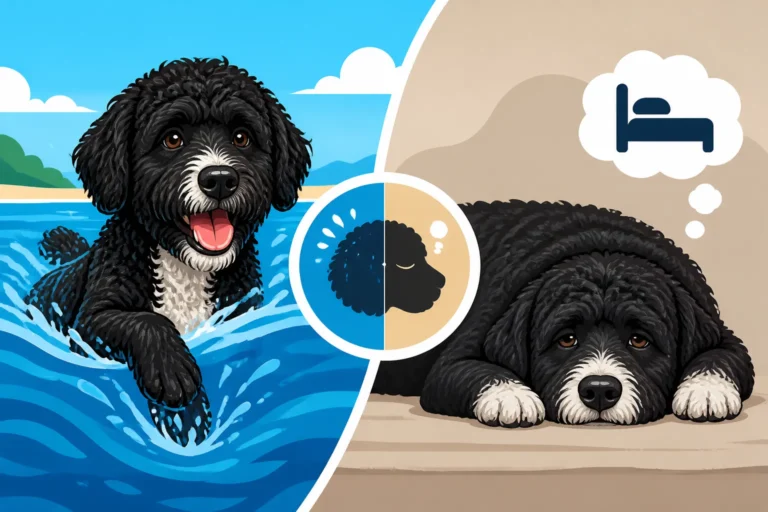
It's tempting to let your enthusiastic PWD puppy swim until they decide to stop. However, puppies don't always know their limits, and their desire to please can push them past the point of exhaustion. Over-exertion, especially in water, can be dangerous. It's not just about muscle soreness; it can lead to heatstroke on a hot day or even drowning if they become too fatigued to swim to safety.
Watch for these warning signs:
- Excessive panting or labored breathing: Beyond what's normal for light exercise.
- Lagging behind or struggling to stay afloat: They may be losing coordination.
- Dull or glazed eyes: A sign of fatigue or distress.
- Loss of interest in toys or the activity: If they suddenly stop playing, they're likely tired.
- Reluctance to enter the water: This could be a sign they're over it.
- Shaking or shivering: Can indicate cold or extreme fatigue.
If you observe any of these signs, immediately end the swimming session. Get your puppy out of the water, offer fresh drinking water, and allow them to rest in a cool, quiet place. Remember, short, frequent sessions are better than one long, exhausting one.
The "Swim-Every-Day" Myth
While Portuguese Water Dogs love water, and swimming is excellent exercise, the idea that they must swim every day, especially as puppies, is a misconception. A balanced exercise routine is crucial for a puppy's overall development. Whether Swimming Replaces Walking for a Portuguese Water Dog is a common question, and the answer is generally no. While swimming is fantastic for cardiovascular health and building muscle without impact, it doesn't provide the same mental stimulation or musculoskeletal variety as varied activities on land.
A puppy needs walks to explore new smells, interact with different surfaces, and learn leash manners. They need playtime with other dogs (appropriately socialized ones!) and opportunities for free-running in a safe, enclosed area (once their growth plates allow). Over-focusing on swimming to the exclusion of other activities can lead to an underdeveloped skill set or even repetitive strain injuries if the swimming is too intense. Think of swimming as part of a well-rounded exercise program, not the sole component. It's about quality over quantity, especially when they're young.
Water Quality and Environment
Not all water is created equal, and where your Portuguese Water Dog puppy swims matters for their health.
- Chlorinated Pools: Generally safe, but chlorine can be drying to their coat and skin. Always rinse your puppy thoroughly with fresh water after a pool swim to remove chlorine residue. This helps prevent skin irritation and matting.
- Lakes and Ponds: These can be wonderful, but they also carry risks. Be aware of potential algae blooms (especially blue-green algae, which is highly toxic), water parasites (like giardia or leptospirosis, for which preventative vaccination is recommended), and sharp objects beneath the surface. Avoid stagnant or murky water. After swimming in a lake or pond, a thorough rinse and ear cleaning are essential.
- Ocean/Saltwater: Many PWDs adore the ocean! The waves and vastness provide great mental and physical stimulation. However, salt water can be very drying to their skin and coat, leading to irritation and matting. Again, a thorough rinse with fresh water immediately after an ocean swim is critical. Also, be mindful of strong currents, undertows, and marine life that could be dangerous. Always check local conditions and warnings.
No matter the environment, always ensure the water is clean, safe, and free from debris. A little common sense and vigilance go a long way in ensuring your Portuguese Water Dog puppy can safely enjoy their natural calling to the water.
Disclaimer
This article is for general informational purposes only and does not constitute professional advice. Laws, prices and regulations vary by location and change over time. Consult a qualified professional for guidance on your specific situation.