Whether a Clipped Portuguese Water Dog Sunburns
One concern that often pops up for Portuguese Water Dog owners, especially those who love a shorter, more practical clip for their active companions, is the risk of sunburn. It's a valid worry, as that magnificent, dense coat that protects them so well in the water also serves as a natural shield against the sun's harsh rays. This comprehensive guide will walk you through why a clipped Portuguese Water Dog is susceptible to sunburn, how to spot the signs, and, most importantly, how to keep your water-loving pal safe under the summer sun.
Understanding Your PWD's Natural Sun Protection
Portuguese Water Dogs are, by their very nature, built for the elements. Their ancestors worked tirelessly on the fishing boats off the coast of Portugal, diving into chilly waters and enduring all kinds of weather. Their unique coat is a testament to this heritage, providing both insulation and protection.
The Protective Nature of the PWD Coat
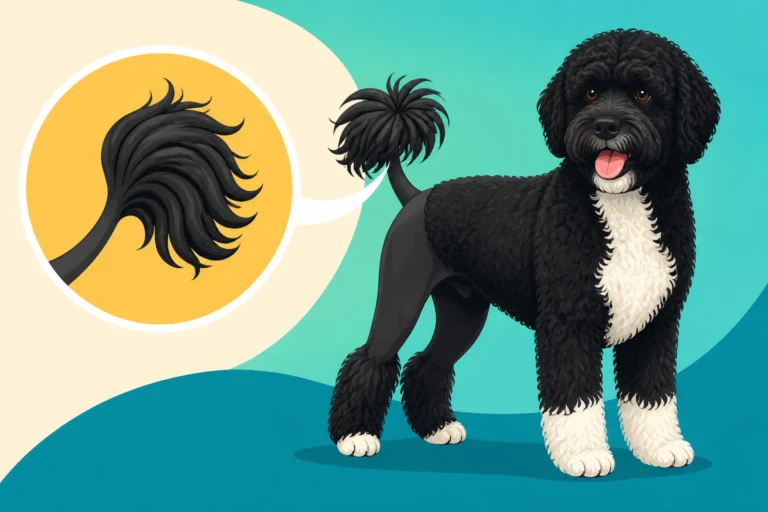
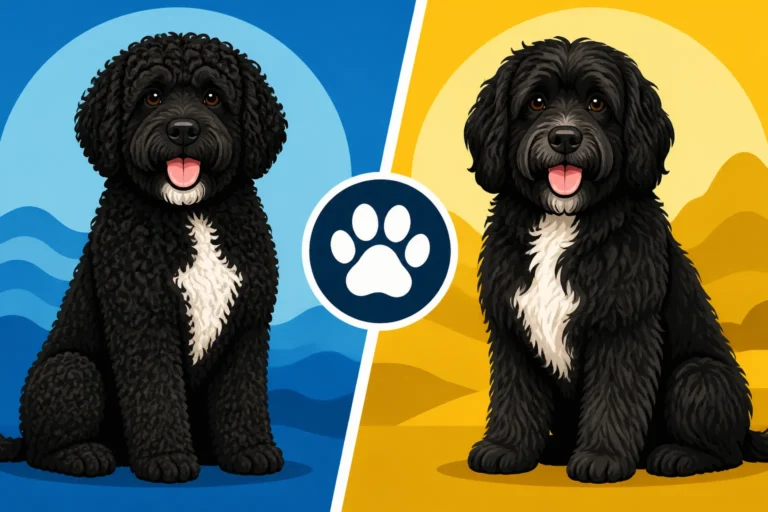
The Portuguese Water Dog's coat is a marvel of nature. Unlike many other breeds that have a double coat with a soft underlayer and a harsher topcoat, PWDs have a single coat. This coat is dense, either curly or wavy, and has a particular texture that makes it virtually waterproof. It's designed to protect them from the cold ocean water, but it also acts as a fantastic barrier against the sun. Think of it as a natural, built-in rash guard. The tightly packed curls or waves create a thick layer that UV rays struggle to penetrate, shielding their skin from direct exposure. This is why a PWD with a full, unclipped coat can spend hours outdoors, even on bright days, with less risk of skin damage compared to a short-haired breed or a dog with a thinner coat. This dense protection also helps them regulate their body temperature, keeping them warm in cold water and providing a layer of insulation against heat on land. You can delve deeper into What a Portuguese Water Dog's Coat Is Made Of to understand its unique structure.
How Clipping Alters Protection
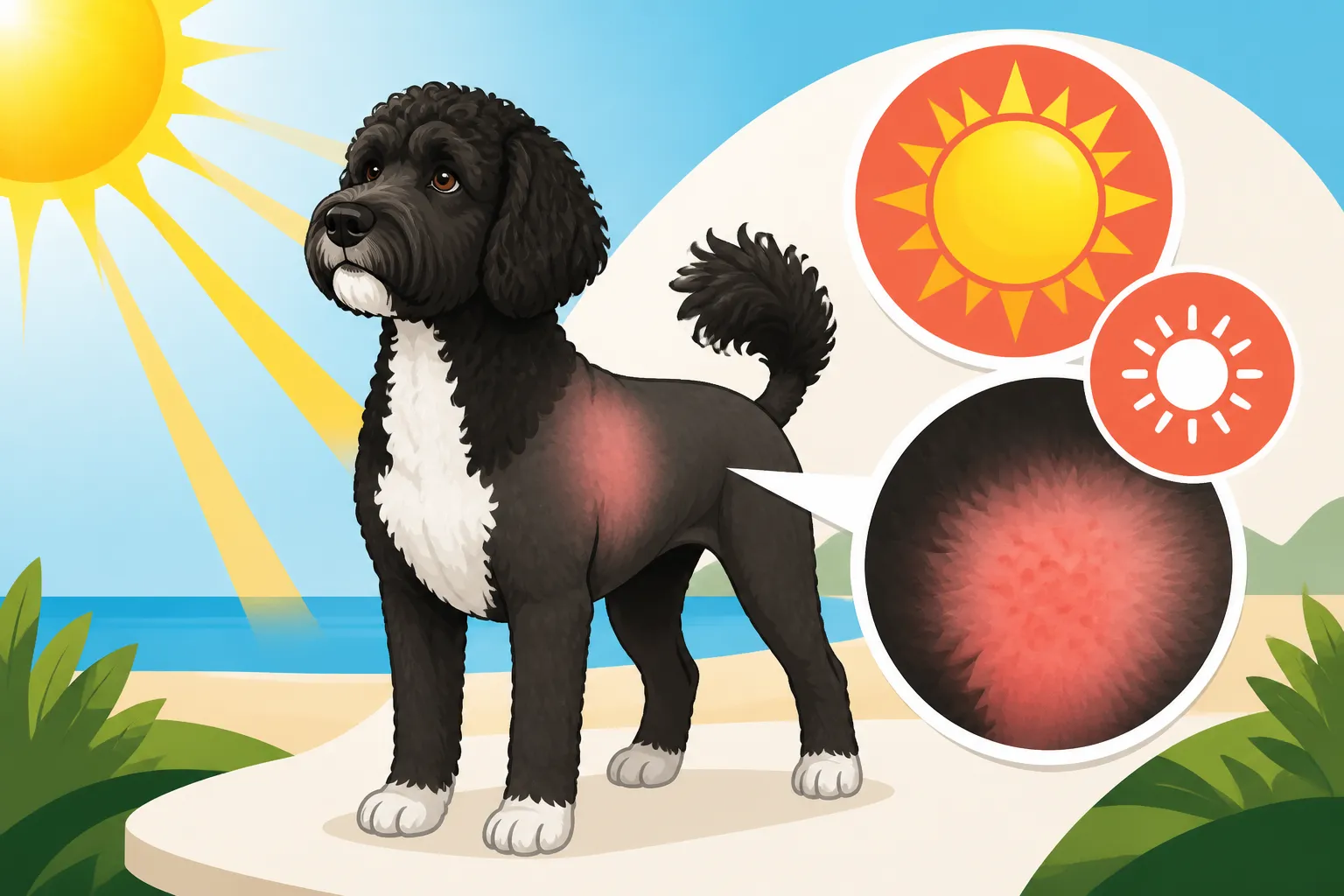
When we choose to clip our Portuguese Water Dogs, whether for ease of grooming, to prevent matting, or simply for a different aesthetic, we're essentially removing a significant portion of that natural sun shield. While a shorter clip, like the popular retriever clip, might seem more practical for a dog that's constantly in and out of the water, it also exposes their skin. The shorter the hair, the less barrier there is between the sun's ultraviolet (UV) rays and your dog's delicate skin. This is especially true for areas where the coat is traditionally clipped very short, such as the back, head, and belly. These areas become vulnerable to the same kind of damage that humans experience from sun exposure, including redness, tenderness, and even painful blistering. It's a trade-off: a lighter, easier-to-maintain coat comes with the added responsibility of ensuring adequate sun protection, just as you'd consider The Retriever Clip Is the Coat Most Portuguese Water Dogs Wear in terms of maintenance.
Recognizing and Preventing Sunburn on Your PWD
It’s easy to overlook sunburn on a dog, especially one with a darker coat or a still-somewhat-dense shorter clip. But just like us, they can get uncomfortable and even suffer long-term health consequences from repeated exposure. Vigilance is key!
Signs Your PWD Might Be Sunburned
Recognizing sunburn on your Portuguese Water Dog might not be as obvious as it is on a fair-skinned human. Their skin is often pigmented, and any remaining coat can mask early signs. However, there are definitely clues to look for. The most common signs of sunburn are redness and tenderness, particularly on areas with sparse hair or where the coat has been clipped very short. Think about the bridge of their nose, the tips of their ears, their belly, groin area, and along their back if they have a very short clip. You might notice their skin appears pinker or redder than usual. When you gently touch these areas, your dog might flinch, pull away, or show signs of pain, indicating that the skin is sore. In more severe cases, you might even see blistering, peeling, or crusty skin, similar to a severe human sunburn. Your dog might also be lethargic, have a fever, or show signs of discomfort like excessive licking or scratching at the affected areas. Regularly checking your PWD for any unusual skin changes, especially after extended time outdoors, is a good habit. This ties into general skin health, like knowing How to Check a Portuguese Water Dog for Lumps.
Practical Sun Protection Methods
Preventing sunburn in a clipped Portuguese Water Dog is all about creating a barrier and managing their sun exposure. Here are several practical strategies you can employ:
- Timing Outdoor Activities: This is perhaps the simplest and most effective method. Avoid taking your PWD out during the peak sun hours, typically between 10 AM and 4 PM. Early mornings and late afternoons are much safer for walks, swims, and play. If they're Whether a Portuguese Water Dog Overheats in Summer, it's even more crucial to manage their outdoor time.
- Pet-Safe Sunscreen: Yes, doggie sunscreen is a thing! Look for sunscreens specifically formulated for pets that are non-toxic and zinc-oxide free, as zinc can be toxic if ingested. Apply it generously to vulnerable areas like the ear tips, nose, and any areas where the coat is very short. Reapply frequently, especially if your PWD is swimming. You can often find suitable options on platforms like Chewy or Amazon.
- Protective Clothing: For dogs with very short clips, special UV-protective clothing can be a game-changer. Dog rash guards or lightweight shirts designed for sun protection offer a physical barrier over their back and belly. Many brands offer styles suitable for active dogs, allowing them to swim and play comfortably while staying protected.
- Shade, Shade, Shade: Always ensure your PWD has access to ample shade when outdoors. If you're at the beach or park, bring an umbrella or a pop-up tent. In your yard, make sure they have shady spots under trees or a covered patio.
- Dietary Support for Skin Health: While not a direct sunblock, a healthy diet supports overall skin and coat health, which can make their skin more resilient. Quality food, possibly with added omega fatty acids, can help. Brands like Ollie focus on fresh, nutritious meals that can contribute to a healthier coat and skin from the inside out.
| Protection Method | Description | Best For | Considerations |
|---|---|---|---|
| Time Restriction | Avoiding peak sun hours (10 AM – 4 PM). | All PWDs, especially those with short clips or sensitive skin. | Requires schedule adjustment. Still consider other methods for residual exposure. |
| Pet-Safe Sunscreen | Topically applied cream/spray to exposed skin. | Nose, ear tips, thinly haired areas, belly. | Must be zinc-oxide free; reapply frequently, especially after swimming. Can be licked off. |
| UV Protective Clothing | Rash guards, shirts designed to block UV rays. | Back, chest, abdomen, especially for heavily clipped areas or very active dogs. | Needs to be comfortable, breathable, and not cause overheating. May get wet and need drying after swimming. |
| Providing Shade | Access to natural or artificial shaded areas (trees, umbrellas, tents). | All outdoor activities, essential for prolonged outdoor time. | Requires planning for outdoor locations; shade moves with the sun. |
| Coat Length Management | Keeping the coat slightly longer (e.g., a longer retriever clip) in sunny months. | PWDs prone to sunburn or those spending significant time outdoors. | May require more frequent grooming to prevent matting, as discussed in The Lion Clip Costs a Portuguese Water Dog Owner Daily Brushing. |
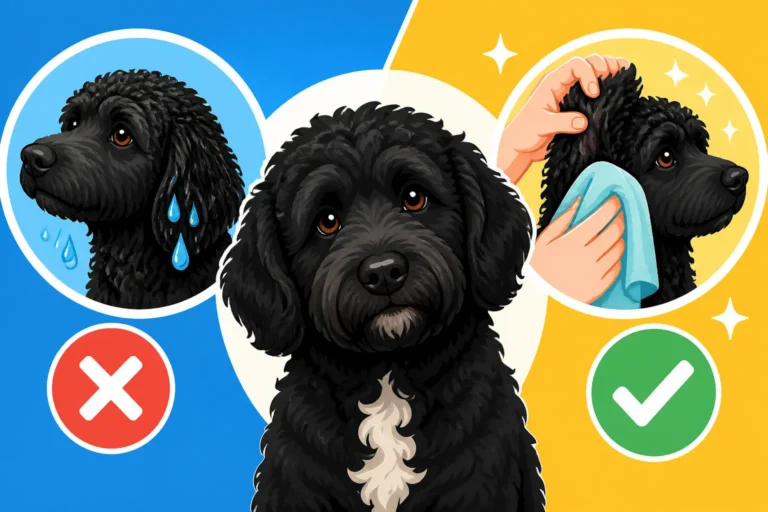
| Rinsing After Swims | Rinsing off chlorine or saltwater after swimming. | All PWDs, especially those frequently swimming. | While not direct sun protection, it helps maintain coat and skin health, reducing irritation that can exacerbate sun sensitivity. Refer to Drying a Portuguese Water Dog After Every Swim. |
Care for Sunburned Skin and Long-Term Considerations
Even with the best intentions, sometimes a little too much sun happens. Knowing how to respond to sunburn and what to keep in mind for your dog's long-term skin health is crucial for responsible Portuguese Water Dog ownership.
Immediate Steps for Sunburned Skin
If you suspect your Portuguese Water Dog has gotten a bit too much sun, the first thing to do is get them out of the sun immediately and into a cool, shaded environment. Gently assess the affected areas. For mild redness and tenderness, a cool, damp compress can help soothe the skin, much like you would for a human sunburn. You can apply a thin layer of pet-safe aloe vera gel (ensure it’s pure aloe vera and contains no other ingredients that could be harmful if licked). Avoid any human lotions or creams unless specifically instructed by your vet, as many contain ingredients that can be toxic to dogs if ingested. Keep your dog hydrated by offering fresh, cool water.
If the sunburn appears severe – if you see blistering, significant pain, lethargy, or any signs of infection – it's absolutely time to call your veterinarian. They can prescribe appropriate pain relief, anti-inflammatory medications, or antibiotics if an infection has set in. Do not try to pop blisters or apply home remedies without professional guidance, as this could worsen the condition or lead to complications. Remember, dogs can be stoic, so even mild signs might indicate significant discomfort.
Long-Term Coat Health and Sun Exposure
Looking ahead, managing your Portuguese Water Dog's coat and sun exposure is a marathon, not a sprint. Repeated sunburns don't just cause immediate discomfort; they can lead to chronic skin issues, premature aging of the skin, and, in severe cases, even increase the risk of skin cancer. This is particularly relevant for dogs with lighter pigmentation or very sparse coats.
Consider adjusting your grooming routine during sunnier months. While a very short clip might be tempting for cooling, leaving slightly more length can provide an extra layer of protection. Talk to your groomer about a "summer trim" that balances practicality with sun safety. They might suggest a longer guard length for their body, while still keeping other areas tidy. Knowing How Long a Shaved Portuguese Water Dog Takes to Regrow can also help you plan your clipping schedule.
Beyond grooming, fostering a healthy coat from the inside out is always beneficial. A balanced diet rich in essential fatty acids helps maintain a strong skin barrier and a lustrous coat. Ensure your dog receives all necessary nutrients, as diet plays a vital role in skin resilience. Even the type of shampoo you use, as detailed in Which Shampoo Suits a Portuguese Water Dog's Coat, can impact coat health. Regular veterinary check-ups are important too, as they can help you monitor your dog's skin health over time and address any concerns promptly. Being proactive with sun protection for your clipped Portuguese Water Dog is an act of love that ensures they can continue to enjoy their active, water-filled lives safely and comfortably.
Disclaimer
This article is for general informational purposes only and does not constitute professional advice. Laws, prices and regulations vary by location and change over time. Consult a qualified professional for guidance on your specific situation.