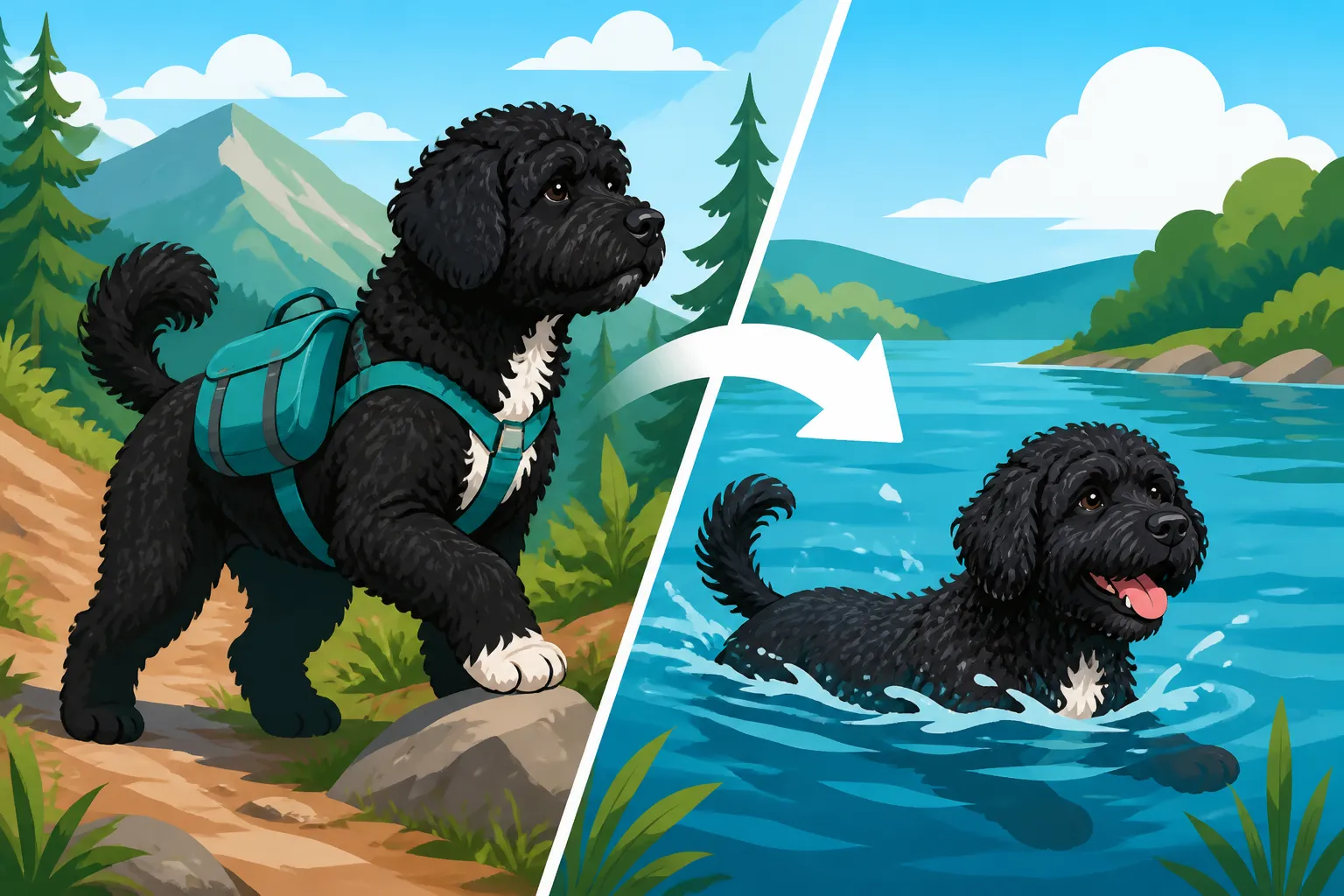
Whether a Portuguese Water Dog Hikes to Get to Water
As a Portuguese Water Dog owner, you've likely seen that undeniable pull toward water, whether it's a puddle, a lake, or the crashing ocean waves. It’s natural to wonder if your adventurous spirit for hiking can truly align with your water-loving companion, especially if your favorite trails don't always hug a shoreline. The common frustration is wanting to give your PWD the exercise they crave while also indulging their breed's deep-seated connection to water. This guide will dive deep into understanding your Portuguese Water Dog's instinctual drive and how to create enriching hiking experiences, both near and far from water, ensuring a happy and well-exercised companion.
The Inherent Drive for Water in a Portuguese Water Dog
It's no secret that Portuguese Water Dogs are, well, water dogs. Their history is steeped in maritime work along the coasts of Portugal, where they served as invaluable companions to fishermen. This isn't just a cute breed trait; it's a fundamental part of their genetic makeup and temperament. When you see your PWD eyeing a stream or getting excited at the sound of a sprinkler, you're witnessing generations of instinct at play.
Their Ancestral Calling and Instinct
Imagine those old fishing boats, bobbing on the Atlantic. The Portuguese Water Dog wasn't just decorative; they were working dogs, herding fish into nets, retrieving lost tackle, and even carrying messages between boats. Their physical attributes—the robust, athletic build, the powerful rudder-like tail, and especially those famously webbed feet—are all perfectly designed for aquatic prowess. For a Portuguese Water Dog, water isn't just a fun place to play; it's where they were meant to be. This deep-seated instinct means that for many PWDs, a walk or a run doesn't quite feel complete without some form of water interaction. They have a natural inclination to jump in, retrieve, and just generally explore any body of water they encounter. This historical context helps us understand What a Portuguese Water Dog Was Bred to Do on a Boat and why their drive for water is so profound.
Their intelligence and problem-solving skills, honed by working independently on those boats, also play a role. They aren't just blindly chasing a ball; they're actively engaging with their environment, and when water is present, it sparks a deep, satisfying engagement that dry land often can't replicate entirely. When you're out on a trail that leads to a hidden swimming hole, you'll see your PWD's eyes light up with a specific kind of joy and anticipation that speaks volumes about their heritage.
What Happens When Water Isn't Available
So, what happens when you’re on a glorious hike, but there's no lake, river, or even a decent stream in sight? For some Portuguese Water Dogs, especially those whose owners have consistently provided them with water access, a purely dry hike might feel a little… incomplete. They might still enjoy the smells, the new sights, and the physical exertion, but that extra spark, that full-body engagement that water provides, could be missing. You might notice them sniffing around more intently, perhaps looking for puddles or showing less sustained enthusiasm than they would if a swim were on the agenda.
An under-exercised Portuguese Water Dog, or one whose water drive isn't satisfied, might find other outlets for their energy and intelligence, which aren't always desirable. This could manifest as excessive chewing, digging, or even a general restlessness at home. It's not that they can't enjoy a dry hike, but it highlights the importance of balancing their physical needs with their inherent mental and instinctual desires. Think of it this way: a chef enjoys a walk, but they truly thrive in a kitchen. For your PWD, the "kitchen" is often water. Understanding What an Under Exercised Portuguese Water Dog Does can give you insights into preventing undesirable behaviors by meeting their breed-specific needs.
Making Dry Land Hikes Enjoyable for a Water Dog
Just because your Portuguese Water Dog loves water doesn't mean they can't enjoy a fantastic dry-land adventure. It just means you might need to adjust your approach slightly to cater to their intelligent, working-dog minds and robust energy levels. The key is making the dry hike engaging and mentally stimulating, not just physically tiring.
Training for Off-Water Enjoyment
Effective training is paramount for a PWD, regardless of the terrain. Their intelligence means they learn quickly, but their independent nature means they need consistent, positive reinforcement. To make dry hikes enjoyable, focus on commands that encourage exploration and engagement with you. Recall is, of course, critical, but also consider "find it" games with treats hidden in the grass or under logs. This taps into their keen sense of smell and their natural desire to work. Training a Portuguese Water Dog That Was Bred to Think for Itself is an essential read for any PWD owner, as it delves into strategies that resonate with their unique personality.
Introducing a hiking pack, even a small one to carry their own water bottle (especially important on dry hikes!), can give them a "job," fulfilling that working dog instinct. Start with short durations and light loads, gradually increasing as they build stamina and confidence. Positive reinforcement with high-value treats and enthusiastic praise will make them associate these dry-land activities with positive experiences. For effective training tools and resources, many owners find value in online programs and communities. Brands like BAXTER & Bella offer comprehensive training solutions that can be adapted to various environments, helping build a strong bond and reliable obedience, whether you're by the water or miles inland.
Enriching the "Dry" Hike Experience
When water isn't an option, you need to crank up the mental stimulation. Portuguese Water Dogs are smart, and a simple walk on a leash won't cut it for long. Here are some ideas:
- Scent Work: Let them lead! On a dry trail, their nose becomes their primary tool. Allow them to stop, sniff, and investigate interesting scents. This is mentally exhausting and incredibly satisfying for them. You can even hide treats along the trail for them to discover, turning the hike into a giant game of "find it."
- Vary the Terrain: Instead of flat, paved paths, seek out trails with varied surfaces—dirt, gravel, rocky patches, and fallen leaves. Climbing over obstacles or navigating uneven ground provides both physical challenge and mental engagement.
- Interactive Toys: Bring a favorite, durable toy, perhaps one that can be easily thrown and retrieved without getting too dirty. For dogs that are naturally mouthy, this can provide an outlet. Just be mindful of other hikers and wildlife.
- Training Drills: Integrate short training sessions throughout your hike. Practice "sit," "stay," "heel," or even more complex tricks. This keeps their mind active and reinforces your bond. A well-placed "down-stay" on a scenic overlook can be a great photo opportunity and a mental challenge.
By focusing on these elements, you can transform a seemingly "boring" dry hike into an engaging adventure that meets many of your PWD's needs, even without a splash.
Combining Hiking and Swimming: The Best of Both Worlds
For many Portuguese Water Dog owners, the ideal scenario is a hike that culminates in, or at least includes, some water time. This truly allows your PWD to embrace their heritage and gives them a complete, satisfying experience. Finding these perfect spots requires a little planning, but the joy on your dog's face is worth every effort.
Finding Water-Accessible Trails
The first step is research. Look for national or state parks, wilderness areas, or even local preserves that specifically mention dog-friendly water access. Online trail guides, forums, and local dog groups are invaluable resources. When searching on platforms like Amazon for hiking gear or books on local trails, always keep an eye out for mentions of lakes, rivers, or streams.
Consider these types of locations:
- Lakes with Designated Dog Beaches: Many parks have areas where dogs are allowed off-leash to swim. These are perfect for letting your PWD truly unleash their aquatic instincts.
- Rivers and Streams: Trails that follow a river or stream often provide multiple access points for a quick dip. Just be mindful of currents and water quality. Remember, How a Portuguese Water Dog Can Swim in a Lake is different from a fast-moving river.
- Coastal Trails: If you're lucky enough to live near the coast, beaches that allow dogs (especially during off-peak hours or seasons) can be a PWD paradise. Make sure to rinse off salt water thoroughly afterward, as Whether Salt Dries a Portuguese Water Dog's Coat Into Mats is a real concern.
Always check regulations before you go. Some areas require dogs to be on leash even when swimming, while others have specific hours for dog access. Being prepared means a stress-free outing for both of you.
Managing Expectations on Mixed Terrain
Even on trails with water access, you might not be splashing around every five minutes. It's important to manage your expectations and your dog's. Your PWD will likely be looking for water, and their excitement might build as they get closer to a potential swim spot. This is where your training comes in again. Teach a "wait" command at the water's edge, or a "leave it" if the water isn't suitable.
A great way to integrate both elements is to plan your hike to have a significant water break in the middle or at the end. This allows your PWD to burn off some energy on the trail, then have a fulfilling swim, and perhaps a calmer walk back. You'll often find that after a good, long swim, your Portuguese Water Dog is far more amenable to walking calmly on a leash, feeling physically and mentally satisfied.
Here's a comparison of what to consider when planning a hike for your PWD:
| Feature | Purely Dry Hike | Water-Inclusive Hike |
|---|---|---|
| Primary Goal | Physical exercise, scent work, mental stimulation | Physical exercise, fulfilling water drive |
| PWD Reaction | Enjoys smells, exploring, may seek puddles | Highly enthusiastic, focused on water, intense joy |
| Owner Strategy | Maximize scent games, vary terrain, integrate training | Research water access points, plan swim breaks |
| Key Gear | Durable leash, sturdy harness, water bottle, high-value treats | Life jacket, towels, ear cleaner, long line, durable water toys |
| Post-Hike Care | Brush off debris, check paws | Thorough drying, ear cleaning, coat check, paw care |
| Mental Satisfaction | High with engagement and enrichment | Extremely high, taps into primal instincts |
| Physical Satisfaction | High with adequate distance and pace | Very high, swimming is a full-body workout |
Gear and Safety for Water-Focused Hikes
When you're out with a Portuguese Water Dog, especially near water, having the right gear and keeping safety top of mind isn't just a suggestion—it's essential. Their enthusiasm for water means they can sometimes be impulsive, so being prepared for anything ensures a fun and safe adventure for both of you.
Essential Gear for Water Hikes
Your standard hiking gear needs a few PWD-specific additions when water is involved.
- Life Jacket: Even the strongest swimmers can tire, especially in open water, strong currents, or if they retrieve for extended periods. A well-fitting life jacket with a sturdy handle on the back is a non-negotiable. This handle is crucial for guiding them out of the water, or even lifting them if they get into trouble. Look for bright colors for visibility. When a Portuguese Water Dog Needs a Life Jacket delves deeper into this important topic.
- Absorbent Towels and Drying Solutions: Your PWD's coat, whether curly or wavy, is designed to repel water, but it will still be damp, and you definitely don't want a soggy dog in your car or home. Bring several highly absorbent towels. Some owners even use portable force dryers (small, battery-operated ones) for a quick post-swim blast, or at least a thorough towel-drying session. Drying a Portuguese Water Dog After Every Swim is critical to prevent skin issues.
- Ear Cleaner: Portuguese Water Dogs are prone to ear infections due to their floppy ears and love of water. A good quality ear cleaner and cotton balls should be part of your post-swim routine. Why a Portuguese Water Dog's Ear Canal Traps Water explains why this is so important.
- Long Line: While off-leash play is wonderful, a long line (a 15-30 foot training leash) can give your PWD more freedom to explore near water while still maintaining control in areas where off-leash isn't safe or permitted. This is especially useful for practicing recall around distractions.
- Water-Friendly Toys: Choose toys that float, are durable, and are easy for your dog to spot in the water. Rubber bumpers or floating discs are excellent choices. Avoid sticks, which can splinter and cause injury.
These items can often be found readily on Amazon, offering a wide selection of options to suit your needs and your PWD's size and activity level.
Safety Considerations Around Water
A Portuguese Water Dog's natural affinity for water doesn't mean they're immune to its dangers. Always prioritize safety:
- Water Quality: Before letting your dog swim, assess the water. Avoid stagnant water, areas with visible algae blooms (especially blue-green algae, which is toxic), or strong odors. Check for "no swimming" advisories for humans, as these usually apply to dogs too. Whether Pool Chlorine Hurts a Portuguese Water Dog is a common question, but natural bodies of water carry different risks.
- Currents and Tides: Lakes are generally calmer, but rivers can have strong, deceptive currents. Ocean tides can be powerful and pull a dog out to sea quickly. Always be aware of the water's movement and keep your dog close in strong currents.
- Underwater Hazards: Submerged rocks, sharp debris, fishing lines, or broken glass can all pose a threat. Try to choose clear, shallow entry points and be vigilant. How Often a Portuguese Water Dog Gets Cut Pads on Rocks can be reduced by careful observation.
- Temperature: While PWDs handle cold water well thanks to their dense coats, extreme temperatures, both hot and cold, can be dangerous. Be mindful of very cold water, especially on long swims, and avoid swimming in scorching heat to prevent overheating.
- Wildlife: Be aware of local wildlife. Alligators, venomous snakes, and even aggressive birds can pose a threat near water. Keep your dog supervised and on a leash in areas where such wildlife is present.
- Recall Practice: A strong recall is perhaps your best safety tool. Practice it diligently, especially around water, so you can call your dog back from a potentially dangerous situation. Teaching a Portuguese Water Dog to Wait on the Bank is an excellent command for safety near water.
By being diligent with both gear and safety practices, you can ensure that those water-inclusive hikes are not only incredibly fun but also safe for your beloved Portuguese Water Dog. They live for these adventures, and it's our job as responsible owners to make sure they can enjoy them fully and safely.
Disclaimer
This article is for general informational purposes only and does not constitute professional advice. Laws, prices and regulations vary by location and change over time. Consult a qualified professional for guidance on your specific situation.