Caring for an Aging Portuguese Water Dog
Watching your vibrant, energetic Portuguese Water Dog start to slow down can be a really bittersweet experience. One day they're bouncing like a puppy, and the next you notice a little stiffness, a slower pace, or maybe they just don't hear you quite as well. It’s a natural part of life, but it doesn't make it any easier to navigate. This comprehensive guide is here to walk you through everything you need to know about caring for an aging Portuguese Water Dog, ensuring their golden years are as comfortable, happy, and healthy as possible.
Understanding the Golden Years: When Does a PWD Become a Senior?
It’s easy to think of "senior dog" as a blanket term, but just like with people, aging looks different for every dog, even within the same breed. For a Portuguese Water Dog, known for their robust health and boundless energy, the transition can sometimes feel sudden, or it can be a slow, subtle shift over a year or two. Knowing what to expect and when to adjust your routine is key to supporting them through this next chapter.
Defining "Senior" for a Portuguese Water Dog
Generally, most medium-to-large breeds like our beloved PWDs start showing signs of being senior around 7-8 years of age. However, a Portuguese Water Dog often maintains a puppy-like enthusiasm for life well into their middle years, sometimes making the onset of seniority a bit deceptive. You might not see a dramatic slowdown, but rather a gradual decrease in stamina or a slight graying around the muzzle that signals they're entering their elder years. It’s less about a strict calendar date and more about observing the subtle changes in their behavior and physical capabilities.
It's helpful to understand that while they might not act "old," their internal systems are definitely maturing. Their metabolism begins to slow, their joints might not be as lubricated, and their immune system could be less robust than in their prime. This means that even if they're still keen on fetching every ball, their body needs different support. Recognizing these internal shifts is more important than waiting for outward signs of frailty. Remember that The Age a Portuguese Water Dog Is Considered Senior can vary, but generally, proactive care should begin as they approach the eight-year mark.
The Gradual Shifts You'll Notice
The beauty of living with a Portuguese Water Dog is their incredible resilience and zest. But even the most indefatigable PWD will start to show signs of age. You might first notice them sleeping a bit more, perhaps not jumping quite as high to greet you, or maybe they’re just a tad slower on their morning walk. Their coat might start to gray, particularly around the muzzle and eyes, giving them a distinguished, wise appearance. These are often the first, gentle hints that your once-boundless companion is beginning to feel the effects of time.
Beyond physical changes, you might also observe shifts in their routine or demeanor. They might become less tolerant of boisterous puppies, preferring a quiet nap to a wrestling match. Some PWDs can become a little more sensitive to loud noises or changes in their environment. It’s crucial to pay attention to these nuanced signals. For a deeper dive into what to look for, exploring resources like What Changes in a Portuguese Water Dog After Nine can provide valuable insights into the specific physiological and behavioral shifts common in PWDs.
Adjusting Nutrition and Hydration
Just as our own dietary needs change as we age, so do those of our senior Portuguese Water Dogs. What worked perfectly for their youthful, high-energy metabolism might not be the best choice for a dog whose activity levels have decreased and whose body is working a little differently. Proper nutrition is one of the most powerful tools we have to support their health and comfort in these later years.
Tailoring Their Diet
One of the biggest nutritional shifts for an aging PWD is a potential decrease in caloric needs. They might not be running as many miles or swimming for as long as they once did, leading to a slower metabolism. Continuing to feed them the same high-calorie, active-formula food can lead to unwanted weight gain, which puts extra strain on their joints and organs. Look for senior-specific dog foods that are typically lower in calories but still high in quality protein to maintain muscle mass. Many excellent brands offer formulas specifically designed for senior dogs, available through retailers like Chewy or Amazon.
Beyond calorie count, consider the digestibility of their food. As dogs age, their digestive systems can become more sensitive. Senior dog foods often contain prebiotics and probiotics to support gut health. You might also find formulas with increased fiber to aid digestion and maintain regularity. If your PWD is starting to have dental issues, or seems less enthusiastic about their kibble, you might need to think about softer food options. Whether an Aging Portuguese Water Dog Needs Softer Food is a common question, and sometimes, a mix of wet food with kibble, or even a fresh food option like Ollie, can make a huge difference in their enjoyment and intake.
Whether an Aging Portuguese Water Dog Loses Its Appetite
It can be incredibly worrying when your once-food-motivated PWD starts turning up their nose at mealtime. A decreased appetite in an aging Portuguese Water Dog isn't always just pickiness; it can be a sign of underlying issues that need attention. Dental pain, gastrointestinal upset, organ discomfort, or even just a diminished sense of smell can all contribute to a lack of interest in food. It’s vital to rule out any medical causes with your veterinarian if you notice a sustained drop in appetite.
Once medical issues are addressed, there are things you can do to encourage eating. Warming food slightly can enhance its aroma, making it more appealing. Adding a little low-sodium chicken broth or canned pumpkin (plain, not pie filling!) can also entice a hesitant eater. Offering smaller, more frequent meals might be easier for them to manage. Sometimes, a change in food texture, like switching to a softer pate-style wet food or a fresh food diet like Ollie, can make all the difference, especially if chewing has become uncomfortable due to dental issues.
Hydration for Healthy Aging
Just like with humans, proper hydration is critical for senior dogs, yet it's often overlooked. Older PWDs can be more prone to dehydration due to various factors, including decreased thirst drive, kidney issues, or certain medications. Dehydration can exacerbate existing health problems and make them feel generally unwell, impacting their energy levels and organ function. Ensuring your aging Portuguese Water Dog has constant access to fresh, clean water is non-negotiable.
Consider placing multiple water bowls around the house, especially near their favorite resting spots, so they don't have to travel far. A large, ceramic bowl is often preferred by dogs as it keeps water cooler. Some dogs are enticed by moving water, so a pet drinking fountain, available on Amazon, might encourage them to drink more. If they're particularly reluctant, adding a little water or broth to their food can increase their fluid intake. Always monitor their water consumption and watch for signs of dehydration, such as lethargy, dry gums, or sunken eyes, and consult your vet if you have concerns.
Adapting Exercise and Maintaining Mobility
The Portuguese Water Dog is a breed built for activity, for long days working on a fishing boat, swimming and retrieving. While their desire to move often remains strong, their bodies might not be able to keep up with the same intensity as they once did. Adapting their exercise routine and supporting their mobility is crucial to keeping them happy, healthy, and pain-free in their senior years.
Safe Physical Activity
Gone are the days of endless hours of dock diving or multi-mile runs for many senior PWDs. Instead, think "quality over quantity" when it comes to exercise. Shorter, more frequent walks on softer surfaces like grass or dirt trails can be much easier on their joints than pavement. Gentle games of fetch in the yard, rather than across a huge field, can still provide mental and physical engagement without overexertion. Always pay attention to their cues: are they lagging behind? Are they limping afterward? Respect their limits and don't push them.
Swimming remains an excellent low-impact exercise for many Portuguese Water Dogs, as it supports their joints without bearing weight. Whether an Aging Portuguese Water Dog Should Still Swim is a question many owners ponder, and the answer is often yes, with modifications. Ensure the water is a comfortable temperature, and use a ramp or shallow entry points to make getting in and out easier. A well-fitting life jacket can provide extra buoyancy and security, making the experience less strenuous. Just be mindful of the duration and ensure they are thoroughly dried afterward to prevent skin issues.
Supporting Aches and Pains
Unfortunately, as our PWDs age, aches and pains become more common. Arthritis, a degenerative joint disease, is particularly prevalent. You might notice stiffness, especially after resting, reluctance to climb stairs, or difficulty getting up. While it's heartbreaking to see them in discomfort, there are many ways to manage their pain and improve their quality of life. Understanding that The Age a Portuguese Water Dog Gets Arthritis varies, but it's wise to start thinking about joint health proactively.
Your veterinarian can recommend various treatments, including non-steroidal anti-inflammatory drugs (NSAIDs), joint supplements containing glucosamine and chondroitin (many high-quality options are available on Chewy), or even alternative therapies like acupuncture or laser treatment. Creating a comfortable environment at home, with orthopedic beds and good traction on floors, also plays a huge role. Pay close attention to subtle signs of pain, as dogs are masters at hiding discomfort until it becomes severe.
Addressing Muscle Loss
Another common change in aging PWDs is muscle atrophy, or the loss of muscle mass. This is often due to decreased activity but can also be a natural part of aging, impacting their strength, balance, and overall mobility. You might notice their hindquarters looking thinner or a general weakness in their gait. Addressing Whether an Aging Portuguese Water Dog Loses Muscle is important, as maintaining muscle mass can significantly improve their quality of life and reduce the risk of injury.
To combat muscle loss, continue with gentle, consistent exercise. Short, controlled walks, slow inclines, and even standing exercises can help maintain strength. Physiotherapy or hydrotherapy (swimming in a controlled environment with a therapist) can be incredibly beneficial. Your vet might also recommend specific protein-rich diets or supplements to support muscle health. Regular, gentle massage can improve circulation and keep muscles supple, making them more comfortable and less prone to stiffness.
Grooming and Coat Care in Later Life
The magnificent coat of the Portuguese Water Dog is one of their defining features, and it needs diligent care throughout their lives. As they age, however, their grooming needs might change slightly, and paying extra attention to their coat can contribute significantly to their comfort and overall well-being. What once might have been a routine chore can become a crucial part of their senior care.
Changes in Their Signature Coat
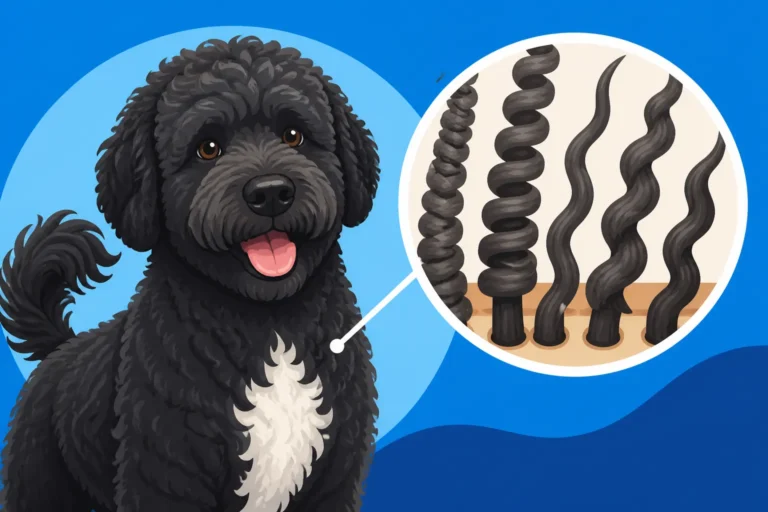
As a Portuguese Water Dog ages, you might observe some subtle yet noticeable changes in their coat. It can become coarser or, conversely, finer and thinner in some areas. The vibrant color they had in their youth might fade, especially in black or brown PWDs, and the tell-tale graying around the muzzle can extend to other parts of their body. What an Aging Portuguese Water Dog's Coat Looks Like can vary, but generally, elasticity can decrease, and the skin underneath can become more delicate. This means that brushing, bathing, and clipping need to be approached with a gentler hand.
Their skin might also become drier or more prone to hot spots, especially if they are less active or spend more time lying down. Mats can form more easily if they aren't moving around as much, as the friction against bedding can tangle their fur. Increased oil production or decreased natural oils can both occur, impacting coat health. Therefore, establishing a gentle, consistent grooming routine that addresses these potential changes is paramount to preventing discomfort and skin issues.
Keeping Them Comfortable
For senior PWDs, comfort is king when it comes to grooming. A long, dense coat can become heavy, hot, and prone to matting, especially if they are less mobile. Whether an Aging Portuguese Water Dog Should Be Clipped Shorter is a question many owners consider, and often, the answer is yes. A shorter clip, like a modified retriever clip or even a sport clip, can significantly reduce the risk of matting, make bathing and drying easier, and keep them cooler in warmer weather. This can be especially beneficial for PWDs who still love to swim but take longer to dry.
When grooming, use softer brushes and be extra gentle around joints that might be sensitive. If they are uncomfortable standing for long periods, break grooming sessions into shorter intervals, or invest in a grooming table to bring them to a more comfortable working height. Always check for lumps, bumps, or skin irritations that might be new. This proactive approach ensures grooming remains a positive, comfortable experience, rather than a painful one.
The Importance of Regular Grooming for Comfort
Regular grooming isn't just about aesthetics; it's vital for a senior Portuguese Water Dog's health and comfort. Mats, if left unattended, can pull on their delicate skin, causing pain, irritation, and even skin infections. They can also hide skin problems, parasites, or lumps that need veterinary attention. Daily or every-other-day brushing, even if brief, can prevent matting, stimulate circulation, and provide an opportunity for you to do a full body check.
Bathing frequency might need adjustment. If their skin is drier, you might bathe them less often or use a moisturizing shampoo. If they are prone to skin folds or incontinence, more frequent, targeted cleaning of those areas might be necessary. After any bath or swim, ensure they are thoroughly dried, especially in colder weather, to prevent chilling or skin issues. A high-velocity force dryer (available on Amazon) can significantly speed up drying time, making the process less stressful for both of you.
Proactive Veterinary Care and Health Monitoring
As our Portuguese Water Dogs enter their senior years, their visits to the vet become even more critical. They can't tell us when something feels off, and many age-related conditions can progress silently before obvious symptoms appear. Proactive veterinary care is your best defense, allowing for early detection and management of potential health issues, ultimately extending their comfortable lifespan.
Regular Check-ups Are Key
For a senior Portuguese Water Dog, a yearly vet visit is simply not enough. Just as you might visit your doctor more frequently as you age, your senior PWD benefits greatly from semi-annual (every six months) check-ups. These regular visits allow your veterinarian to catch subtle changes, monitor chronic conditions, and provide preventative care tailored to their age. It's during these routine visits that issues like dental disease, early signs of organ dysfunction, or developing arthritis can be identified before they become advanced.
During these visits, your vet will perform a thorough physical exam, checking their eyes, ears, teeth, heart, lungs, and palpating their abdomen and joints. They will also discuss changes in appetite, activity, bathroom habits, and any concerns you might have. For a detailed guide on what to expect, consider reviewing How Often a Portuguese Water Dog Needs a Wellness Exam. These regular appointments are an investment in your senior PWD’s continued health and happiness, allowing for adjustments to their care plan as their needs evolve.
Recognizing Hidden Pain
One of the most challenging aspects of caring for an aging dog is their incredible ability to hide pain. It's a survival instinct, but it means that by the time you notice obvious limping or vocalizations, they may have been experiencing discomfort for a while. For a working breed like the Portuguese Water Dog, who is often stoic and driven, subtle behavioral changes are often the only clues. How a Portuguese Water Dog Hides Pain involves things like reluctance to jump, slower movements, irritability, changes in appetite, or even just a less enthusiastic tail wag.
Look for very subtle cues: perhaps they hesitate before going up stairs, or they choose to lie down more often rather than stand. They might shift their weight uncomfortably when resting, or avoid being petted in certain areas. Observing their gait on walks, how they get up from a nap, and their overall demeanor is crucial. If you suspect pain, even if it's not obvious, always consult your vet. Early intervention can make a significant difference in their comfort and quality of life.
Managing Specific Senior Ailments
As PWDs age, they become susceptible to a range of conditions common in senior dogs. Beyond arthritis, you might see changes in their vision (like cataracts or progressive retinal atrophy), or hearing loss. Deafness in an Aging Portuguese Water Dog can be a slow, gradual process, requiring adjustments in how you communicate and keep them safe. Kidney or liver disease, heart conditions, and certain cancers can also become more prevalent. Regular blood work and urine tests during their semi-annual vet visits are vital for early detection of internal organ changes.
Table: Common Senior PWD Health Concerns and Signs to Watch For
| Condition | Common Signs | When to See the Vet |
|---|---|---|
| Arthritis/Joint Pain | Stiffness, reluctance to jump/climb, limping, slower gait | Persistent lameness, difficulty rising, yelping when touched |
| Dental Disease | Bad breath, difficulty eating, pawing at mouth | Dropping food, bleeding gums, obvious broken teeth |
| Vision Changes | Bumping into objects, cloudy eyes, hesitant in new places | Sudden blindness, disoriented behavior, severe eye discharge |
| Hearing Loss | Not responding to name, easily startled, barking more | Consistent unresponsiveness, changes in behavior |
| Kidney Disease | Increased thirst/urination, decreased appetite, lethargy | Vomiting, significant weight loss, very strong urine odor |
| Cognitive Dysfunction | Disorientation, changes in sleep/wake cycle, house-soiling | Pacing, staring, anxiety, not recognizing family members |
| Heart Disease | Coughing, decreased stamina, difficulty breathing, lethargy | Fainting, persistent cough, rapid breathing at rest |
| Cancer | Lumps/bumps, unexplained weight loss, lethargy, persistent lameness | Any new or growing lump, unexplained chronic illness |
Staying vigilant and proactive about these potential issues is the best way to support your senior PWD. Your vet is your best partner in navigating these challenges, providing diagnostic testing, treatment options, and pain management strategies.
Creating a Senior-Friendly Environment
As your Portuguese Water Dog’s mobility and senses begin to decline, their home environment might need some adjustments to ensure their safety, comfort, and continued independence. What was once easy for them might now pose a challenge, and a few thoughtful modifications can make a world of difference.
Comfort in the Home
Your senior PWD will likely spend more time resting, so providing comfortable, supportive bedding is paramount. Orthopedic beds, especially those with memory foam, distribute weight evenly, relieve pressure on joints, and offer excellent insulation from cold floors. Consider placing several beds in their favorite lounging spots around the house, ensuring easy access. Whether an Aging Portuguese Water Dog Needs a Warmer Bed is often true, particularly if they have arthritis or a thinner coat, so a bed that retains warmth can be beneficial.
Beyond bedding, think about their overall comfort. If they spend a lot of time on hard floors, consider adding rugs or runners to provide softer surfaces and better traction. Ensure their food and water bowls are easily accessible, perhaps elevated to a comfortable height if bending down is difficult. A quiet, designated "safe space" where they can retreat from household commotion can also reduce stress and anxiety in an older dog.
Navigating Stairs and Slippery Surfaces
Stairs, once an easy leap for your agile PWD, can become a significant obstacle or even a hazard as they age. If your home has stairs, consider limiting access with baby gates, or providing a ramp if they still need to use them occasionally. For single steps, small ramps or steps with good traction can help. Slippery floors, like hardwood, tile, or laminate, also pose a risk for falls and can exacerbate joint pain.
To improve traction, place non-slip rugs or carpet runners in high-traffic areas. Paw pads can also lose their grip, so keeping the hair between their paw pads neatly trimmed is essential. Some owners use non-slip socks or booties, though many PWDs find these uncomfortable. The goal is to minimize the risk of falls, which can lead to serious injuries and further loss of confidence for your aging companion.
Potty Breaks and Accessibility
Changes in bladder and bowel control can sometimes accompany old age in dogs. It's not uncommon for senior PWDs to need more frequent potty breaks, sometimes even during the night. Have patience if accidents happen indoors; it’s rarely out of malice. Instead, it’s a sign that their body is changing, and they need your help to adapt.
Increase the frequency of their outdoor trips, especially first thing in the morning, after meals, and before bedtime. Consider installing a doggy door if you have a fenced yard, or setting up a designated potty area closer to the house. If nighttime accidents are an issue, a waterproof bed cover or washable incontinence pads can save your furniture and make cleanup easier. Remember, maintaining dignity and cleanliness is important for your senior PWD's well-being.
Cherishing Their Spirit: Mental and Emotional Well-being
While physical comfort and health are paramount, the emotional and mental well-being of your aging Portuguese Water Dog is just as important. They may be slowing down physically, but their minds and hearts are still very much present, and they thrive on connection, routine, and a sense of purpose.
Engaging Their Minds
Just because their bodies are aging doesn't mean their minds can't still enjoy a good challenge. Keeping their brains active is crucial for preventing cognitive decline and boredom. Continue to engage them with gentle training sessions, reviewing basic commands they already know. Short, positive reinforcement sessions can boost their confidence and strengthen your bond. Puzzle toys, especially those that dispense treats (many options available from Chewy or Amazon), can provide excellent mental stimulation.
Scent games are another fantastic option for senior PWDs, as their sense of smell often remains keen even as other senses fade. Hiding treats around the house for them to "hunt" can be a very rewarding and low-impact activity. The key is to keep activities short, engaging, and frustration-free, adapting to any sensory or mobility limitations they might have.
Maintaining Social Connections
Portuguese Water Dogs are inherently social creatures, thriving on interaction with their families. As they age, it's easy to inadvertently reduce their social engagement, but this can lead to feelings of isolation or anxiety. Continue to include them in family activities, even if it's just having them rest nearby while you read or watch TV. Gentle petting and quiet cuddle times are more important than ever.
If your PWD still enjoys the company of other calm, well-behaved dogs, short, supervised playdates can be beneficial. However, be mindful of their tolerance for boisterous puppies or overly energetic dogs. Sometimes, a quiet walk in a familiar park where they can sniff and observe the world at their own pace is more enriching than a chaotic dog park. The goal is to maintain their social connections in a way that is comforting and not overwhelming.
Embracing the Joys of Senior Companionship
Caring for an aging Portuguese Water Dog is truly a special privilege. While there might be challenges, these golden years often bring a depth of bond and a quiet understanding that is truly profound. They may not be able to hike mountains or swim for hours, but their capacity for love, loyalty, and companionship remains boundless. Take the time to simply be with them, appreciating their presence and the wisdom they now carry.
Enjoy the slower pace, the longer naps together, and the quiet moments of affection. Provide them with dignity, comfort, and unwavering love, just as they have given you throughout their lives. The memories you make in these senior years will be just as precious, if not more so, than those of their youthful exuberance.
Disclaimer
This article is for general informational purposes only and does not constitute professional advice. Laws, prices and regulations vary by location and change over time. Consult a qualified professional for guidance on your specific situation.