How Often a Portuguese Water Dog Needs a Bath
One of the biggest questions I hear from fellow Portuguese Water Dog parents, right after "How do you keep that coat from matting?", is "How often do I actually need to bathe my PWD?" It’s a valid concern, because these wonderful, water-loving dogs come with a coat that’s both a blessing and, let's be honest, a bit of a commitment. This guide will walk you through everything you need to know to establish a healthy bathing routine for your beloved Portuguese Water Dog.
The Unique Nature of the Portuguese Water Dog Coat
Before we even talk about lathering up, it's absolutely crucial to understand the very thing we're trying to keep clean and healthy: your Portuguese Water Dog's incredible coat. This isn't just any dog coat; it's a marvel of canine engineering, designed by centuries of working alongside fishermen in the chilly waters off Portugal's coast. Understanding its structure and peculiarities is the first step to successful grooming.
Curly Versus Wavy: More Than Just Aesthetics
Portuguese Water Dogs come in two distinct coat types: curly and wavy. While both are single-coated (meaning no insulating undercoat) and considered "hypoallergenic" because they shed minimally, their textures have subtle differences that can impact grooming frequency and technique. A curly coat tends to be tighter, forming compact cylinders, almost like little ringlets all over the dog's body. These curls can be incredibly dense and springy, often giving the dog a plush, teddy bear-like appearance.
The wavy coat, on the other hand, is softer and looser, with more of a gentle ripple or wave pattern. It might appear slightly shaggier or more free-flowing than the tightly coiled curly coat. You might think the wavy coat would be easier to manage, but sometimes those looser waves can tangle and mat just as quickly, if not quicker, than the tight curls, especially when wet and left to air dry. Both types are thick and robust, acting like a natural wetsuit, protecting the dog from cold water and harsh elements. When considering What a Portuguese Water Dog's Coat Is Made Of, it's clear these differences in texture play a role in how water interacts with the hair.
The Double-Edged Sword of a Non-Shedding Coat
Ah, the "non-shedding" claim – a huge draw for many PWD owners, especially those with allergies. And it's largely true: Portuguese Water Dogs don't "shed" in the traditional sense, releasing loose hair all over your furniture like a Golden Retriever. Instead, their shed hair tends to get trapped within the existing coat. This is fantastic for keeping your home cleaner and for allergy sufferers, but it comes with a significant caveat: matting.
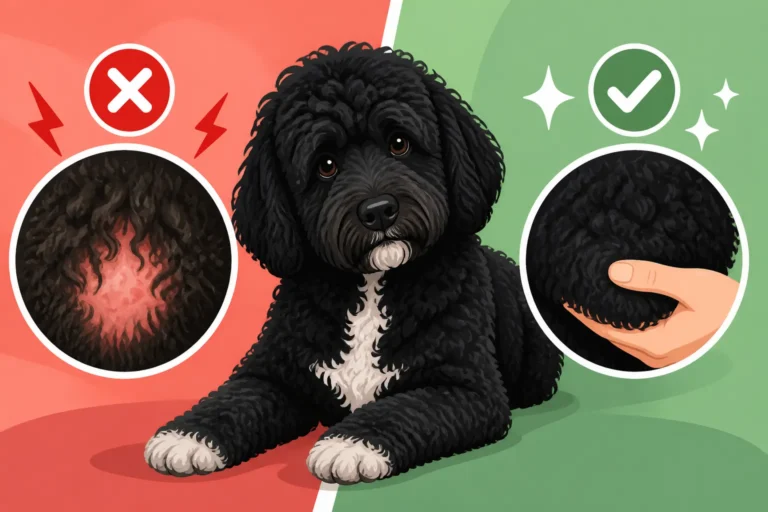
Because the old hair has nowhere to go, it binds with the live hair, forming dense, painful tangles and mats. This is particularly true around areas of friction, like behind the ears, under the collar or harness, in the armpits, and around the tail. If not brushed out regularly, these mats can quickly become severe, pulling at the skin and causing discomfort, skin irritation, or even infection. That's why How Often a Portuguese Water Dog Needs Brushing is such a critical part of owning one, and it directly impacts how often you might need to bathe them. Mats become even tighter and harder to remove when wet, which means a neglected coat can turn a simple bath into a grooming nightmare.
Decoding the Ideal Bathing Frequency for Your PWD
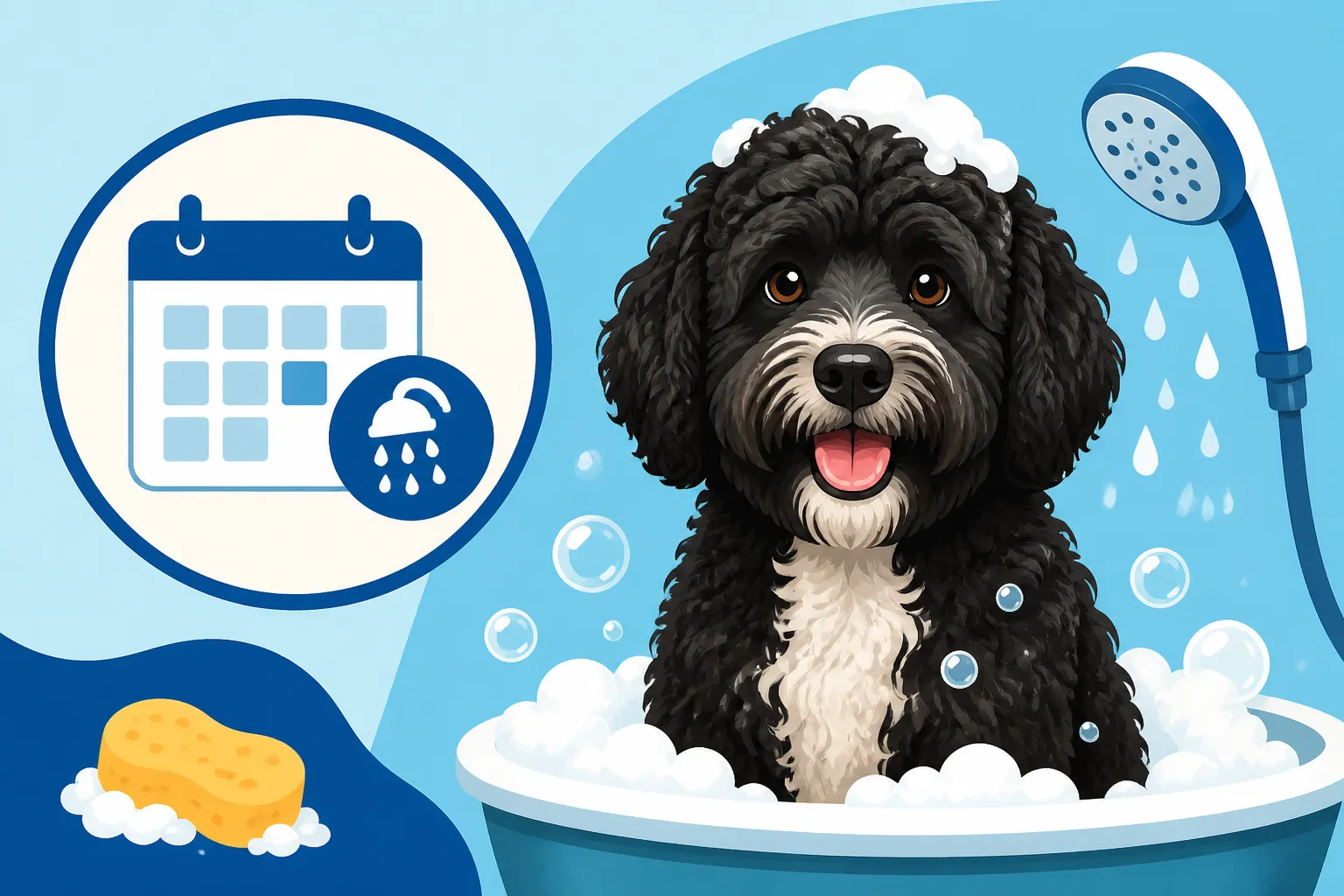
So, how often should you bathe your Portuguese Water Dog? There’s no single, universal answer that fits every PWD, because so much depends on their individual lifestyle, health, and environment. Think of it less as a strict schedule and more as a flexible routine tailored to your dog’s specific needs.
Lifestyle, Activity, and Your Dog's Daily Adventures
The most significant factor influencing your PWD's bathing schedule is their lifestyle. A PWD who spends its days as a pampered couch potato, enjoying leisurely strolls on sidewalks and impeccably clean backyard romps, will undoubtedly need fewer baths than one who truly lives up to its heritage. If your PWD is a regular dock diving champion, a keen swimmer in lakes or the ocean, or a mud-loving adventurer, then more frequent rinsing and bathing will be essential.
Consider the "working dog" aspect: Portuguese Water Dogs were bred to be active, intelligent companions, retrieving lost tackle, herding fish, and carrying messages between boats. This means they are often drawn to water and outdoor activities. A dog that is regularly in and out of ponds, lakes, or the ocean will accumulate dirt, sand, salt, and various organic matter in their coat. These elements can not only make the coat feel gritty and smell, but they can also contribute to matting if not thoroughly rinsed out. Even a dog that just enjoys rolling in grass or dirt in the backyard after a rain shower will quickly pick up debris that necessitates a bath. For these adventurous souls, a good rinse after every swim is mandatory, and a full bath might be needed anywhere from every week to every three weeks, depending on the intensity of their activities.
Seasonal Changes and Environmental Exposures
The season and your dog's typical environment also play a huge role in determining bathing frequency. Summer, with its increased opportunities for swimming, playing in the dirt, and exploring dusty trails, often calls for more frequent bathing or at least thorough rinsing. Saltwater, in particular, can be harsh on the coat, drying it out and making it prone to matting if not rinsed promptly with fresh water. Chlorine from swimming pools also needs to be washed out to prevent skin irritation and coat damage. Conversely, a PWD living in a snowy, slushy winter environment might also require more frequent paw and belly rinses, and perhaps more full baths if they tend to pick up ice balls or road salt in their coat.
During drier seasons, or if your PWD spends a lot of time in a clean indoor environment, you might be able to stretch out the time between full baths. However, even if they aren't getting visibly dirty, their coat can still accumulate natural oils, dander, and environmental allergens. Think about the pollens and dust that settle on everything outdoors – your dog's coat is no exception. A good bath helps remove these irritants, which can be particularly beneficial for dogs or owners with seasonal allergies. Keeping an eye on When a Portuguese Water Dog Should Be Rinsed After the Sea and When a Portuguese Water Dog Should Be Rinsed After a Pool is important for maintaining coat health.
Addressing Skin Sensitivities and Allergies
Sometimes, bathing frequency isn't just about cleanliness; it's about health. Portuguese Water Dogs, like many breeds, can be prone to skin sensitivities or allergies. These might manifest as itching, redness, flaky skin, or even hot spots. In such cases, your veterinarian might recommend a specific bathing schedule, often with medicated shampoos, to manage the condition. For example, a dog with environmental allergies might benefit from more frequent baths to wash away allergens that have settled on their skin and coat, providing relief from itching.
Conversely, some skin conditions can be exacerbated by too frequent bathing with harsh products, stripping the skin of its natural oils and disrupting its protective barrier. It's a delicate balance. If your PWD shows signs of skin irritation, always consult with your vet before changing your bathing routine dramatically. They can help diagnose the underlying issue and recommend appropriate shampoos and conditioners, and establish a bathing frequency that supports skin health rather than harming it. Remember, Why a Damp Portuguese Water Dog Gets Skin Trouble can be a factor if not dried properly, compounding existing skin issues.
The Portuguese Water Dog Bathing Ritual: A Step-by-Step Guide
Bathing a Portuguese Water Dog isn't just a quick dunk and scrub. To do it effectively and prevent matting and skin issues, it really is a ritual that requires patience and the right approach. Treating it as such will make the experience better for both you and your dog.
Pre-Bath Prep: The Crucial Foundation
This is perhaps the most important step, and one that many new PWD owners underestimate. Before any water touches your dog, you absolutely must brush and comb out every single tangle and mat. I mean every single one. If you skip this step, any small mat will become a much larger, tighter, and more painful mat once it gets wet, making it almost impossible to remove without resorting to clipping it out, or even shaving down the entire dog. This is why Where a Portuguese Water Dog Mats First is good to know, so you can pay extra attention to those areas.
Start with a good slicker brush, working in sections, making sure to get down to the skin. Then, follow up with a metal comb to ensure there are no hidden tangles. Pay special attention to the areas prone to matting: behind the ears, armpits, flanks, tail, and where the collar or harness sits. If you encounter a mat, gently work it out with your fingers, a detangling spray, and a matting comb, rather than pulling hard. It’s better to spend an extra 15-30 minutes on this pre-bath detangling than to face a matted mess after the bath. If your dog isn't used to standing still for this, consider working on Teaching a Portuguese Water Dog to Stand for Grooming outside of bath time.
Choosing the Right Products for Optimal Coat Health
Selecting the right shampoo and conditioner is vital for maintaining your PWD's coat and skin health. You'll want to avoid harsh detergents and opt for gentle, moisturizing formulas specifically designed for dogs. Look for shampoos that are pH-balanced for canine skin and free of parabens, sulfates, and artificial dyes. For dogs with sensitive skin or allergies, oatmeal-based or hypoallergenic shampoos can be very soothing. Brands like Earthbath or Burt's Bees often offer good options that you can find easily on platforms like Amazon or Chewy.
Don't forget the conditioner! Given the PWD's dense coat and propensity for matting, a good quality conditioner is non-negotiable. It helps to hydrate the coat, smooth the hair cuticles, and make subsequent brushing much easier. Apply conditioner generously, especially to the ends of the hair and areas prone to matting, and let it sit for a few minutes before rinsing. Think of it like conditioning your own hair – it adds moisture and manageability. For more guidance, check out Which Shampoo Suits a Portuguese Water Dog's Coat and Whether Conditioner Is Needed on a Portuguese Water Dog.
The Lather, Rinse, and Repeat: Techniques for a Thorough Clean
Once your PWD is thoroughly brushed, it's time for the actual bath. Use lukewarm water – not too hot, not too cold – and thoroughly wet their entire coat. This can take longer than you expect with a PWD, as their dense, water-resistant coat can make it hard for water to penetrate to the skin. Take your time, making sure every inch of their body is saturated.
Apply shampoo, starting from the neck and working your way down. Gently massage it into the coat, ensuring you're reaching the skin. Don't scrub vigorously in a circular motion, as this can create new tangles. Instead, stroke downwards, working the shampoo through the coat. Rinse thoroughly, and I mean thoroughly. Any shampoo residue left behind can irritate the skin and lead to dryness or flakiness. Rinse until the water runs completely clear and you can feel no slickness on the coat. Then, apply conditioner, leave it for the recommended time, and rinse again just as thoroughly. It's often helpful to have a shower sprayer to ensure a deep rinse, especially if your dog has a particularly dense or long coat.
Drying Your Portuguese Water Dog: Where the Real Work Begins
If bathing is the art, drying is the science, and it's arguably the most critical step in the entire grooming process for a Portuguese Water Dog. An improperly dried PWD is a matted PWD, and nobody wants that. This step requires specialized tools and patience, but it will save you immense frustration (and your dog immense discomfort) in the long run.
The Non-Negotiable Necessity of Thorough Drying
Let me be absolutely clear: you cannot, under any circumstances, allow a Portuguese Water Dog to air dry naturally after a full bath. Their dense, curly or wavy coat holds moisture like a sponge, and if left damp, it creates the perfect breeding ground for mats and skin issues. The hair will curl tightly as it dries, interlocking and forming a solid felted mass that is incredibly difficult, if not impossible, to brush out. This is a common mistake new owners make, and it almost always leads to a trip to the groomer for a shave-down.
Beyond matting, a damp coat can also lead to skin problems. Moisture trapped against the skin for extended periods can cause bacterial or fungal infections, commonly known as hot spots or pyoderma. These can be painful, itchy, and require veterinary intervention. Their ears are particularly susceptible to this, given how much water they hold, making Whether a Portuguese Water Dog Gets Ear Infections a real concern. Therefore, ensuring your PWD is bone-dry after a bath isn't just about aesthetics; it's about their health and comfort. How Long a Portuguese Water Dog Takes to Dry without assistance is far too long to be safe for their skin.
Mastering the Force Dryer for a Mat-Free Finish
The single most important tool for drying a Portuguese Water Dog is a high-velocity force dryer. This is not a human hairdryer (which can burn your dog's skin and is not powerful enough) but a specialized pet dryer designed to blow cool or warm (not hot) air at a strong force. The force of the air, not the heat, is what quickly separates the hair strands, blasting water out of the coat and straightening the curls as it dries. This process is crucial for preventing mats. You can find excellent force dryers on Amazon or Chewy.
Start drying immediately after blotting your dog with highly absorbent towels. Work in small sections, using the nozzle to direct the air right down to the skin, lifting the coat as you go. Use your free hand and a slicker brush to constantly brush through the section you are drying, straightening the hair and ensuring it dries completely straight and mat-free. This technique is often called "line drying" or "stretch drying" and is what professional groomers use. It’s a workout for your arms, but it’s the only way to ensure a completely dry, mat-free coat. Make sure to work on Whether a Portuguese Water Dog Must Be Force Dried because it truly is the best way. Once the coat is dry, finish with a thorough comb-through to confirm there are no remaining tangles.
Navigating Common Bathing Challenges
Even with the best intentions, bathing a Portuguese Water Dog can present its own set of challenges. Understanding these common pitfalls and knowing how to address them can save you a lot of headache and keep your PWD looking and feeling their best.
Recognizing the Pitfalls of Too Much or Too Little Bathing
Finding the right balance for bathing frequency is tricky. Bathing too often can strip the natural oils from your dog's skin and coat, leading to dryness, irritation, and even making them more susceptible to skin infections. This is especially true if you're using harsh shampoos or not conditioning properly. A dry, brittle coat is also more prone to breakage and matting. Signs of over-bathing include flaky skin, a dull coat, or excessive itching even when clean.
On the flip side, too little bathing, especially for an active PWD, leads to the accumulation of dirt, oils, and allergens. This can result in a greasy, smelly coat, matting, and skin irritation or infections. The trapped debris and dead hair within neglected mats can cause significant discomfort and pain. Ultimately, a dog with severe matting will require professional grooming, which might involve a complete shave-down, which is never ideal for the coat's health or the dog's comfort. Understanding these extremes helps you aim for that sweet spot of regular, appropriate bathing.
When to Seek Professional Grooming Assistance
Let's be realistic: not everyone has the time, energy, or equipment to provide a professional-level bath and dry for their Portuguese Water Dog every few weeks. This is where professional groomers become invaluable partners. A good groomer understands the PWD coat and has the experience, tools (like powerful force dryers), and techniques to manage it effectively. They can also spot potential skin issues or new mats that you might miss.
Consider seeking professional help if:
- Your dog has developed significant matting that you can't safely remove yourself. Groomers have specialized tools and techniques to demat, or will advise if a humane shave-down is necessary.
- You struggle with the drying process, and your dog's coat is consistently damp after your home baths, leading to recurrent issues.
- You find the sheer size and energy of your PWD makes home bathing too difficult or stressful for both of you.
- Your dog has specific grooming needs due to age, health conditions, or behavioral issues.
- You simply want to ensure your dog's coat is maintained to the highest standard, or if you prefer a specific clip (like the Retriever clip or the more involved Lion clip).
- You want to manage your grooming budget effectively. While professional grooming has its costs, dealing with severe matting or subsequent veterinary bills for skin issues can often be more expensive. Thinking about What Professional Grooming Costs for a Portuguese Water Dog can help you plan your budget.
Here’s a quick overview of typical bathing frequencies based on activity level:
| Activity Level | Lifestyle Examples | Recommended Bathing/Rinsing Frequency | Notes |
|---|---|---|---|
| Low to Moderate | Indoor dog, walks on leash, minimal dirt exposure | Full bath every 4-8 weeks | Regular brushing (2-3 times/week) still essential to prevent mats. |
| Active & Outdoorsy | Hikes, plays in dirt/mud, occasional swimming | Full bath every 2-4 weeks, or as needed for visible dirt | Always brush thoroughly before bathing. |
| Water Enthusiast | Frequent lake/ocean swims, dock diving, water trials | Rinse with fresh water after every swim; full bath every 1-3 weeks | Immediate and thorough drying (with force dryer) after every swim/rinse is critical. What to Do With a Portuguese Water Dog After a Swim is vital. |
| Skin Sensitivities | Allergies, dry skin, hot spots | Varies based on vet recommendation (can be weekly with medicated shampoo) | Use prescribed or vet-recommended products. Always consult your veterinarian. |
Ultimately, finding the sweet spot for your Portuguese Water Dog's bathing schedule is a journey of observation and adjustment. Pay attention to their coat, their skin, and their activities. With the right tools, techniques, and perhaps a little help from a professional groomer, you can keep your amazing PWD clean, comfortable, and mat-free for years to come.
Disclaimer
This article is for general informational purposes only and does not constitute professional advice. Laws, prices and regulations vary by location and change over time. Consult a qualified professional for guidance on your specific situation.