When a Portuguese Water Dog Should Be Rinsed After a Pool
Oh, the sheer joy of watching a Portuguese Water Dog revel in a pool! Their natural affinity for water is truly something to behold. They launch themselves in with such enthusiasm, paddling with those strong, webbed feet, eyes sparkling with delight. But as much as we love seeing them enjoy a good swim, there's always that nagging thought in the back of our minds: what about the chlorine? And then, the scramble begins the moment they emerge, dripping wet, ready to shake off that pool water right next to us. The question isn't if your Portuguese Water Dog needs a rinse after a pool swim, but when and how thoroughly. This guide is here to walk you through exactly why a post-pool rinse is essential and how to make it a seamless part of your PWD's water-loving life.
The Immediate Need for a Rinse After Pool Time
It might seem like a simple thing – a quick dip, a towel dry, and you're good to go. But for a Portuguese Water Dog, whose unique coat is designed to protect them in the water, pool chemicals can be surprisingly harsh. Ignoring the rinse can lead to a host of problems, from mild irritation to more serious skin and coat issues that are a real pain to fix. Trust me, preventing these issues is far easier than treating them!
Understanding Chlorine's Impact on Coat and Skin
Chlorine, while excellent for keeping pool water sanitary, is a formidable enemy to your PWD's beautiful, protective coat and sensitive skin. Think about how your own hair and skin feel after a chlorinated swim – dry, sometimes itchy, and a bit stiff. Your dog experiences something similar, but often with more severe consequences due to their dense, single coat.
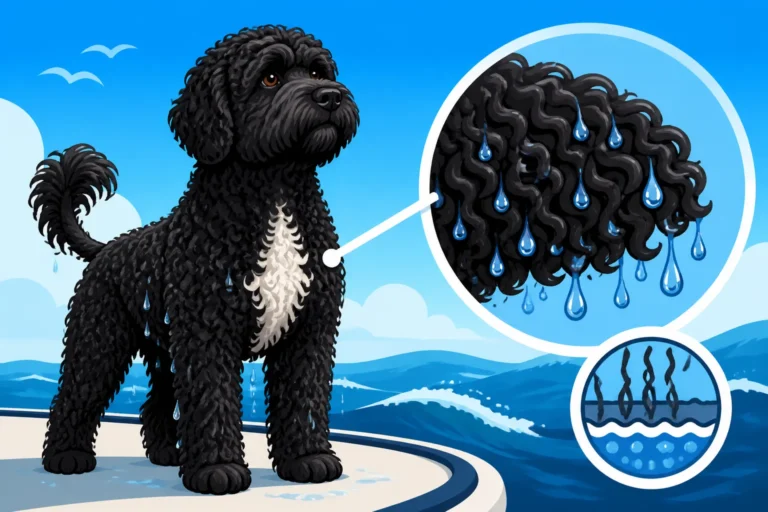
Chlorine works by breaking down organic matter, and unfortunately, that includes the natural oils that keep your Portuguese Water Dog's coat healthy and pliable. These oils are their first line of defense against the elements, helping to repel water and keep their skin moisturized. When these oils are stripped away, the coat can become brittle, dry, and prone to breakage. This isn't just a cosmetic issue; a compromised coat is less effective at insulating and protecting your dog. Beyond the coat, chlorine can be a direct irritant to the skin itself. It can cause dryness, redness, and itching, especially in dogs with sensitive skin. You might notice your PWD scratching or licking themselves more frequently after a swim, which is a clear sign that the chlorine is bothering them. This irritation can be particularly pronounced in areas where the skin folds or where the coat is very dense, creating a damp, chemical-laden environment that lingers long after they've left the water.
The Importance of Prompt and Thorough Rinsing
Given the effects of chlorine, a prompt and thorough rinse is not just a good idea, it's absolutely crucial. The longer chlorine sits on your Portuguese Water Dog's coat and skin, the more damage it can inflict. Think of it as a ticking clock: every minute the chlorine remains, it's actively working to strip oils, dry out the coat, and irritate the skin. The goal is to flush out as much of that chemical residue as possible, as quickly as possible.
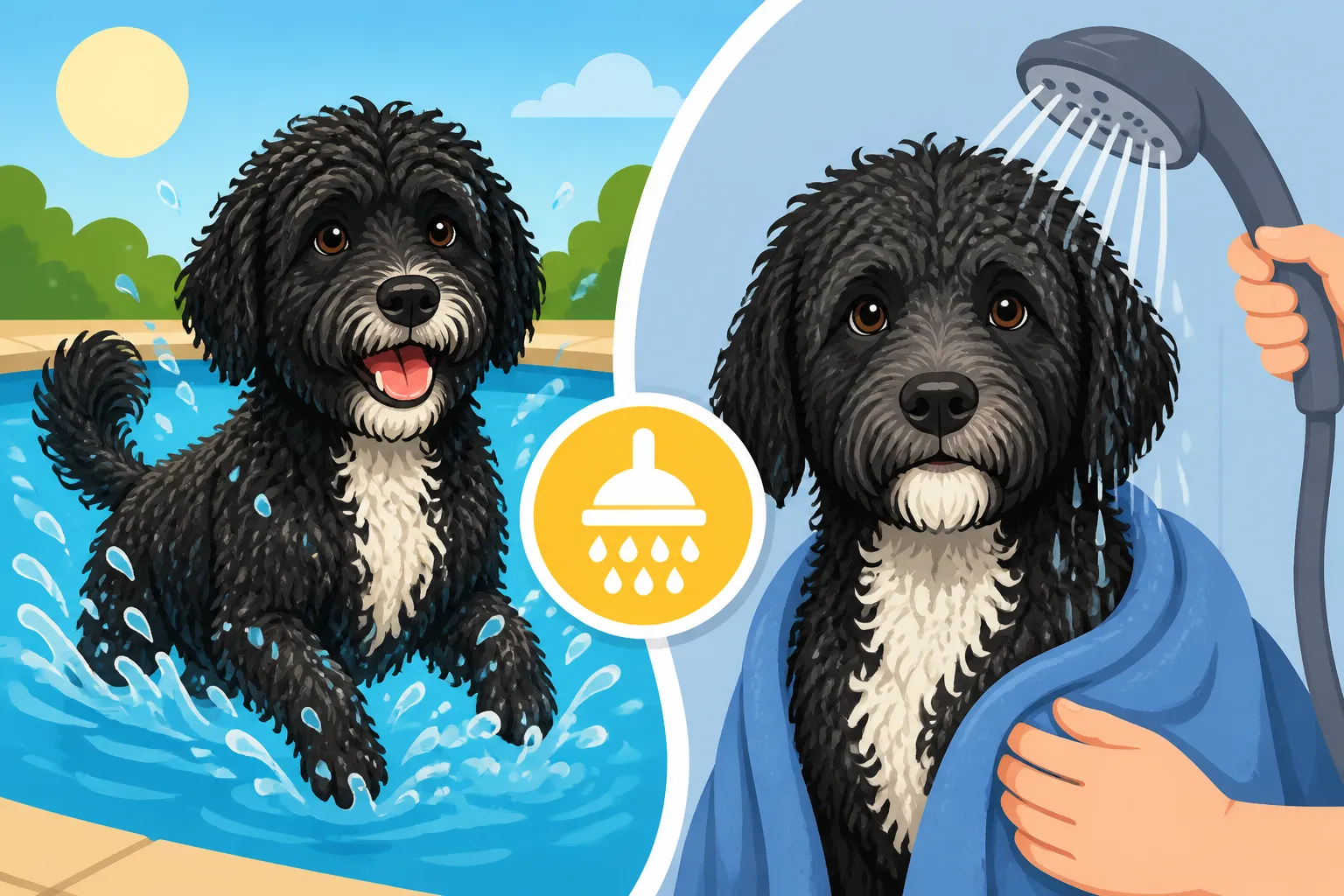
When your PWD emerges from the pool, lead them directly to a rinsing station. This could be an outdoor shower, a utility sink, or even just a garden hose with a gentle sprayer. The key is to use cool or lukewarm fresh water and ensure that every inch of their coat is saturated and rinsed thoroughly. Don't just focus on the top layer; you need to work the water deep into the dense undercoat, all the way down to the skin. Pay special attention to their belly, armpits, and groin area, as these spots often retain more chemicals and can be particularly sensitive. A good, vigorous rinse might take a few minutes, but it's time well spent to mitigate the immediate effects of chlorine. This initial rinse sets the stage for healthier skin and a more manageable coat.
Beyond the Rinse: Post-Pool Care for Your PWD's Coat
A simple rinse is just the first step. To truly protect your Portuguese Water Dog's magnificent coat and prevent problems down the line, you need a more comprehensive post-pool routine. This involves replenishing moisture and ensuring they are completely dry to prevent a whole host of secondary issues. Ignoring these steps can lead to a dry, matted mess and uncomfortable skin.
Choosing the Right Post-Swim Products
After that initial rinse, your PWD's coat has likely been stripped of its natural oils. This is where specialized shampoos and conditioners come into play. You're not looking for just any shampoo; you want something that is specifically formulated to be moisturizing and pH-balanced for dogs. Many brands offer "swimmer's shampoos" or conditioning washes that are designed to counteract the drying effects of chlorine and salt water. Look for ingredients like oatmeal, aloe vera, and essential fatty acids, which can help soothe skin and restore coat luster.
If your dog is a frequent swimmer, consider a good quality conditioning shampoo or even a leave-in conditioner designed for canine coats. These products help to lock in moisture and prevent the coat from becoming brittle and prone to matting. After shampooing, always follow up with a thorough rinse to remove all product residue. You can often find excellent options from reputable pet supply retailers like Chewy or on Amazon. Just remember to read reviews and choose products suitable for your dog's specific coat type and any skin sensitivities they might have. Regular use of these products will make a noticeable difference in the health and feel of their coat. You might also want to read up on Which Shampoo Suits a Portuguese Water Dog's Coat and Whether Conditioner Is Needed on a Portuguese Water Dog for more specific product guidance.
The Art of Proper Drying to Prevent Issues
This is perhaps the most critical step after rinsing and conditioning: getting your Portuguese Water Dog thoroughly dry. While their coat is designed to be water-repellent, leaving it damp – especially deep down – is an open invitation for skin problems and matting. A damp coat creates a warm, moist environment that is a breeding ground for bacteria and yeast, leading to dreaded hot spots, skin infections, and that distinct "wet dog" smell that just doesn't seem to go away. Also, a damp PWD coat is a matting magnet. As the water evaporates, the curly or wavy hairs can intertwine and felt together, forming tight mats that are painful to brush out and can pull on the skin.
Air drying, for a PWD, is simply not enough, especially for the dense undercoat. You need to use absorbent towels to remove as much surface moisture as possible. Then, for truly thorough drying, a force dryer (sometimes called a high-velocity dryer) is an absolute game-changer. These dryers blow warm (not hot) air at a high speed, effectively pushing water out of the coat rather than just evaporating it. They also help to straighten the hair, making it easier to brush and preventing mats. If you're wondering What a Force Dryer Does for a Portuguese Water Dog, trust me, it’s a wise investment for any PWD owner. During the drying process, use a slicker brush or a wide-toothed comb to gently work through the coat, ensuring that you're reaching down to the skin. This helps to separate the hairs and ensures complete drying, preventing that horrible dampness that can lead to Why a Damp Portuguese Water Dog Gets Skin Trouble or even Whether a Portuguese Water Dog Gets Hot Spots. This meticulous drying process can take time, but it's essential for your dog's comfort and coat health.
Protecting Your Portuguese Water Dog's Overall Health
Beyond the coat, regular pool swimming and the subsequent chlorine exposure can impact other aspects of your Portuguese Water Dog's well-being. Their ears, in particular, are highly susceptible to issues, and you should always be vigilant about their general skin and coat condition as indicators of overall health.
Addressing Ear Health After Pool Exposure
Portuguese Water Dogs, with their floppy ears that hang close to their heads, are inherently prone to ear infections, and regular swimming in chlorinated water only exacerbates this risk. The design of their ear canal, often hidden by dense hair, creates a warm, moist environment where water can easily become trapped. Chlorine can irritate the delicate skin lining the ear canal, making it even more susceptible to bacterial or yeast overgrowth. It's a frustrating cycle for many owners, and a common complaint, so you're not alone if you've dealt with this!
After every swim, regardless of how thorough the rinse, you need to pay special attention to your PWD's ears. Gently dry the outer ear flap and as much of the ear canal as you can reach with a soft towel or cotton ball. Following this, use a vet-approved ear cleaning and drying solution. These solutions typically contain agents that help break down wax, kill bacteria and yeast, and most importantly, evaporate residual moisture. Administering a few drops into each ear canal and gently massaging the base of the ear will help distribute the solution. You might recall that Why a Portuguese Water Dog's Ear Canal Traps Water is a major factor here. This proactive step is far more effective than waiting for signs of an infection. Look for ear cleaning solutions from brands you trust, readily available at pet stores or online at Chewy or Amazon. Consistent ear care can significantly reduce the frequency of painful and costly ear infections. If you're wondering Whether an Ear Drying Solution Helps a Portuguese Water Dog, the answer is a resounding yes!
Monitoring Skin and Coat for Long-Term Health
Your Portuguese Water Dog's coat is a fantastic barometer for their overall health. While immediate rinsing and drying address acute chlorine exposure, consistent swimming means you need to maintain a watchful eye for any long-term effects on their skin and coat. This means regularly inspecting their entire body, not just when they emerge from the pool.
After any swim, take a few moments to thoroughly examine their skin. Look for any signs of redness, flakiness, rashes, or unusual bumps. Pay particular attention to areas that are prone to dampness or friction, such as under the collar, in their armpits, or between their toes. Their coat should feel soft and supple, not dry or brittle. If you notice persistent itching, excessive shedding (beyond their normal minimal shedding), or any changes in coat texture that aren't typical for your PWD, it's time to re-evaluate your post-swim routine or consult your veterinarian. These symptoms could indicate chronic chlorine irritation, allergies, or other underlying health issues. A healthy, well-nourished Portuguese Water Dog, eating a balanced diet, perhaps even a fresh food option like Ollie, will naturally have a more resilient coat and skin. A robust internal system helps them fend off external irritants more effectively. Don't underestimate the role of nutrition in maintaining skin and coat health when they are regularly exposed to elements like chlorinated water. Regular brushing, even when not swimming, also helps distribute natural oils and remove loose hair, which further aids in preventing matting that can worsen with chlorine exposure. Consider how often your dog needs How Often a Portuguese Water Dog Needs Brushing to keep their coat in top condition.
Practical Tips for Frequent Pool Swimmers
For those fortunate Portuguese Water Dogs who get to swim in a pool regularly, establishing a consistent and efficient care routine is paramount. It’s not just about reacting after each swim; it’s about creating habits that ensure their long-term health and happiness.
Establishing a Routine for Regular Swimmers
Consistency is key when it comes to caring for a PWD who loves the pool. Trying to remember what to do "sometimes" will inevitably lead to missed steps and potential problems. Instead, build a predictable routine that you can stick to. As soon as your dog is done swimming, whether it's for 10 minutes or an hour, the immediate rinse with fresh water should be non-negotiable. Have your rinsing station set up and ready to go. This might mean having a hose with a spray nozzle attached, a designated wash tub, or even keeping a bucket of fresh water nearby if you’re at a friend’s pool.
Following the rinse, the drying process should also be routine. Towel dry vigorously, then move to your force dryer. If you don't have a force dryer, commit to at least 20-30 minutes of thorough towel drying combined with brushing to air dry as much as possible, focusing on the deepest layers of the coat. Don't forget the ears! Have your ear cleaner and cotton balls ready immediately after drying. If your PWD swims daily, you might only do a full shampoo and condition once or twice a week, but the rinse and ear care should be daily. On shampoo days, make sure you're using those moisturizing products mentioned earlier. This consistent approach makes the care less of a chore and more of a natural extension of their swim time. It can also help you prevent issues like Whether a Portuguese Water Dog Mats After Swimming by addressing the coat quickly and effectively. For a broader perspective on their grooming needs, check out What to Do With a Portuguese Water Dog After a Swim.
Hydration and Dietary Considerations
It might seem counterintuitive to talk about hydration when your dog is literally swimming in water, but it's incredibly important. While your Portuguese Water Dog might occasionally ingest some pool water while swimming, it's not a healthy source of hydration. Pool water, especially chlorinated water, can cause stomach upset if consumed in large quantities. Therefore, always ensure there is a bowl of fresh, clean drinking water readily available and easily accessible near the pool area. Encouraging your dog to drink fresh water before and after their swim can help reduce their desire to drink from the pool itself.
Beyond immediate hydration, a high-quality diet plays a fundamental role in maintaining your PWD's skin and coat health, especially when they are frequently exposed to harsh elements like chlorine. A diet rich in essential fatty acids, such as Omega-3s and Omega-6s, helps support a healthy skin barrier and a lustrous coat from the inside out. Some premium dog food brands focus on these nutritional benefits, which can be particularly advantageous for an active, swimming dog. Consider consulting with your vet about adding a fish oil supplement to their diet if they are regular swimmers. A strong internal foundation makes their skin and coat more resilient, helping them recover faster from environmental stressors. For instance, brands like Ollie focus on fresh, human-grade ingredients which can translate to better skin and coat health, reducing dryness and irritation over time, making it easier for their coat to withstand repeated pool exposures.
| Post-Pool Care Step | Purpose | Frequency | Key Considerations |
|---|---|---|---|
| Immediate Rinse | Remove chlorine residue | Every swim | Use cool/lukewarm fresh water; saturate entire coat to skin |
| Shampoo & Condition | Restore moisture, cleanse deeply | 1-2 times/week | Use moisturizing, pH-balanced products; rinse thoroughly after both |
| Thorough Drying | Prevent mats, skin infections, hot spots | Every swim | Towel dry vigorously, then use a force dryer; brush as you dry |
| Ear Cleaning | Prevent ear infections | Every swim | Use vet-approved ear drying solution; gently dry outer ear flap |
| Coat & Skin Inspection | Monitor for irritation, dryness, health changes | Daily/weekly | Check for redness, flakiness, bumps; note any changes in coat texture |
| Fresh Water Access | Proper hydration, discourage drinking pool water | Continuous | Always have fresh water available by the pool; encourage drinking |
| Balanced Diet | Support overall skin/coat health from within | Daily | Rich in essential fatty acids; consider supplements if needed |
This routine might seem like a lot, but once you get into the swing of things, it becomes second nature. Your Portuguese Water Dog gives you so much joy in the water; a little extra care on your part will ensure they stay happy, healthy, and comfortable, ready for their next big splash!
Disclaimer
This article is for general informational purposes only and does not constitute professional advice. Laws, prices and regulations vary by location and change over time. Consult a qualified professional for guidance on your specific situation.