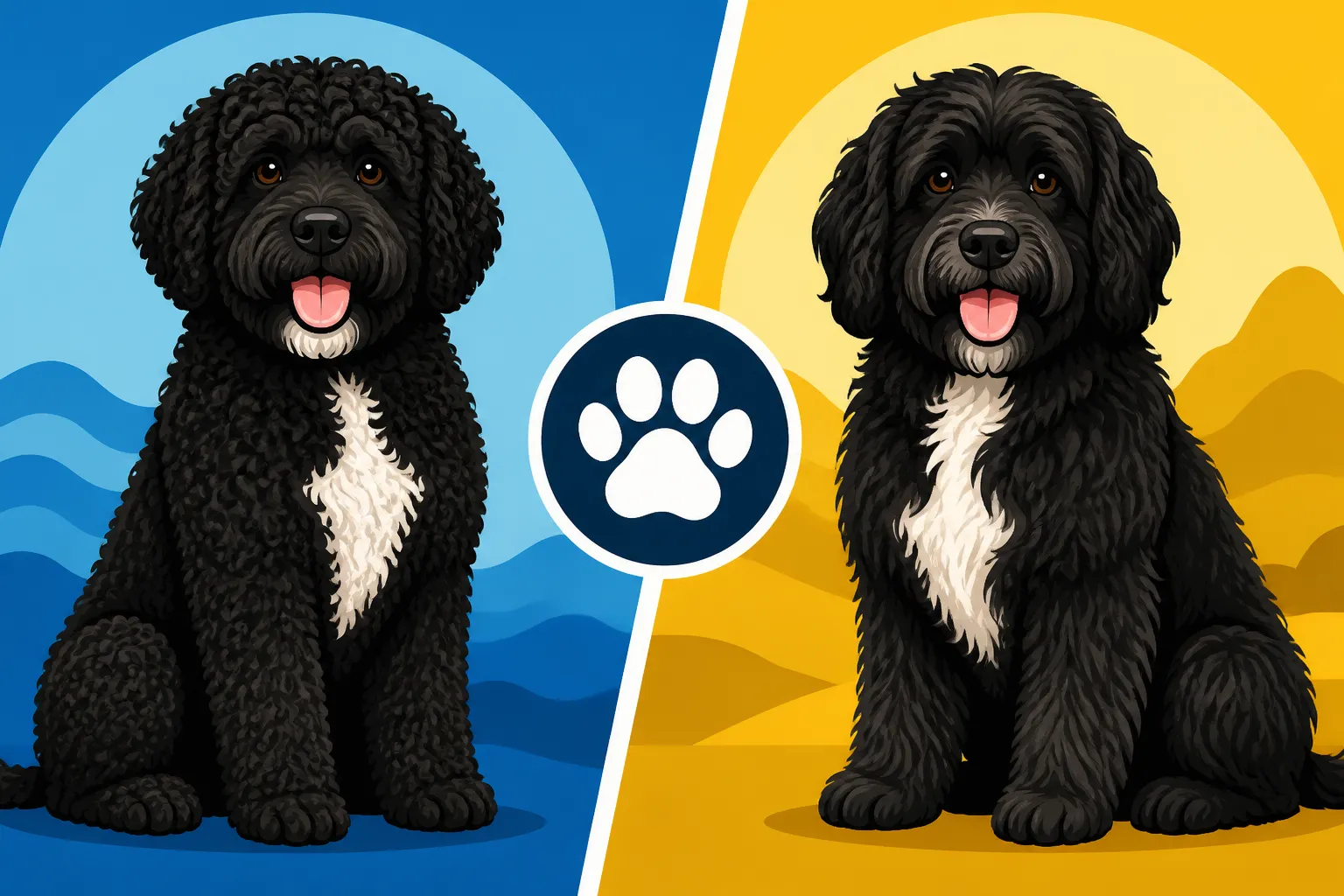
Curly or Wavy: the Two Portuguese Water Dog Coats
Bringing home a Portuguese Water Dog is an exciting adventure, full of splashing, playing, and boundless energy. But one of the biggest initial surprises for many new owners, and a consistent commitment throughout their dog's life, revolves around that magnificent coat. You might hear whispers of "curly" or "wavy," and wonder what the big deal is. Trust me, it is a big deal! Understanding the nuances of these two distinct coat types isn't just about aesthetics; it profoundly impacts everything from daily grooming to preventing skin issues. This comprehensive guide will peel back the layers (pun intended!) to help you truly grasp the characteristics of both the curly and wavy Portuguese Water Dog coats, and equip you with the knowledge to provide the best care for your beloved companion.
Understanding the Portuguese Water Dog's Unique Coat
The Portuguese Water Dog's coat is one of its most defining features, a marvel of nature perfectly adapted for its historical role as a working dog on fishing boats. Unlike many other breeds, the PWD boasts a single coat, meaning it lacks the soft, dense undercoat found in breeds like retrievers or shepherds. This characteristic, along with its specific texture, is what gives the breed its distinct look and its reputation for being "hypoallergenic," though no dog is truly 100% allergy-proof.
Why a Portuguese Water Dog Has a Single Coat
Historically, the Portuguese Water Dog needed a coat that offered protection from the elements, both sun and cold water, without becoming waterlogged and heavy or matting into an unmanageable mess. A thick double coat, while great for extreme cold on land, would be a nightmare for a dog constantly in and out of the ocean. Imagine the weight, the drying time, and the inevitable matting from salt and movement! The PWD's single coat, whether curly or wavy, functions like a natural wetsuit. It insulates them by trapping a layer of air close to the skin when wet, helping to maintain body temperature in chilly waters. On land, it dries more efficiently than a dense double coat. This specialized design means their coat isn't just pretty; it's a testament to their heritage and purpose.
The Genetics Behind the Coat Types
The difference between a curly and a wavy coat in a Portuguese Water Dog is, at its heart, a matter of genetics. It's determined by specific genes that influence the hair follicle structure and growth pattern. Both coat types are equally correct for the breed standard, and neither is inherently "better" or more authentic than the other. Responsible breeders test their breeding stock to understand the genetic makeup of their dogs, ensuring they can predict litter coat types and maintain overall genetic diversity and health. While the science of genetics is complex, the takeaway for owners is that both coats are natural expressions of the breed, each with its own charm and care requirements. It's not uncommon for a single litter to produce puppies with both curly and wavy coats, showcasing the fascinating interplay of genes.
Whether a Portuguese Water Dog Sheds (Spoiler: Not Really!)
This is often one of the first questions potential PWD owners ask, especially those with allergies. The truth is, Portuguese Water Dogs do not "shed" in the traditional sense of dropping copious amounts of hair all over your house like a Labrador or a German Shepherd. Their hair has a much longer growth cycle, and when individual hairs do reach the end of their life, they tend to get caught within the surrounding coat rather than falling out onto your furniture. This is why regular brushing is absolutely critical: it removes those dead hairs and prevents them from forming mats. For allergy sufferers, this characteristic is a huge plus, as fewer airborne dander-laden hairs are released into the environment. However, it's still important to understand that no dog is truly "hypoallergenic" in the absolute sense; it's the dander, saliva, and urine that trigger allergies, not just the hair itself. Still, many people with mild to moderate dog allergies find that they can comfortably live with a Portuguese Water Dog. You can learn more about this by reading How Portuguese Water Dog Is Hypoallergenic.
The Curly Coat: A Tightly Sprung Delight
The curly Portuguese Water Dog is often what people visualize when they think of the breed, especially after seeing famous PWDs with their distinct, often clipped, appearance. This coat type is undeniably striking, with its springy texture and neat presentation. However, that beauty comes with a commitment to meticulous grooming.
What a Curly Coat Looks and Feels Like
A curly PWD's coat is characterized by tight, compact curls that are often described as cylindrical or barrel-like. Imagine a dense field of tiny, coiled springs covering the dog's entire body. These curls lie fairly close to the skin, giving the coat a uniform, textured appearance. When you run your hand through it, you'll feel a definite springiness and a somewhat coarse, but not rough, texture. It shouldn't feel woolly or cottony, which can sometimes indicate an improper coat. The curls maintain their shape even when wet, which is a testament to their structure and the breed's aquatic heritage. This density and structure contribute to its insulating properties in the water, a key feature for a working dog.
Grooming Challenges Specific to the Curly Coat
While beautiful, the curly coat's density and tight coils make it particularly prone to matting. Each individual curl acts like a tiny hook, grabbing onto neighboring hairs, shedding undercoat, and any debris the dog encounters. If not brushed regularly and thoroughly, these curls quickly intertwine and form dense, painful mats, especially in high-friction areas like behind the ears, under the legs, in the armpits, and around the collar. Imagine trying to untangle a ball of yarn that has become hopelessly knotted – that's what a matted curly coat can feel like. This means that a curly PWD owner absolutely must commit to a consistent brushing schedule, often daily or every other day, to prevent these issues. Neglecting this leads to discomfort for the dog and a potentially costly and stressful professional grooming session to shave down the matted areas.
Drying the Curly Coat After a Swim
The very nature of the curly coat, with its tight coils, means it can hold a surprising amount of water. After a swim, a curly PWD can feel incredibly heavy and remain damp for a long time if not properly dried. This trapped moisture, combined with the dense coat, creates a perfect breeding ground for skin issues like hot spots, yeast infections, and general skin irritation. It's not enough to simply towel dry; a thorough drying process is essential. Many curly PWD owners invest in high-velocity force dryers specifically for this purpose. These dryers push water out of the coat rather than just blowing hot air, significantly speeding up drying time and ensuring the skin is completely dry. Without a force dryer, air drying can take hours, or even half a day, leaving your dog prone to discomfort and skin problems. For a deeper dive into drying, check out How Long a Portuguese Water Dog Takes to Dry.
The Wavy Coat: A Free-Flowing Charm
The wavy coat offers a slightly different aesthetic to the Portuguese Water Dog, often appearing more relaxed and less sculpted than its curly counterpart. While it might seem less demanding at first glance, it still requires consistent care to maintain its health and beauty.
What a Wavy Coat Looks and Feels Like
A wavy PWD's coat has soft, undulating waves rather than tight coils. Think of a gentle ripple effect across their body. The hair tends to be a bit longer and looser than the curly coat, often falling in soft, flowing cascades. It might have a slight sheen to it, and when you touch it, it feels softer and silkier than the coarser curly coat, though it should still have a discernible texture and not be overly fine or wispy. This coat type can give the dog a somewhat shaggier or more tousled appearance, especially when grown out, contributing to a charmingly rustic look. It still maintains the "single coat" characteristic, meaning no dense undercoat. If you're curious about the shaggier appearance, Whether a Wavy Portuguese Water Dog Looks Shaggier might offer more insight.
Grooming Considerations for the Wavy Coat
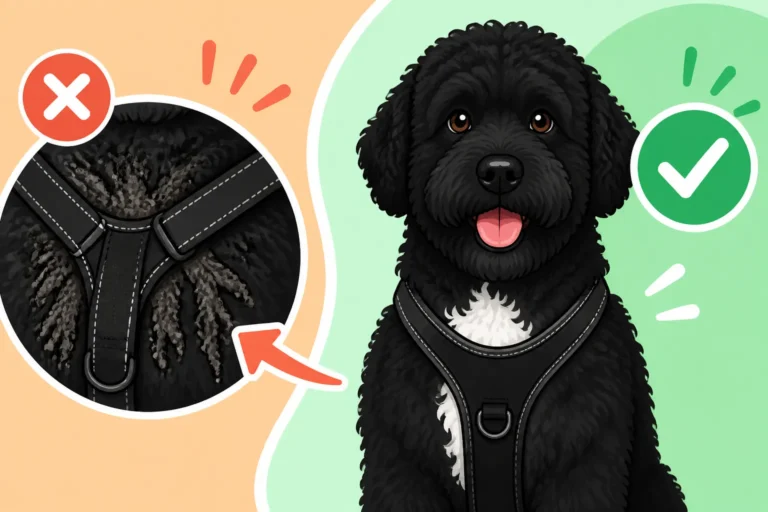
While the wavy coat might appear less prone to matting because its waves are looser, this is a common misconception that can lead to significant problems. The wavy coat absolutely still mats, and sometimes the mats can be deceptively hidden within the longer waves. Like the curly coat, the wavy coat will mat in areas of friction: behind the ears, under the chin, in the armpits, and where harnesses or collars rub. The difference is that a mat in a wavy coat might spread out more horizontally, becoming a wide, flat sheet of felted hair close to the skin, whereas curly mats tend to be tighter knots. Consistent brushing is still key, often daily or every other day, especially if your dog is very active or frequently in water. The aim is to prevent those waves from tangling and felting together, which can happen surprisingly quickly.
Drying the Wavy Coat and Preventing Hot Spots
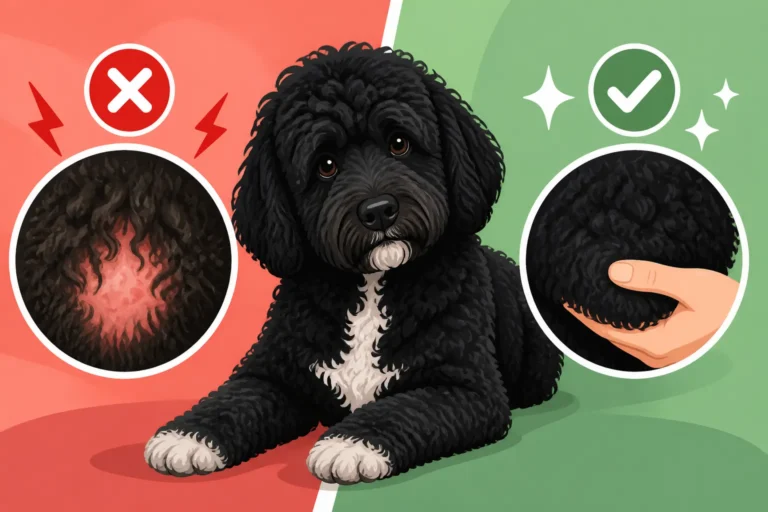
Just like the curly coat, the wavy coat, despite its looser texture, can trap a lot of moisture, especially after a good swim. While it might seem to air dry a little faster than a dense curly coat, relying solely on air drying is still a recipe for disaster. The longer strands can hold dampness close to the skin, creating an ideal environment for bacteria and yeast to flourish, leading to uncomfortable and often painful hot spots. Hot spots are acute moist dermatitis lesions that can appear suddenly, spread rapidly, and cause intense itching and discomfort for your dog. Therefore, thorough drying with a force dryer is just as crucial for a wavy-coated PWD as it is for a curly one. Focus on getting all the hair completely dry, right down to the skin, paying extra attention to areas where moisture tends to linger, such as the belly, chest, and under the tail.
Common Grooming Needs for Both Coat Types
Regardless of whether your Portuguese Water Dog sports a curly or wavy coat, certain grooming practices are non-negotiable for their health and comfort. These are the foundational elements of PWD care that every owner must master.
The Absolute Necessity of Regular Brushing
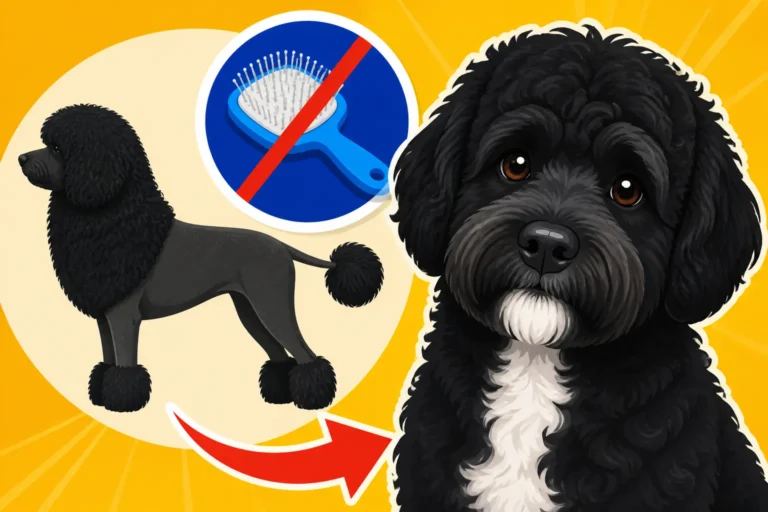
This cannot be stressed enough: regular, thorough brushing is the cornerstone of Portuguese Water Dog coat care. For both curly and wavy coats, daily or every-other-day brushing is truly essential to prevent matting. It’s not just about surface brushing; you need to "line brush." This technique involves parting the coat horizontally and brushing a small section at a time, working your way from the skin outwards, layer by layer, until you’ve covered the entire dog. This ensures you're reaching any tangles and shed hairs that are trapped close to the skin, which are the root cause of painful mats. Essential tools include a high-quality slicker brush and a sturdy metal comb. The slicker does the heavy lifting, separating hairs, while the comb follows to ensure there are no tangles left undetected right down to the skin. Missing even a small section can allow a mat to form, which then rapidly grows. Consider what How Long Brushing a Portuguese Water Dog Takes means for your daily schedule!
The Importance of Proper Bathing and Rinsing
Bathing a Portuguese Water Dog is more than just getting them wet and sudsy. It's a process that needs careful attention to detail. First, always thoroughly brush your dog before bathing. Water will tighten existing tangles and mats, making them nearly impossible to remove afterward without resorting to shaving. Choose a high-quality dog shampoo and conditioner appropriate for their skin type; some PWDs can have sensitive skin. Lather the shampoo thoroughly, ensuring it penetrates all the way to the skin. The rinsing process is perhaps even more critical. You must rinse, and then rinse again, and then rinse again. Any shampoo or conditioner residue left in the dense coat can cause skin irritation, itching, and contribute to hot spots or yeast infections. Many owners rinse until they think they're done, and then rinse for another five minutes just to be sure. Consistency is key here. To get a handle on the frequency, How Often a Portuguese Water Dog Should Be Bathed can provide useful guidelines.
Mastering the Art of Drying
After a bath or a swim, effectively drying your Portuguese Water Dog is paramount for preventing mats and skin issues. Air drying, even in warm weather, is simply not sufficient for these coats. The dense nature of both curly and wavy coats means they can remain damp for hours, or even days, at the skin level, creating a perfect environment for bacterial and fungal growth. This is where a high-velocity force dryer becomes an indispensable tool. A force dryer (not a human hairdryer, which can overheat and burn skin) blows powerful, cool or lukewarm air, literally blasting water out of the coat.
Start by towel-drying as much as possible to remove excess water. Then, using the force dryer, work in sections, separating the hair with your free hand to ensure the air reaches the skin. Keep the nozzle moving to avoid concentrating air on one spot for too long. For the curly coat, this helps to uncoil and straighten the hair slightly, making it easier to comb through. For the wavy coat, it lifts the waves and ensures deep drying. Proper drying prevents fungal infections, hot spots, and reduces matting. What a Force Dryer Does for a Portuguese Water Dog is truly a game-changer for PWD owners.
The Coat Change: A Challenging Phase
Just when you think you've got a handle on your Portuguese Water Dog's puppy fluff, they hit adolescence, and their coat decides to undergo a dramatic transformation. This "coat change" is a significant period in a PWD's life and, frankly, one of the most challenging grooming phases for owners.
When the Puppy Coat Transitions to Adult Coat
The coat change typically begins anywhere from six months to around eighteen months of age, though it can vary for each individual dog. It's the period when your PWD's soft, often fine, puppy coat starts to be replaced by the coarser, denser, and more mature adult coat. This isn't a gradual shedding process like some breeds experience; rather, the two different textures of hair — the outgoing puppy coat and the incoming adult coat — grow in simultaneously and intertwine. This creates a highly complex and incredibly mat-prone situation. Imagine trying to comb through two different types of fibers that are actively growing and tangling together. It's a lot like trying to brush out a doll's hair that's been through a washing machine a few too many times. Learning about When a Portuguese Water Dog's Puppy Coat Changes can help you brace for this phase.
Navigating Matting During the Coat Change
During the coat change, mats can seemingly appear overnight. A perfectly brushed dog in the morning might have noticeable tangles by evening, especially after a vigorous play session or a swim. The two different coat textures simply "grab" onto each other, forming dense, felted clumps that pull at the skin and can become very painful if left unattended. Many frustrated owners during this period find themselves having to significantly shorten their dog's coat to get a fresh start and manage the mats. This is the time when daily, sometimes twice-daily, thorough line brushing becomes absolutely non-negotiable. If you skimp on brushing during this phase, you will inevitably end up with a matted dog, and the only humane solution will be a full shave-down by a professional groomer, which can be costly and stressful for your PWD. Patience, perseverance, and a good set of grooming tools are your best friends here.
The End Result: A More Stable Adult Coat
The good news is that the coat change is a temporary, albeit intense, phase. Once your Portuguese Water Dog's adult coat has fully grown in and replaced the puppy coat, the extreme matting issues tend to subside. The adult coat, while still requiring diligent and regular grooming, will be much more predictable and easier to manage than the transitioning coat. This doesn't mean you can slack off on brushing, but you'll likely find that you're spending less time dematting and more time simply maintaining. The key is to establish excellent grooming habits during the puppy phase and to maintain them consistently throughout the coat change and into adulthood. Think of this period as an investment; the effort you put in now will pay dividends in a healthier, happier dog with a beautiful, well-maintained adult coat that’s far less prone to developing severe mats.
Practical Considerations and Tools
Successfully managing a Portuguese Water Dog's coat isn't just about understanding its nature; it's also about having the right equipment and knowing how to use it. Investing in quality tools and either learning to use them or finding a good groomer is vital.
Essential Grooming Tools for Every PWD Owner
To keep your PWD's coat in tip-top condition, you'll need a collection of specific tools. This isn't a breed where a single brush will do the trick!
- Slicker Brush: This is your workhorse for daily brushing. Look for one with firm, bent wire pins that reach deep into the coat without scratching the skin. Brands like Chris Christensen or Artero are popular with PWD owners for their quality.
- Metal Comb: A sturdy greyhound-style metal comb with both wide and fine teeth is crucial for checking your work after brushing and for tackling smaller tangles. It's your "mat detector."
- High-Velocity Force Dryer: As discussed, this is non-negotiable for thoroughly drying your dog after baths or swims and preventing skin issues. Brands like B-Air or K-9 Fluffer are often recommended.
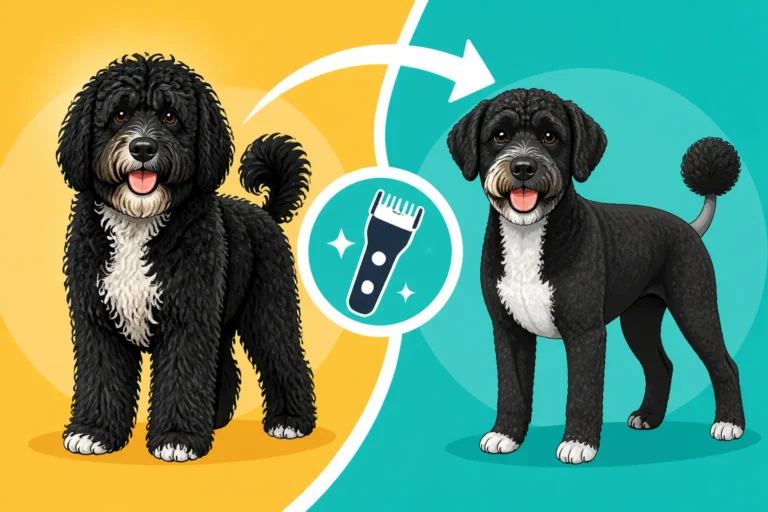
- Clippers: Even if you use a professional groomer, having a good set of clippers for touch-ups between grooms, sanitary trims, and paw pads is very useful. Professional-grade clippers from brands like Andis or Wahl with various blade sizes (e.g., #10, #7F, #5F) are a smart investment. Which Clippers Handle a Portuguese Water Dog's Coat provides more details.
- Blunt-Nose Scissors: For carefully trimming around the eyes, ears, and any small, stubborn mats that can't be brushed out. Always use extreme caution.
- Quality Shampoo and Conditioner: Hypoallergenic or moisturizing formulas are often a good choice.
- Ear Cleaner: To keep those ears pristine after every water adventure.
You can often find these high-quality grooming essentials from online retailers like Chewy or Amazon, offering a wide selection to suit your needs.
Professional Grooming vs. DIY: Making the Choice
Many Portuguese Water Dog owners face the perennial question: do I learn to groom my PWD myself, or do I rely on a professional groomer? There are valid arguments for both.
- Professional Grooming: The biggest pro is convenience and expertise. A good groomer who understands PWD coats can keep your dog looking sharp and mat-free without you having to wield clippers. However, this comes at a significant cost, especially given the frequency (every 4-8 weeks) a PWD needs grooming. Finding a groomer experienced with PWDs is also critical, as their unique coats require specific techniques.
- DIY Grooming: The main benefits are cost savings and the bonding experience with your dog. Learning to groom your PWD allows you to maintain their coat on your schedule and can be very rewarding. The initial investment in equipment can be substantial, and there's a learning curve involving technique, handling, and patience. Many owners do a hybrid approach: regular home brushing and bathing, with professional trims every few months. The decision often boils down to budget, time, and your comfort level with grooming tools. Read Whether Grooming a Portuguese Water Dog at Home Saves Money for a cost perspective.
The Relationship Between Coat Care and Overall Health
It’s easy to view coat care as just a cosmetic chore, but for a Portuguese Water Dog, it’s inextricably linked to their overall health and well-being. A neglected coat can lead to a cascade of problems. Severe matting is not only painful, pulling at the skin with every movement, but it can also hide skin infections, parasites, and even tumors. Mats restrict air circulation, creating a warm, moist environment perfect for bacteria and yeast, leading to hot spots and fungal infections. These can quickly become serious and require veterinary intervention.
Furthermore, the act of regular grooming allows you to perform frequent health checks. As you brush, you're looking for lumps, bumps, skin lesions, flea dirt, ticks, or any unusual tenderness. This early detection can be critical for many health issues. A dog’s coat quality can also be an indicator of internal health; a dull, brittle, or excessively dry coat might signal nutritional deficiencies or underlying health problems like hypothyroidism. A balanced diet, sometimes supplemented with omega-3 fatty acids (like fish oil, which you can read more about in When a Portuguese Water Dog Needs Fish Oil), can contribute significantly to skin and coat health. Don't forget their ears either; checking them weekly, especially after swimming, is crucial to prevent infections, as highlighted in Why a Portuguese Water Dog's Ears Need Checking Every Week.
Managing Specific Coat Challenges
Even with the best intentions and diligent care, Portuguese Water Dogs can present unique coat challenges. Knowing how to tackle these issues effectively can save you a lot of stress and keep your dog comfortable.
Tackling Mats and Tangles Effectively
Despite your best efforts, mats will happen. The key is to address them quickly before they become severe. For small, loose tangles, a careful brushing with a slicker brush and a follow-up with a metal comb, working from the tips of the hair inward, often suffices. If you encounter a larger mat, resist the urge to pull or cut haphazardly.
- Isolate: Gently separate the matted section from the surrounding hair.
- Work from the Outside In: Don't try to brush through the whole mat at once. Instead, pick at the very edges of the mat with the fine teeth of your metal comb or a mat splitter.
- Use a Dematting Spray: These sprays can lubricate the hair, making it easier to separate. Apply it liberally to the mat and let it sit for a few minutes.
- Patience and Gentle Tugging: Use short, gentle strokes, working in tiny sections. Support the skin at the base of the mat to minimize pulling and discomfort for your dog.
- When to Cut: For dense, felted mats that are close to the skin and cannot be safely brushed out, carefully use blunt-nose scissors or clippers underneath the mat, parallel to the skin. Always slide a comb between the mat and the skin first to protect your dog. When in doubt, especially with large or difficult mats, consult a professional groomer rather than risking injury to your dog.
Preventing Skin Issues Under the Coat
The dense nature of a Portuguese Water Dog's coat, combined with their love for water, makes them particularly susceptible to various skin issues if not properly managed. The most common culprit is trapped moisture.
- Thorough Drying: As emphasized repeatedly, always ensure your dog is completely dry down to the skin after every swim or bath. This includes the belly, armpits, and under the tail. Why a Damp Portuguese Water Dog Gets Skin Trouble is a must-read for this.
- Air Circulation: Keep your dog's coat trimmed to a manageable length, especially in warmer months, to allow for better air circulation. A shorter retriever clip can be very practical.
- Regular Brushing: Brushing helps to remove dead hair, which can trap moisture, and stimulates blood flow to the skin, promoting overall skin health.
- Ear Care: Those floppy ears can trap moisture, leading to ear infections. Clean them regularly, especially after swimming, and ensure they are dry.
- Diet: A high-quality diet rich in omega fatty acids supports healthy skin and a robust skin barrier, making your dog less prone to irritation.
- Monitor for Hot Spots: These red, inflamed, oozing lesions can appear quickly. If you spot one, gently trim the hair around it, clean it with an antiseptic, and consult your vet for treatment, as they can worsen rapidly.
Living with a Portuguese Water Dog's Coat Year-Round
Caring for a PWD's coat is a year-round commitment that adapts to the seasons and your dog's activity level.
- Summer Fun: While PWDs love water, summer means more frequent swims and thus more frequent drying and potential for hot spots. Consider a shorter clip to make management easier, but be mindful of sunburn if clipped too short, especially on their nose.
- Winter Chills: In colder weather, their coat provides excellent insulation. However, if your dog is swimming in icy water, ensure rapid and thorough drying afterwards to prevent chilling. Snow and ice can also clump in their coat and paw pads, so keeping the hair on their feet trimmed is important.
- Active Lifestyle: A PWD that spends a lot of time outdoors, swimming, hiking, or working, will inevitably pick up more debris and get wet more often, requiring more diligent and frequent grooming. A less active dog might require slightly less frequent full grooming sessions, but daily brushing remains essential.
- Ongoing Vigilance: Ultimately, living with a Portuguese Water Dog means embracing the grooming routine as a natural part of their care. It's a continuous process that changes as your dog ages and their coat texture potentially shifts. Regular inspections, quick action on mats, and consistent preventative care are the hallmarks of a responsible PWD owner. The long-term commitment is truly worth it for the health and happiness of your companion. For a holistic view, consider What Care a Portuguese Water Dog Needs Its Whole Life.
| Coat Feature | Curly Coat | Wavy Coat |
|---|---|---|
| Appearance | Tight, cylindrical, barrel-like curls | Soft, flowing, undulating waves |
| Texture | Coarser, springy, dense | Softer, silkier, more relaxed |
| Matting Tendency | High, tends to form tight knots and clumps | High, tends to form flat, wide, hidden mats |
| Drying Time | Longer, traps more water, requires force dryer | Still long, can feel damp at skin, needs force dryer |
| Grooming Effort | Requires meticulous daily line brushing | Requires diligent daily brushing to prevent felted mats |
| Ideal Clip | Often looks sharp in a shorter retriever or lion clip | Looks elegant in a retriever clip; shaggier when long |
Disclaimer
This article is for general informational purposes only and does not constitute professional advice. Laws, prices and regulations vary by location and change over time. Consult a qualified professional for guidance on your specific situation.